
America might have been a technological leader for many years but in some areas, other countries have raced ahead.
High-speed rail systems
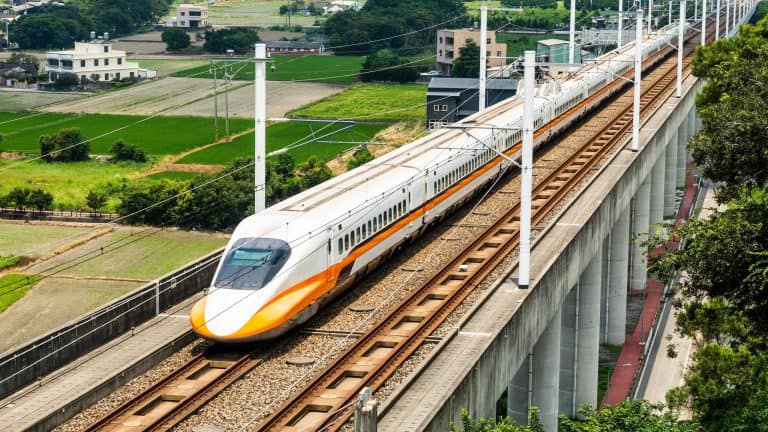
China & Japan have developed impressive high-speed rail networks that include trains racing along at over 200 mph; in particular, China’s CRH380A connects major cities rather quickly.
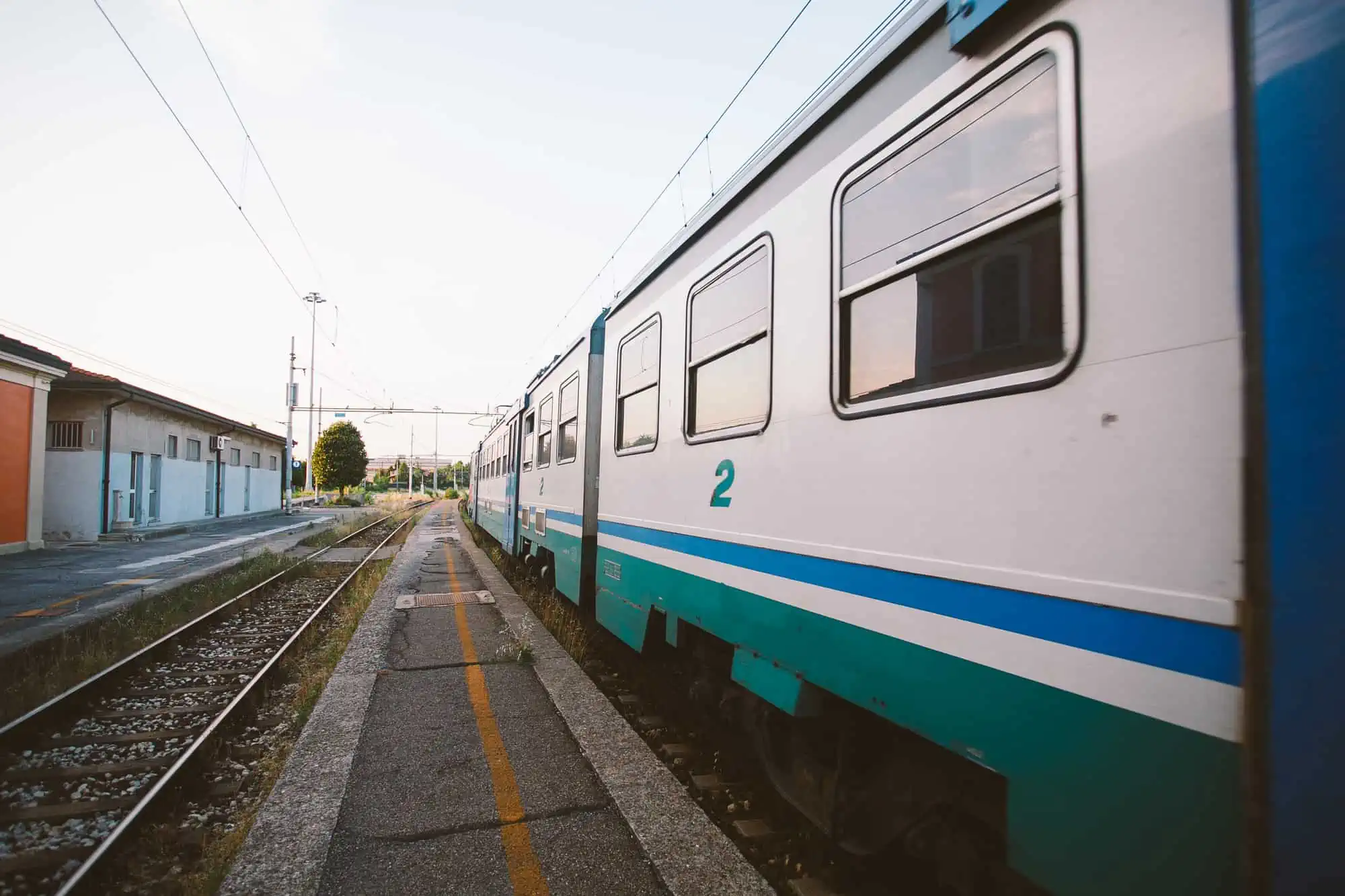
This makes long-distance travel more convenient for everyone living there. America mostly has traditional trains only.
5G infrastructure

China also has quite an expansive 5G network that includes millions of base stations nationwide, with companies like Huawei & ZTE playing an important role in this huge rollout.
Currently, the U.S. is still building up its 5G infrastructure but the coverage & speeds don’t quite match China’s extensive network. There’s also a lot more opposition to the 5G network here than there is in China and this has slowed down network development.
Advanced battery technology
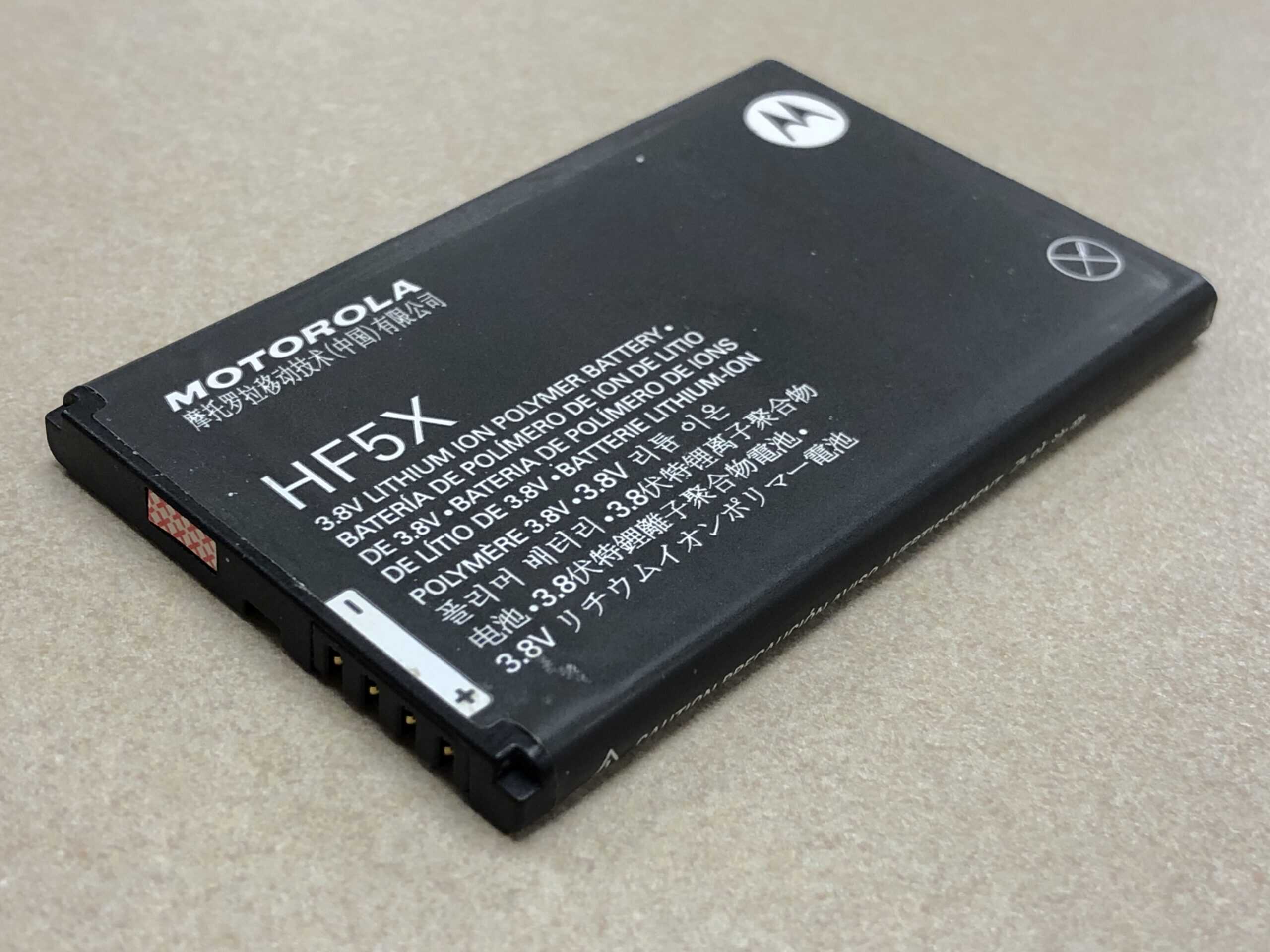
South Korea & China are leaders in advanced battery innovation and especially with lithium-ion batteries for electric vehicles because firms like LG Chem & CATL now supply batteries to automakers worldwide.
We’re falling behind quite a bit in creating advanced batteries.
Robotics and automation

Japan has been a pioneer in robotics for quite a while, particularly in terms of manufacturing automation, which is mostly due to companies like Fanuc that have become global leaders in creating industrial robots.
In America, we still use robotics in manufacturing, of course, but it’s nowhere near the same level of integration & sophistication as in Japanese industries. Their technological developments are far more advanced than ours.
Consumer drone manufacturing

DJI is a Chinese company that is currently dominating the consumer drone market and it holds a significant share globally because people use their drones for all kinds of things. Whether it’s for photography, filmmaking or industrial tasks, you’re likely using DJI technology.
Mobile payment systems

China’s mobile payment platforms include WeChat Pay & Alipay and these have completely changed everyday transactions in a way that has made the country largely cashless.
Almost all big and small vendors accept digital payments. That’s quite different from America.
Mobile payments are available in most places but we haven’t adopted them as widely & many people still prefer cash or cards.
Nuclear energy technology
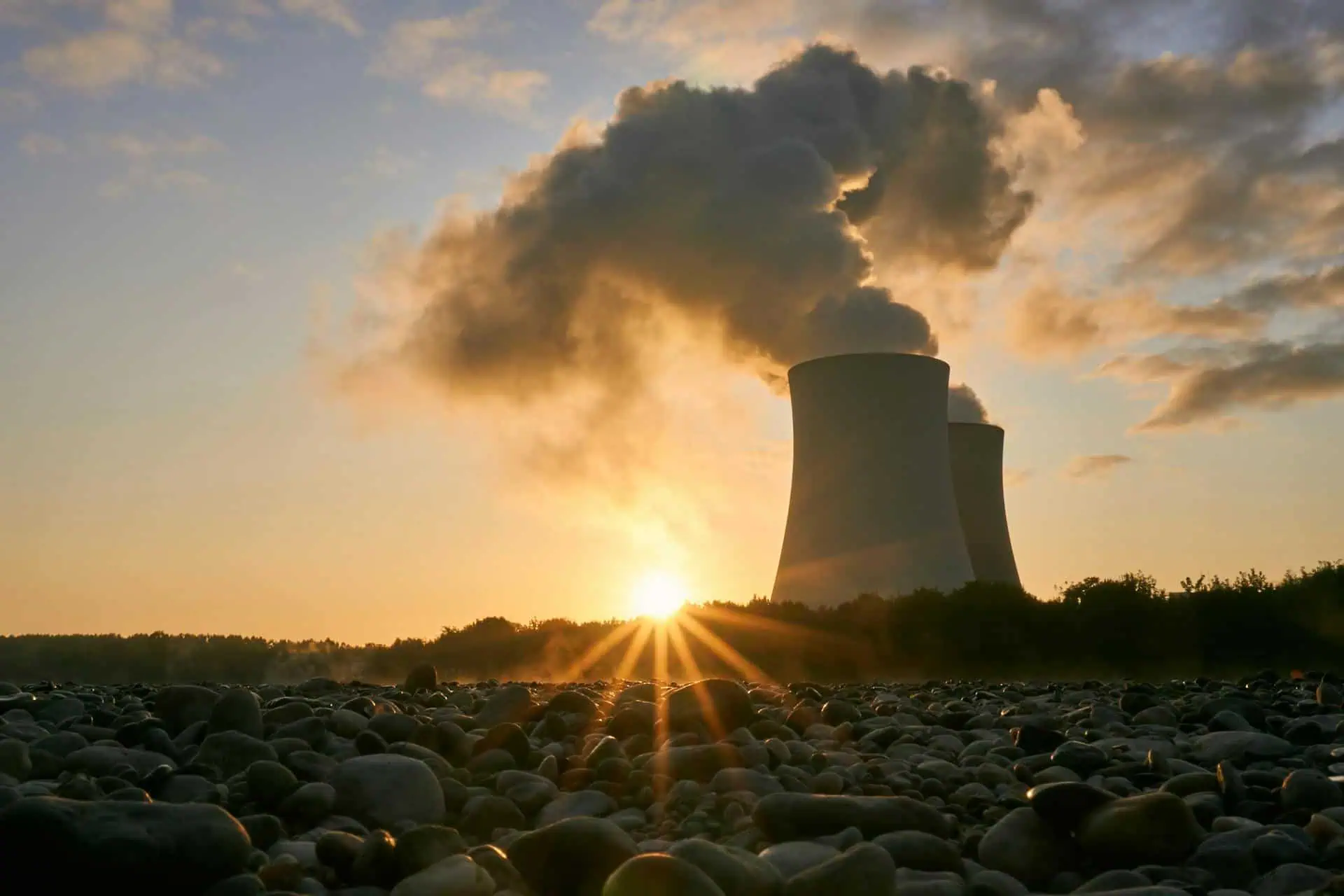
France is a nuclear energy leader and the country generates around 70% of its electricity from nuclear power, which is mostly due to the country’s advanced reactor designs & a strong framework supporting nuclear technology.
America hasn’t built new nuclear plants at the same pace or used any of the latest nuclear technologies that France has developed. Regardless of how you feel about nuclear power, it’s quite clear that there’s a huge gap between the USA and France.
High-speed internet connectivity
We have decent speeds but many areas in America still have limited access and speed.
The South Koreans have their government to thank for continually improving & prioritizing digital infrastructure so they’re able to race ahead.
Solar panel manufacturing
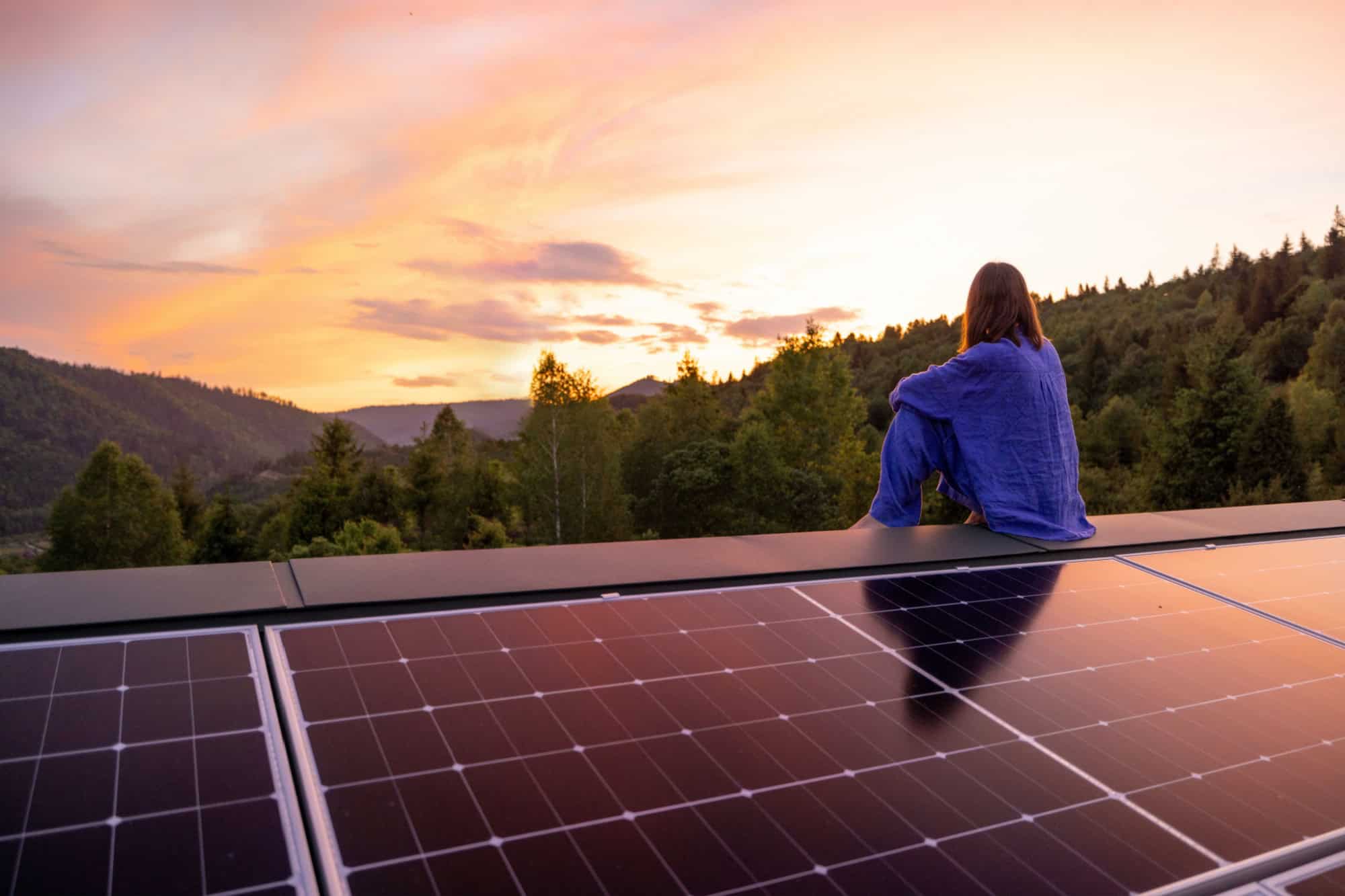
China produces the most number of solar panels in the world and they do this with massive scale.
In doing so, they’ve made solar technology more affordable worldwide while the USA still relies heavily on imports. We have a lower domestic manufacturing capacity that isn’t quite able to meet the production levels in China.
Semiconductor manufacturing
In America, we’ve seen a decline in domestic chip production & we now rely quite a lot on imports for high-tech semiconductors, but that’s not the case in Taiwan & South Korea.
TSMC & Samsung produce the most advanced microchips in the world. We rely on them deeply.
10 ways technology makes aging both easier and harder

Technology can be a blessing and a challenge as we get older. It connects people to loved ones, simplifies daily tasks, and even supports health. But constant updates, scams, and screen fatigue can add stress. Here are 10 ways modern tech both helps and complicates the experience of growing older.

