

Some spies were so good at their jobs that they managed to fool entire governments and walk away with military secrets, without ever being officially captured.
An army that existed on paper
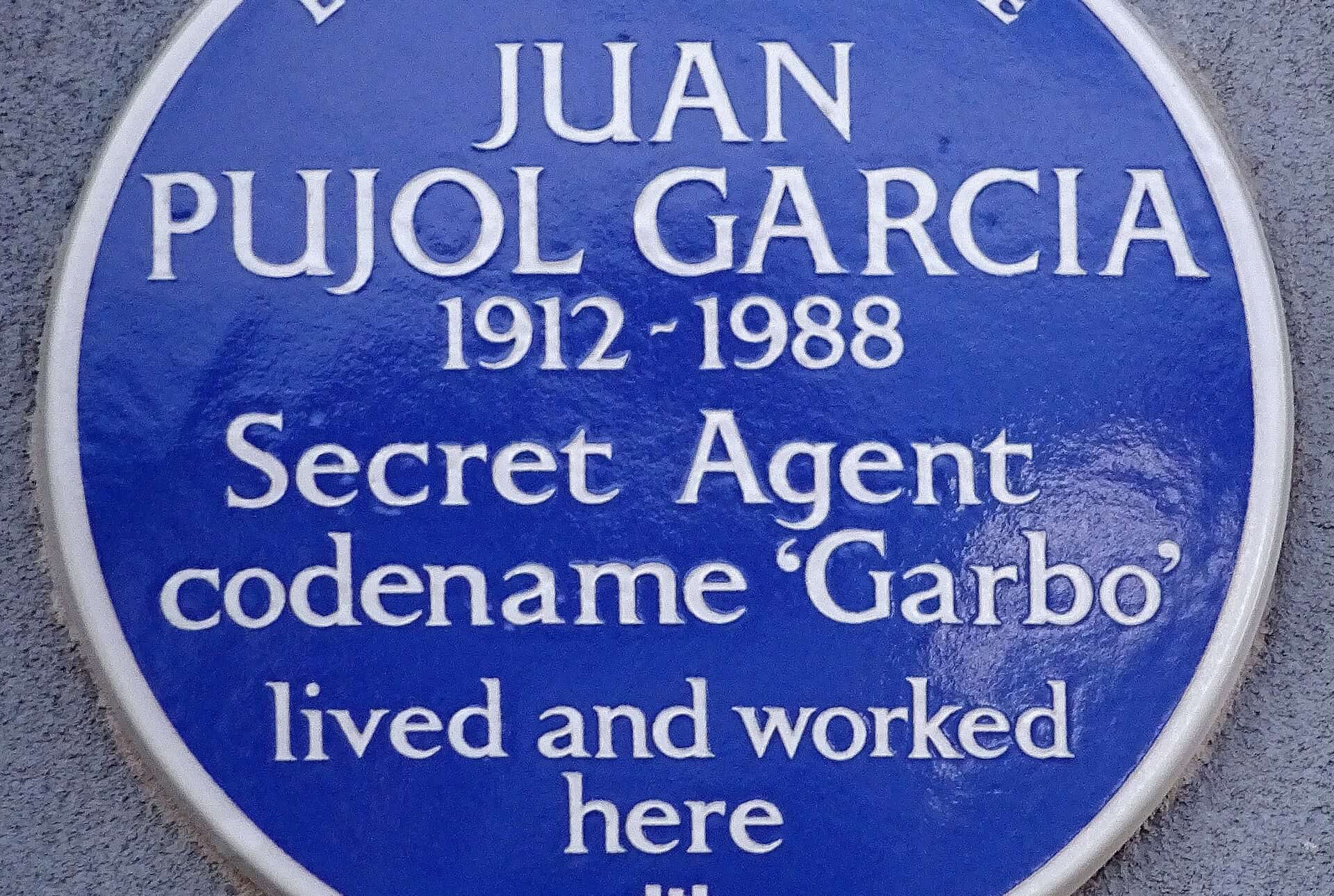
Juan Pujol García did something that sounds almost ridiculous, but it actually happened. He somehow managed to convince Nazi Germany that he had 27 agents who were secretly working for him in Britain and supplying him information. Not one of these agents existed. In fact, García was actually working with MI5 under the name GARBO.
He fed Germany a mix of real details and utter nonsense that was carefully timed to ensure Allied victory during World War II, such as during D-Day. Through his fake network, García tricked German commanders into thinking Normandy was a distraction. He made them believe the Allies wanted to attack Pas-de-Calais, which wasn’t true. The Nazis never learned the truth.
The woman they couldn’t find
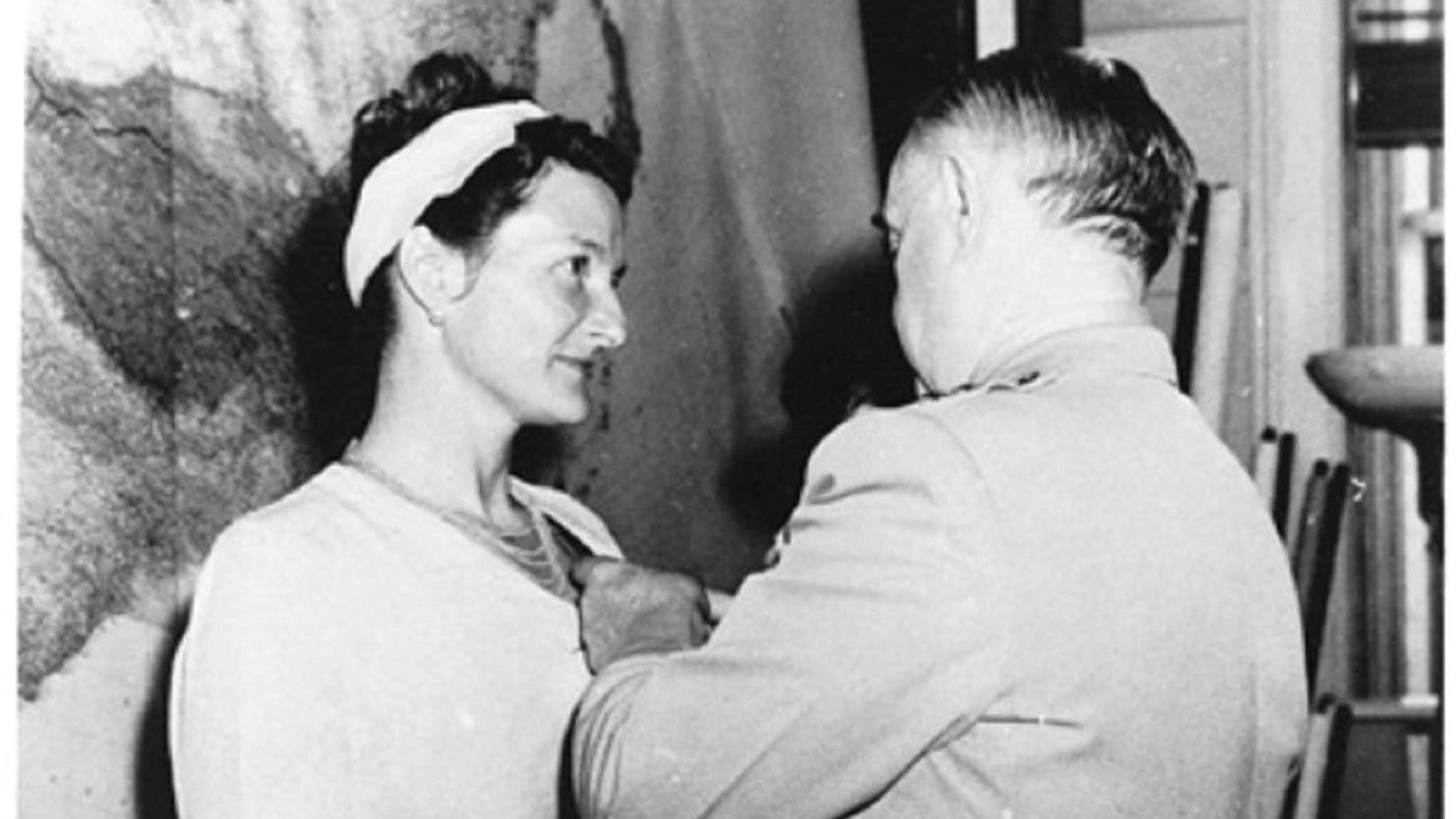
For a spy, Virginia Hall certainly stood out, starting with the fact that she was an American woman working in occupied France. There was also the fact that she had a wooden leg. Hall worked for Britain’s Special Operations Executive and helped to build resistance contacts in France. She also arranged escape routes so that other agents could move around the country.
The Gestapo eventually caught on to her and desperately tried to track her down. They couldn’t. It did get to the point, however, where the hunt became too dangerous, so Hall crossed the Pyrenees into Spain on foot. But then she returned. Yes, Hall returned to France in disguise and sent vital intelligence to the American Office of Strategic Services (OSS)
The diplomat with a briefcase
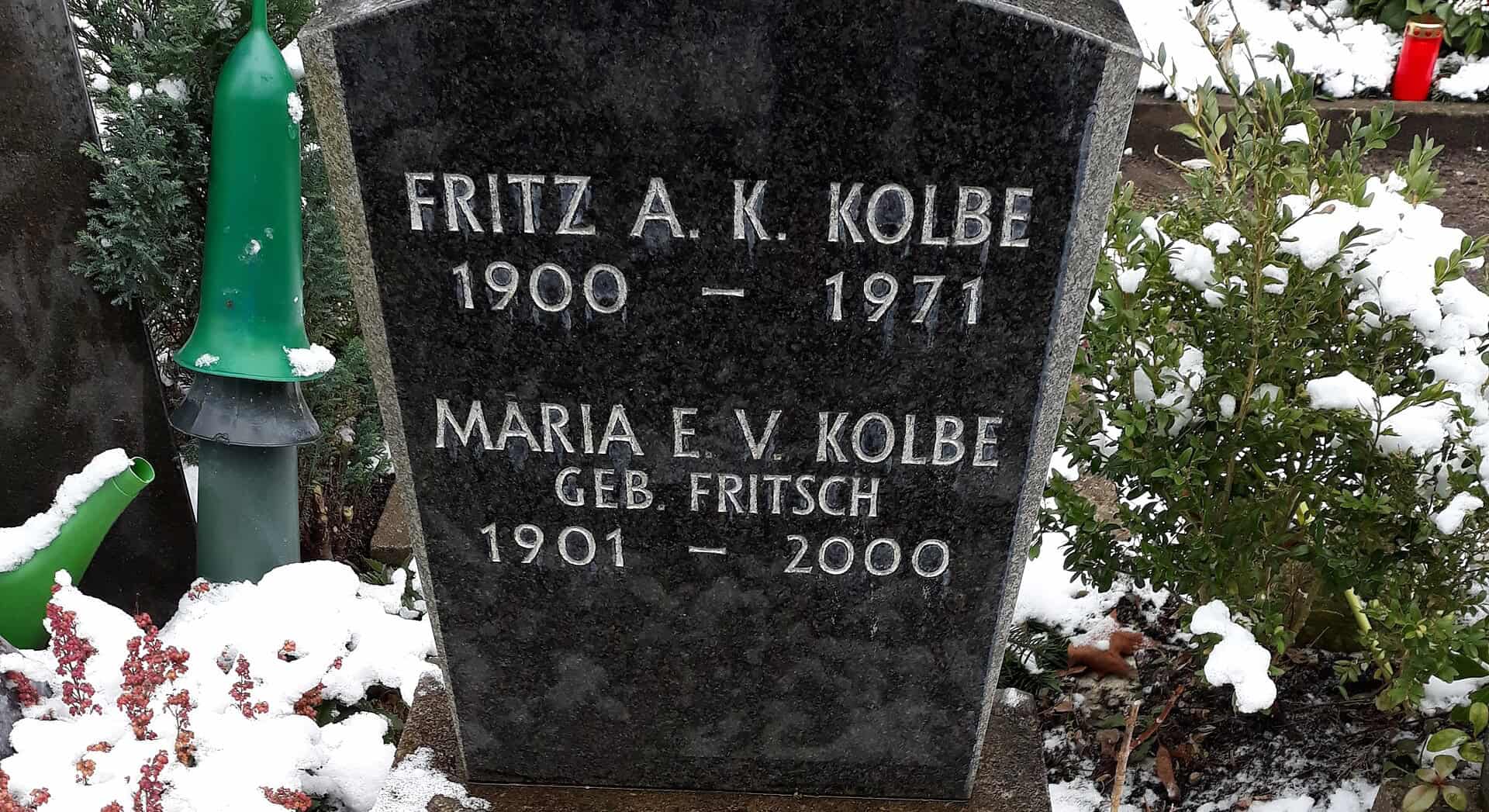
Fritz Kolbe’s job put most of Nazi Germany’s diplomatic paperwork right in front of him, and he used it to his advantage. He worked for the German Foreign Office. Starting in 1943, he took around 1,600 of these secret documents into Switzerland and gave them to OSS officer Allen Dulles. These documents were really important.
They included important information about German intelligence operations, after all, as well as Nazi diplomatic plans. A few of the reports reached Franklin Roosevelt, as they were that important. Kolbe returned to Germany after each trip, despite the huge risk. The Nazis never managed to uncover him.
The secret hidden at Dayton
The Manhattan Project was meant to be top-secret, as it was an American research program that eventually developed the first successful nuclear weapons. But Soviet spy George Koval managed to infiltrate it. He went through Oak Ridge as part of his assignments and ended up working at a highly secret facility in Dayton, Ohio.
It was at this facility that he learned about the use of polonium for the atomic bomb’s initiator. Koval passed that information to Moscow. His information was so useful that Soviet officials actually credited him with helping the nation’s first atomic bomb program. In 1948, Koval left the United States, and it wasn’t until later that American investigators figured out the truth.
The office behind the mirror
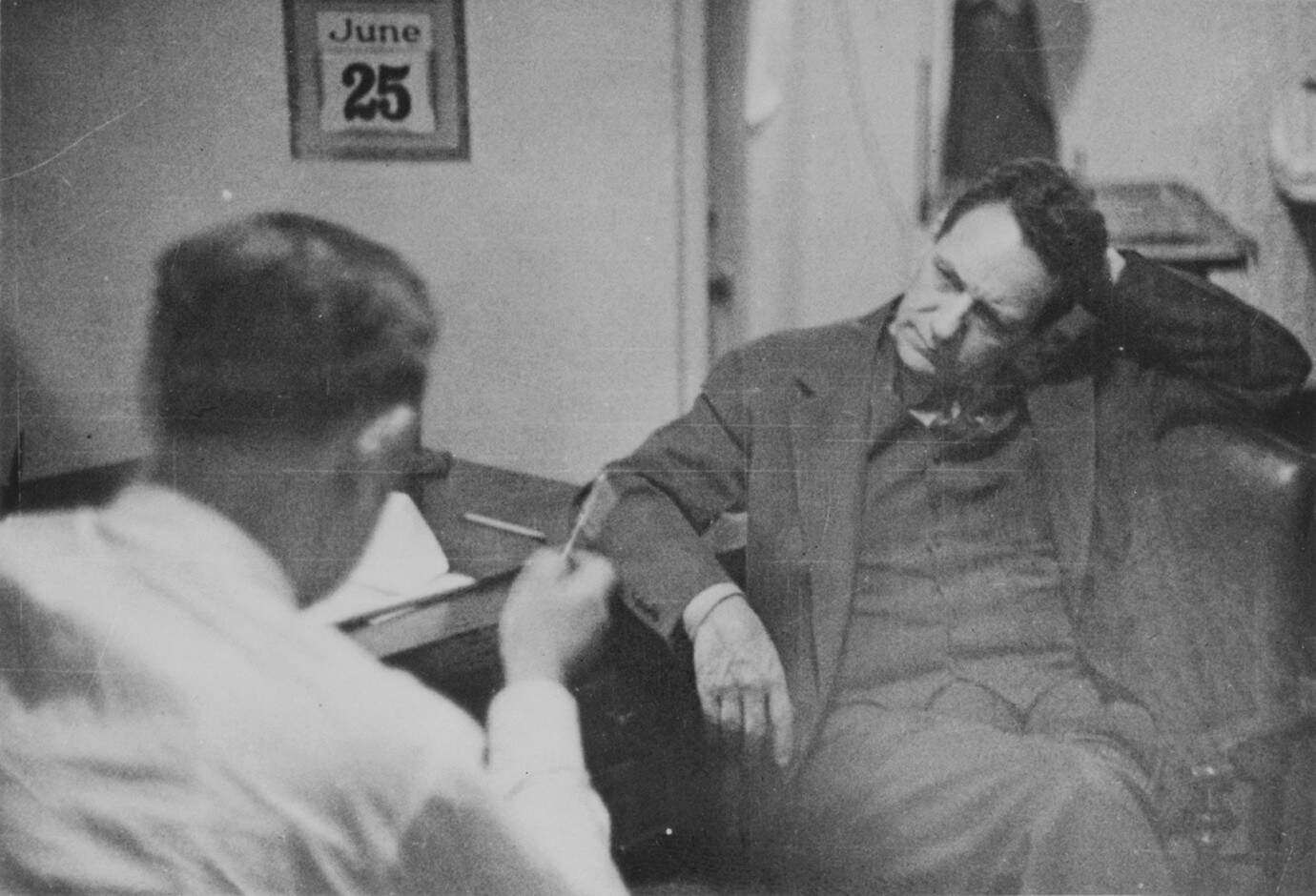
William Sebold was the definition of a double agent. German intelligence forces recruited him in 1939 to spy on the Americans, but the reality was that he was working for the FBI instead. He joined a Nazi spy ring in the United States. The American intelligence forces set him up in a Manhattan office that was fitted with hidden microphones and a two-way mirror.
That way, when Nazi agents came through the door, the Americans would know everything. It worked. The Nazi agents passed on information to Sebold without realizing they were being recorded. The whole operation went on to expose 33 members of the Duquesne Spy Ring in the United States. Yet Germany thought Sebold had been working for it the entire time.
The physicist called MLAD
You wouldn’t expect a teenager to be working at Los Alamos, the site of the Manhattan Project. But that’s exactly what Theodore Hall did at age 19. He made contact with Soviet intelligence in 1944 and then started to pass along secret information about America’s nuclear weapons program. This included some of the plutonium implosion bomb’s basic design information.
You know, the same bomb that was later used on Nagasaki. It took many years for American codebreakers to work out that Hall was the Soviet spy known as MLAD. They didn’t capture him, though. Exposing Hall would mean exposing the Venona project that the codebreakers used to find him, so they never caught up.
Forty thousand pages heading west

Not all spies worked during an active war. Just take a look at Ryszard Kukliński, for example, he spent years secretly passing information to the CIA, starting in 1972. He copied information about the Warsaw Pact from inside the Polish military establishment. Kukliński shared around 40,000 pages of material while working as a Polish colonel.
These included Soviet military planning details and maps, as well as troop movements and preparations for a possible war with NATO. All that information helped America learn what the Soviets were planning, as well as Poland’s upcoming martial-law crackdown.
In 1981, the CIA got Kukliński and his family out of Poland. The risk was too great. He was eventually sentenced to death, but Kukliński wasn’t in Poland at the time and escaped.
Moscow was expecting an attack
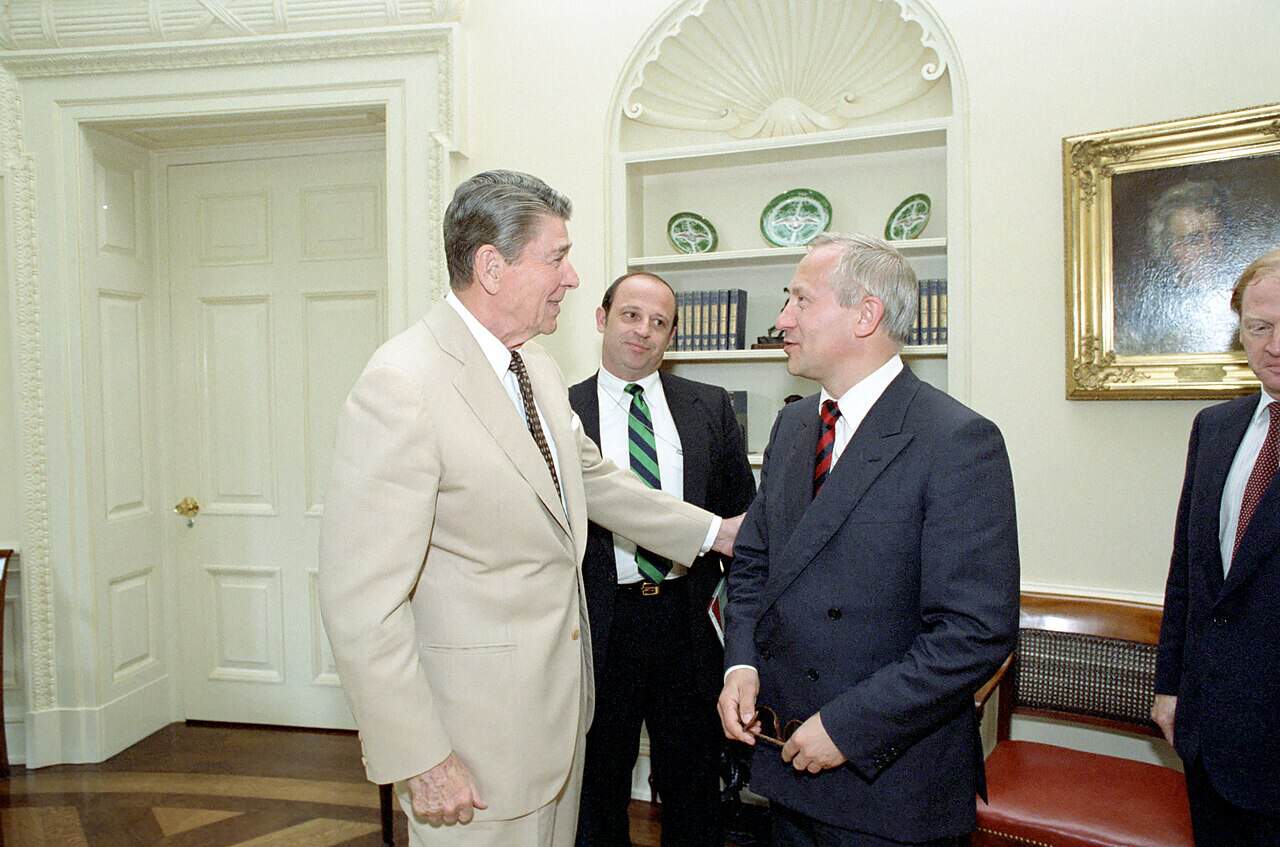
The Soviet Union was watching NATO exercises with deep interest by 1983. We only know that fact because of the work of KGB officer Oleg Gordievsky. Despite being a high-ranking Soviet, he was actually passing information to MI6, helping Britain to learn about Operation RYaN. This was a Soviet attempt to find clues to a possible Western nuclear attack.
In 1983, NATO launched the Able Archer military exercise, and it genuinely scared the Soviet Union into thinking an American attack was coming. Gordievsky passed that information along. Yes, he helped the West understand that, actually, Moscow was really afraid. The KGB turned on him in 1985, but he managed to slip away after questioning.
Grant’s source inside Richmond
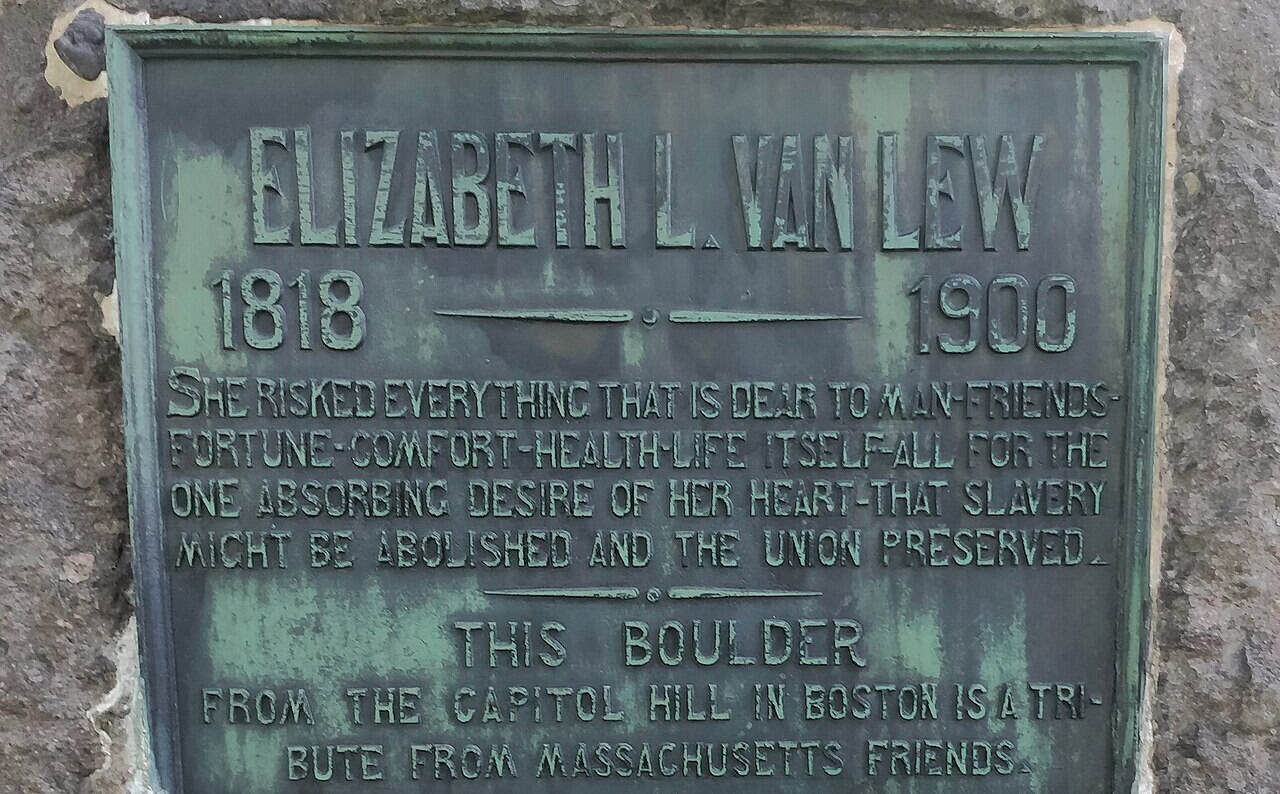
Elizabeth Van Lew was a spy who was, quite literally, in the thick of it. She worked in Richmond during the Civil War and passed Confederate secrets to the Union while the Confederate government worked around her. It started with Van Lew building up contacts. She spoke to Union prisoners and government employees, eventually establishing a relationship with them.
They passed on secrets which she, in turn, passed on. These included reports on Confederate troops and defenses around Richmond and Petersburg. The details eventually made their way to General Ulysses S. Grant and intelligence chief George H. Sharpe. But throughout it all, Confederate authorities never figured out what was going on.
The reporter with another job
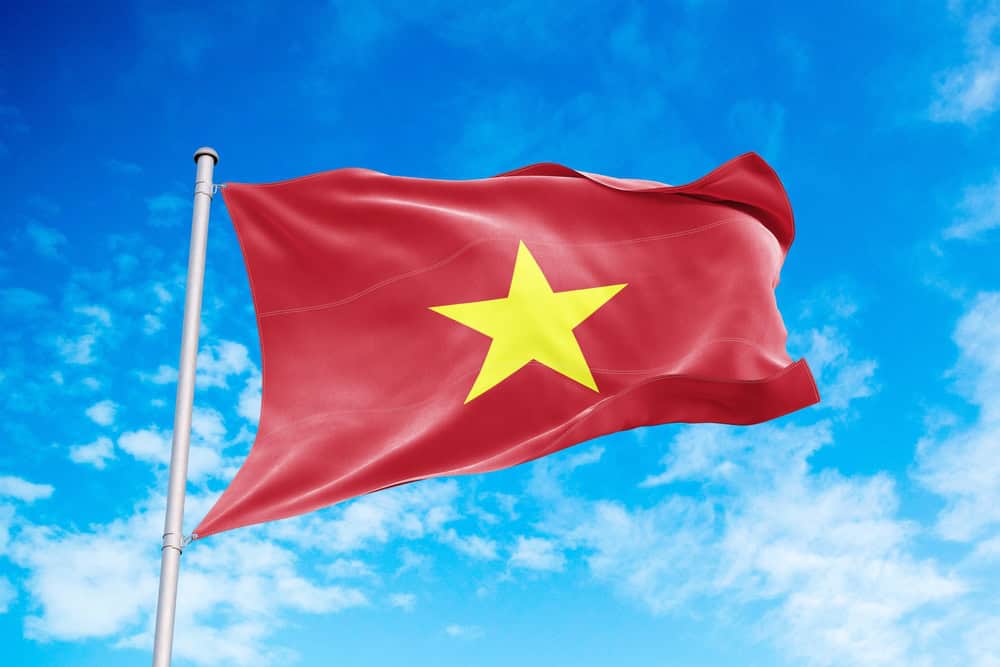
Pham Xuan An seemed like a talented South Vietnamese journalist to American reporters in Saigon. He also seemed to know everybody worth knowing, and that was pretty impressive. But he had a secret. The truth is, An was actually working for North Vietnamese intelligence and used his connections to pass on vital information.
An worked for outlets like TIME and shared the military information he learned from American officers and South Vietnamese officials. Some of his most useful information came before the 1968 Tet Offensive. It was during that time that he figured out details about defenses around Saigon and sent reports to the North Vietnamese through couriers. Only after the war, in 1975, did An’s true role come to light.
Sources: Please see here for a complete listing of all sources that were consulted in the preparation of this article.
10 tiny details that completely changed history

History has a weird way of completely changing based on a few tiny details that seemed so unimportant at the time, but ended up creating the world we know today.

