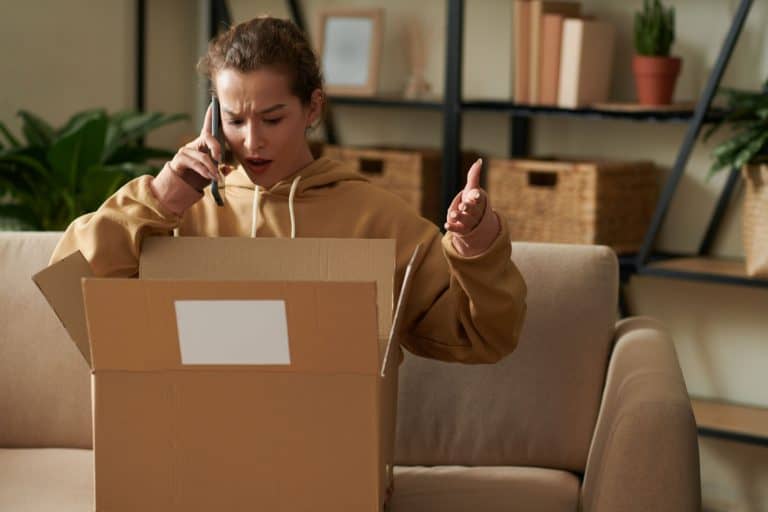

The Postal Service lets you send a lot of things. Yet some of the most everyday objects receive a hard “no,” and the bans are so random, you’ll be wondering what could’ve led to them in the first place. Here are ten random objects you can’t mail in the U.S. Which one of these would you have missed?
Featured Image Credit: Shutterstock.
Airbag inflators and modules
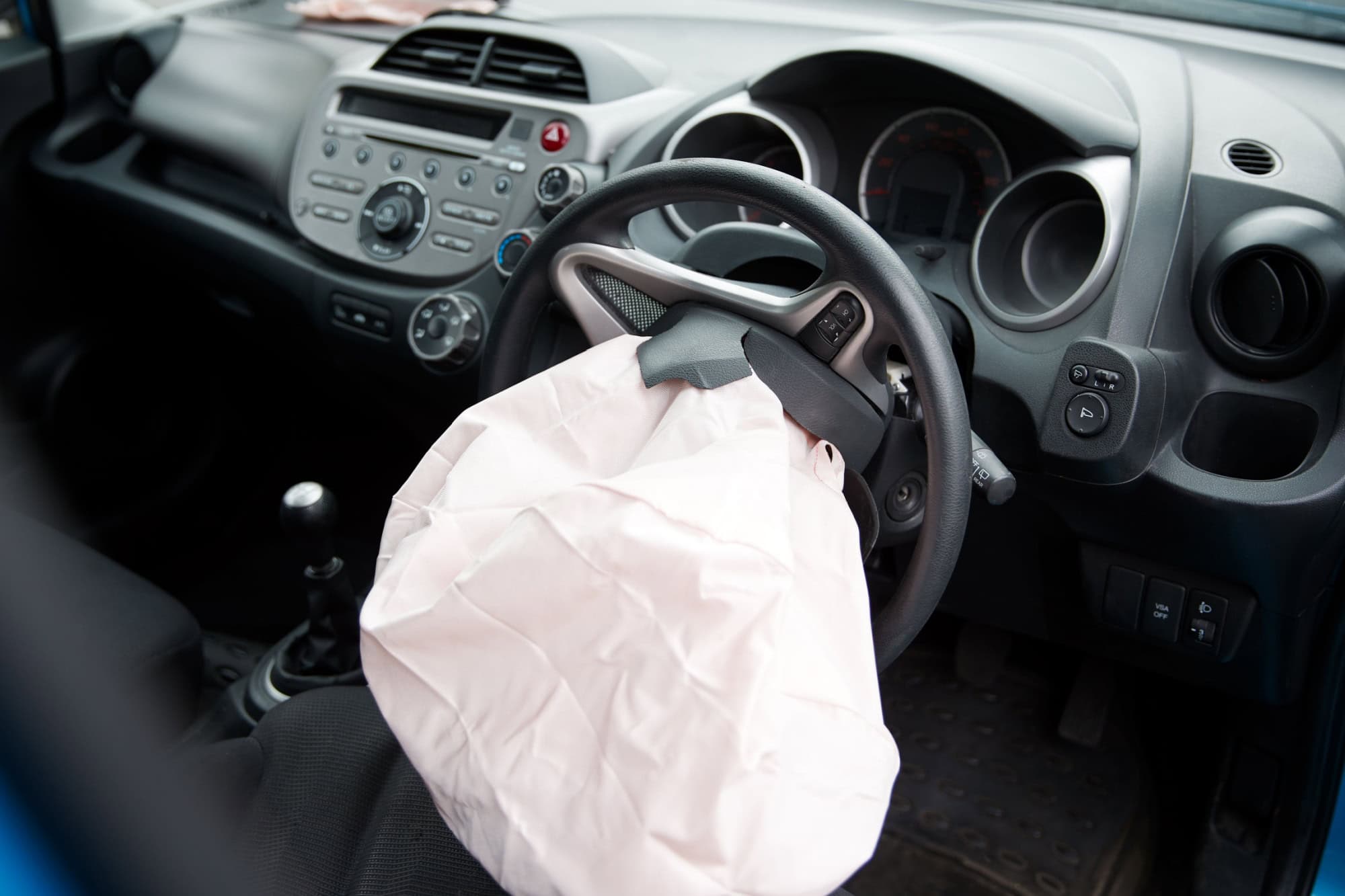
The post office will turn you away immediately if you put an airbag inflator or module inside a box & try to mail it. They’re considered explosive devices since they use propellants to inflate, with even brand-new inflators falling under this rule. It really doesn’t matter whether it’s a tiny part or the whole module.
Loose soil or dirt

Any jars of dirt or soil that you want to mail to a friend must stay at home. This is because soil is full of insects & microbes, so the USDA doesn’t want pests going across state lines. Researchers, though, do get a permit. But for regular people, dropping a bag of backyard dirt in a flat-rate box is entirely off-limits.
Citrus plants and many citrus seeds

How harmless could a little orange tree be? It turns out, very, as citrus is under heavy quarantine rules due to diseases like citrus greening. Mailing live plants or even seeds without permits could lead to the package going straight into the trash. USDA inspectors are rather careful with these plants because the pests on them can spread incredibly fast.
Raw cotton bolls
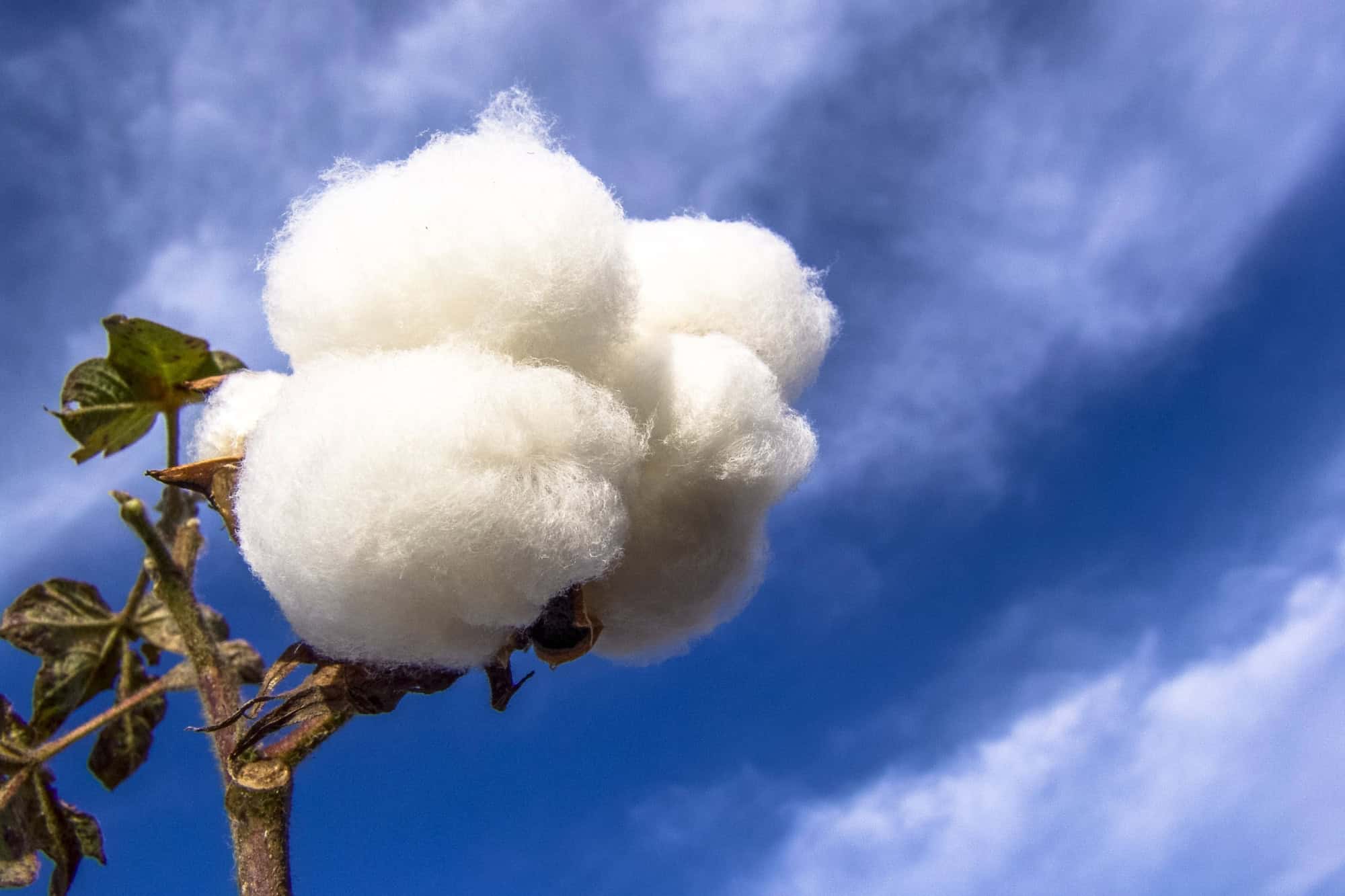
Sure, cotton bolls may look cute in rustic décor, but they’re illegal to mail in parts of the U.S., like Hawaii. The problem is boll weevils. These are tiny bugs that hide in the fluff & destroy crops, which has led to strict quarantine rules over any materials that may contain them. Unless the bolls are cleaned and processed, you can’t send them around.
Feathers from native wild birds

You should keep any cool bird feathers at home because the Migratory Bird Treaty Act makes it illegal to own or ship feathers from protected species. Unfortunately, the law applies even if you find these feathers on the ground. The law treats mailing one the same way as selling it, and that means the post office can’t move it.
Lottery tickets and related mailings

While mail carriers do deliver tons of junk mail, they’ll never mail actual lottery tickets. Federal law specifically bans mailing tickets or entries across state lines. Yes, advertisements are one thing, but the real paper tickets themselves aren’t allowed to go through USPS, meaning you can’t mail scratch-offs to your cousin in another state.
Raw milk shipped across state lines

It’s a mystery why anyone would want to mail a jug of raw milk, but if that’s you, don’t bother. You legally can’t move unpasteurized milk across state borders through the mail. And that’s even in the states that allow raw milk sales within their own borders. Once you’ve packaged the milk & shipped it out, it crosses into federal territory, which is where the ban kicks in.
Motor vehicle master keys and locksmithing devices

The post office has a special rule for locksmith gear. It states that master car keys & decoder tools, along with some blank keys, are illegal for everyday mailing. Only a manufacturer or a licensed dealer is allowed to send them, meaning that the average Joe can’t drop one in a flat-rate box for a friend.
E-cigarettes and vape devices

The Preventing All Cigarette Trafficking (PACT) Act banned vape pens & e-cigs, as well as the cartridges, from being shipped to consumers. This applies regardless of the fact that they’re legal to own. Yes, there are a few exceptions for businesses with the right paperwork, but for most people, you’re not allowed to put one in the mail.
Any matter that produces an obnoxious odor

Most people know that postal rules cover dangerous stuff, but they also cover stink. Packages that give off strong or unpleasant smells aren’t allowed to be mailed. What counts as an “obnoxious odor?” It’s usually things like durian fruit or spoiled seafood, anything that makes employees gag when it leaks.
Sources: Please see here for a complete listing of all sources that were consulted in the preparation of this article.
Like our content? Be sure to follow us.