

Looking back at what products our parents used daily can be interesting and sometimes slightly horrifying. Some of these products that our parents used religiously 40 or 50 years ago are almost impossible to find today.
They were taken off store shelves because of safety issues, new regulations, or just technological advances. So here are 10 everyday products previous generations used that don’t exist anymore.
Mercurochrome (The “Red Medicine”)

Anyone who grew up before the 1990s remembers their parent smearing that bright “red medicine” on every cut or scrape they got. Generations were raised thinking it was the best antiseptic available to prevent infection.
It turns out that its active ingredient was mercury. Mercury is not an antibiotic; it is a powerful neurotoxin. The FDA ruled in 1998 that Mercurochrome was “not generally recognized as safe and effective,” and it was banned from U.S. pharmacies.
DDT insecticide

DDT used to be sold with smiling cartoon bugs and used to spray everything from crops to suburban backyards. It was considered the “gold standard” of pest control products and used indiscriminately in households.
It wouldn’t be until Rachel Carson’s Silent Spring popularized research about its harmful effects on animals and humans that DDT was banned in 1972.
Jell-O 1-2-3

Simply whip one packet of Jell-O, and watch as it magically separates itself into three delicious layers. There would be a firm gelatin layer on the bottom, a mousse-like consistency in the middle, and a creamy foam layer on top.
This was magic for kids, and reliable entertainment to keep your guests at a child-free party occupied. Sadly, this whimsical treat was discontinued in 1996. Our current selection of Jell-O doesn’t even come close to this trifecta of deliciousness.
Candy cigarettes

The idea of children smoking tiny chalky tubes of sugar was normal up through the mid-1900s. Parents bought their kids candy cigarettes packed in real cigarette brand packages (Marlboro, Lucky Strike, etc.).
The tobacco sticks even had additives that, when you “puffed” on them, they blew powdered sugar “smoke.”
You can technically still find versions of candy cigarettes today. But the more-than-realistic ones were essentially banned from shelves by the passing of the FDA’s Family Smoking Prevention and Tobacco Control Act of 2009.
X-Ray shoe fitters

Parents believed the technology of having X-ray technology view the bones in their kids’ feet to ensure a proper shoe fit was groundbreaking. Little did they know, they were literally putting their children’s feet under a radiation emitter for no reason.
Known as a “fluoroscope,” shoe buyers would literally stand on the device at their local shoe store from the 1920s all the way until the 1950s. Public awareness and regulations banned them from most states by the 1970s.
Tab soda

The predecessor to Diet Coke was none other than Tab, and parents loved it. The pink can became iconic as the “it” soda to have if you were watching your figure in the ’70s and ’80s.
It tasted like licking a soda can (due to the aftertaste of the artificial sweetener, saccharine), but still had many die-hard fans. Coca-Cola finally killed off the brand in 2020 after almost 60 years on shelves.
Lead-based paint

Parents didn’t question lead-based paint before it was banned in 1978. Lead paint was so popular because it dried harder and was more moisture-resistant than other types of paint.
However, children exposed to the paint’s dust when it dried or peeling chips suffered irreversible developmental disorders. Now, lead paint is illegal for residential use, and any can of paint will advertise “Lead-Free” prominently on its label.
Carnation breakfast bars

Protein bars weren’t always a go-to after the gym or for fueling up before a hike. Back in the day, parents grabbed Carnation Breakfast Bars when they needed a quick and “nutritious” snack on the go.
These chewy, chocolate-covered bars were famous for being deceptively similar to what astronauts eat when in space. They were suddenly discontinued in the early ’90s.
Colored and patterned toilet paper

Matching your toilet paper to your bathroom tile was all the rage in the 1960s and ’70s. Toilet paper came in bright pastel colors like pink, blue, and yellow. They even made it with patterns such as floral prints.
Health concerns over the dye causing irritation and environmental concerns over how the chemicals were made slowly caused them to vanish from shelves.
The original “Clackers”
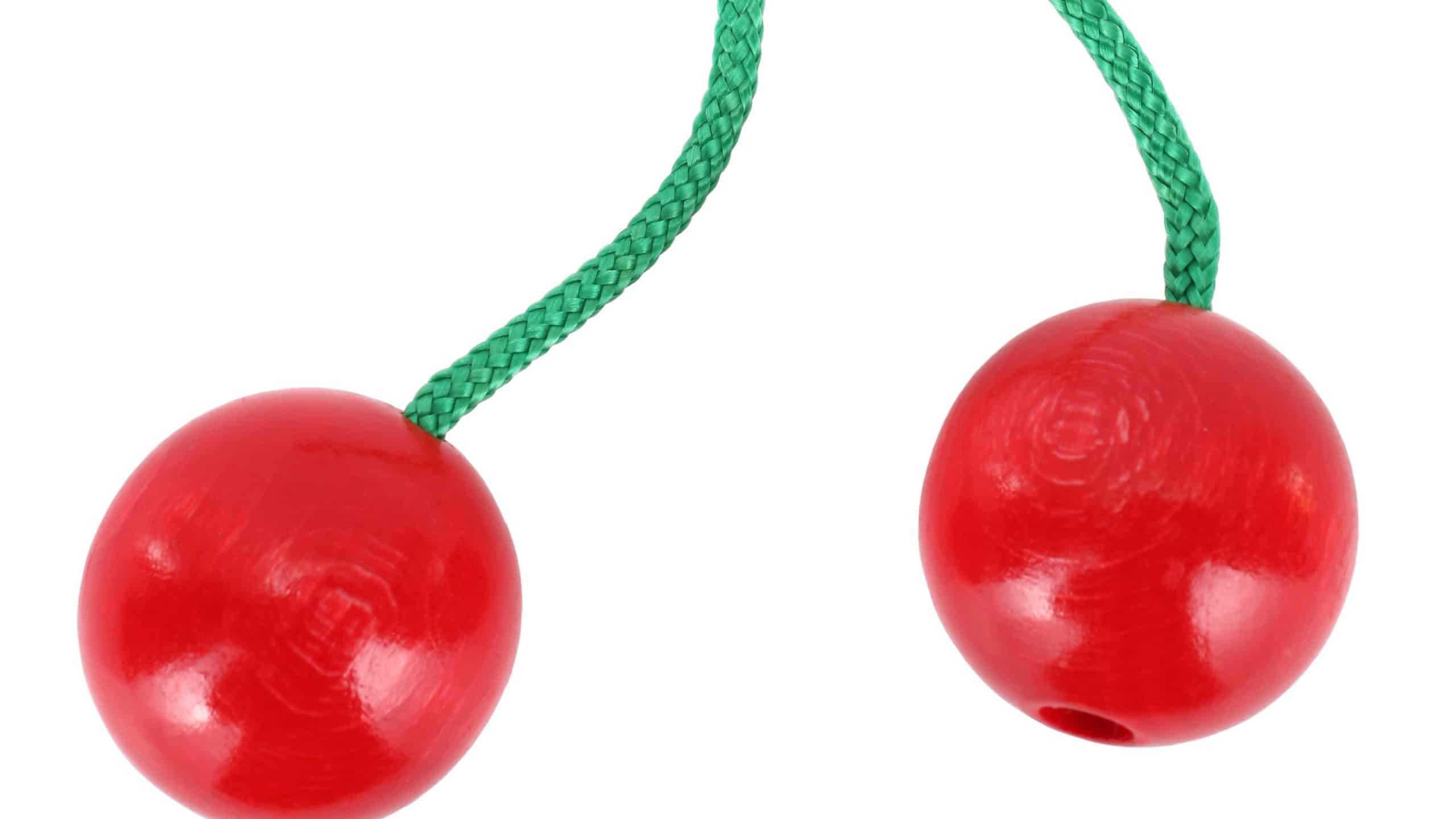
If you grew up in the late ‘60s and early ‘70s, you definitely remember this. Two heavy acrylic balls were attached by a string and you would swing them around in your hands until they hit each other, making the sound CLACK!
It was one of the biggest fads of the late ‘60s and early ‘70s until everyone realized the official balls were made from hard plastic that shattered like shrapnel upon impact. They were banned by the FDA in 1971 as a “hazardous substance” after too many children suffered eye injuries.
Sources: Please see here for a complete listing of all sources that were consulted in the preparation of this article.
Like our content? Be sure to follow us.

