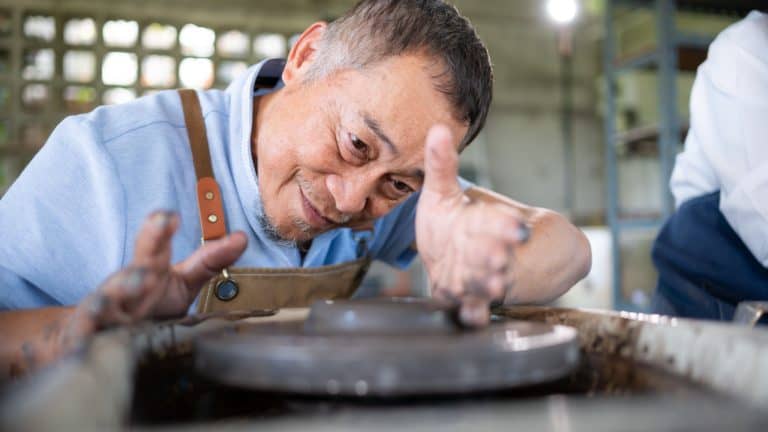

Over time, a lot of us begin to develop a craving for the things we used to love doing. Dusty pastimes we left behind for careers, children and other responsibilities start to beckon.
Reengaging with past interests provides more than a nostalgic experience because it offers comfort while driving new purposes and creates novel paths for connection.
These ten activities often become passions people develop or rediscover during their later years.
Picking up a musical instrument again
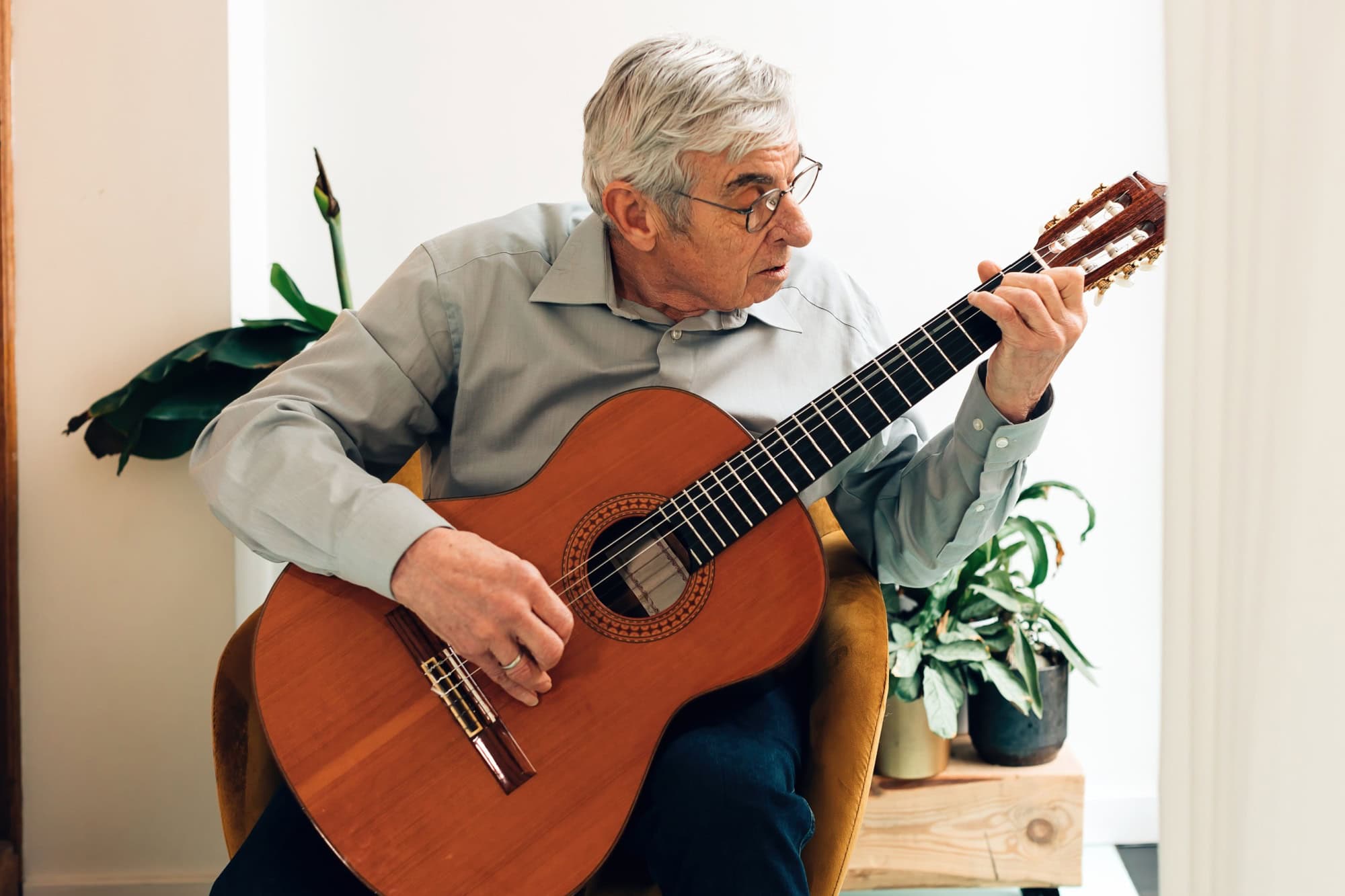
It’s never too late to make music again. Many people fall back in love with an instrument they haven’t touched for years. It’s comfortable to pick up, like reconnecting with an old friend.
It’s also good for the brain and a fun way to socialize with small music circles or choirs (Mansky et al., 2020). The first notes may be shaky, but the rhythm will soon return.
Home or community gardening
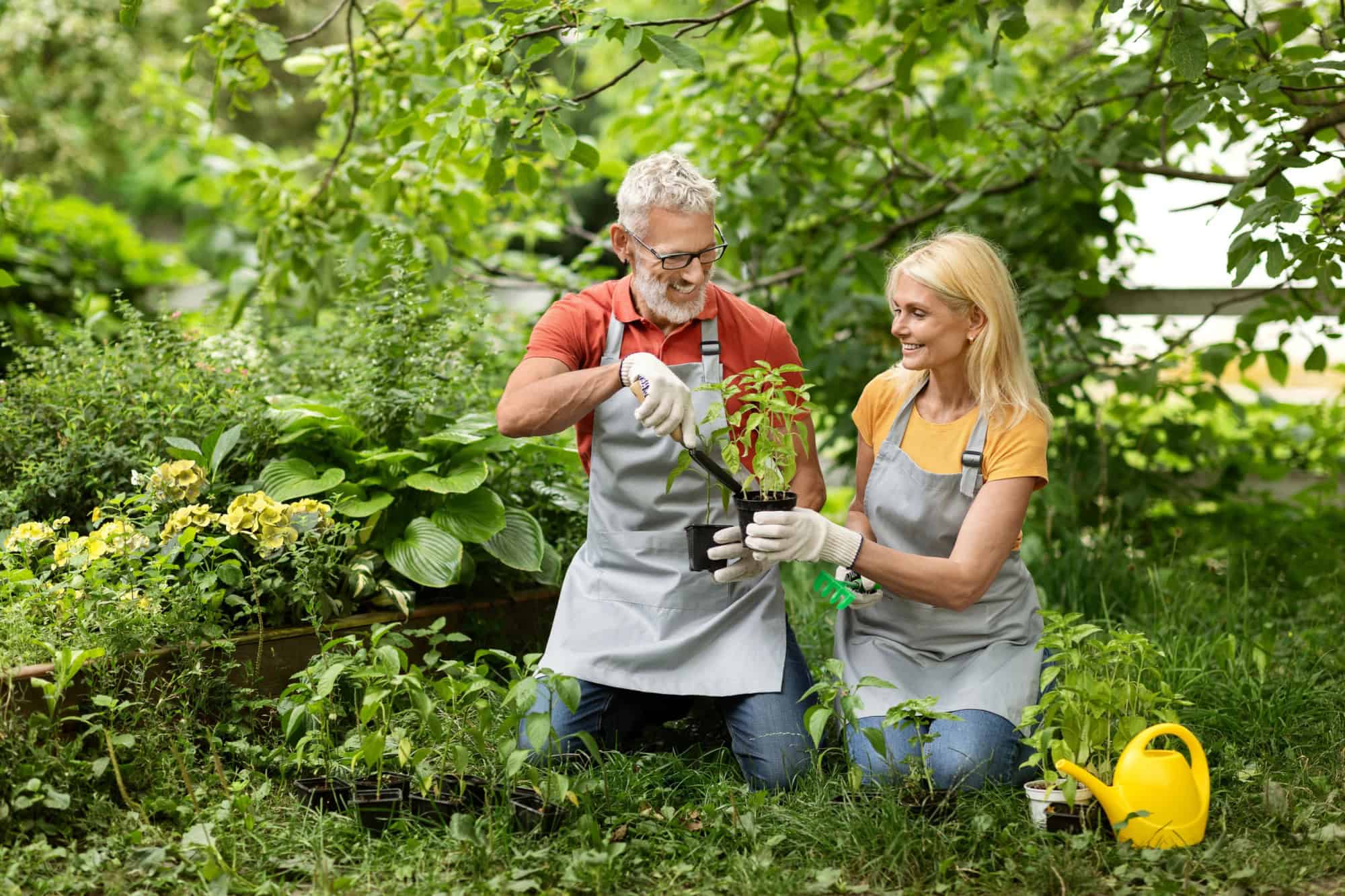
In later years, some people return to this activity as a source of tranquility, motion, and a personal connection with Mother Earth.
Scientists have shown that it is conducive to brain health and mental well-being (University of Edinburgh, 2024). And is there anything more joyful than to see a little plant slowly sprouting in front of you, all by itself?
Restoring old cars, machines or vintage gear
Some hobbies, like restoring a car, or vintage radios, or old tools are the “retirement reward” for those who enjoyed doing mechanical things in the past.
Research on “continuity of interests” shows that to have a sense of identity and satisfaction in our older years we need to continue or return to some of the hobbies we have enjoyed for a long time (Agahi & Lövdén, 2006).
The tasks like stripping down old parts, replacing frayed wiring, sanding and painting the metalwork occupy the hands and mind. It’s a hobby that can temper patience with satisfaction at the end of the job.
A craft like pottery, woodworking or metalwork
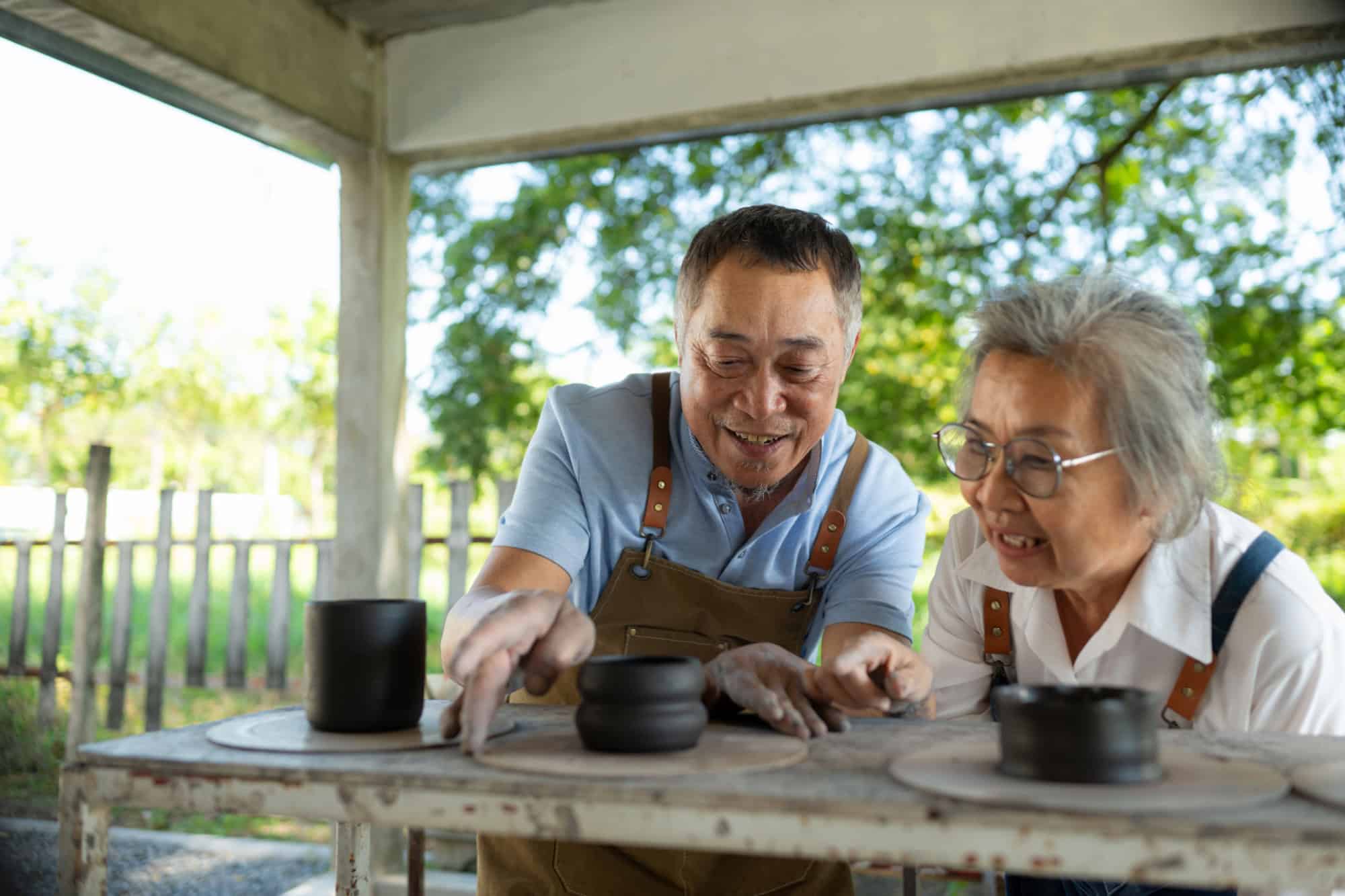
Crafts get short shrift on the typical “hobbies” list, but people go back to them. Research suggests that crafting can be powerful, especially in older age.
A four-year study of 256 people aged 85 to 89 was published in Neurology. The participants were all free of memory problems when the study began. They were evaluated on how frequently they did artistic and craft activities, including drawing, painting, sculpting, woodworking, ceramics, quilting, and sewing.
When the researchers evaluated the participants four years later, they discovered that people who did arts and crafts regularly were 45% less likely to develop mild cognitive impairment than those who didn’t (Sifferlin, 2015).
Taking up long-distance walking or hiking again

A friend of mine recently returned to hiking after not doing it since her 30s. She retired a few years ago, and told me it was like reconnecting with an old friend.
There’s ample research that highlights how physical activity in old age correlates to happiness and well-being, and hiking or walking is one of the easiest ways to get a bit of exercise, fresh air, and a feeling of accomplishment all in one (Ungvari et al., 2023).
Writing or journaling life’s story

Most of us take up a pen again later in life, to scribble a diary or start a family memoir. Writing our lives helps us to make sense of memories and experiences and spot patterns we might otherwise have missed.
Research even suggests that reminiscing and reflecting on our experiences is good for our mental health (San Francisco State University, 2011).
Collecting or finishing a long-interrupted collection
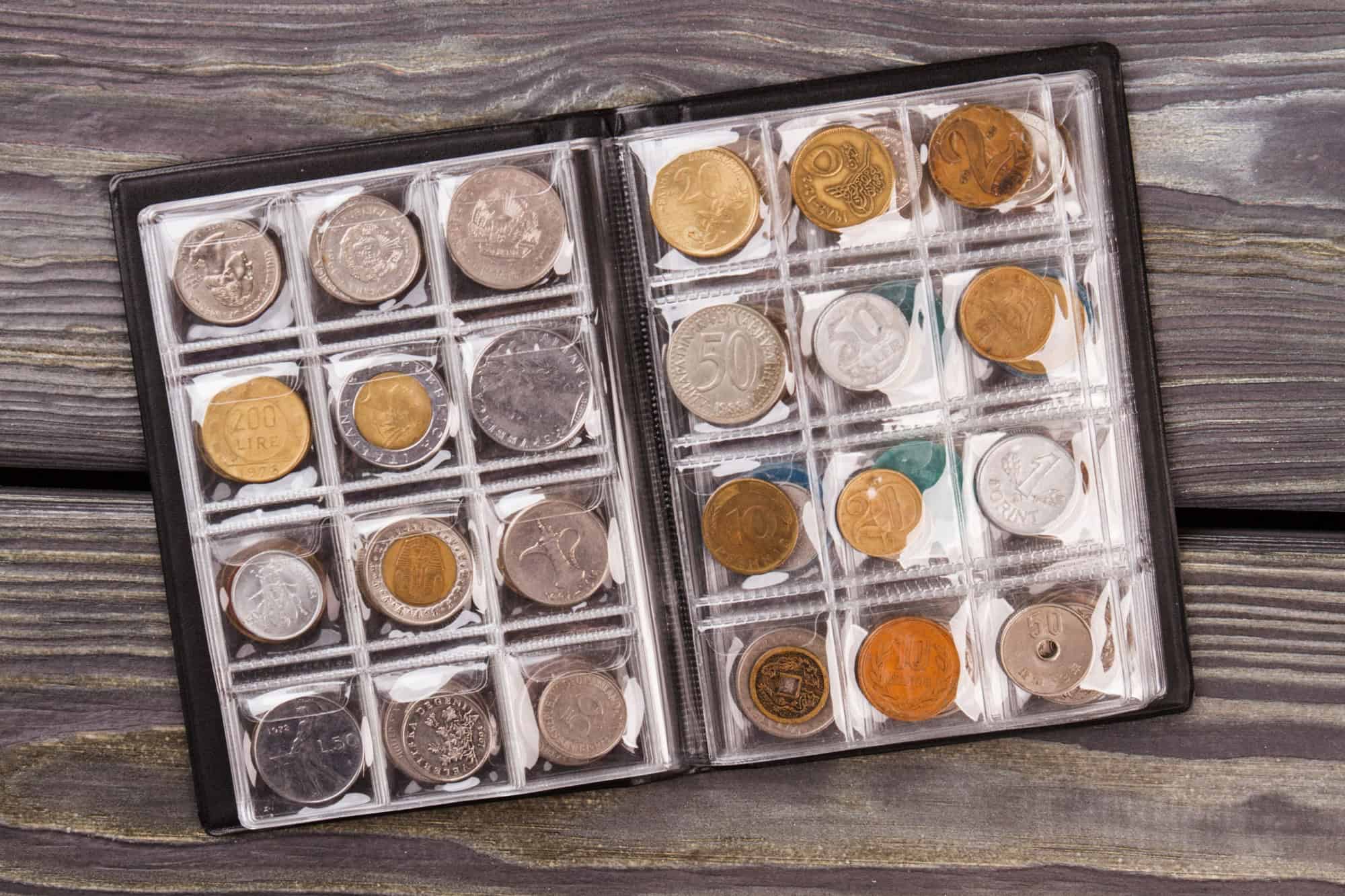
Perhaps an individual collected stamps, coins, comics or artifacts as a child, but then stopped. They return to it later in life with enthusiasm.
Completing or resuming a collection may satisfy the nagging feeling of “I left this half-done” and find enjoyment in the process of completion rather than competition or commercial value.
Photography and starting to travel again with a camera

I had taken up photography for the first time on an extended holiday in Europe many years ago. I picked it up again after retirement to have an excuse to walk, to explore, and to re-find my focus.
To pick up a camera is to re-connect with the past and also to see the world in new ways (Whitfield et al., 2023).
Learning a new language or re-studying one from youth
Some adults may discover themselves relearning a language that they studied at school or university. Grammar and vocabulary may initially feel rusty but the relearning process is an absorbing and rewarding activity.
Research suggests that effortful hobbies such as this give life meaning and mental stimulation. As well as being challenging, relearning a language can open opportunities for travel and cultural links that make the effort well worthwhile.
Mentoring, coaching or passing on a skill once practiced

If someone had a hobby or skill in a younger or middle life like amateur theater, coaching youth sports, or debate, later in life, they may pick it up again in a mentorship or coaching capacity.
It need not always be referred to as a “hobby,” but it becomes a pastime of giving back and being social. One study, into “functions of leisure in later life”, found older adults often kept hobbies that had aspects of meaning and identity to them (Hennessy, 2017).
A return like this helps the older individual to reconnect with a once important part of their identity, pass along to a younger generation, and keep them socially and mentally active.
Sources: Please see here for a complete listing of all sources that were consulted in the preparation of this article.
Related Story:

