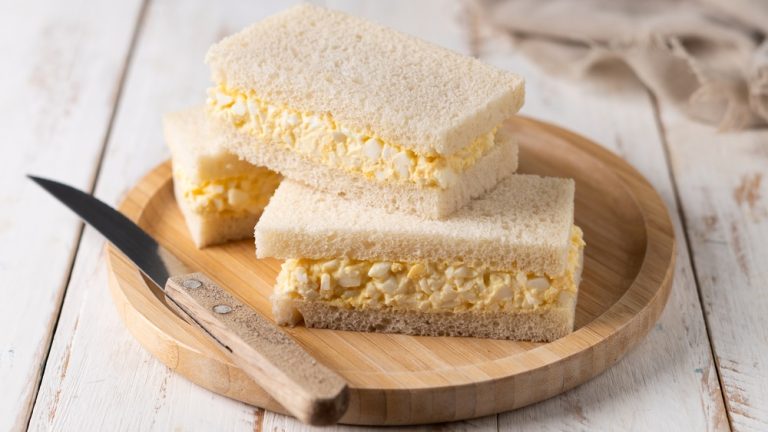

These sandwiches were once perfectly normal American lunches, but many have quietly disappeared from the menu.
Olive and cream cheese

The sandwich was once created by mixing softened cream cheese with chopped green olives and spreading the mixture on white or rye bread. Variations included the addition of mayonnaise, walnuts, or olive brine for flavor. The salty spread filling was cheap and required no cooking, making it practical for home lunches and parties.
Liverwurst and onion

Liverwurst on rye sandwich was not considered exotic for many generations of Americans, particularly those with German or Central European ancestry. Slices of liver sausage were served on bread with raw onion, mustard, and occasionally pickle. It was an easy way to have a hearty and satisfying lunch.
Changing preferences have caused organ meats and liver-derived products to recede from the culinary mainstream, though, and younger consumers are much less likely to find liverwurst in the fridge.
Denver sandwich

The Denver sandwich was a common American diner and lunch counter menu item throughout much of the first half of the 20th century. It consists of a Denver or Western omelet served on bread.
Typically, the sandwich featured eggs, diced ham, onions, and green bell peppers with (or without) cheese. Cheap, filling, and simple to make, it was a natural choice for breakfast or lunch-on-the-go. Although the Denver omelet remains common today, its use within a sandwich has fallen out of favor.
Sardine sandwich
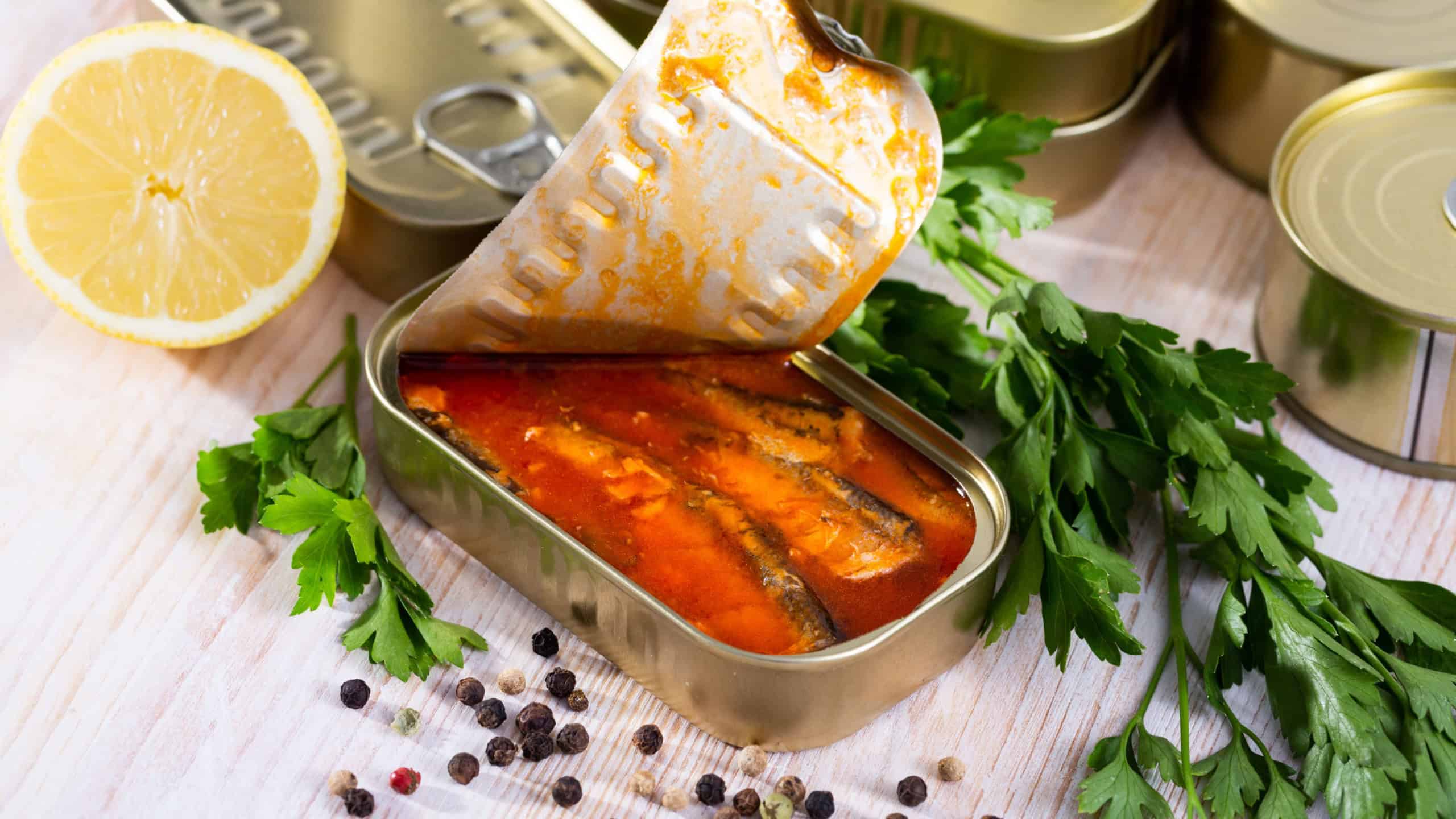
Before tuna reached the supreme lunchbox status as America’s canned-fish champ, sardines were the filling of choice in many sandwiches. Mashed with mayo or laid bare on bread accompanied by mustard, onion, lemon or pickles, these small but mighty fish were cheap, had a long shelf life and packed lots of flavor into their small tin.
They’re having something of a comeback, but you’re still far more likely to find avocado toast or tuna at your local café than a classic sardine sandwich.
Peanut butter and mayonnaise

Peanut butter and mayonnaise sandwiches show up in American cookbooks and marketing materials throughout the first half of the 20th century. They combined fat, protein, and calories using two cheap pantry staples, so their popularity increased when times were tough.
Some also added lettuce, pickles, bananas, or even bacon. Few diners today would willingly try such a combination on their own, and the sweet peanut- butter-and-jelly combo has won that battle for lunchboxes across America.
Pineapple and mayonnaise

Made with a slice of canned pineapple, mayonnaise, and bread, sometimes with cheese, this was once a familiar sandwich in the South. It reflects a time when canned pineapple seemed far more luxurious than it does today and sweet-and-savory recipes starring mayonnaise were routine in American home kitchens. It can be thrown together in seconds using cheap pantry ingredients.
Deviled ham

Before fancy deli sandwiches were common, canned deviled ham was a fast food that required minimal preparation for sandwiches. Seasoned ground ham could be spread onto white bread, or combined with mayonnaise, mustard, relish, or chopped pickles.
Products like Underwood Deviled Ham made the sandwich popular as convenient lunches and picnic fare. While deviled ham is still available, the sandwich is no longer as common as it used to be.
Creamed chipped beef
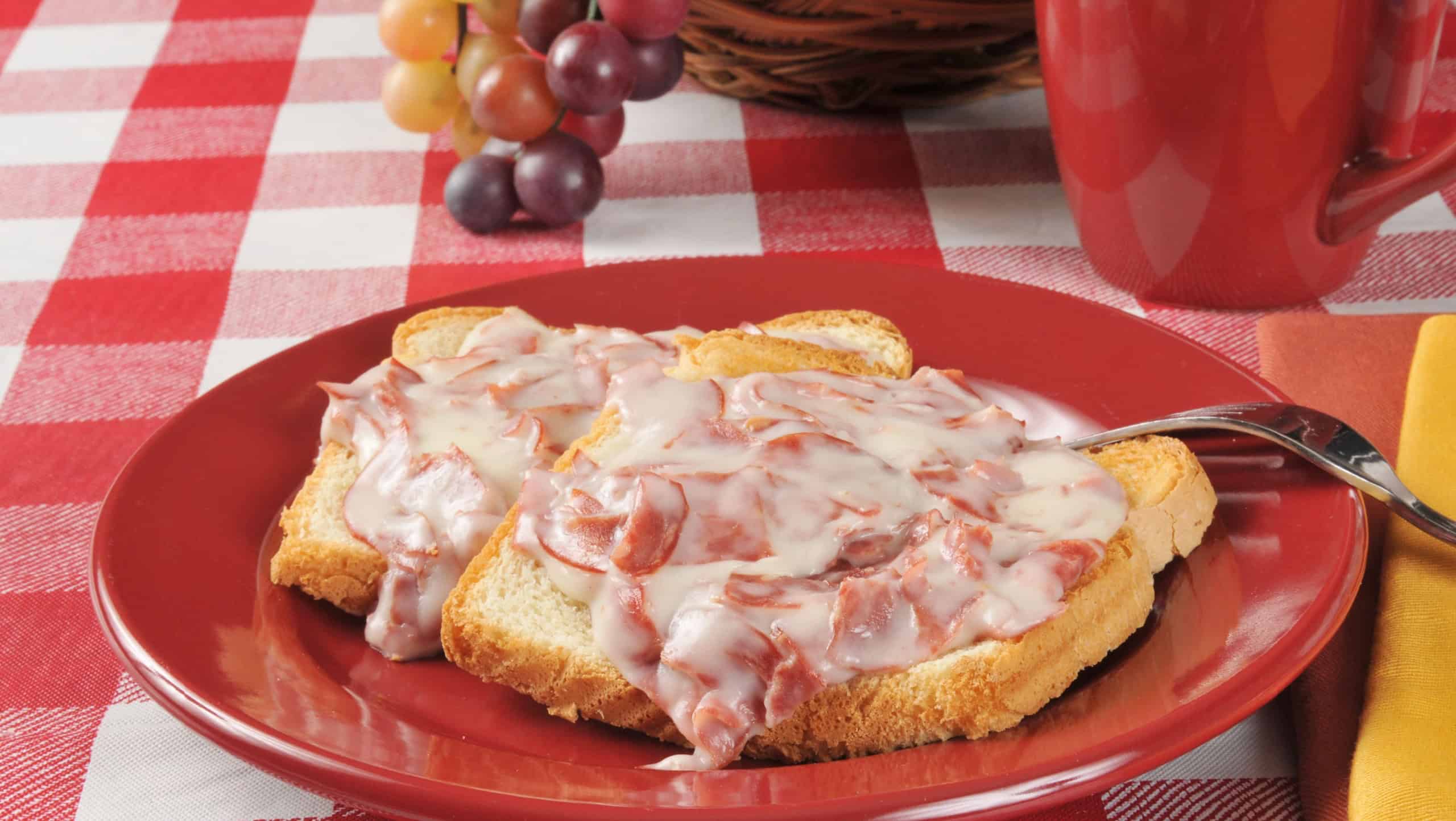
The most renowned use of chipped beef was in American military meals. When served over toast in a white gravy, soldiers had many names for it. Home cooks prepared similar dishes, which were occasionally served between slices of bread or piled on toast as an inexpensive, hearty meal. Salt-cured beef and heavy cream gravy were tasty concessions to an era unconcerned with the aesthetics of lunch.
Bologna and potato chips

Bologna sandwiches have not vanished completely, but the traditional type that many Boomers recall has become far less common: cheap white bread, mayo or yellow mustard, thick slices of bologna, and a pile of potato chips crushed onto the sandwich for texture. Some cooks fried their bologna first, topping it with American cheese. It was affordable, fast, and needed minimal cooking.
Banana and mayonnaise

Banana sandwiches were once quite common in regions of the American South where slices of banana were tucked between slices of soft white bread smeared with mayonnaise. The salty, tangy mayo helped offset the sweetness of the fruit; versions with peanut butter were also popular. It was cheap enough to be an everyday lunch food, and easy enough for kids to prepare on their own.
Sources: Please see here for a complete listing of all sources that were consulted in the preparation of this article.
Like our content? Be sure to follow us.
14 old-school phrases that deserve a comeback

Some old school sayings were pretty weird but did a brilliant job of getting the point across, and here are fourteen that deserve a comeback.

