

These places will make you stop and stare at the line between life, history and nature.
Ilha da Queimada Grande, Brazil
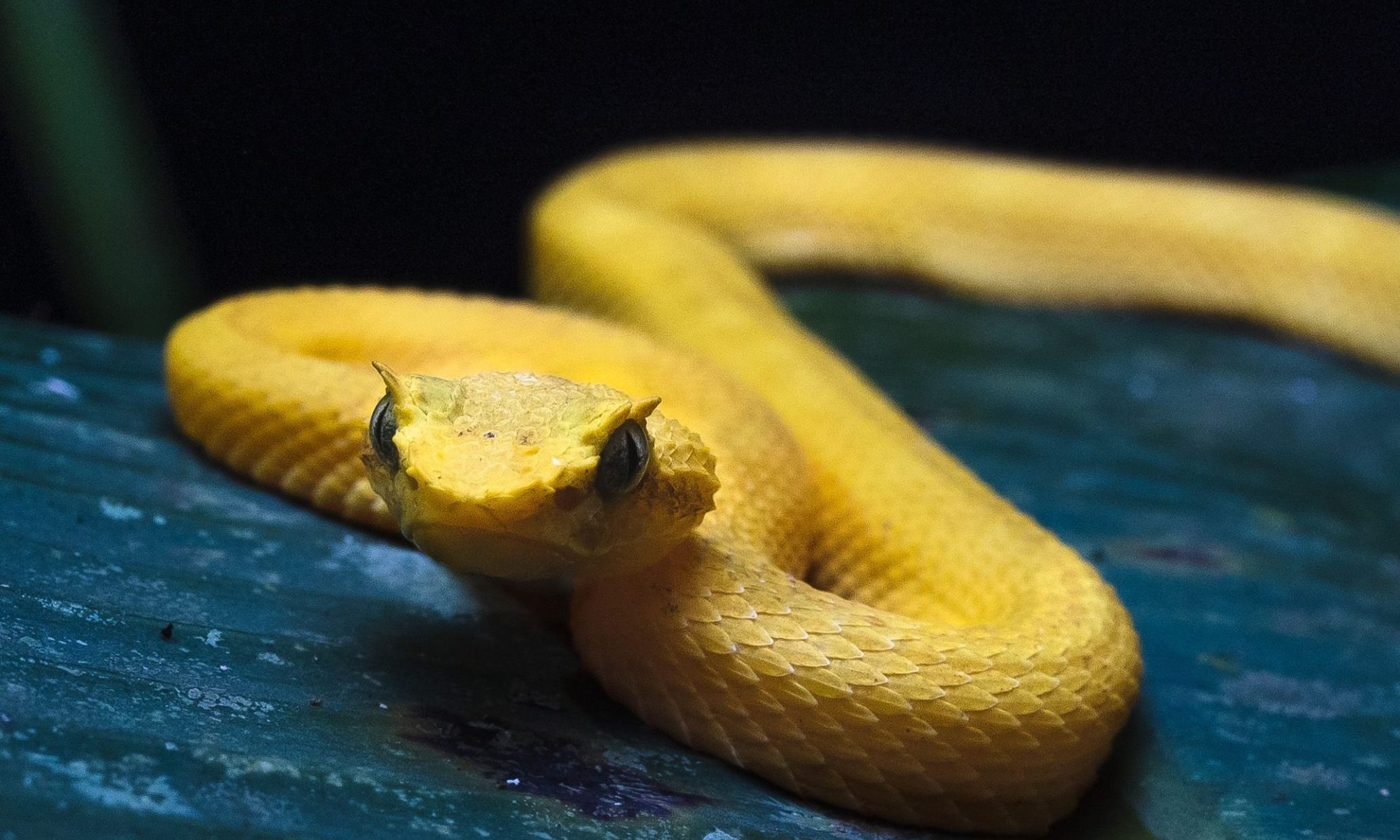
Snake island (Ilha da Queimada Grande) is located near Sao Paulo, Brazil. The golden lancehead is what you will find on this island. This snake is extremely poisonous and only lives on this island. There are very few people allowed to step foot on the island due to all of the snakes that live there.
The golden lancehead’s diet is predominantly composed of birds. They have lived on this island for many years and have grown to be different from their mainland counterparts.
It’s widely said that you’d find thousands of snakes within a single square inch of the island. This might be accurate or not, but the island certainly teems with snakes.
Dargavs, the City of the Dead, Russia
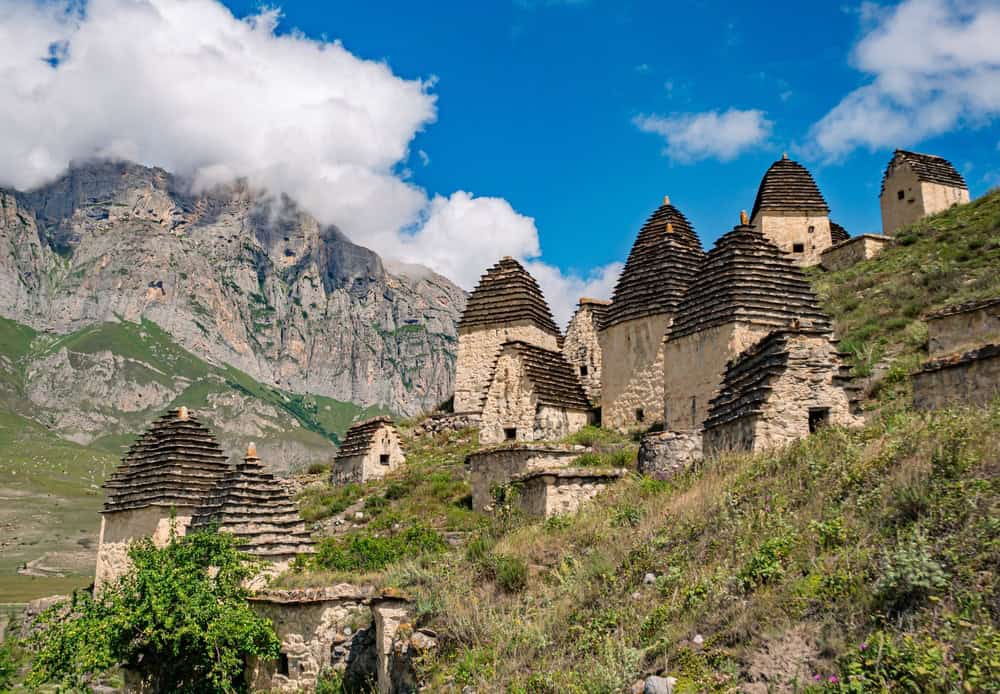
Located in North Ossetia, this small village lies deep within a mountainside. With so many crypts spread across the land, it’s no wonder it’s referred to as the City of the Dead. Nearly a hundred tombs are situated on this site, holding the deceased from long ago.
Many of these crypts have what appear to be wood boat-like coffins inside them. These have been believed to represent crossing over to the other side when you die.
It’s said that a sickness is tied to the town’s history, and the widespread belief is that the villagers once walled themselves into the burial sites.
Centralia Underground Coal Fire, Pennsylvania, USA
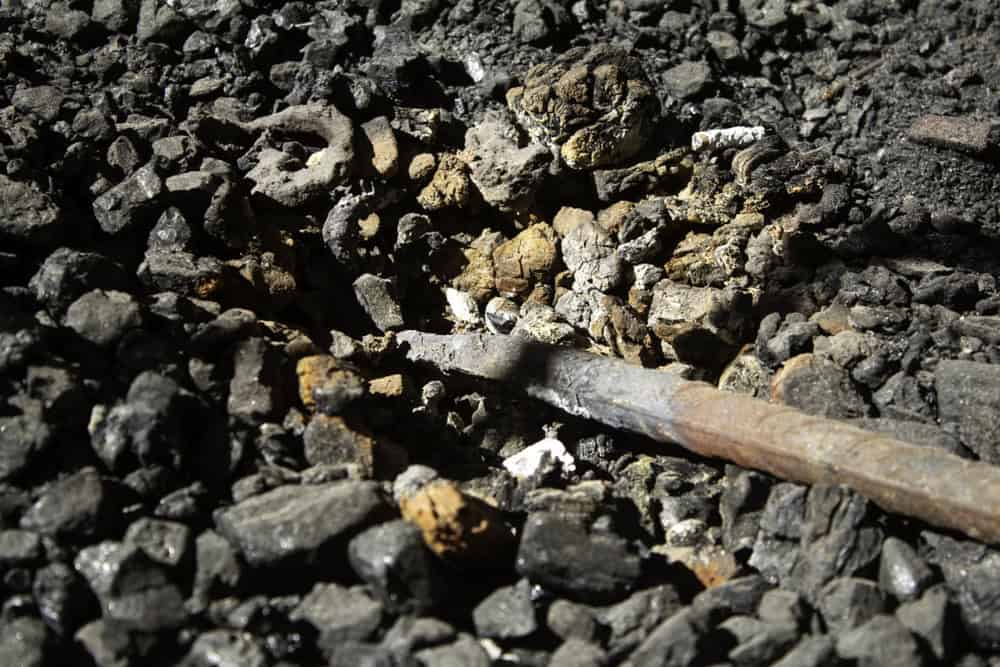
In 1962, Centralia experienced a minor fire that originated in a garbage disposal area. It quickly grew to take hold of the underground coal mine. This underground blaze has been raging for more than six decades.
Toxic fumes were released from the mine, land became unsafe to walk on and roads began to crack and collapse. Many people fled the town. Road 61 was shut down because it caved in under the earth. In 2003, Centralia lost its zip code.
With the fire still smoldering below, the town remains one of the eeriest deserted spots in the US.
Lake Natron, Tanzania
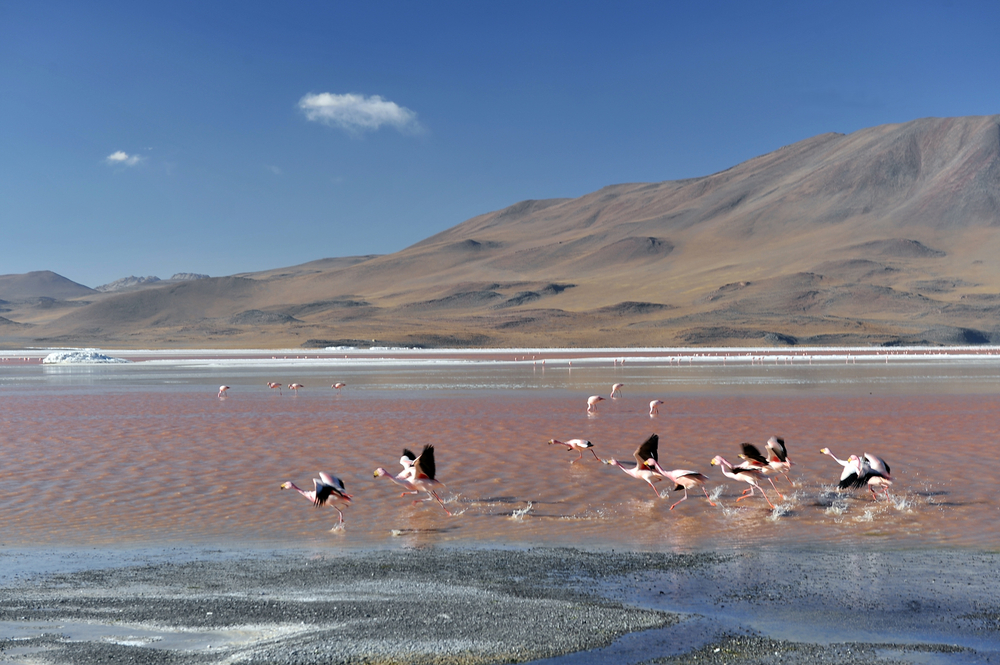
Located in northern Tanzania is Lake Natron which has some of the harshest conditions for animals to live in. Because it’s so alkaline and full of salt, some believe it’s one of the most dangerous lakes in the world. It gets its unusual properties from the volcano nearby called Ol Doinyo Lengai.
When pictures were taken of this lake, they showed birds and bats looking as if they were turned into stone. Many people actually believed that they were turned to stone but scientists have debunked that theory. When these animals die on the shore of the lake their bodies build up salt from the water and turn to look like rock.
This is home to many flamingos because they are able to breed here. The shallowness of the water aids their feeding and keeps their nests safe from predators.
Poveglia Island, Italy
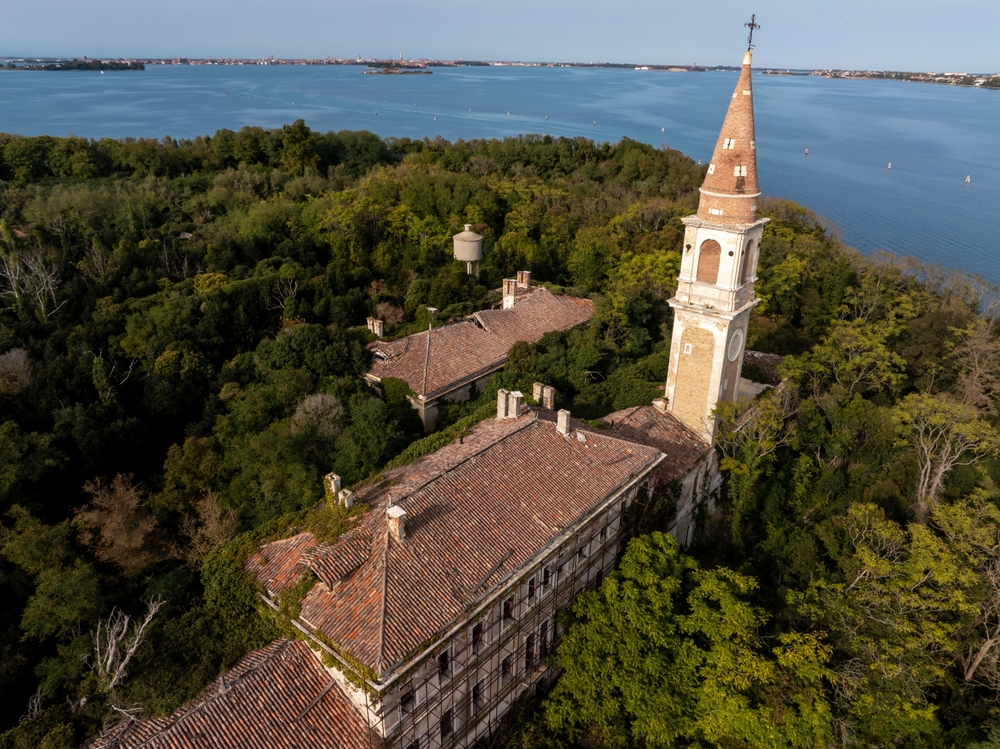
This island lies off the coast of Venice, Italy, and is known for being home to many terrible things that occurred over the years. It served as a plague and disease quarantine station. Hospitals also stood on this island right up until 1968.
Many believe that this island is haunted due to the fact that there were thousands of plague victims buried here. Ghost sightings have been reported on this island as well. There’s a persistent rumor about a physician who subjected people to torment before leaping from the bell tower. Many of these stories may just be myths but either way it’s creepy.
The Capuchin Catacombs of Palermo, Italy
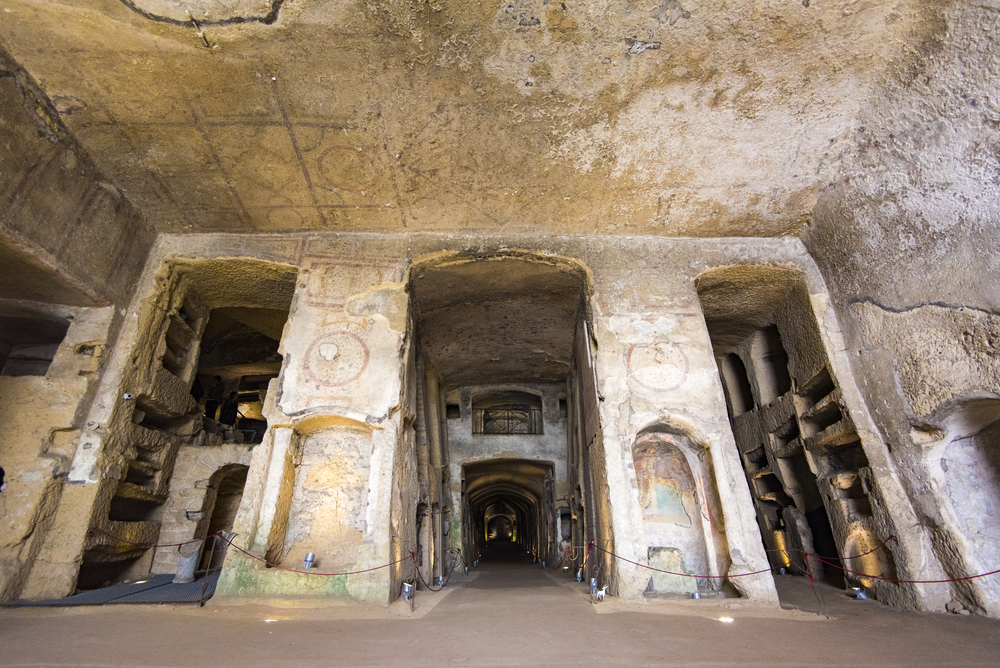
Located underneath a Franciscan monastery in Palermo, Italy are the underground catacombs of the Capuchin monks. Thousands upon thousands of naturally preserved bodies line the pathways of these underground catacombs.
The underground cemetery was developed during the late 1500s. The first person buried there was a Capuchin monk named Silvestro da Gubbio in 1599.
During the early years of development, the first 45 bodies exhumed from the cemetery underwent natural mummification. To prevent decomposition, the friars began preparing and displaying the bodies. Later, prominent residents of Palermo were permitted to be interred in this crypt and undergo the identical preservation method.
Typically, the process involved letting the body dry out in a specially made room. From there they would wash, dress, and arrange the body in its crypt. Perhaps the most renowned mummy on display is Rosalia Lombardo. She was a two-year-old child who died of pneumonia in 1920. And today she is referred to as the “Sleeping Beauty of Palermo”.
The Door to Hell, Darvaza, Turkmenistan
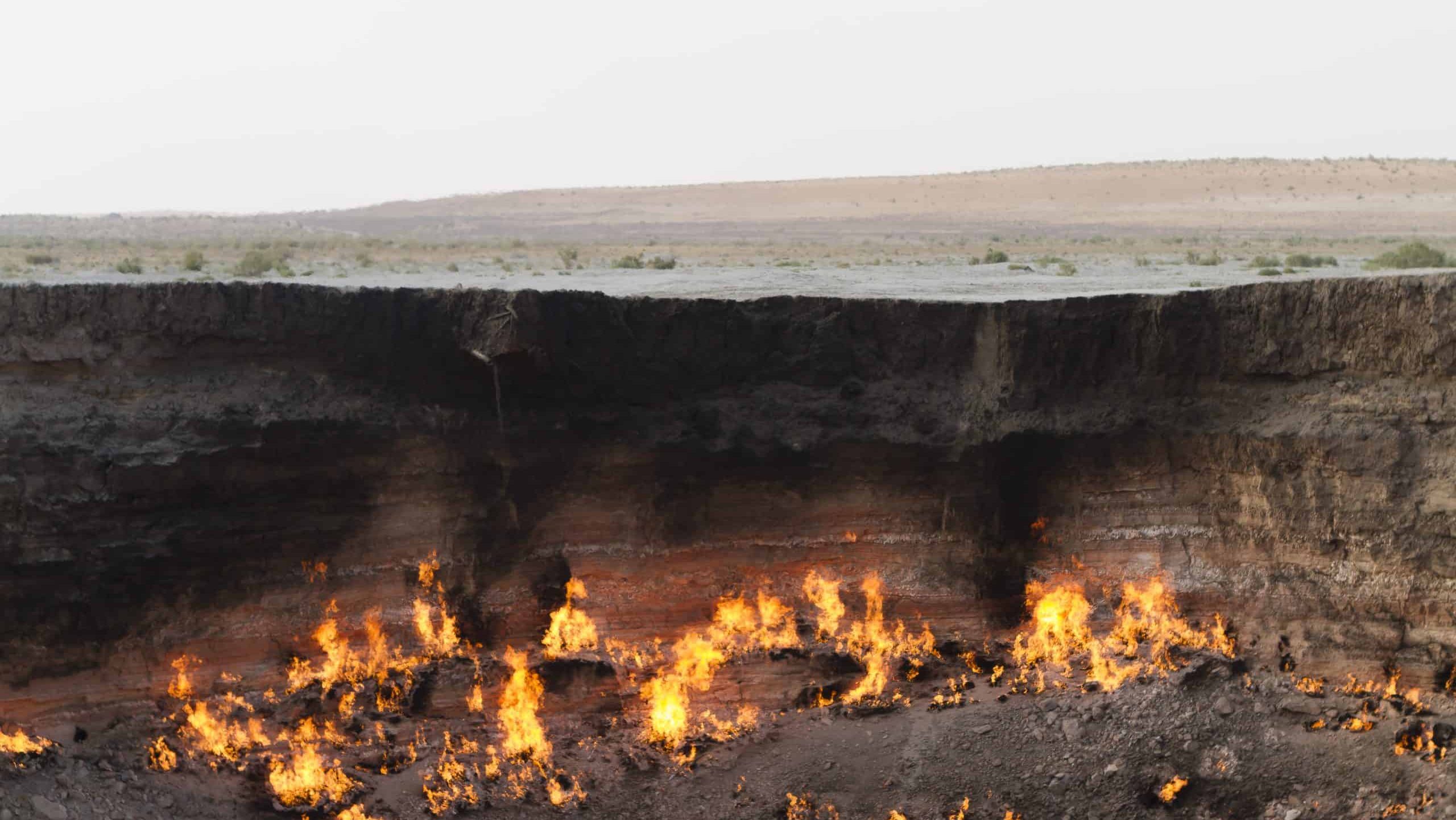
Turkmenistan’s “Door to Hell” is a massive crater full of burning gas located in the country’s Karakum Desert.
According to reports, Soviet drilling caused the ground to cave in over a methane gas-filled cavern. Engineers set fire to the gas so that methane wouldn’t leak into the surrounding environment.
However, there is some debate as to how the Door to Hell actually came to be. Research suggests that the crater was actually formed in either 1963 or 1971 and that the flames didn’t actually catch until late 1987 or early 1988. And the crater itself measures around 60 to 70 meters across.
Even though it’s still letting methane into the atmosphere, some people reckon the flames of this “Door to Hell” aren’t quite as intense as they once were.
Nagoro Doll Village, Japan

Artist Tsukimi Ayano brought hundreds of handmade dolls to life in Japan’s remote Iya Valley. As population levels dwindled in Nagoro, Ayano started creating dolls to replace her neighbors who had died or left to live elsewhere. She also made dolls that look like her relatives who used to live in the village.
Now dolls occupy ordinary locations throughout the village, from bus stops and fields to houses and Nagoro’s abandoned school. According to a National Geographic report, Ayano’s doll count exceeded 350. Yet there were fewer than 40 actual people left living in Nagoro.
Needless to say, Nagoro now looks like a village that’s haunted by dolls.
Sedlec Ossuary, Czech Republic
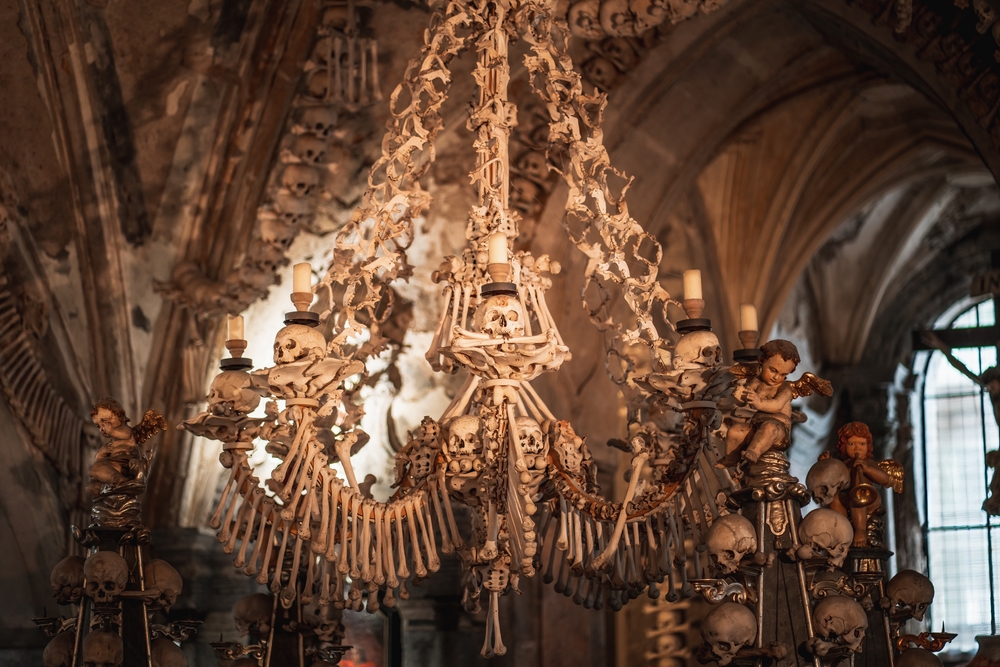
Hidden beneath the Cemetery Church of All Saints in Sedlec lies a small chapel adorned with the bones of thousands of people. It’s estimated that the ossuary is connected to around 40,000 to 70,000 human remains.
Many of the bone decorations you see today were made by František Rint. By 1870, Rint’s impressive bone arrangements were finished, thanks to funding from the Schwarzenberg family for the ossuary’s upkeep. His pieces include the enormous chandelier made of human bones, as well as the ornate Schwarzenberg family crest.
The intent behind these bone arrangements wasn’t solely to be a grim curiosity. They were intended to remind visitors of religious themes such as mortality, resurrection, and eternal life.
The Hanging Coffins of Sagada, Philippines
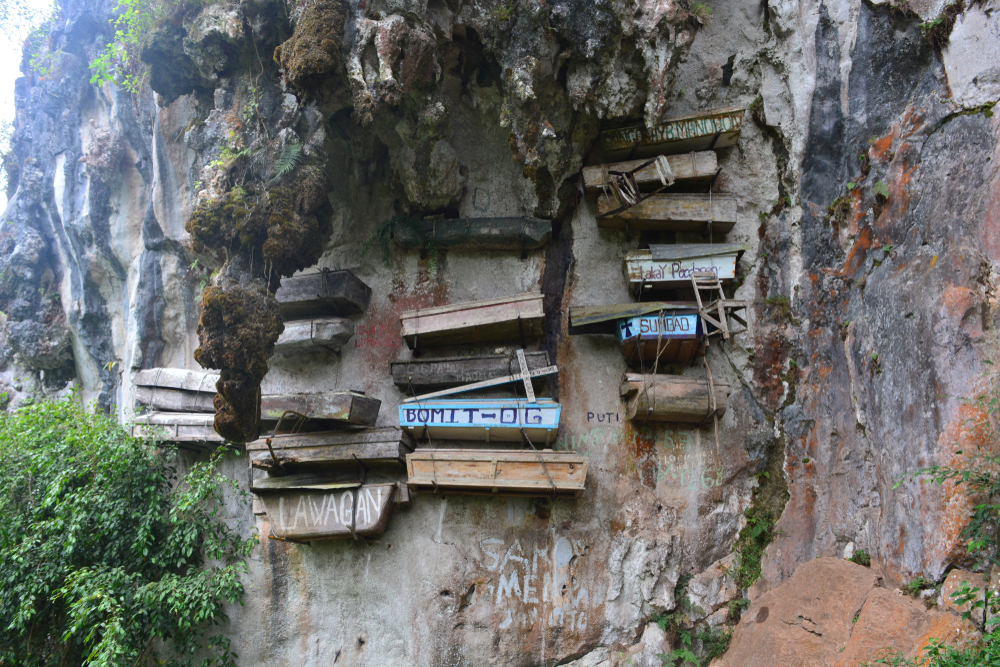
Mountain-town Sagada has a history of placing coffins on cliffs rather than burying its dead below ground. This indigenous Kankanaey tribe believed that it would bring their loved ones closer to their ancestors.
You can still spot these coffins on cliffsides around Sagada. Attached to the limestone cliffs, the wooden coffins lend Sagada a distinctly eerie cultural character.
Although this tradition has been observed for hundreds of years, it is hard to get used to seeing them.
Sources: Please see here for a complete listing of all sources that were consulted in the preparation of this article.
Like our content? Be sure to follow us.
10 places in America that are said to be cursed
The advice in some American locations is the same, and it’s to enjoy yourself, but make sure you don’t annoy whatever’s supposed to be living there.

