

Over the years, some pretty important people have disappeared from history textbooks because somebody in charge decided they didn’t need to be there anymore, despite their contributions to history.
The revolutionary Stalin wanted forgotten
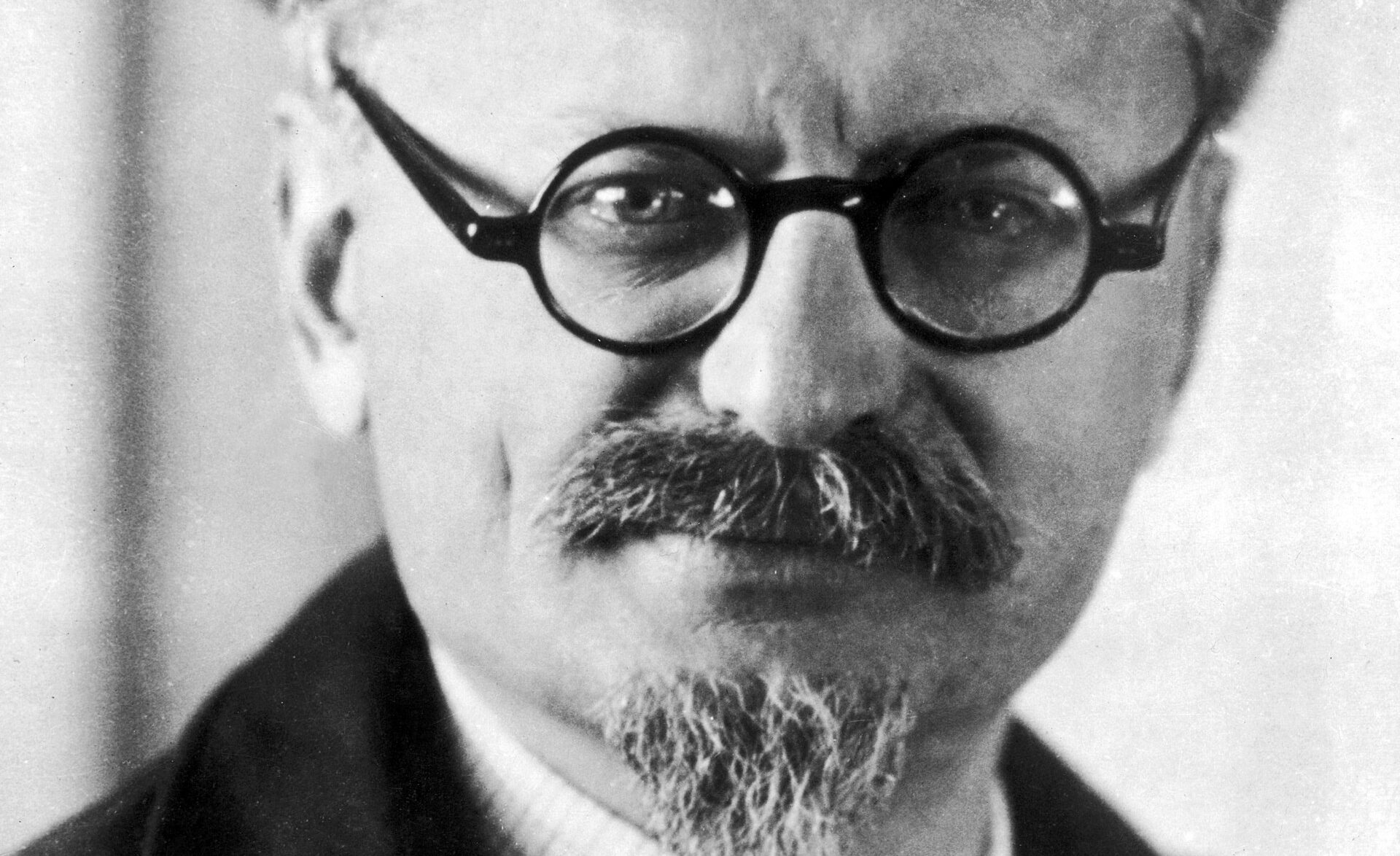
Leon Trotsky was one of the men who helped with Russia’s Bolshevik Revolution in 1917. He even helped to create the Red Army. So, you’d think that he would have a permanent place in Soviet history books, but the opposite happened. Joseph Stalin believed Trotsky was a political rival and had him kicked out of the Communist Party in 1927.
Stalin’s government then tried to rewrite history by making Trotsky’s achievements seem much smaller, removing him from official accounts. Stalin even had photographs changed to remove Trotsky from them. This was before Photoshop was a thing, so it wasn’t exactly an easy job.
The dictator erased from Iraq’s schoolbooks
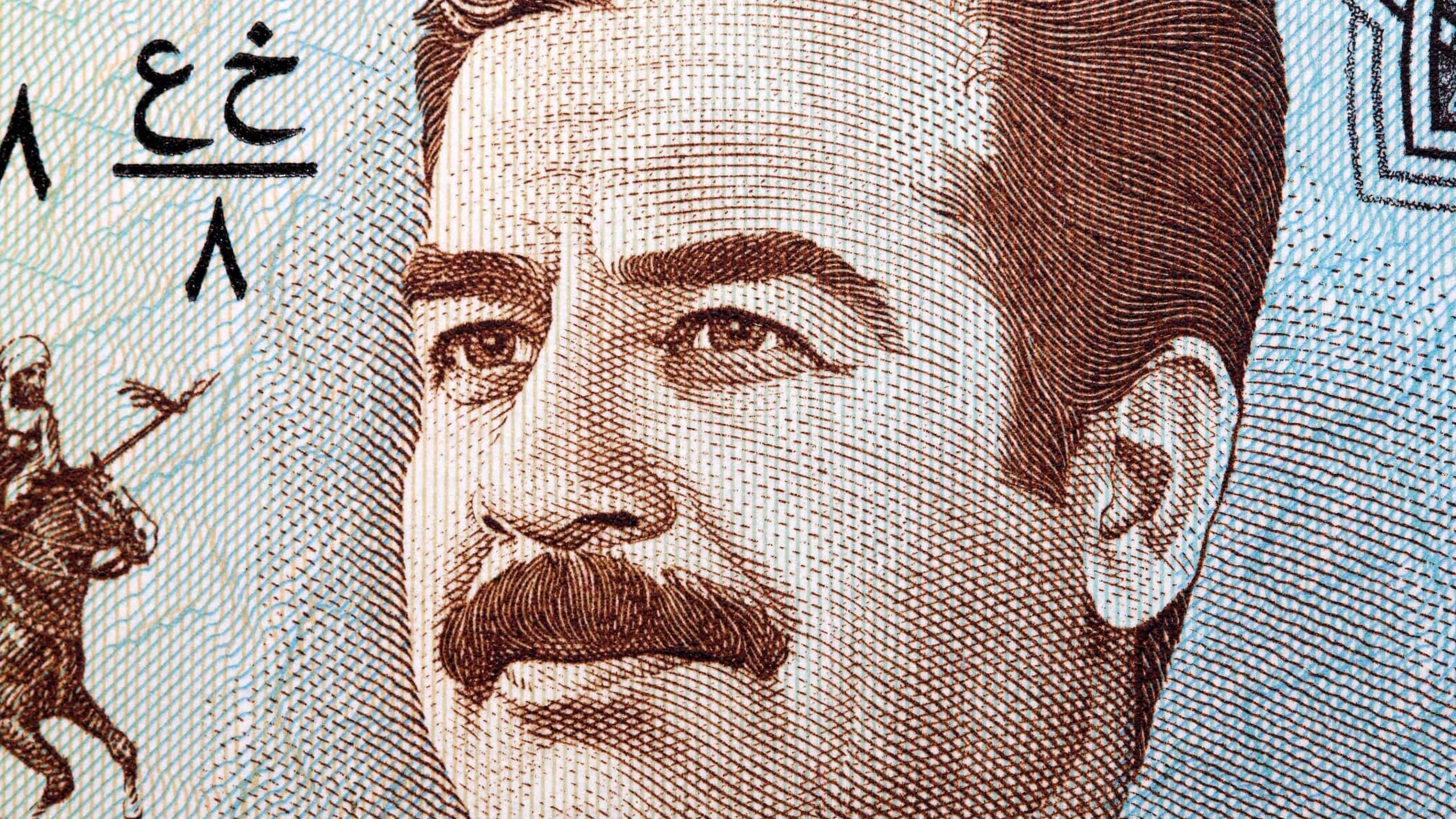
Iraqi students were used to opening their school textbooks and finding pages dedicated to praising their country’s leader, Saddam Hussein. His photographs and speeches appeared throughout their lessons. Then his government collapsed.
After it fell apart in 2003, schools began removing all that praise, and some teachers even tore out pages. They also covered up passages with Saddam and removed references to his government. Even new books tried to remove him from history, despite him ruling for 24 years.
The dictator cut from Italy’s history lessons
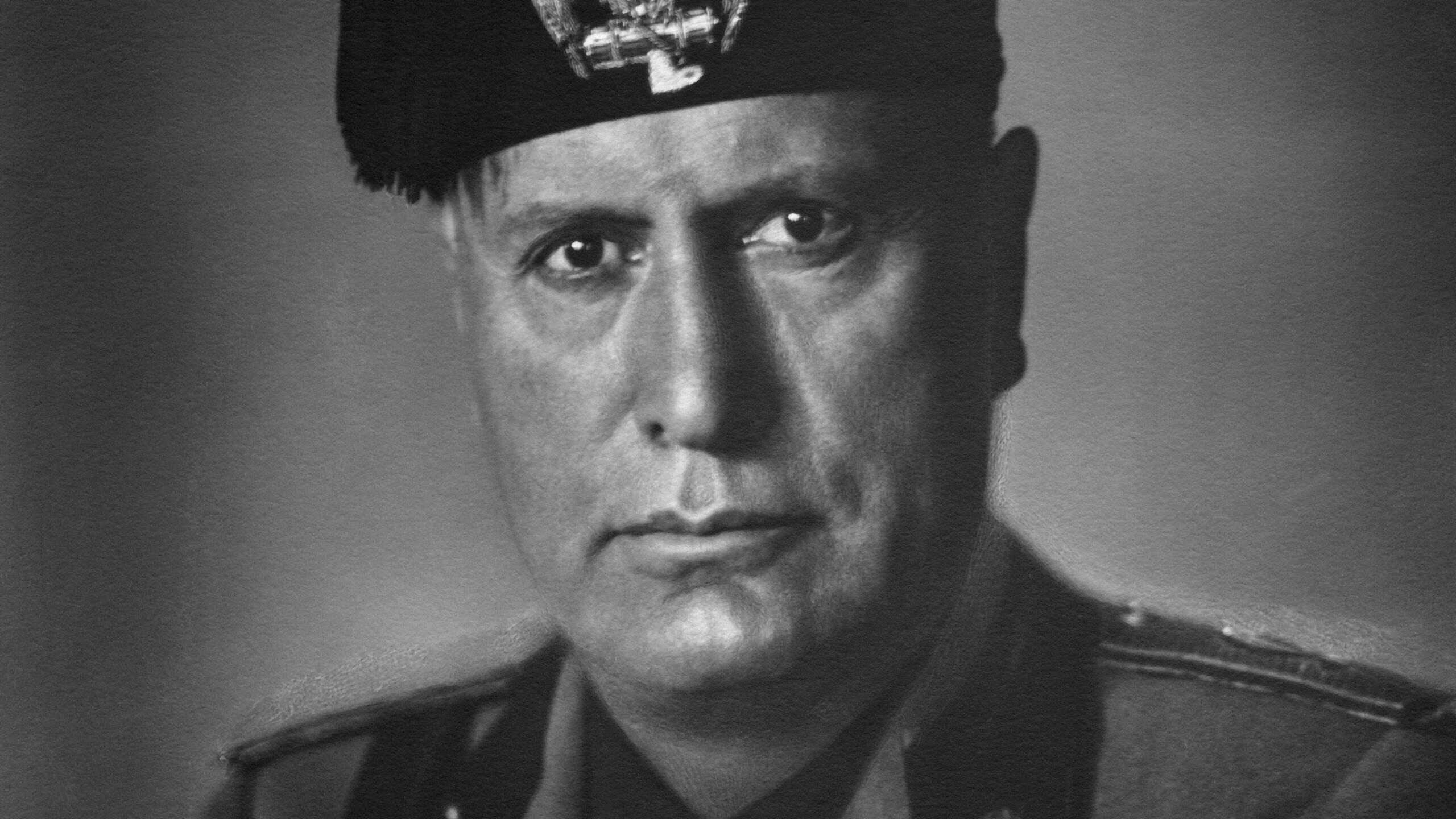
Between 1922 and 1943, Italian schoolchildren heard quite a lot about Benito Mussolini. He was running their country, after all. His Fascist government made sure to paint him in a rather flattering way, but then after World War II, things changed.
Italian schools decided to remove references to Mussolini and Fascism from school materials. In fact, some history courses barely covered anything after World War I. It took until the 1960s for Mussolini and more recent Italian history to finally reappear in lessons. That’s quite a few years missing.
The man behind Europe’s recovery

It sure was difficult getting Europe back on its feet after World War II. George C. Marshall played a big part in it, and he proposed something called the Marshall Plan to do that. He’d previously served as the U.S. Army’s Chief of Staff during the war before becoming Secretary of State.
In 2018, Texas proposed removing him from the required history standards, and the decision became final that November. The rule change took effect in 2019. Ironically, students still have to learn about the Marshall Plan, but they’re not made to learn about Marshall himself.
The president whose name disappeared from a military victory

Once upon a time, Egyptian schoolchildren used to learn all about Hosni Mubarak. He helped lead the nation in its October 1973 war against Israel, with Mubarak commanding the Egyptian Air Force during the conflict. So, it figures the textbooks had a lot of praise for him.
In 1981, he became president, and his role became more important. Then came Egypt’s 2011 revolution, and Mubarak was forced out of the government. That’s when the schoolbooks changed. While Egyptian students still learned about Egypt’s victory, they no longer learned about Mubarak.
The Crusades-era leader removed from Egyptian school material

That’s not all for Egypt. You’d think that someone like Saladin would have a secure place in Egyptian history lessons. He helped defeat a Crusader army at Hattin in 1187 and also recaptured Jerusalem that same year. It was quite the achievement.
However, in March 2015, Egyptian education officials reviewed school materials that included stories about him. Their reasoning was that teaching about Saladin could encourage extremism or violence, so they removed as much of his story as they could.
The Underground Railroad’s missing conductor
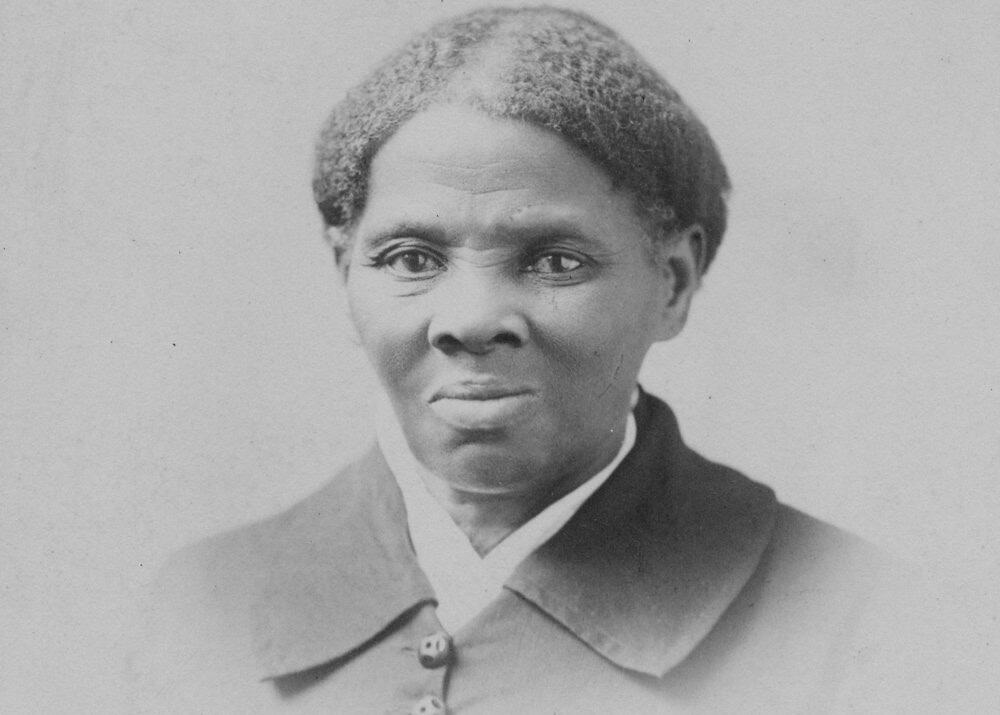
In 1849, Harriet Tubman escaped slavery, yet she kept returning to Maryland to help free other slaves. She worked with the Underground Railroad to help enslaved people escape, eventually becoming one of America’s most famous abolitionists. But students during the Jim Crow era learned very little about her.
Southern groups encouraged publishers to produce textbooks that played down how cruel slavery was. They also told the publishers to leave out important Black historical figures like Tubman, and she was left out of many history books for several years.
The abolitionist pushed out of history
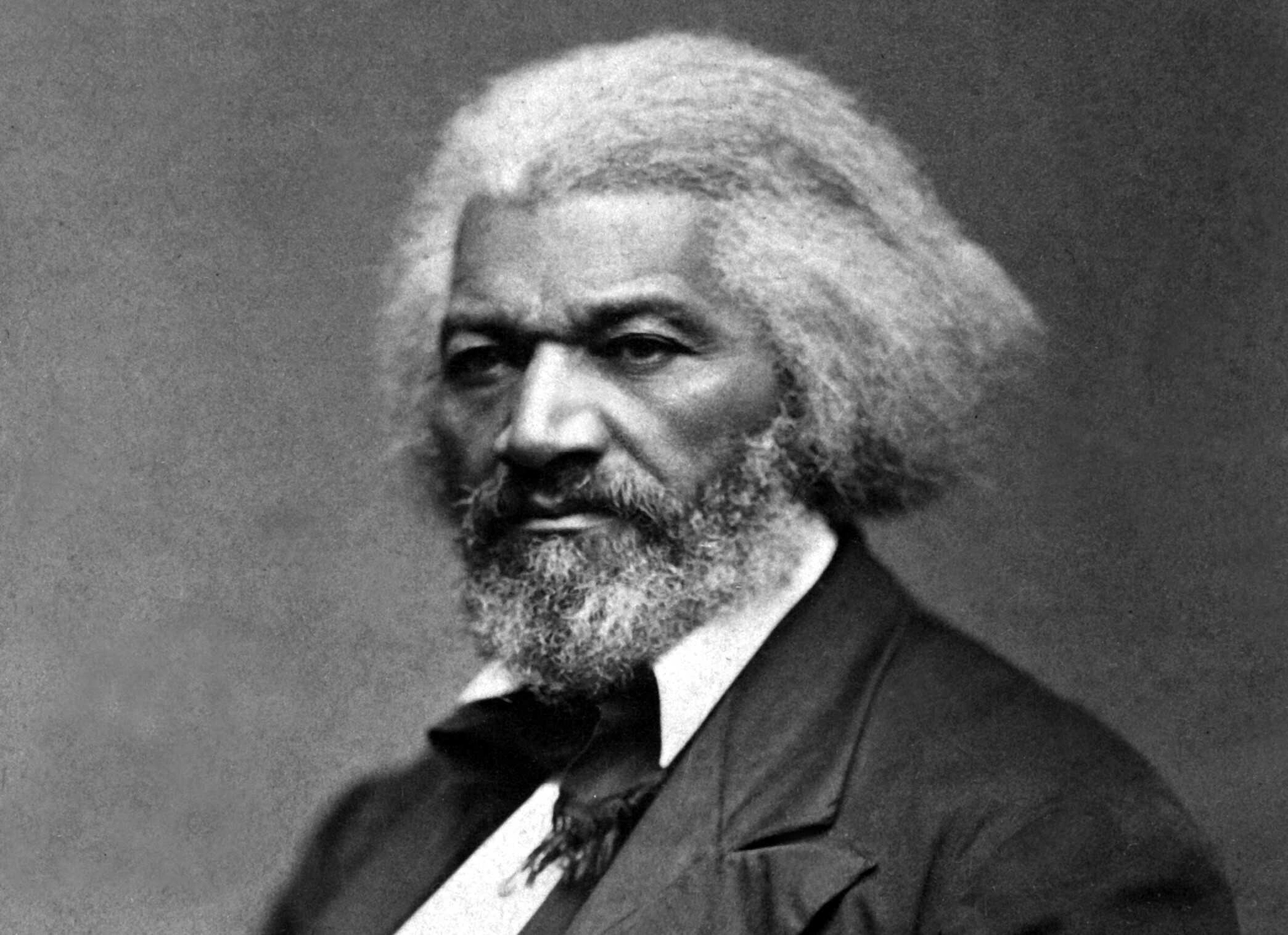
Frederick Douglass received similar treatment to Tubman. He managed to escape slavery in 1838 and published his autobiography in 1845. He also spent decades campaigning for equal rights, but he was still left out of Jim Crow-era history textbooks.
The earlier schoolbooks did include Douglass, and there was even a textbook from the Reconstruction era that featured his portrait. Yet publishers began supporting a different version of American history that involved pushing Black historical figures to the side.
The civil rights leader removed from legislation

Martin Luther King Jr. was such an important historical figure that he was taught in schools worldwide. Students in Hong Kong used to learn about the American civil rights leader when they were studying civil disobedience.
Things changed in 2014, though, when massive pro-democracy protests took place across Hong Kong. References to King were removed from some lessons about civil disobedience, and by 2020, publishers made further changes. They took away a lot of protest-related material in textbooks.
The Soviet leader erased after losing power

For quite some time, Nikita Khrushchev criticized former Soviet leader Joseph Stalin. He actually gave a major speech condemning his rule in 1956. But then Khrushchev got a taste of something similar to Stalin, as he was removed from power in October 1964.
All references to his own leadership became non-existent in Soviet history books. Students were no longer taught about his time in charge. It took until 1988 for things to change, and for Khrushchev to reappear. That was 17 years after his death.
Sources: Please see here for a complete listing of all sources that were consulted in the preparation of this article.
15 little-known facts on famous historical figures
It’s funny how, with one strange fact, some of history’s most famous faces suddenly seem a lot more human, or in some cases, even stranger.
