Life’s definitely warmer in the South. Unfortunately, it’s not all front porches & sweet tea. Here are ten hard truths to know before you move South, especially to the rural areas. These are according to our Southern readers who answered our poll about complaints they have about living there. Which one of these surprised you?
Featured Image Credit: Shutterstock.
Basements are rare for real reasons

Any Northerners who grew up having a cool basement rec room can forget all about that in the South. In most places down there, digging down involves hitting soggy clay or groundwater, so builders stick to slab foundations instead. They’ll store stuff in attics or garages. As a result, the summer heat will get into your Christmas lights & boxes of keepsakes and could ruin them.
Termites don’t take winters off
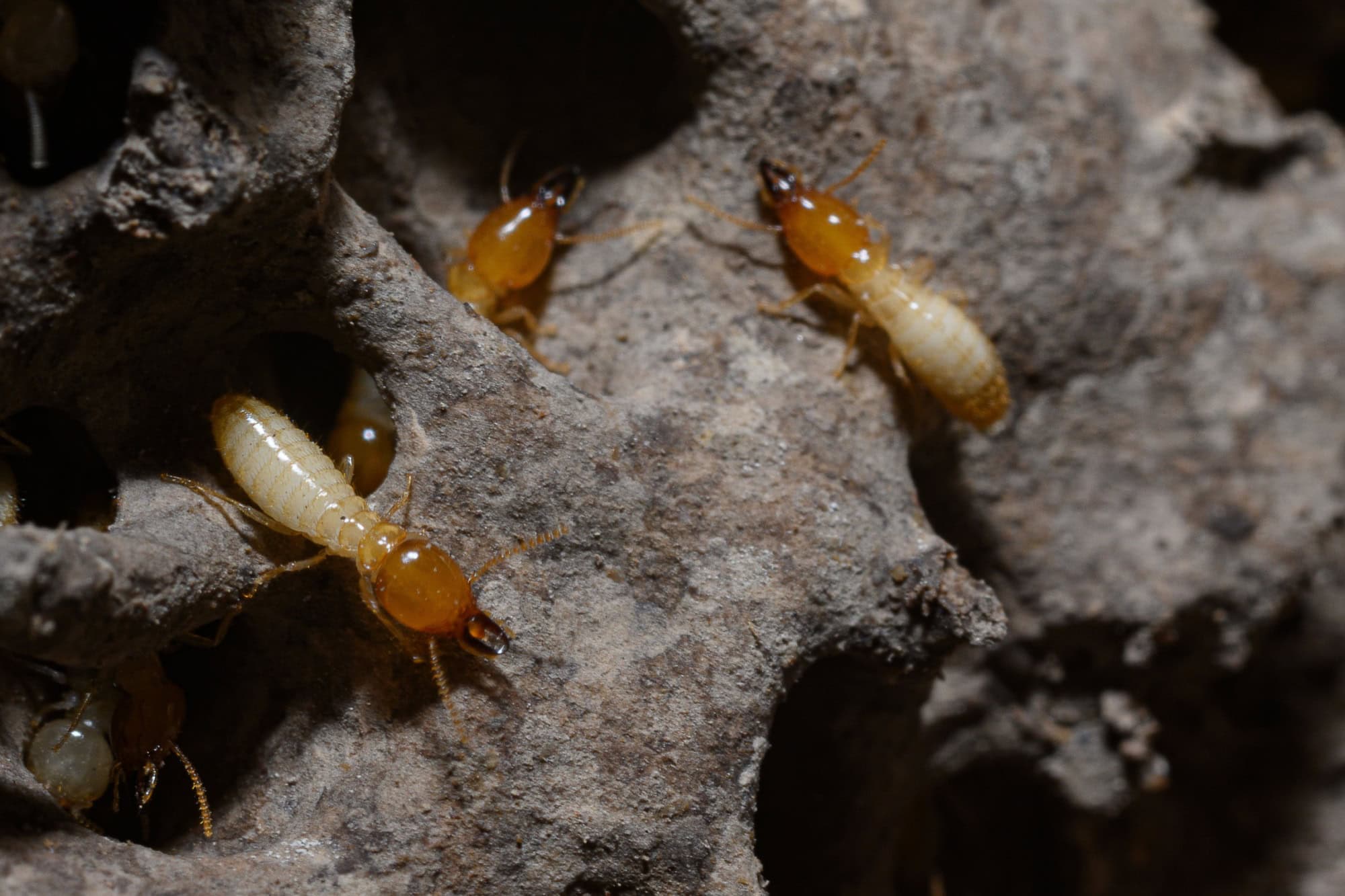
Cold snaps don’t slow down termites here. The colonies chew year-round, and some places have to deal with aggressive Formosan termites that are way worse than in the North. You’ll have to get a termite contract that includes yearly treatments & inspections to protect your home.
HOAs are everywhere in new suburbs

Yes, HOAs do exist in the North, but they’re far more common in the South, and practically every new neighborhood comes with a homeowners association. Their rules can be strict. These include limits on mailbox designs & lawn length, even rules on what color you can paint the front door.
A car is usually the only practical option

Don’t count on public transit outside of the bigger cities in the South. Small towns may not even have sidewalks past the main drag, and while rideshares work in the evenings, they vanish once it gets late. Whether it’s a trip to the doctor or the grocery store, it’s usually a thirty or forty-minute drive. It’s even worse when you’re out in the sticks.
Rural broadband can still be patchy

There’s no doubt that the South is big. But some people don’t realize how big it is, as driving twenty minutes outside some towns could mean you lose internet entirely. Plenty of rural areas still rely on DSL or satellite, although fiber builds are happening. Anyone looking to do remote work in the South is going to have some issues.
Prisons and prison labor are a big part of life
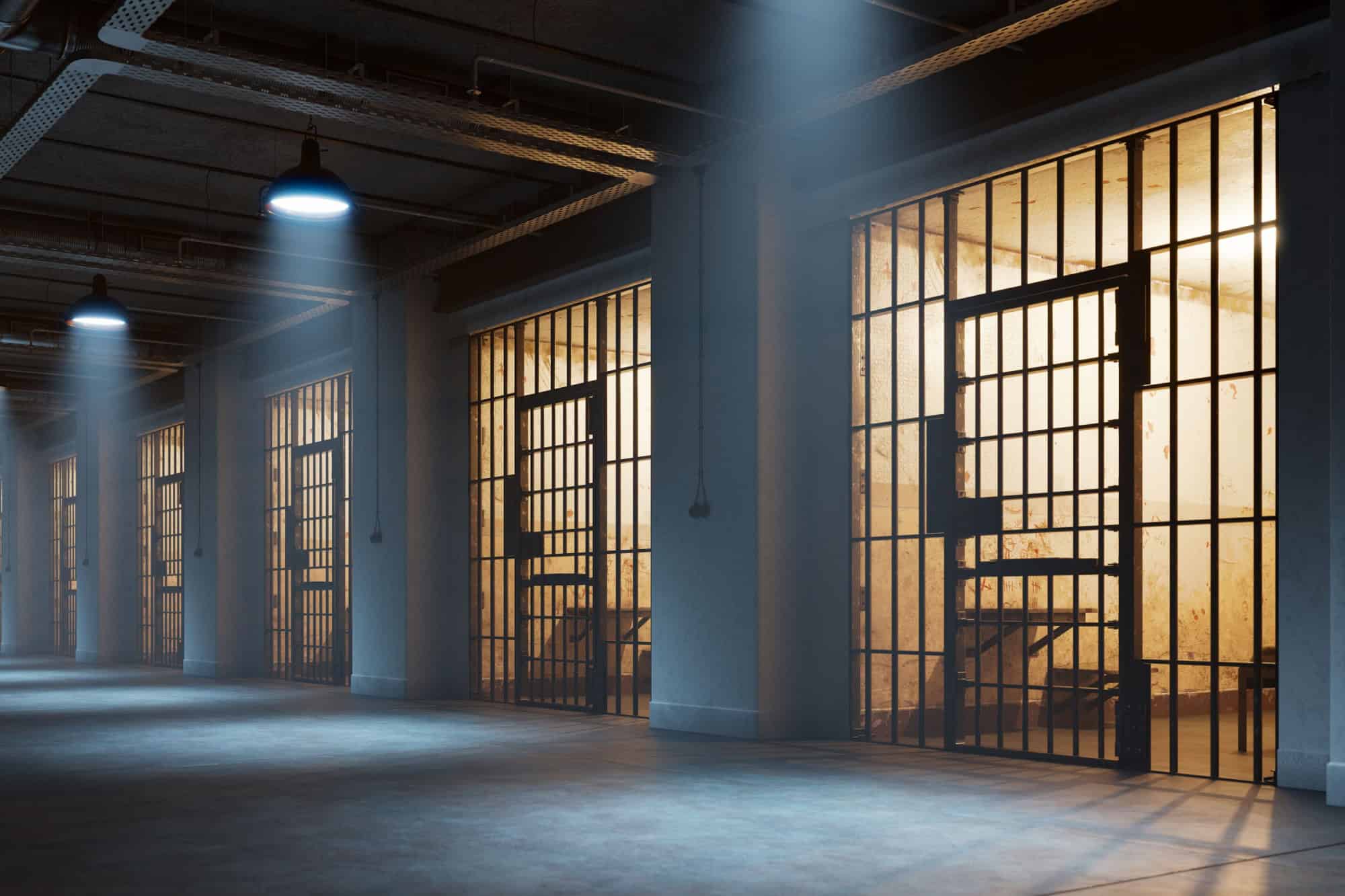
Correctional facilities are huge in the South, and you’ll see razor wire on the edge of many small towns. In some places, there are work crews in orange vests mowing grass along the highway with a deputy standing nearby. It’s quite in-your-face. And that can make you feel rather uncomfortable.
Poverty is visible in a lot of small towns

Sadly, many rural downtowns never bounced back. They still have empty storefronts with boarded-up windows, as well as rusty old gas stations. Some places only have a dollar store for groceries. Unfortunately, work is often limited to logging & service jobs. It’s a harsh reality that most people aren’t prepared for.
Healthcare access can be a serious struggle
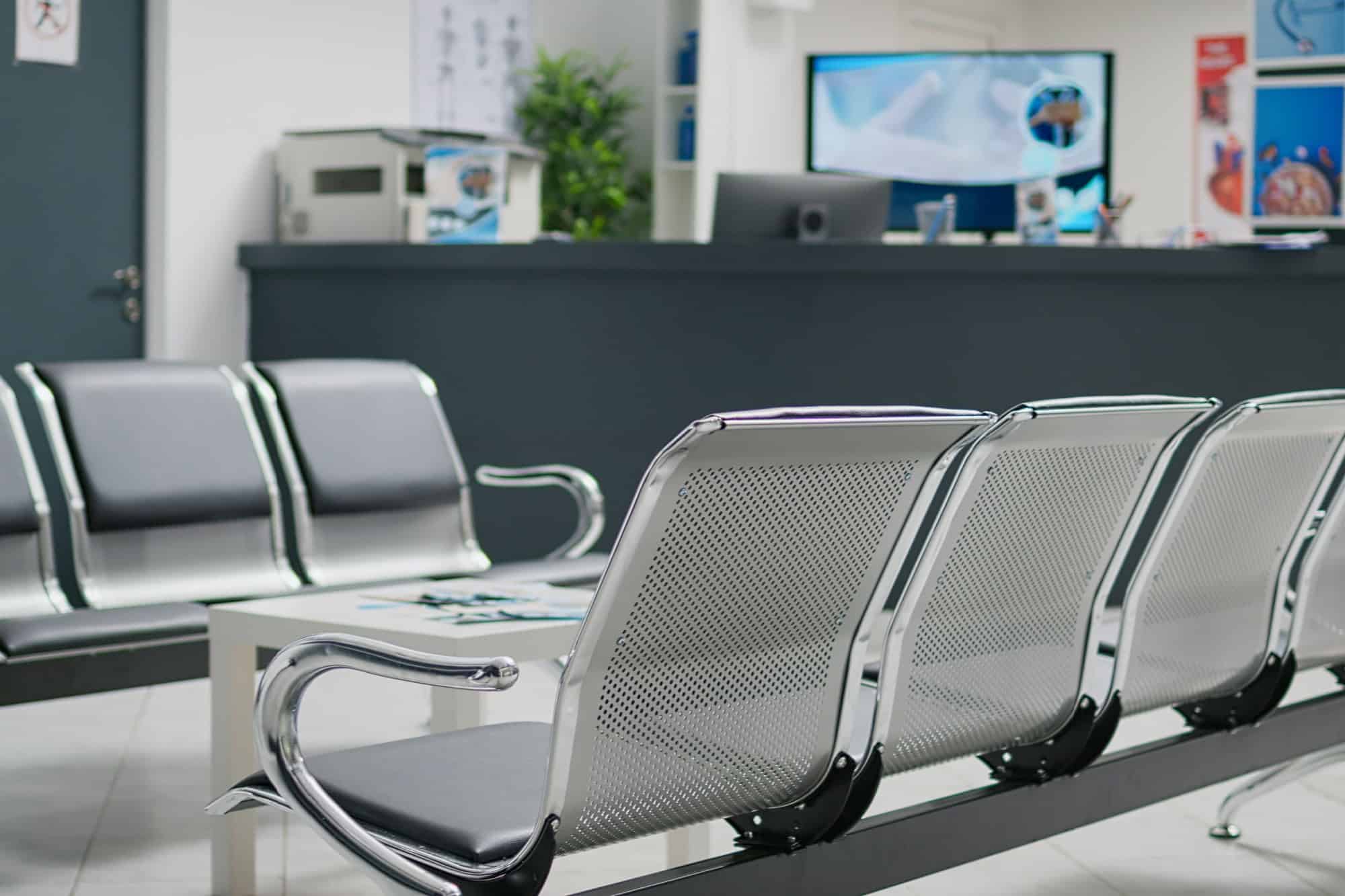
Anyone used to urgent care on every corner will find this hard. In quite a few rural counties, the local hospital shut down years ago, so you can expect long trips for basic appointments & even longer for specialists. Ambulances may take 20–30 minutes to arrive. As for maternity wards, they’re disappearing quickly and leaving entire regions without one.
Infrastructure fails often and repairs take forever
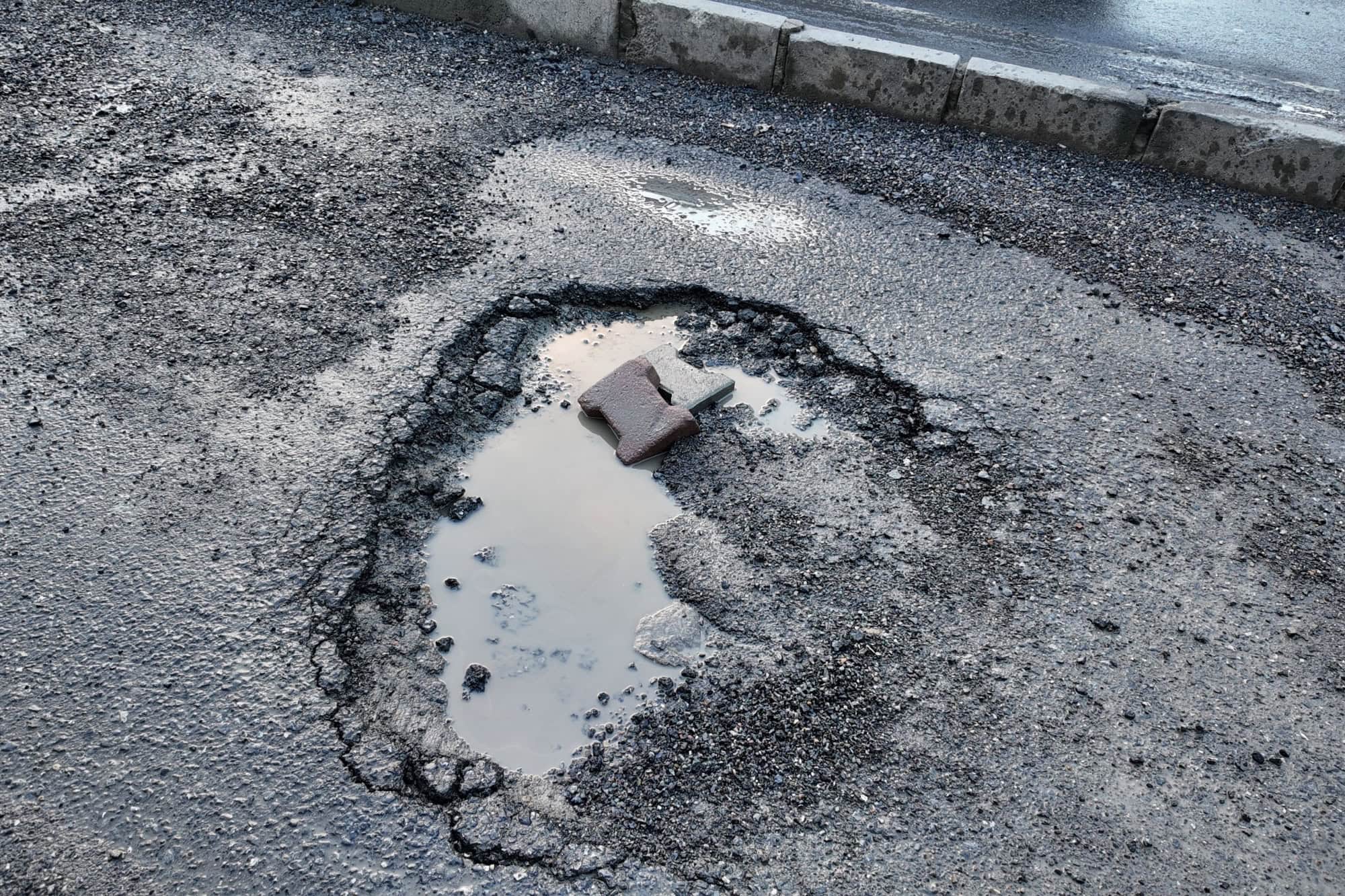
Breakdowns in basic systems happen a lot in the South. Bridges close & potholes ruin cars, and sometimes, neighborhoods sit with boil-water notices for weeks. That’s exactly what happened in Jackson, Mississippi. Smaller towns deal with the same issues more often than you’d think.
Education outcomes trail the rest of the country

Schools across much of the South are fighting an uphill battle, mostly due to teacher shortages. Classrooms sometimes have 30 students with outdated books & parents are forced to cover the gaps with tutoring. Even ACT and SAT averages usually land well below national numbers. That’s quite the shock for families who just moved in.
Like our content? Be sure to follow us.