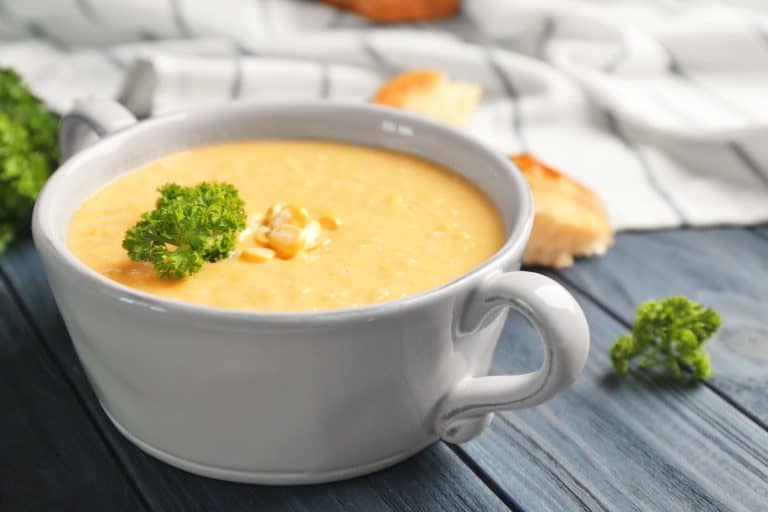

Think back to an earlier time, before endless supermarket aisles and takeout menus. Families across America leaned on a handful of foods that showed up nearly every day. They weren’t anything fancy, just cheap and dependable meals that got the job done. Slowly, with new options and changing habits, many of them disappeared from the daily routine. They haven’t vanished completely, but they’re no longer as common. Let’s revisit ten of these lost staples.
Featured Image Credit: Shutterstock.
Lard on bread

People spread lard on bread in much the same way that we might smear butter or mayo. Cheap, high in calories, it helped stave off hunger through a long day of work. Seasoned with a pinch of salt, or perhaps some herbs, it was especially common in working-class families who could rarely afford butter.
Scrapple

Scrapple was a common breakfast food in parts of the country, especially in Pennsylvania. It’s made from pork scraps that are mixed with cornmeal and spices. The mixture is formed into a loaf and fried until crisp. It was a way of using every last bit of the pig in many families. Scrapple can still be found in Amish country, but most Americans have never even tried it.
Boiled dinner

The name doesn’t exactly roll off the tongue, but a boiled dinner was a Sunday meal through much of American history. It was usually made with beef or ham, cabbage, and root vegetables. The broth would be served as soup, while the meat and vegetables made up the plate. It was one way of stretching one cooking pot into a number of meals.
Cornmeal mush

Cornmeal mush was eaten for breakfast, hot and mushy in the morning, or sliced and fried later in the day. It was cheap, simple, and filling enough to last until lunch. Many farm kids ate it for breakfast every morning of their childhood. You’re unlikely to find it outside of a few Southern or Appalachian kitchens these days.
Codfish cakes

Salt cod, a preservative-free way to keep fish around for days or weeks, was in nearly every household. When it was time to cook it, the fish was soaked to rehydrate, and mashed with potatoes to make codfish cakes that could then be fried crisp. They could be seen on the dinner table several times a week. They’ve since been replaced by frozen fish sticks and other processed seafood products.
Dandelion greens
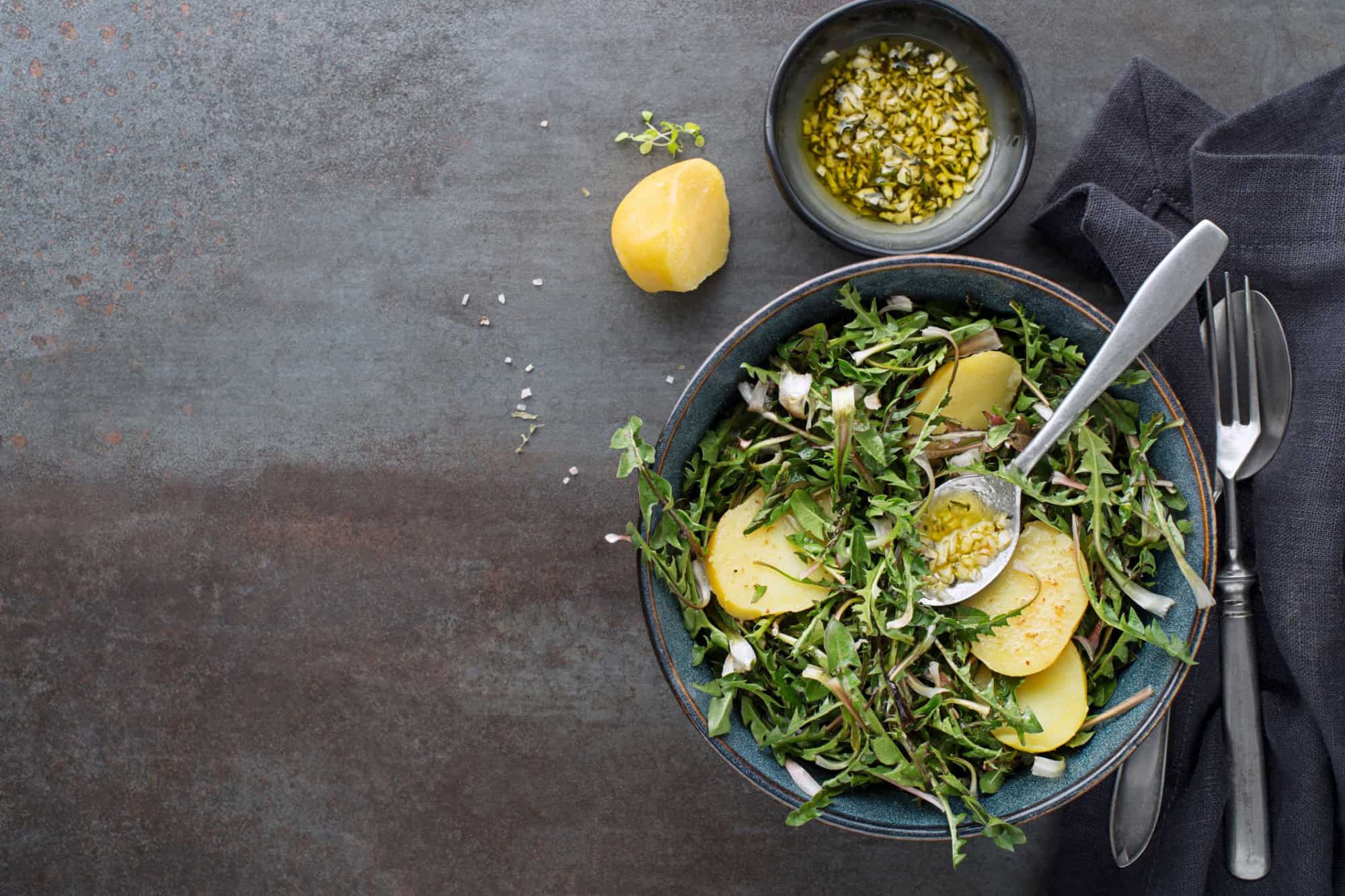
Greens like dandelions found in one’s backyard were not thought of as weeds so much as an easy, free food source. They could be picked fresh, and boiled or sautéed as a side dish. They were common in the springtime before the garden was producing. People rarely think to eat them these days, despite being as nutritious as spinach.
Liver and onions
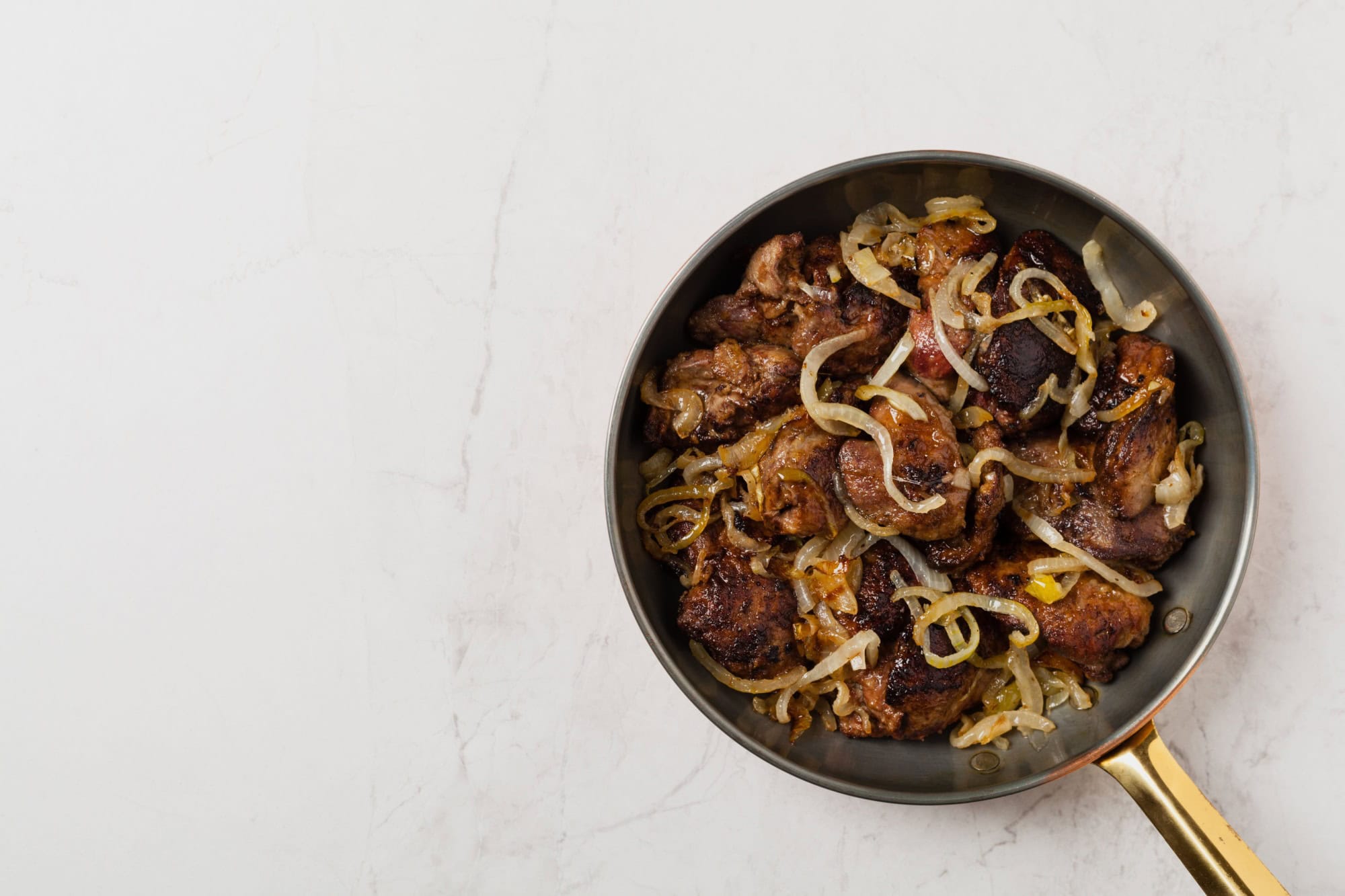
A plate of liver and onions was a fairly standard dinner in many households. It was an inexpensive form of protein that was high in iron and was usually served with mashed potatoes on the side. Parents would always praise it as “good for you” while kids loathed it. Now it’s difficult to find unless you visit a retro-style diner.
Cold tongue sandwiches

Tongue used to be a regular cut of beef. Families would slice it thin and use it on sandwiches. It was just one of many inexpensive choices at the butcher shop. Cold tongue sandwiches became especially common at urban delis. Most Americans would balk at packing one for lunch today.
Oyster stew
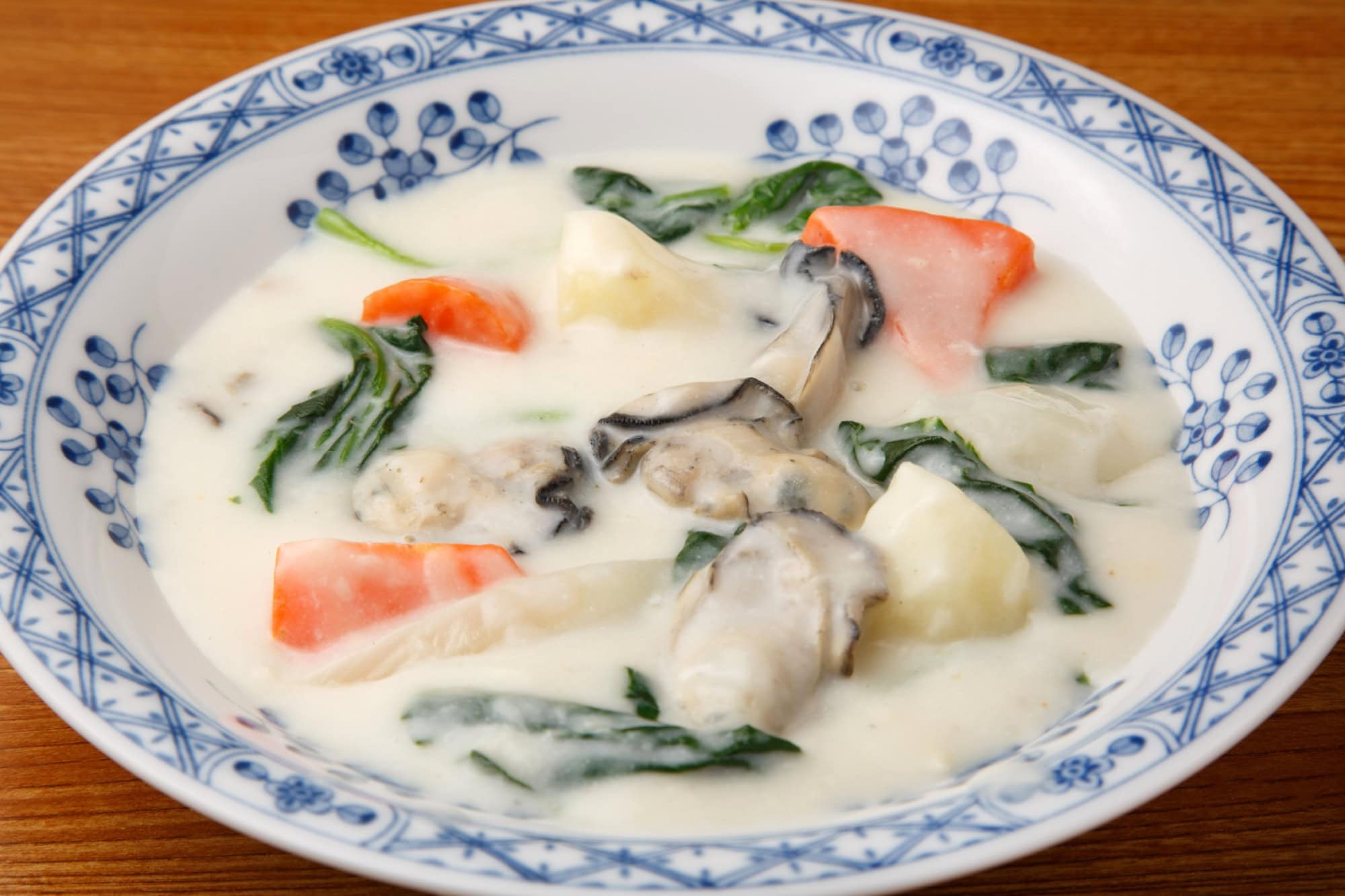
Oysters were cheap and abundant in the 19th and early 20th century. Oyster stew was a common household dish that was prepared simply with milk, butter, and seasoning. It was also commonly served on Fridays in Catholic households. Today oysters are expensive, so this dish has almost completely disappeared from everyday home tables.
Cottage pudding

Cottage pudding, as its name might lead you to believe, was not a pudding at all. It was a simple yellow cake that came with a warm sauce. It was a very basic dessert that many families could prepare without special ingredients. Cottage pudding, served after supper, was a pleasant and comforting dish. People no longer make cottage pudding because packaged cakes and ice cream have taken its place.
Sources: Please see here for a complete listing of all sources that were consulted in the preparation of this article.
Like our content? Be sure to follow us.


