

Look at the next Renaissance painting you see and examine the animals; chances are, every single thing with eyes in that painting has some symbolic significance.
Lobster
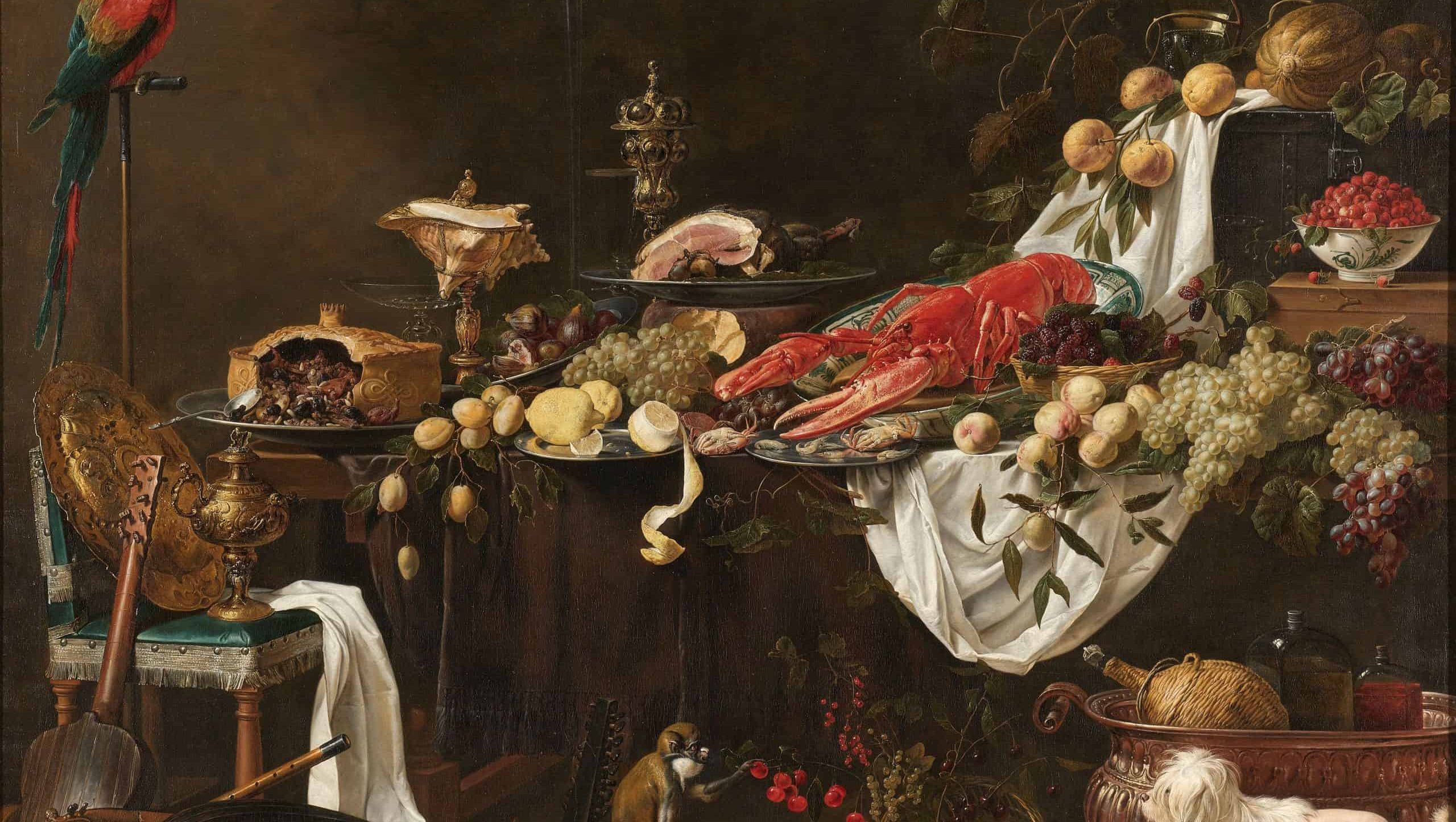
Painters of the Dutch Golden Age often included oversized, glowing red lobsters in their opulent Still Lifes (pronkstilleven) next to imported lemons and silver goblets.
But aside from demonstrating their patron’s extravagantly high status, artists included the lobster to teach them a lesson about wealth.
As lobsters molt and only turn red after they have been boiled alive, they symbolize how wealth can change in the blink of an eye and that our physical bodies and status will eventually perish.
Goldfinch
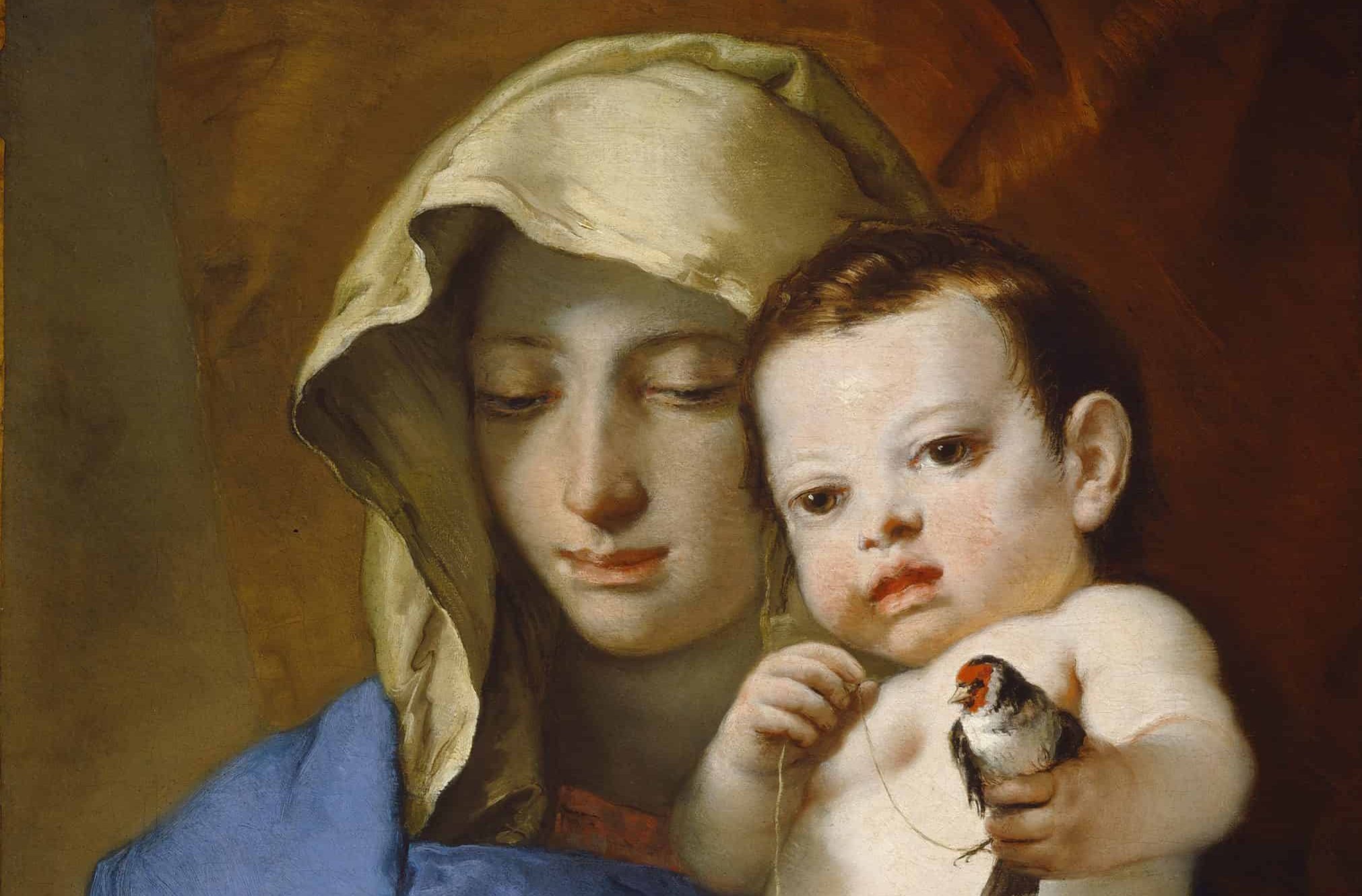
Notice how often the European goldfinch can be spotted perched in baby Jesus’s chubby little hands throughout Renaissance-era Christian portraiture. It wasn’t merely an aesthetic preference for a charming little bird.
Medieval myth said that while Christ was walking to Calvary, a goldfinch flew down to remove a thorn from his forehead. But while plucking the thorn, a single drop of Jesus’ blood landed on the goldfinch’s face, staining the tiny bird’s face red forever.
This kind of narrative meant that when Raphael featured a goldfinch in his Madonna of the Goldfinch, the audience readily grasped the ominous foreshadowing of the Crucifixion.
Goldfish
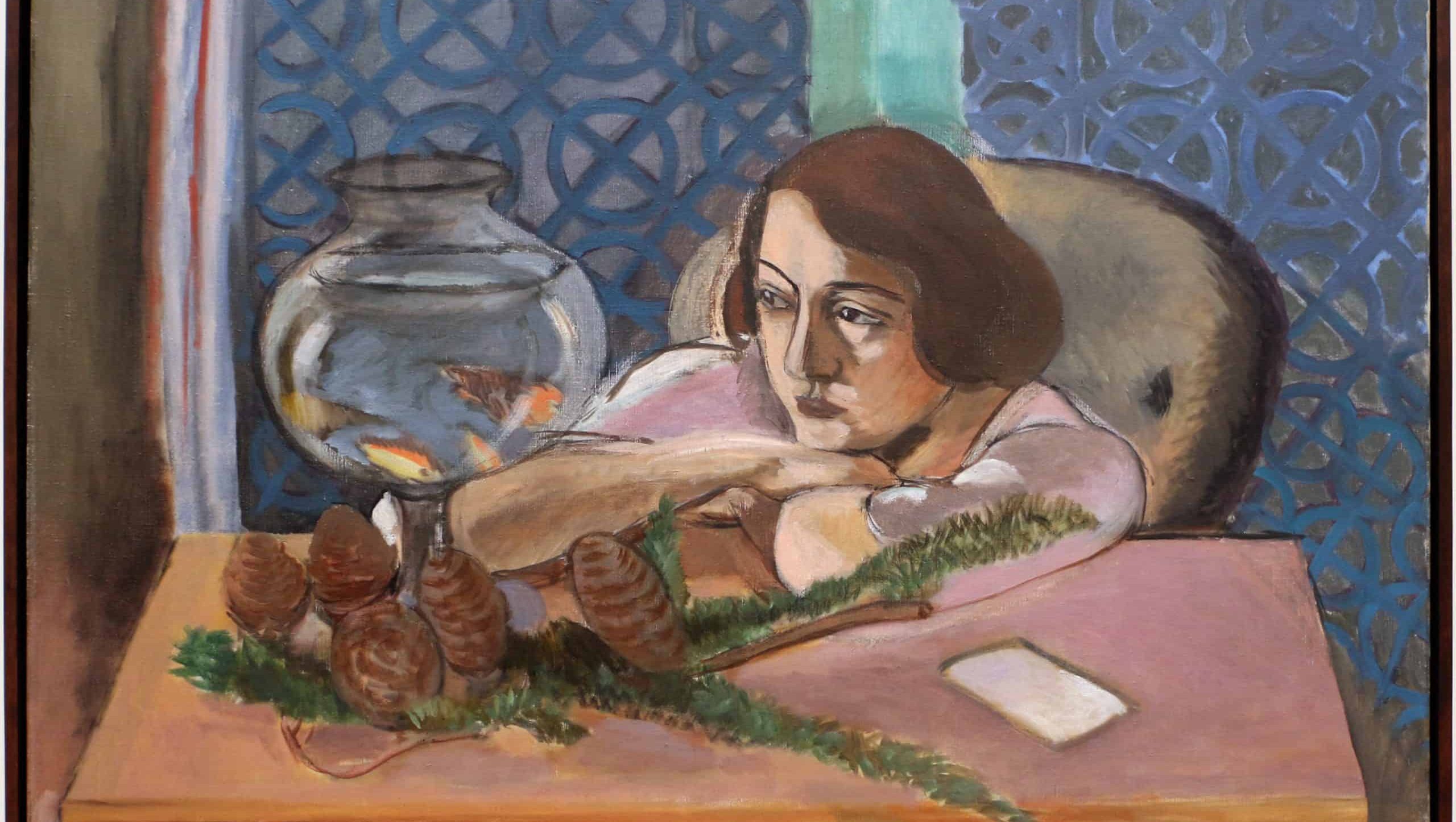
Throughout the late 19th and early 20th centuries, artists such as Henri Matisse and John William Waterhouse frequently depicted goldfish swimming in glass bowls, often placed with women in their interior settings.
Goldfish weren’t just decorative daubs of orange. They were physical representations of what middle-class Victorian and Edwardian women were like or were thought to be like: attractive objects under constant scrutiny trapped within a clear, ornamental space from which they cannot escape.
Women, much like the goldfish, were expected to be admired within their gilded confines for the patriarchal gaze.
Ermine
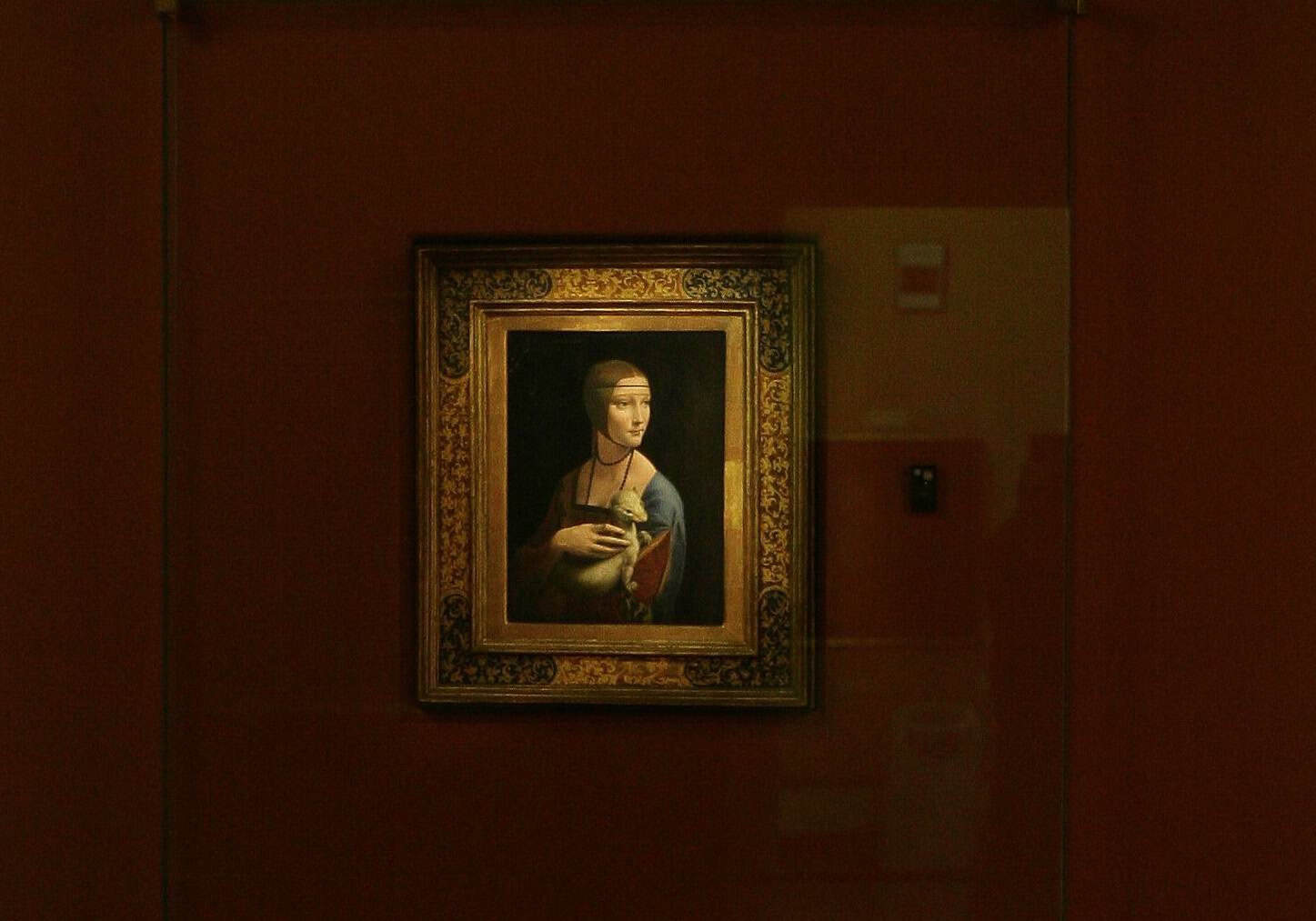
In Leonardo da Vinci’s Lady with an Ermine, Cecilia Gallerani, the Duke of Milan’s mistress, holds the white stoat.
During the Renaissance it was believed that when cornered by hunters, an ermine would rather be killed than spoil its white coat by running through mud. Thus, aside from signifying personal purity and temperance, the ermine was traditionally strict or punishing regarding sexual misconduct.
On the other hand, the Greek word for ermine was galê, very close to the pronunciation of Gallerani’s last name. It’s also worth noting that the Duke belonged to the Order of the Ermine.
Monkeys
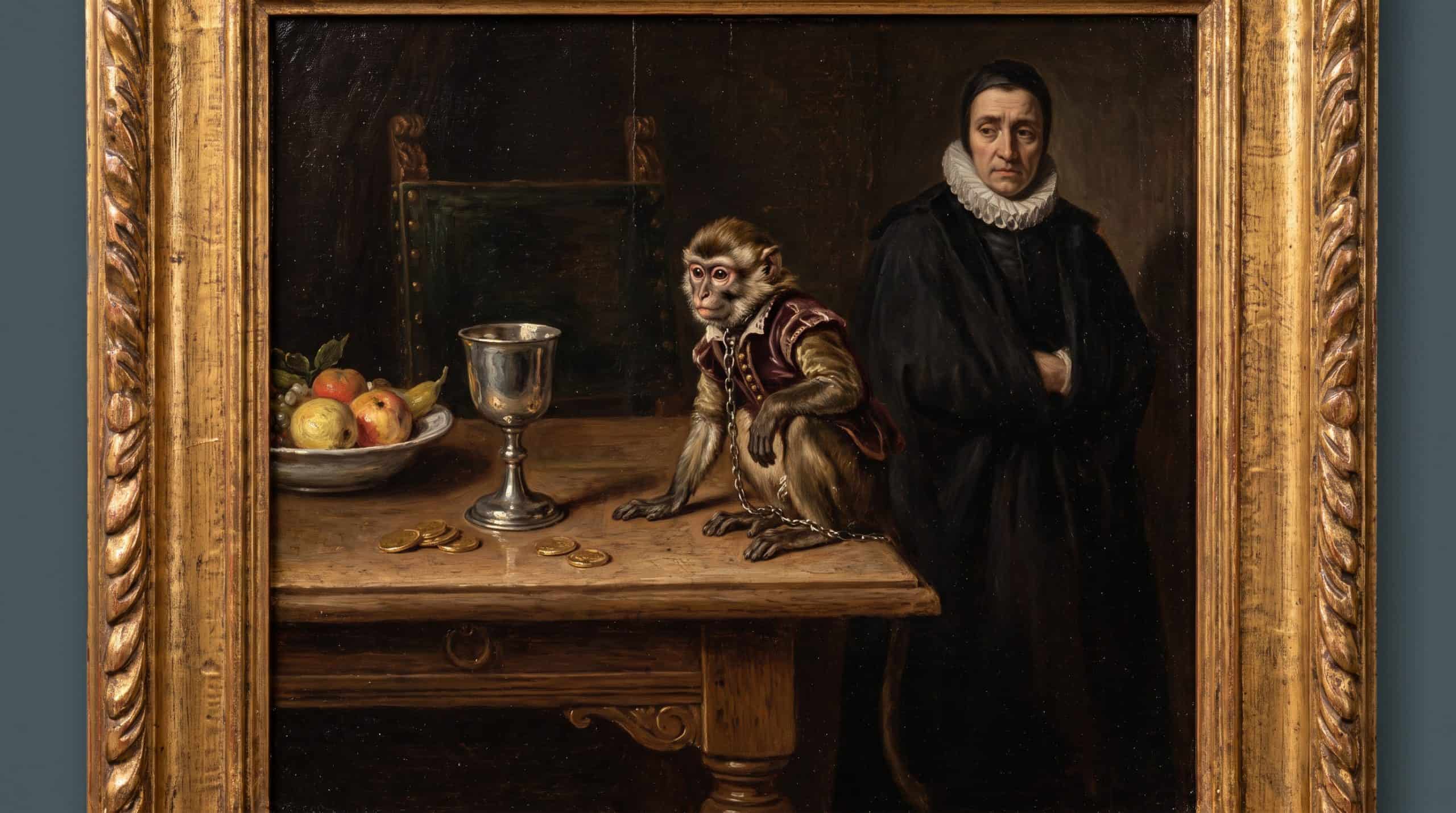
That little monkey chained up next to the table in your favorite 17th-century Dutch Still Life or Dutch Genre painting was not likely there to portray someone’s pet. Instead, Monkeys were used by Netherlandish artists to portray mankind’s weakness towards sin.
From antiquity on, people have been amused by monkeys’ mimicry of human behavior. They do this while also being ignorant of what is considered moral or immoral behavior. Monkeys, with their ape-like mimicry, served as an excellent tool to highlight human folly, avarice, and worldly desires.
Often, the presence of a monkey in a painting served as a warning that if a person gave in to every impulse, they’d be too occupied enjoying sensual pleasures and neglect spiritual training.
Flies
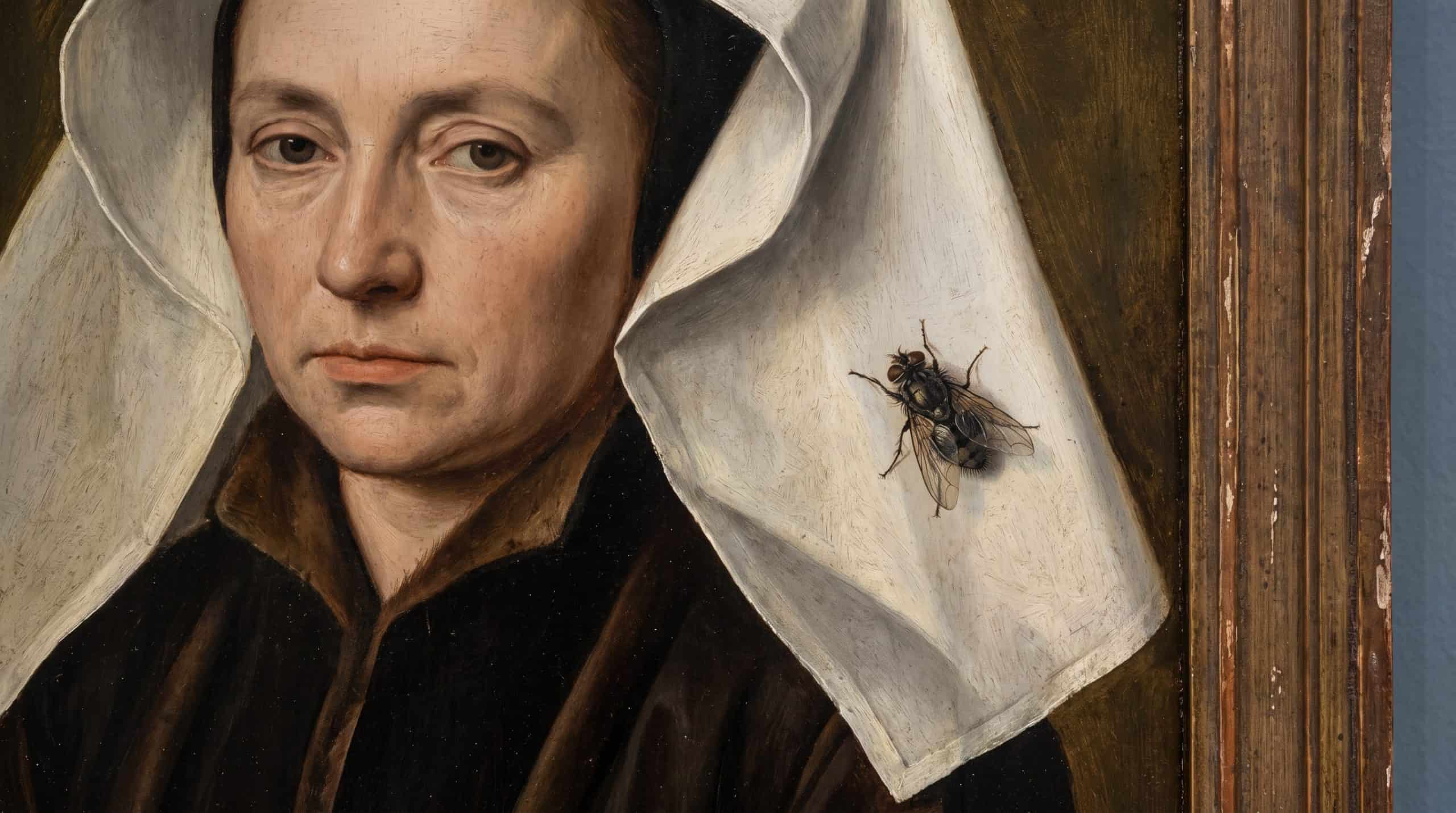
A portrait from 15th-century Northern Europe may include one, exaggeratedly realistic housefly resting on the collar of the sitter’s white cap or on the edge of the panel itself.
Aside from the spiritual symbolism (a reminder that our flesh is perishable), this was a bit of artistic bravado.
Known as trompe- l’œil (“fool the eye”), the realistic painting of a fly dared viewers to swat at the panel to see if they could knock it off. And speaking of rot, did we mention it was a visual symbol of decay too?
The snarling dog
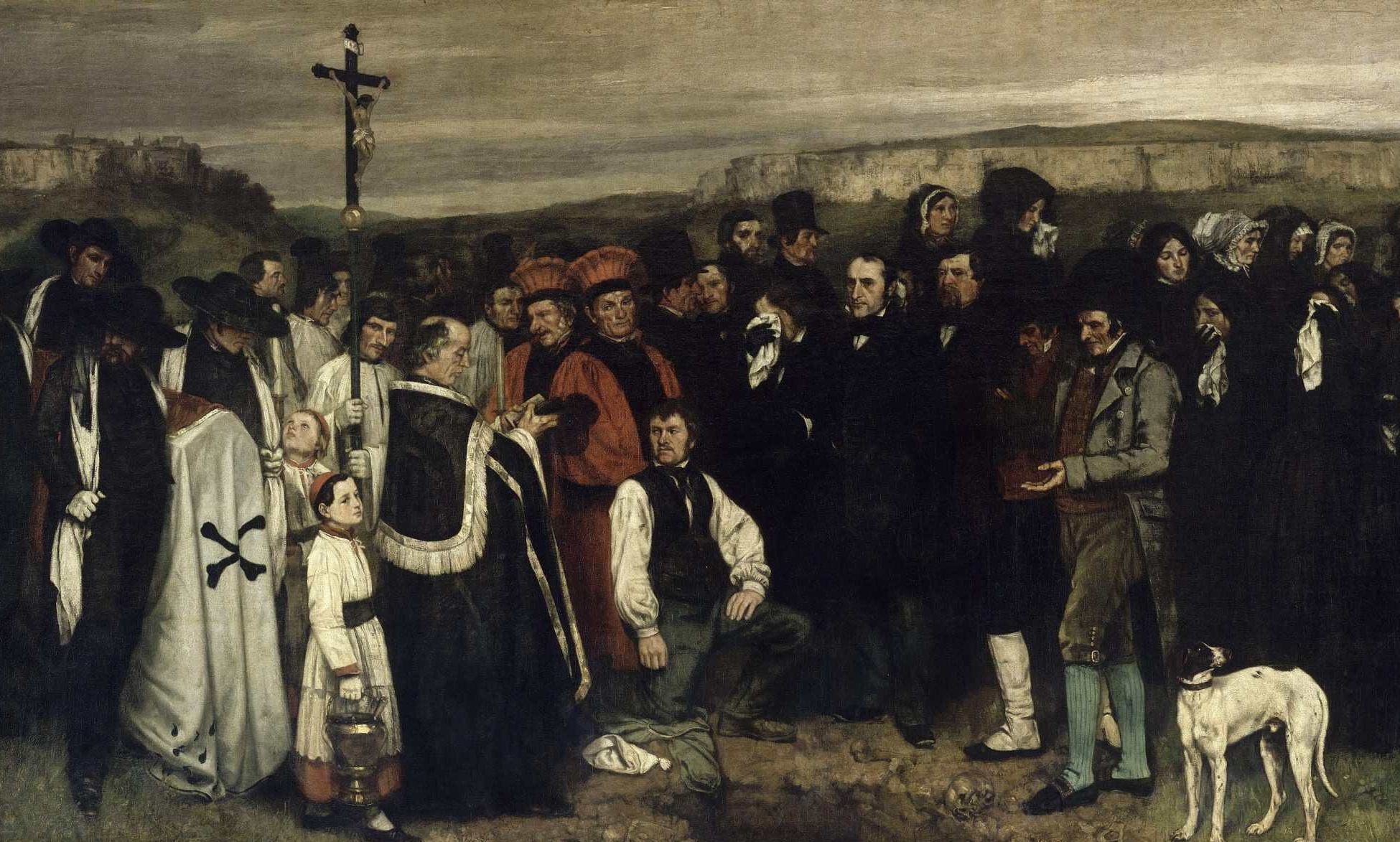
Although sleeping dogs are generally symbolic of marital loyalty (consider the small lap dog asleep at the couple’s feet in Jan van Eyck’s famous Arnolfini Portrait), a dog that is awake and barking has a completely different message.
In French realism of the 1800s, especially with artists like Gustave Courbet, a snarling mongrel snapping at horses or well-dressed men symbolized the common man rising up against the powers that be.
The artists inverted the notion of the “faithful hound” to convey social upheaval.
Parrots
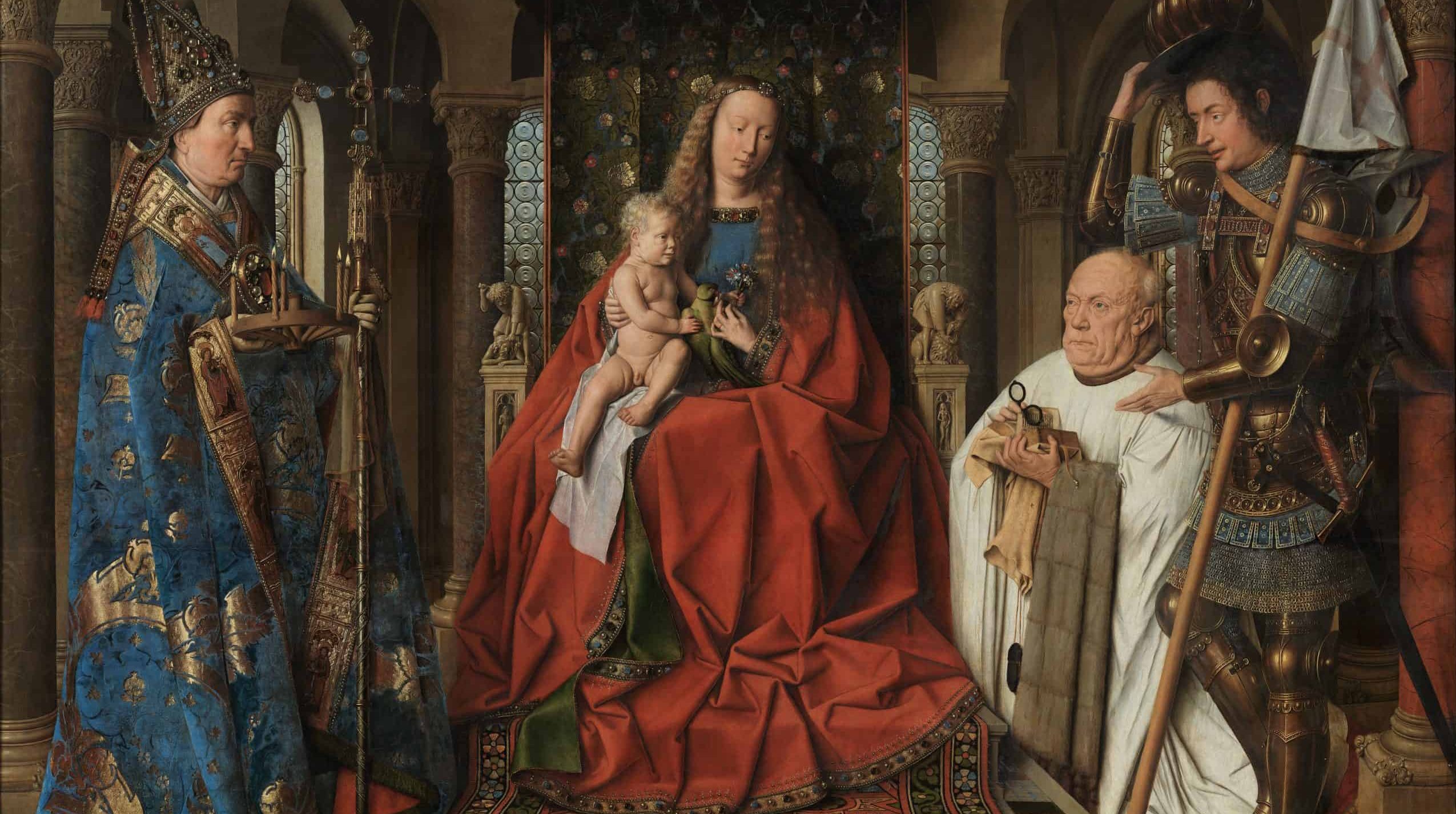
Long before they were pirates’ treasures or clichés of tropicalism, parrots appeared frequently in paintings of the Annunciation during the Northern Renaissance.
Medieval writers found a place for parrots in religious art, largely due to a surprisingly literary interpretation. Many writers claimed that the parrot’s common call eerily resembled “Ave,” Gabriel’s first word to Mary.
Parrots also carried a secondary significance. Their knack for mimicking human words, while understanding none, led them to also symbolize people who repeated scripture without comprehension or love of God.
Partridges
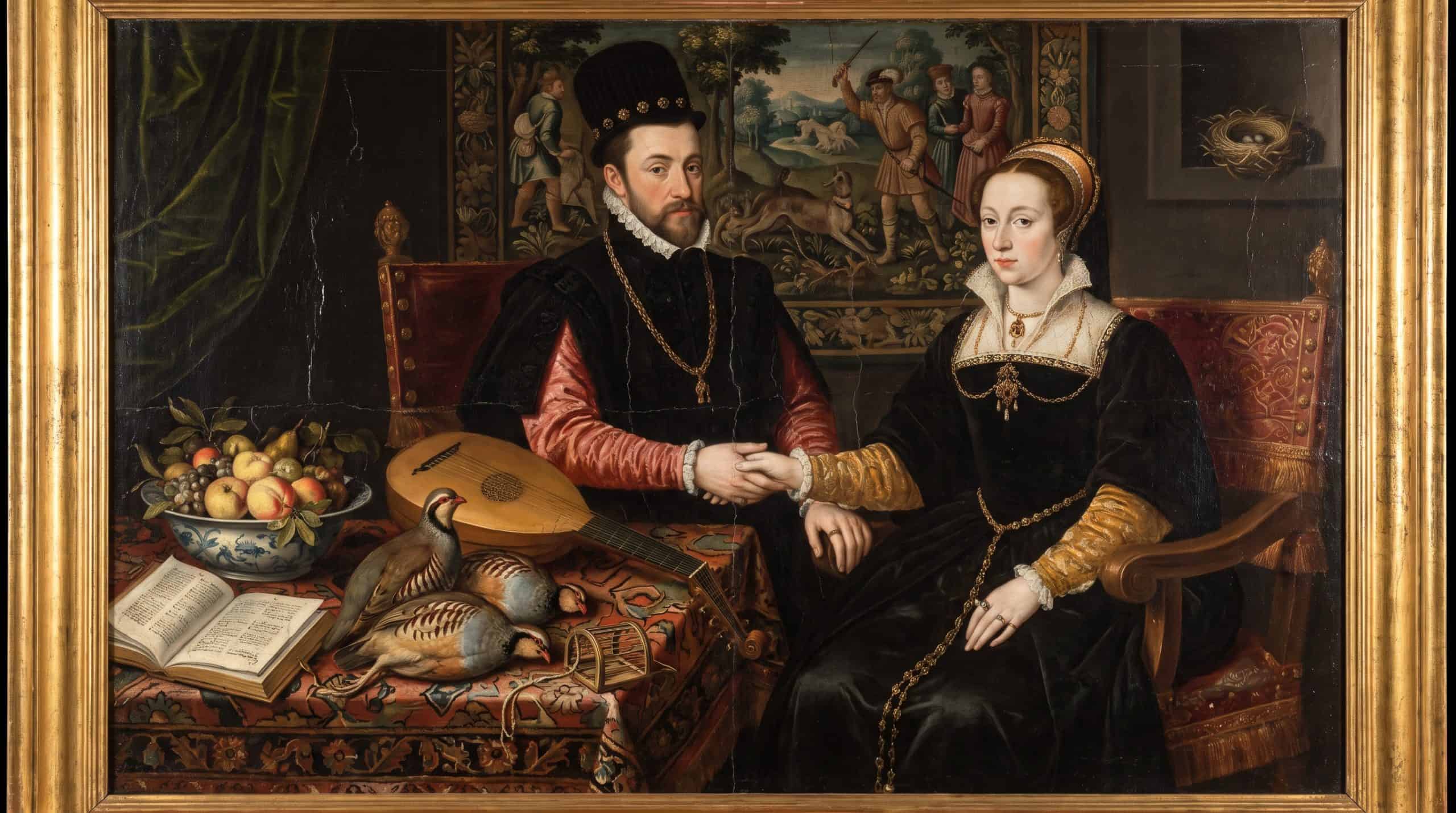
Sometimes nestled secretly in Italian Renaissance marriage portraits and allegories of love was a bit of subtle come-on-warning.
Artists wanted to remind people about the dangers of adultery, false lovers, and all of the calamities that can result when hot lust overshadows good sense.
After all, partridges were considered one of the world’s most lustful birds according to both Classical authors and medieval bestiaries. They were also thought to rob other birds’ nests of eggs. Lastly, partridges were believed to be easily snared by hunters.
So if a partridge snuck its way into your painting, it was likely there for a reason. To the informed viewer, the mere presence of a partridge was enough to keep one on guard against temptation.
Cats
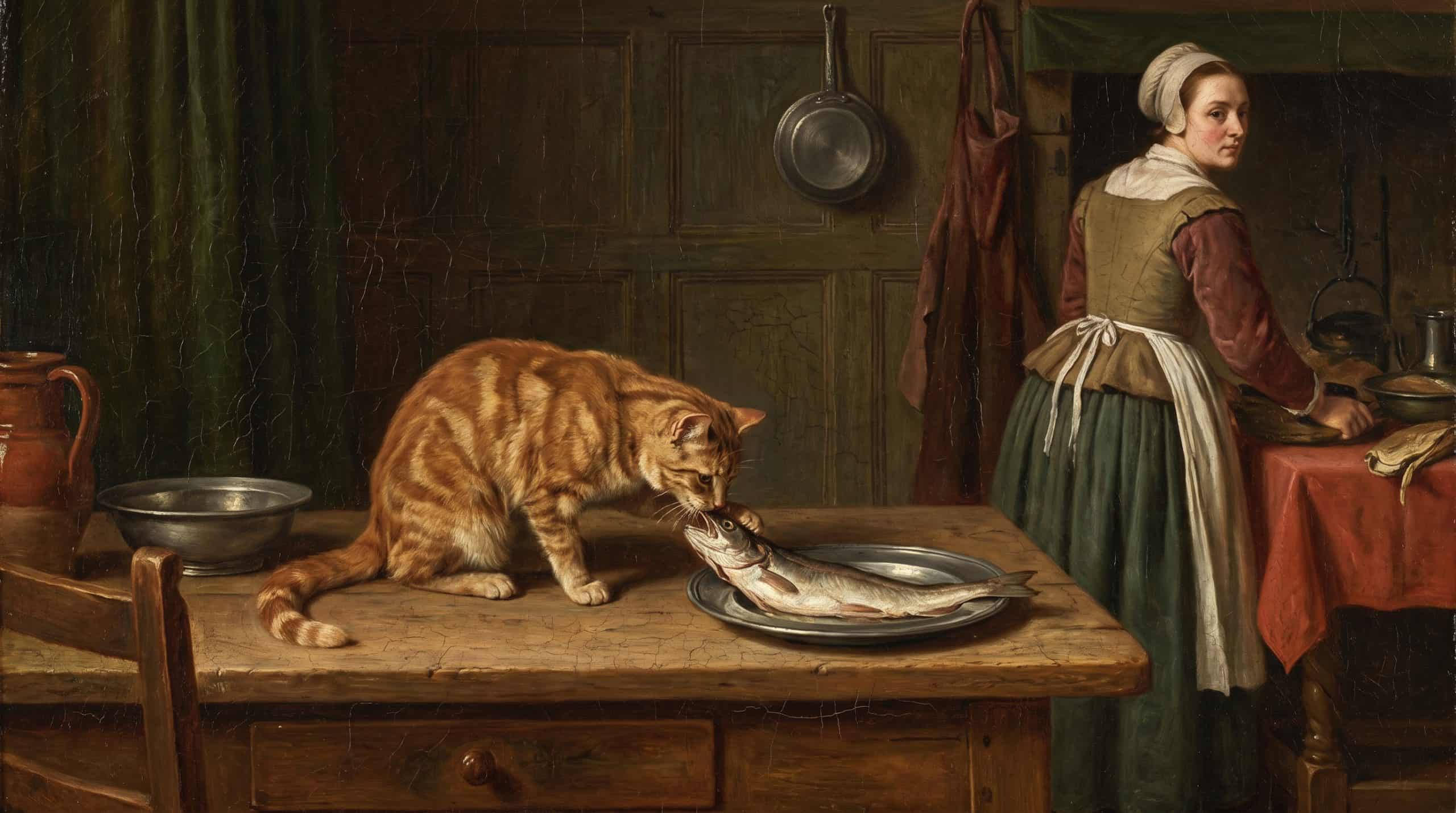
While dogs symbolized order and loyalty, cats often symbolized the opposite in early modern European painting.
If you see a kitchen scene by someone like Joachim Beuckelaer with a cat stealing a raw fish or bird off the counter, it’s a hint that this household has slipped into disorder: the servants aren’t doing their jobs, the master has abandoned his responsibilities, and basic greed is allowed to run rampant.
Sources: Please see here for a complete listing of all sources that were consulted in the preparation of this article.
Like our content? Be sure to follow us.
15 historical moments that are strange, wild, and true
History’s already weird enough, but once you add in all the Moon people and supposedly haunted graves, it becomes a lot stranger.
