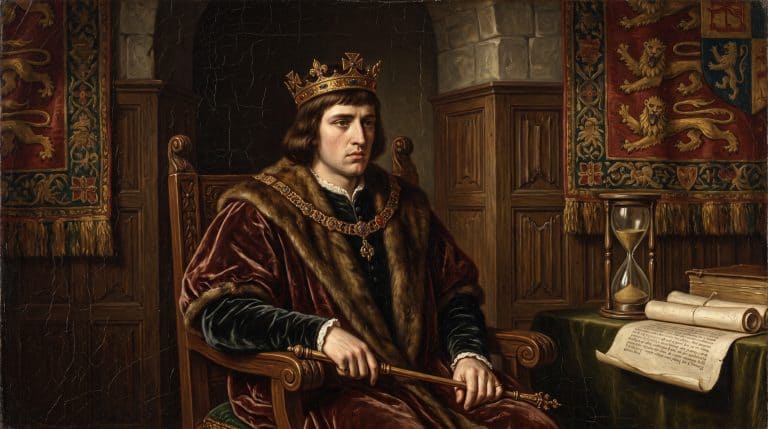

There’ve been times when royal succession looked completely settled, and then someone died too early, leaving everyone else to figure out who would wear the crown now.
Prince Arthur Tudor
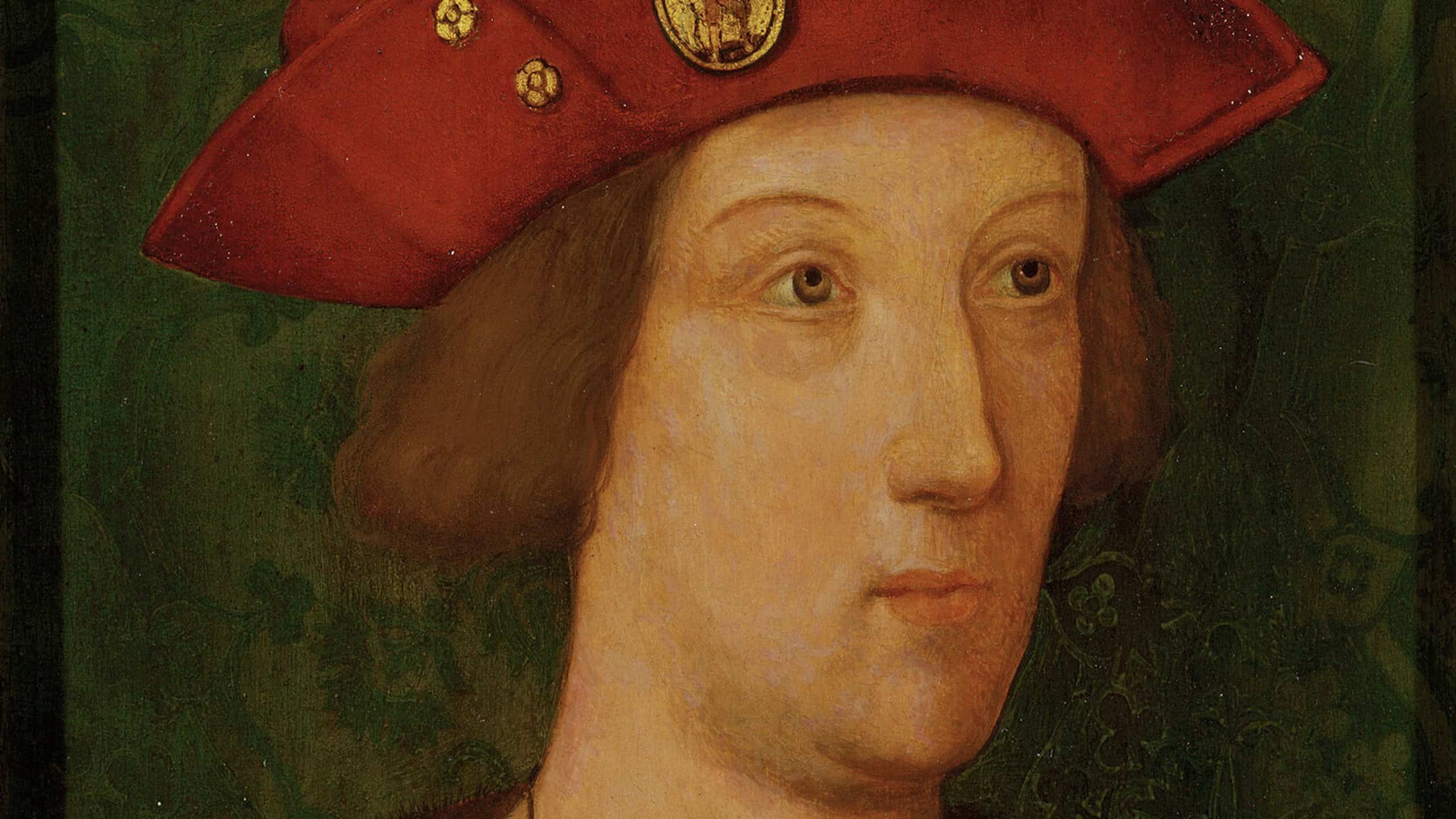
Arthur Tudor had been raised for one job and one job only, to become king. Everything seemed to be going well. But then, five months after marrying Catherine of Aragon, he fell badly ill at Ludlow Castle and died on April 2, 1502. He was only 15.
Historians don’t exactly know what killed him, but still, the fact is that he died. That put his 10-year-old brother Henry next in line for the throne instead. Yes, it’s that Henry, the one who became Henry VIII in 1509 and later married Catherine. One death changed English history.
William Adelin
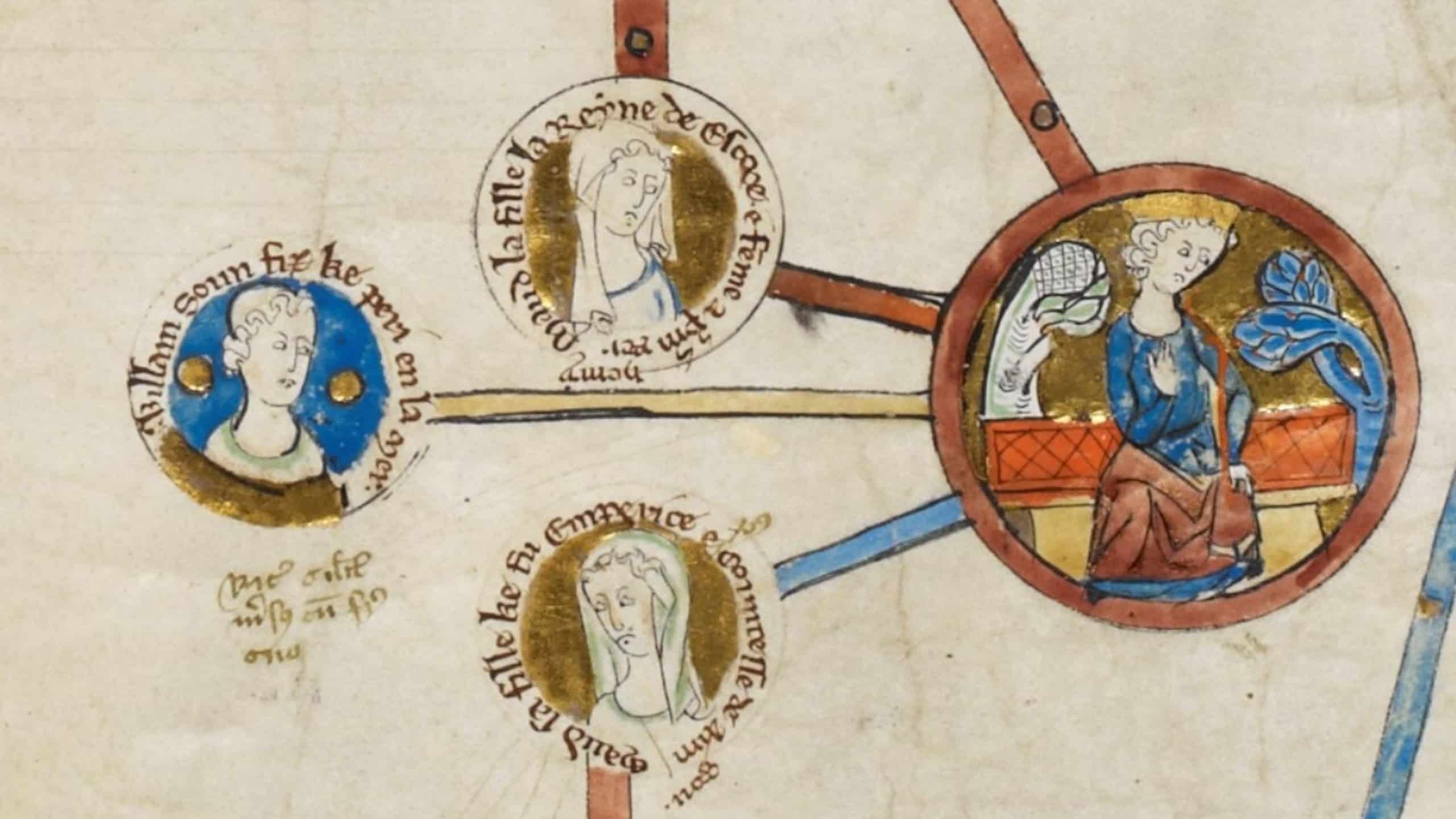
A short trip across the English Channel. That’s all it was supposed to be on November 25, 1120, just a short trip, but it ended up causing a succession crisis. William Adelin was on board the ship when it struck a rock near Barfleur and sank. He died with it.
Problem is, he was King Henry I’s only legitimate son, so Henry had to scramble to find a new successor. He pushed the nobles to accept his daughter Matilda, but they backed his nephew, Stephen. Cue a lot of fighting. Eventually, Matilda’s son, Henry II, took the crown years later.
Henry the Young King
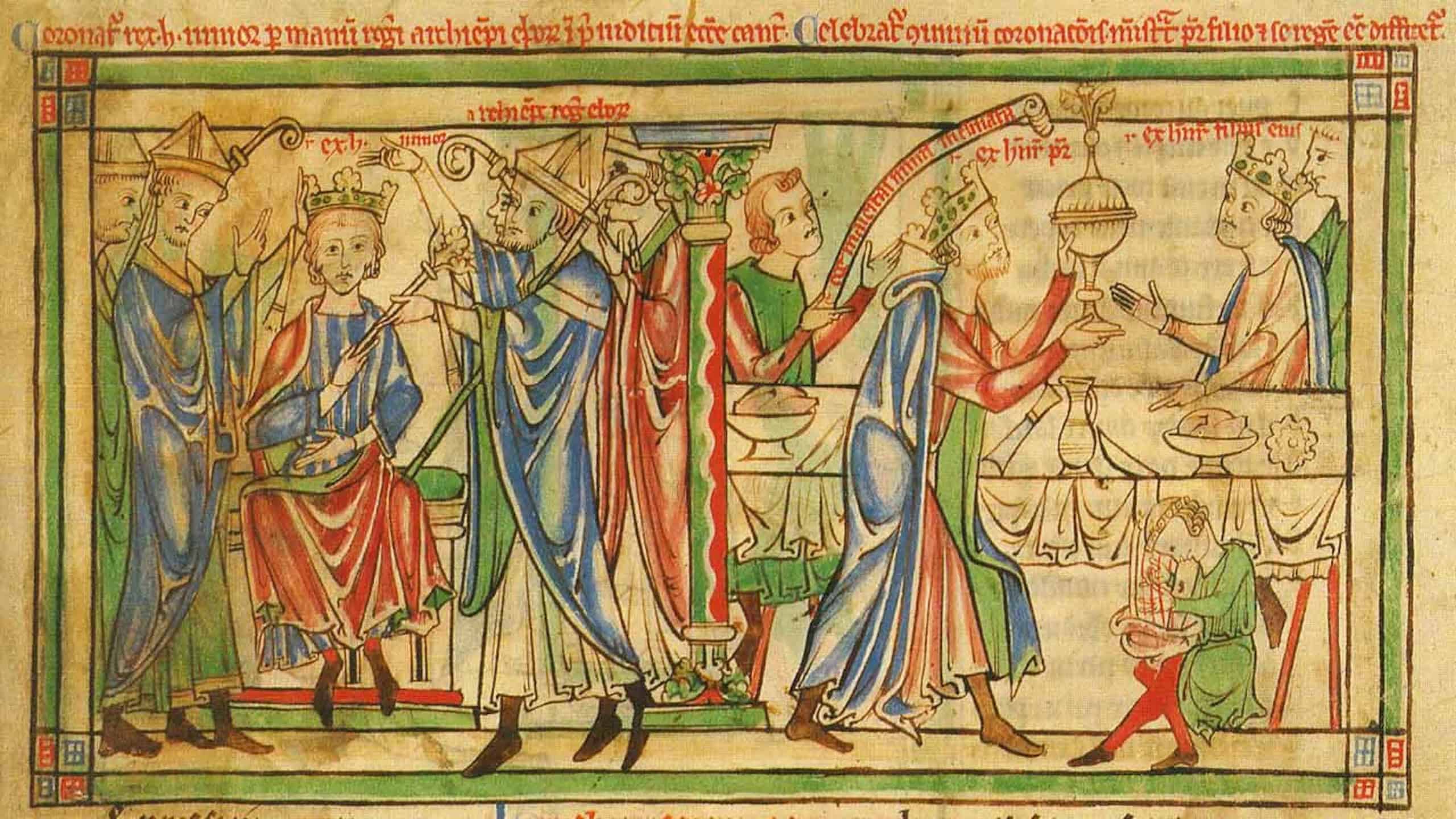
The thing with Henry the Young King was that he’d already been crowned, and it seemed like the hard part was over. But no. His father, Henry II, held onto most of the real power. To nobody’s surprise, young Henry spent years frustrated by it and rebelled against his father.
The younger Henry caught dysentery and died at Martel on June 11, 1183. That left his brother, Richard, as Henry II’s eldest surviving son. He inherited the throne as Richard I six years later.
Edward the Black Prince
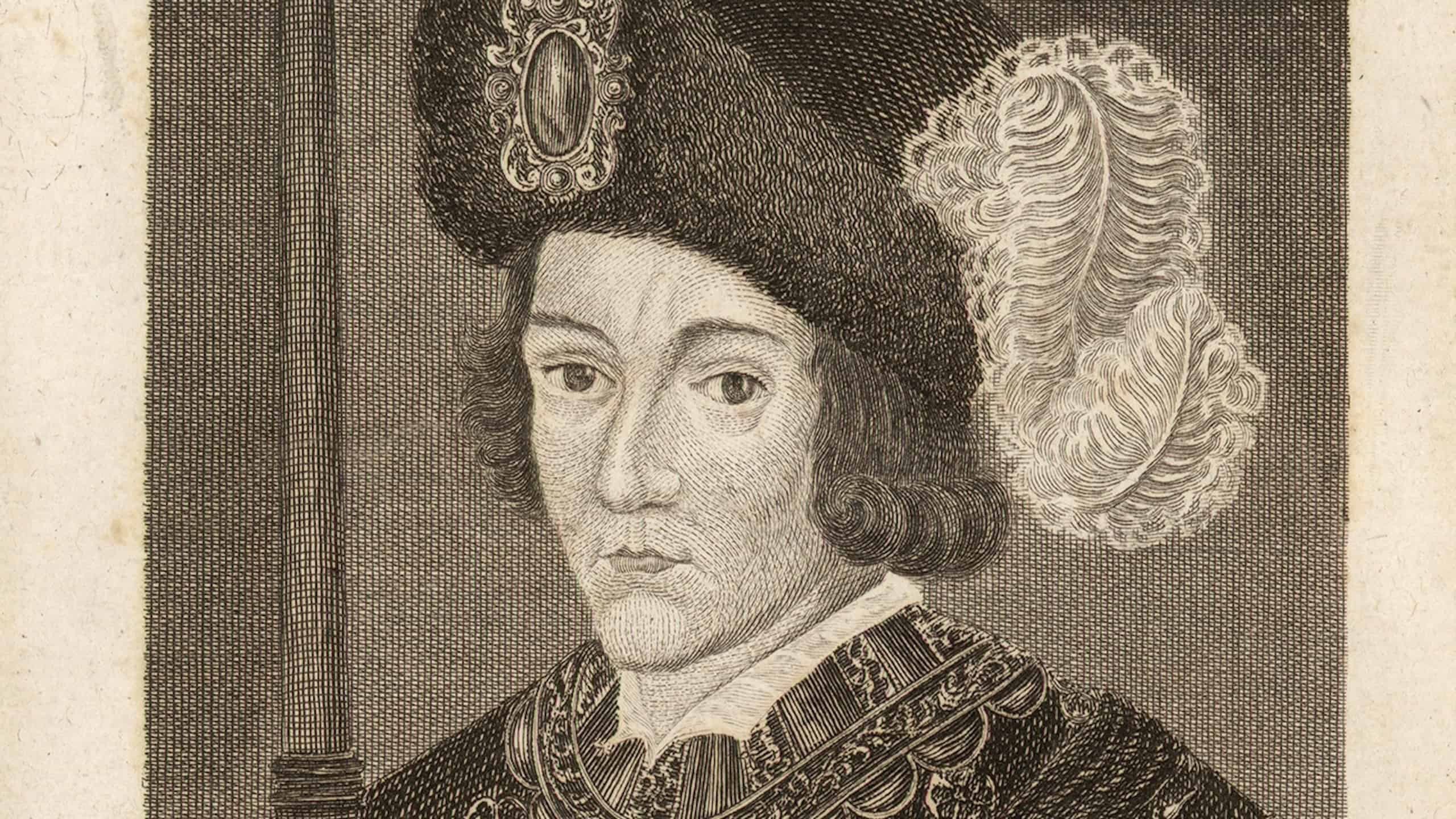
It looked like Edward the Black Prince was going to follow Edward III onto the throne. That was good news because he was famous and experienced. Then disaster struck. He’d been campaigning in Spain and fallen ill.
He died at Westminster on June 8, 1376, a year before his father. The succession then moved to Edward’s young son Richard, essentially meaning that England got a 10-year-old as its king. The Black Prince would’ve been way more experienced.
Princess Charlotte of Wales
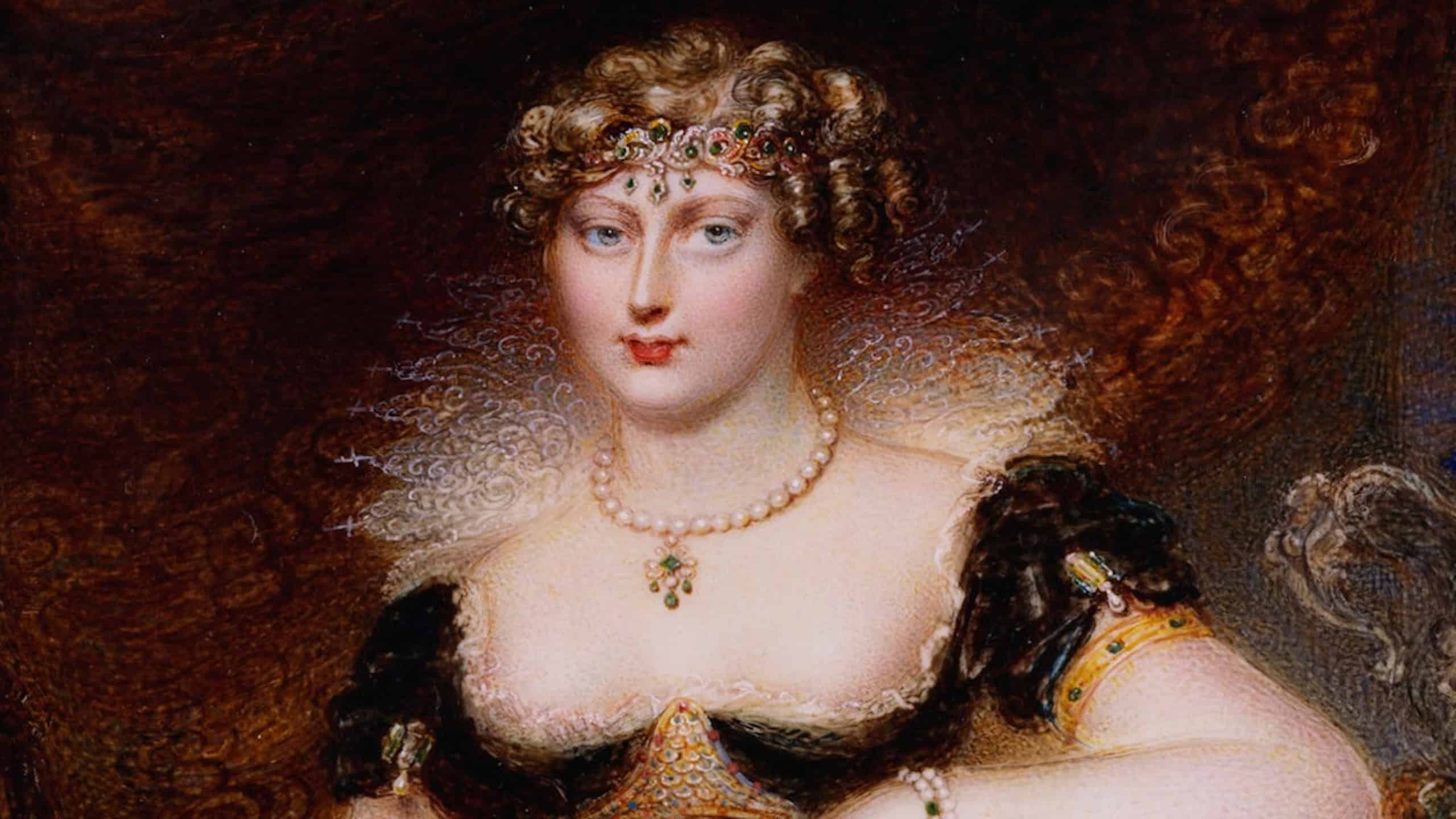
Princess Charlotte was only twenty-one years old in November 1817, and she was going through a very long labor on November 4th. She delivered a stillborn son on November 5. Charlotte herself sadly died just a few hours later, the only legitimate grandchild of George III.
It thrust the family into crisis because now they didn’t have a secure young heir to count on. So, her uncles rushed into marriages, including Edward, Duke of Kent, who fathered Princess Victoria.
William, Duke of Gloucester
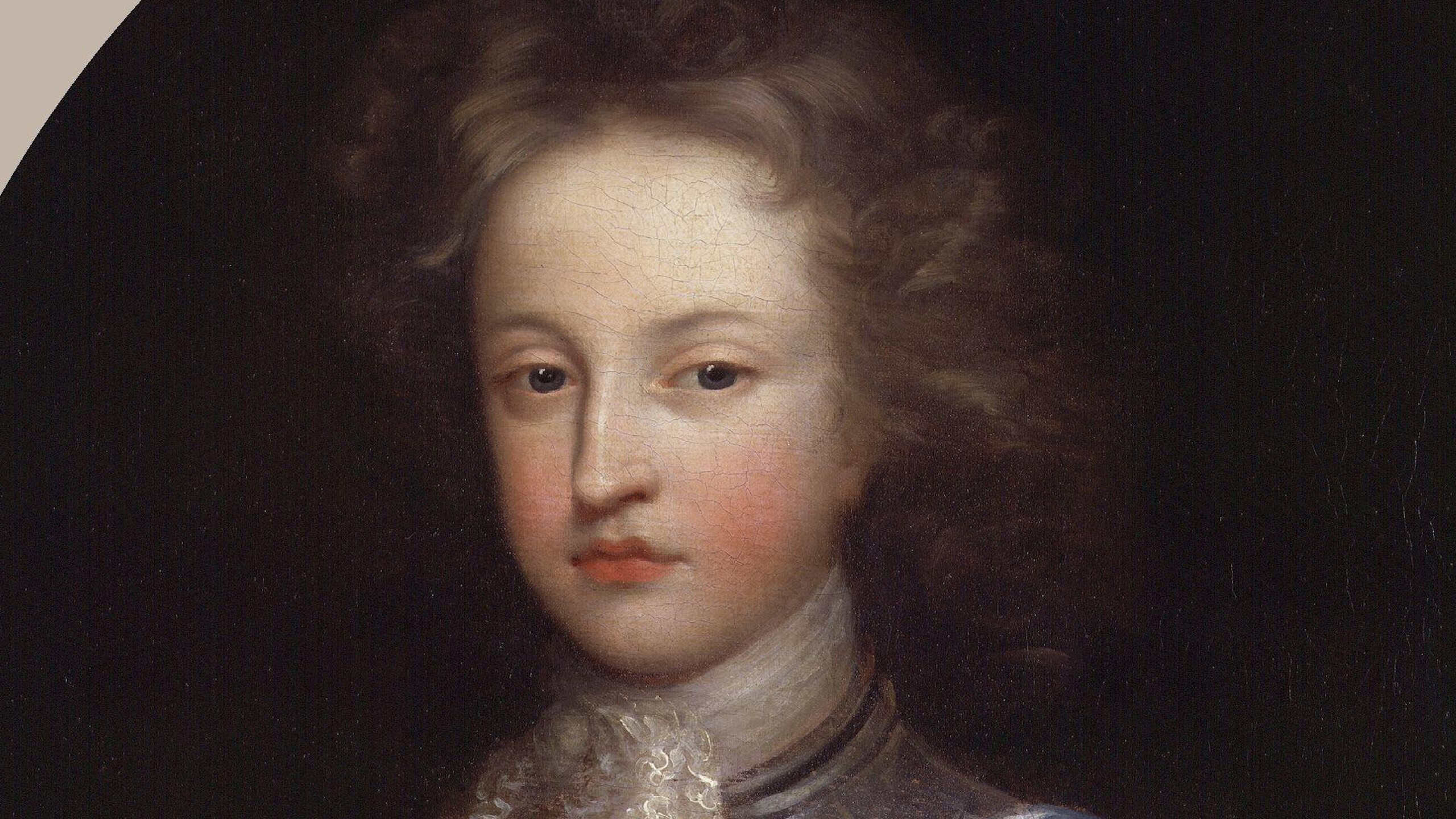
11 years old is way too young for anyone to die. That’s unfortunately what happened to William, Duke of Gloucester, who died at 11 from smallpox on July 30, 1700. He’d been the only one of Princess Anne’s children who had survived infancy. Cue major royal problems.
No William meant no clear Protestant heir after Anne, leading to Parliament passing the Act of Settlement in 1701. They named Sophia of Hanover and her Protestant descendants. Bizarrely, Sophia died just before Anne, meaning that her son became George I in 1714. They’d changed history to fix the monarchy.
John, Prince of Asturias

John, Prince of Asturias, was the only son of Ferdinand of Aragon and Isabella of Castile. It all seemed to be going well for him, until early October 1497. That’s when he fell ill in Salamanca and died. Nobody knows why, maybe it was tuberculosis, maybe it was another infection.
Whatever the cause, it caused a succession crisis. Margaret of Austria, John’s widow, delivered a stillborn daughter, and that meant John left no heir, so the succession shifted through his sisters. It eventually got to Joanna of Castile’s son Charles, who put the Habsburgs onto Spain’s throne.
Afonso, Prince of Portugal

A split second in July 1491 changed everything for the Prince of Portugal, Afonso. He was riding near the Tagus River one second, the next, he fell from his horse and died from his injuries. He had been King John II’s only legitimate son.
Now, the king had no heir. At least, not a legitimate one, he wanted his illegitimate son Jorge to take Afonso’s place. That plan went nowhere because Manuel, Duke of Beja, ended up with the crown in 1495 instead.
Tsarevich Nicholas Alexandrovich
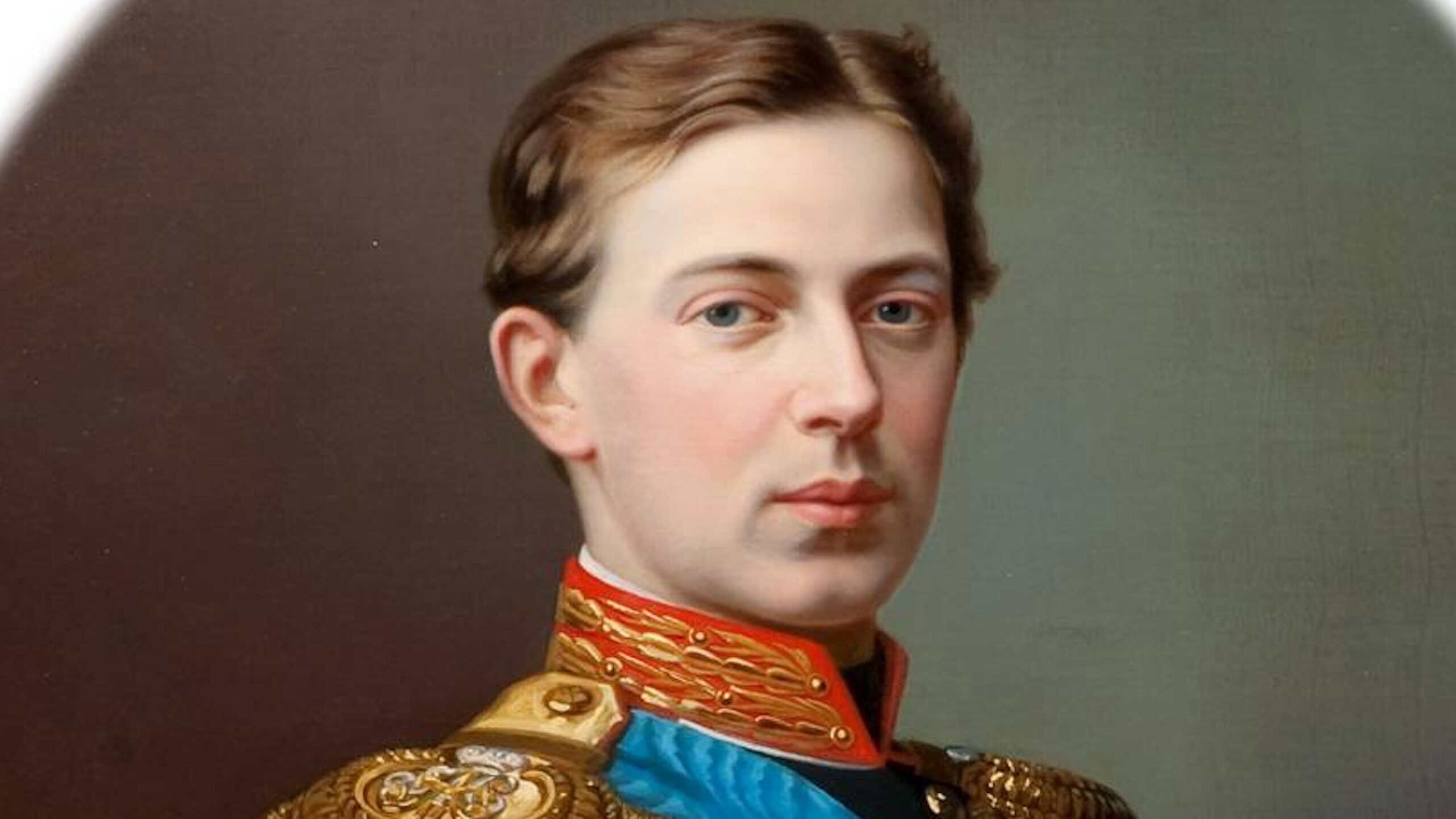
Most of Nicholas Alexandrovich’s life was arranged around the expectation that he’d become Russia’s next emperor. But then he developed severe pain in his back and neck while traveling in Europe. Doctors first thought it was rheumatism, turns out he had cerebrospinal meningitis.
He died in Nice on April 24, 1865. That meant his younger brother Alexander was now heir, and Alexander later married Nicholas’s former fiancée, Dagmar of Denmark. He ruled as Alexander III from 1881.
Crown Prince Carl August
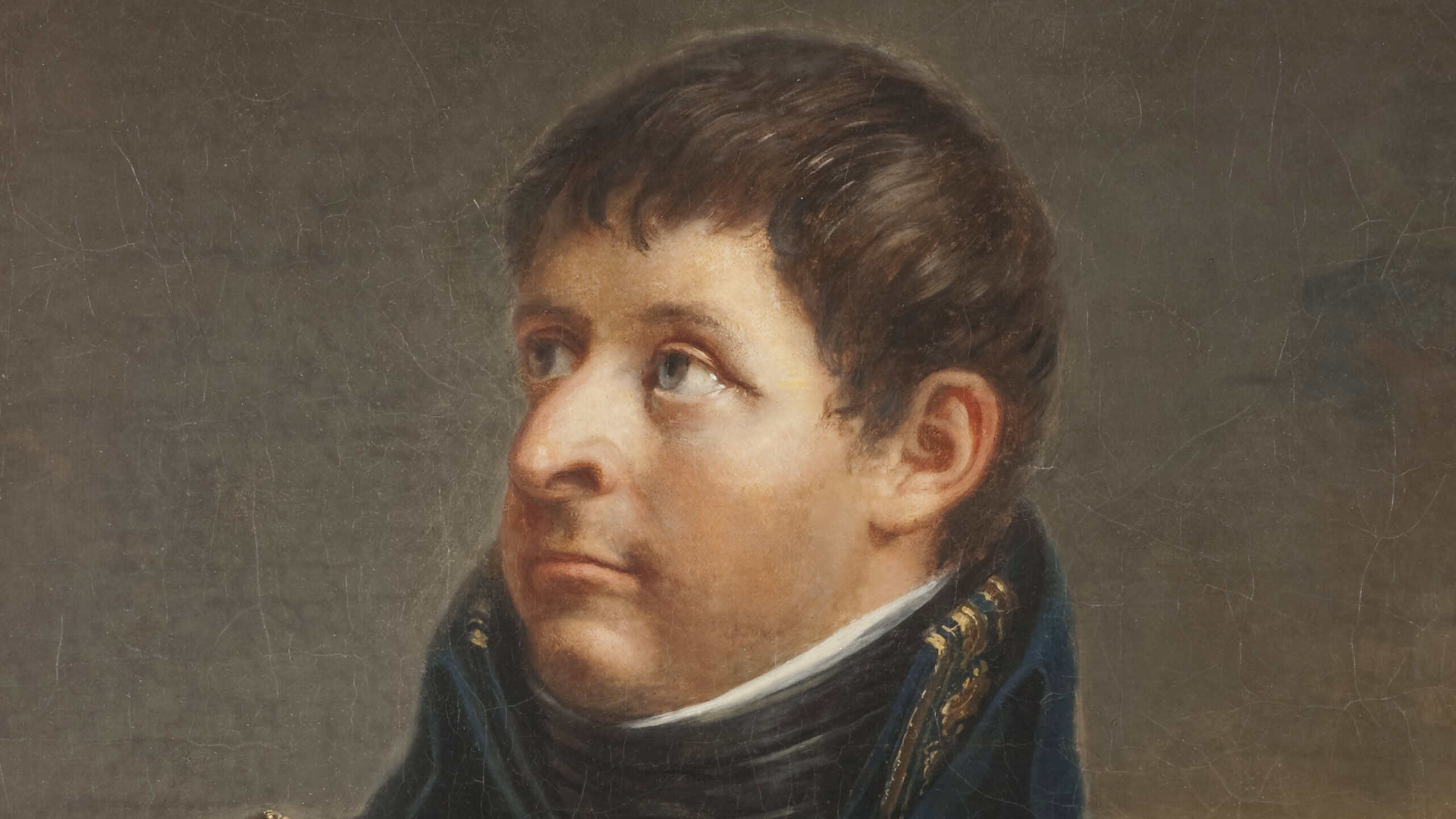
Carl August had actually managed to make it as crown prince. The Swedish people had chosen him as crown prince because King Carl XIII had no surviving children. A few months into his time as crown prince, he suffered a stroke while riding a horse and collapsed. He died soon after.
All that time the Swedes had spent choosing a leader had gone to waste. They then chose French marshal Jean-Baptiste Bernadotte as the next heir, and Bernadotte became Carl XIV Johan. Interestingly enough, he actually began the royal line that’s still ruling Sweden today.
Sources: Please see here for a complete listing of all sources that were consulted in the preparation of this article.
12 historical figures that don’t get enough hate

Some of history’s worst individuals are well-known, but then there are those whose historical reputations have been so polished that the uglier parts barely get mentioned.


