

Some of history’s strangest artifacts are kept under lock and key not because they’re valuable but because they’re deadly.
Anthrax letters
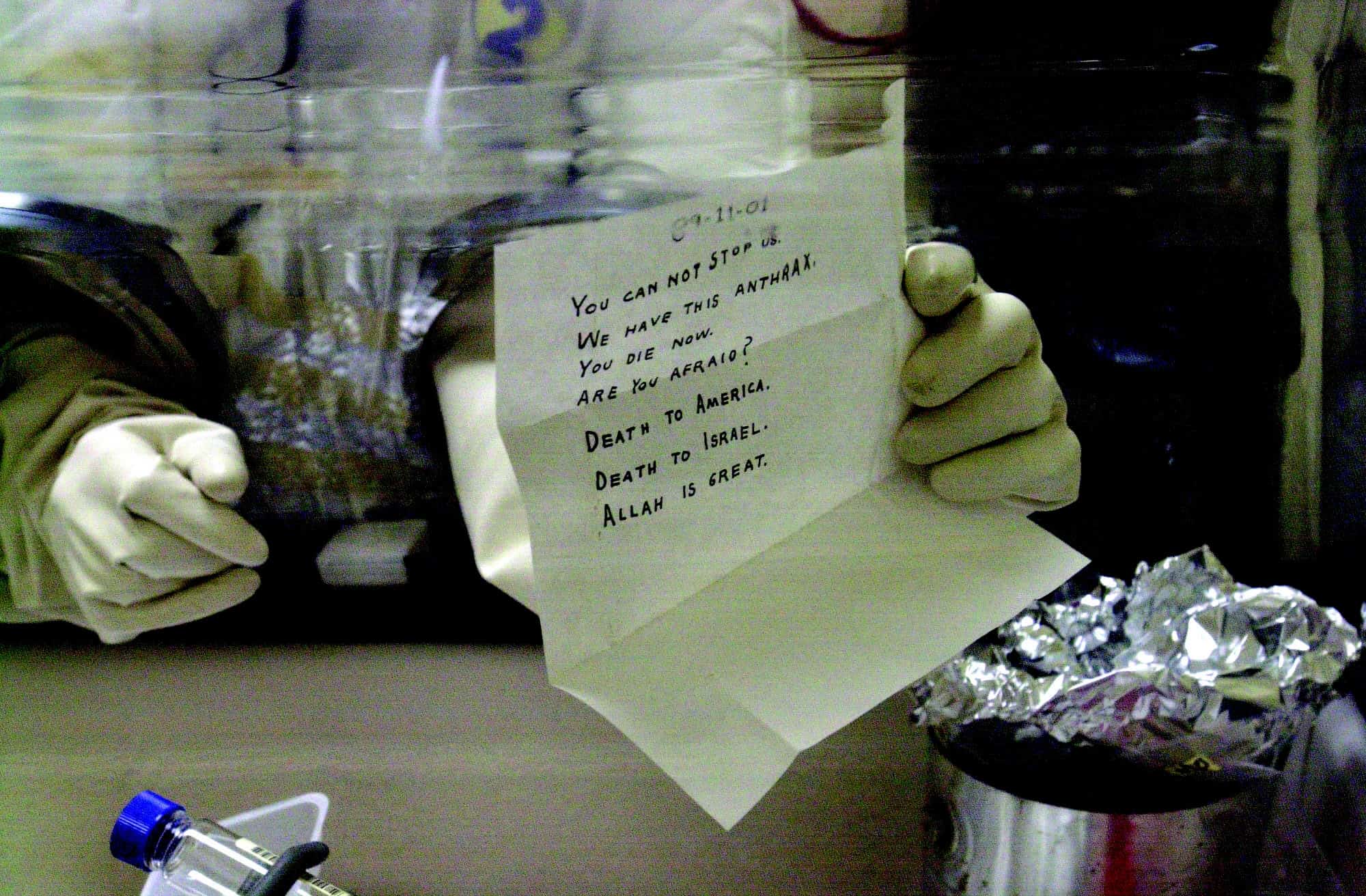
In 2001, Anthrax was mailed to American media outlets and two U.S. senators in the form of letters contaminated with anthrax spores. Five people died, 17 became sick, and multiple buildings were contaminated.
The letters are now evidence for what is considered one of the FBI’s largest investigations. Samples of the evidence were rendered safe through specialized processes to protect forensic investigators and lab workers.
Marie Curie’s radioactive notebooks
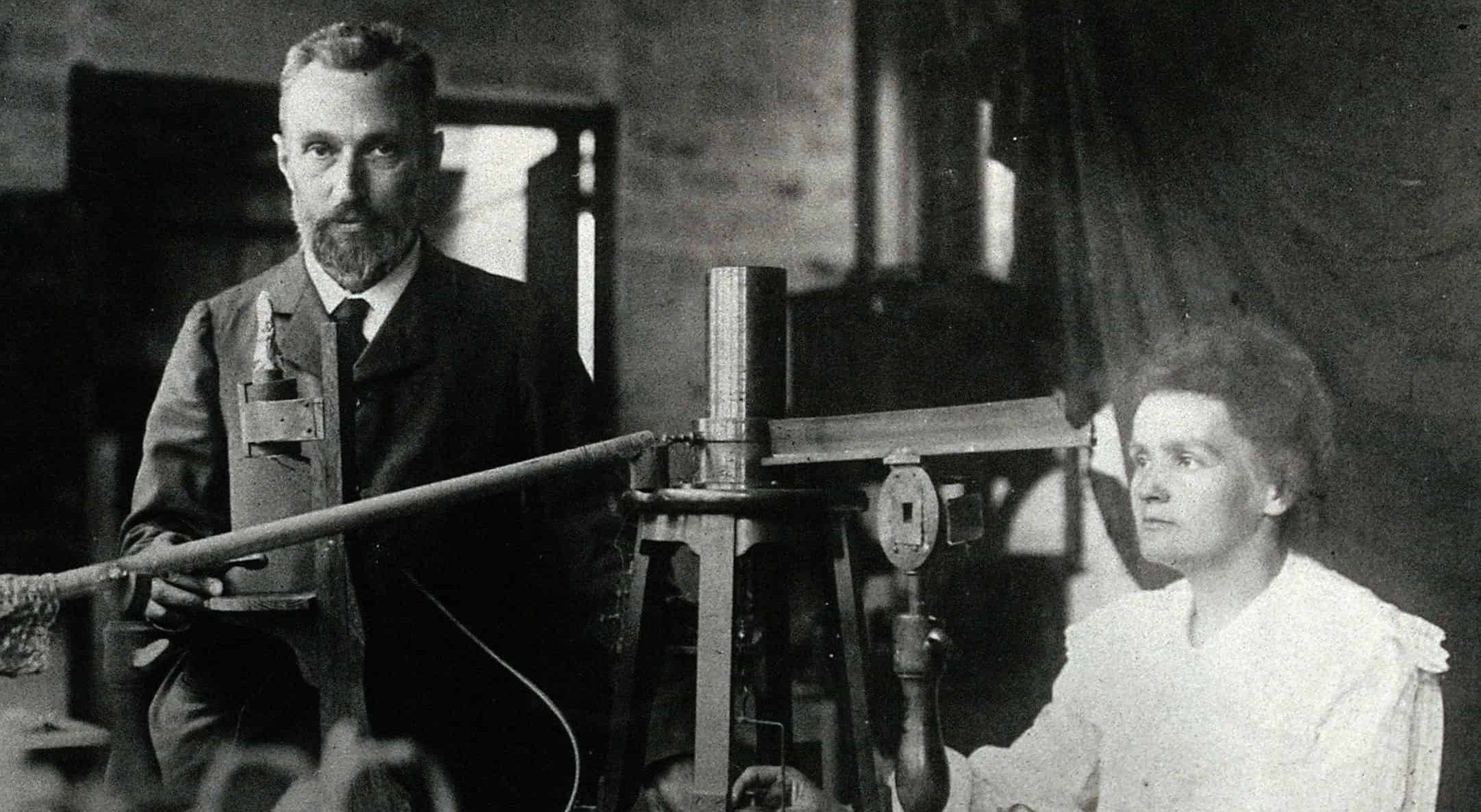
Marie Curie conducted her research in the late 1800s and early 1900s. To this day, some of her laboratory notebooks remain radioactive.
Copies of her notes are stored in boxes lined with lead at the National Library of France. If scientists want to study them, they must take special precautions before handling the books. After all, radium-226 has a half-life of 1,600 years. Contaminated objects will remain dangerous for centuries.
The Elephant’s Foot

Buried deep beneath the rubble of Reactor No. 4 at Chornobyl is a large lump of melted nuclear fuel and structural material known as the Elephant’s Foot, formed during the meltdown.
When the reactor was destroyed in 1986, anyone who got too close could receive a lethal dose of radiation in less than a minute. Although its radioactivity has decreased somewhat, it remains highly radioactive and is located inside a highly secured nuclear facility.
The Demon Core
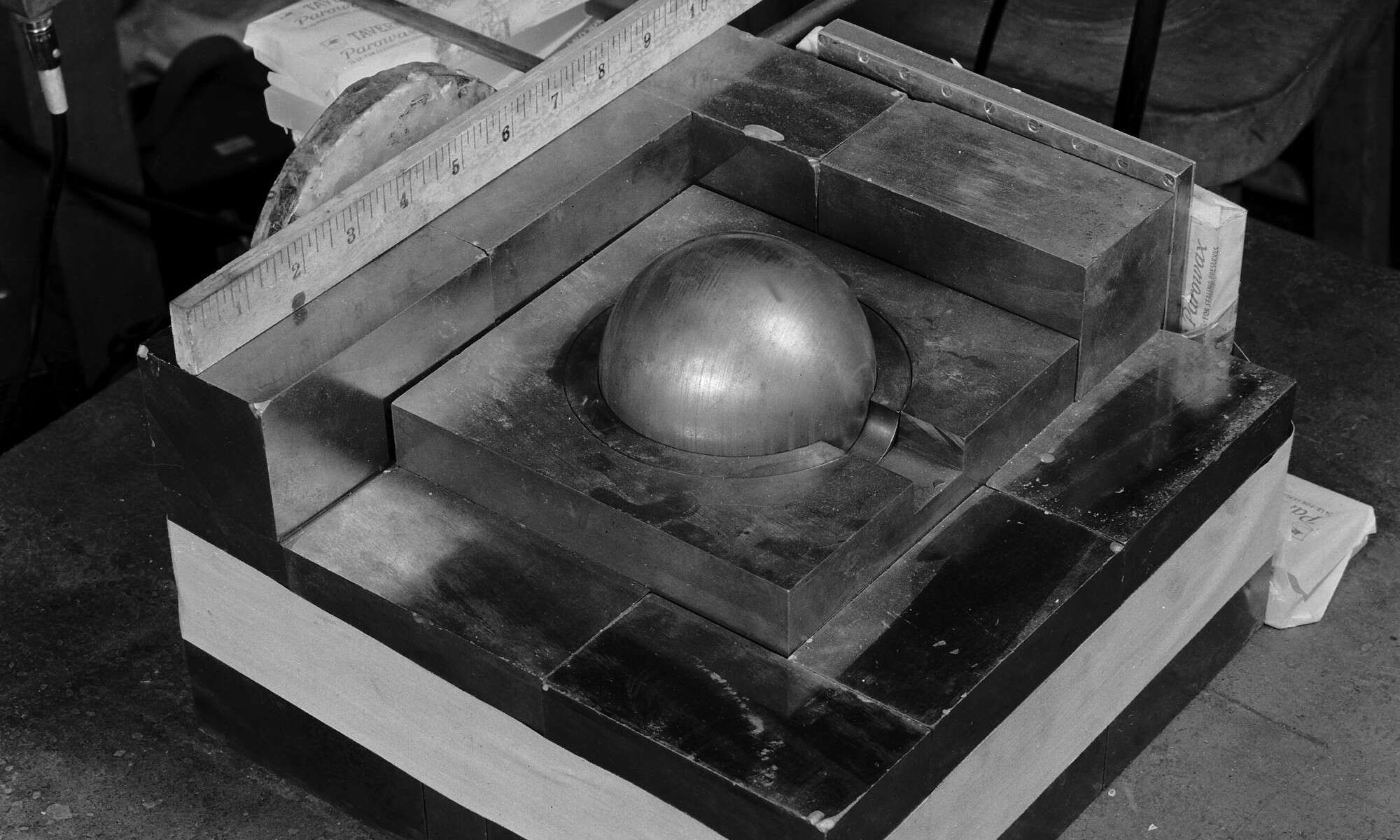
The Demon Core was a plutonium sphere used during the Manhattan Project that became notorious for causing two deaths in scientific laboratories.
Physicist Harry Daghlian was killed in a laboratory accident on August 19, 1945; Louis Slotin was killed after experiencing an unexpected radiation dose during another experiment in May 1946. After both deaths, the core was destroyed and the material was recycled into nuclear weapons inventories, but the containment vessel and associated test rigs are still under government lock and key.
Old celluloid film
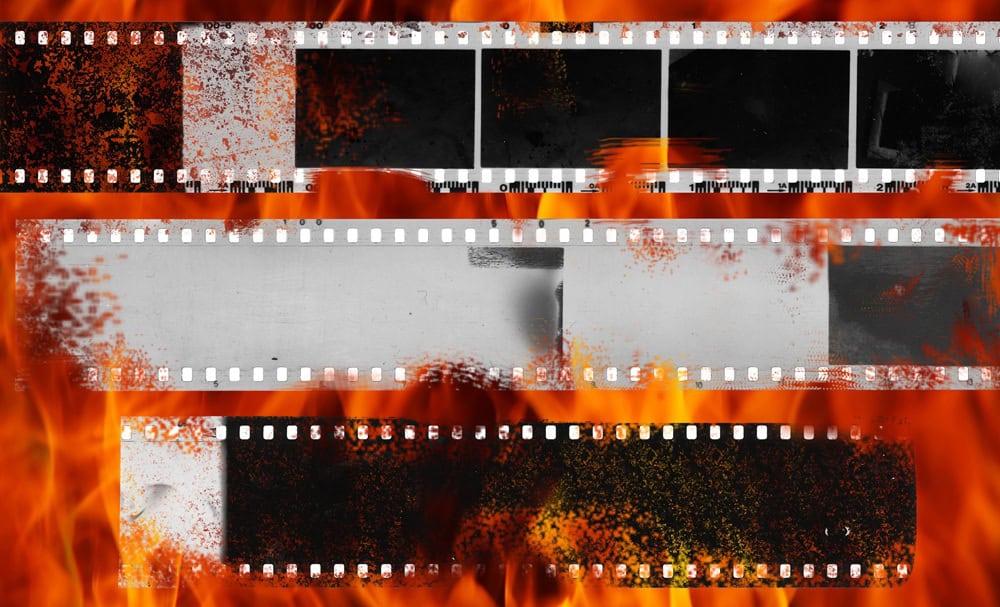
Early motion- picture film is not just fragile; it’s flammable. Nitrate film stock can catch fire quite easily if mishandled, and is very hard to put out once lit since the film essentially has its own supply of oxygen in its chemical makeup.
Deteriorating nitrate film becomes even more unpredictable, so archives keep surviving film reels in strictly regulated environments. Some of the first images in cinema history, therefore, spend their golden years in archive-safe rooms designed as much for hazard prevention as preservation.
The last smallpox samples
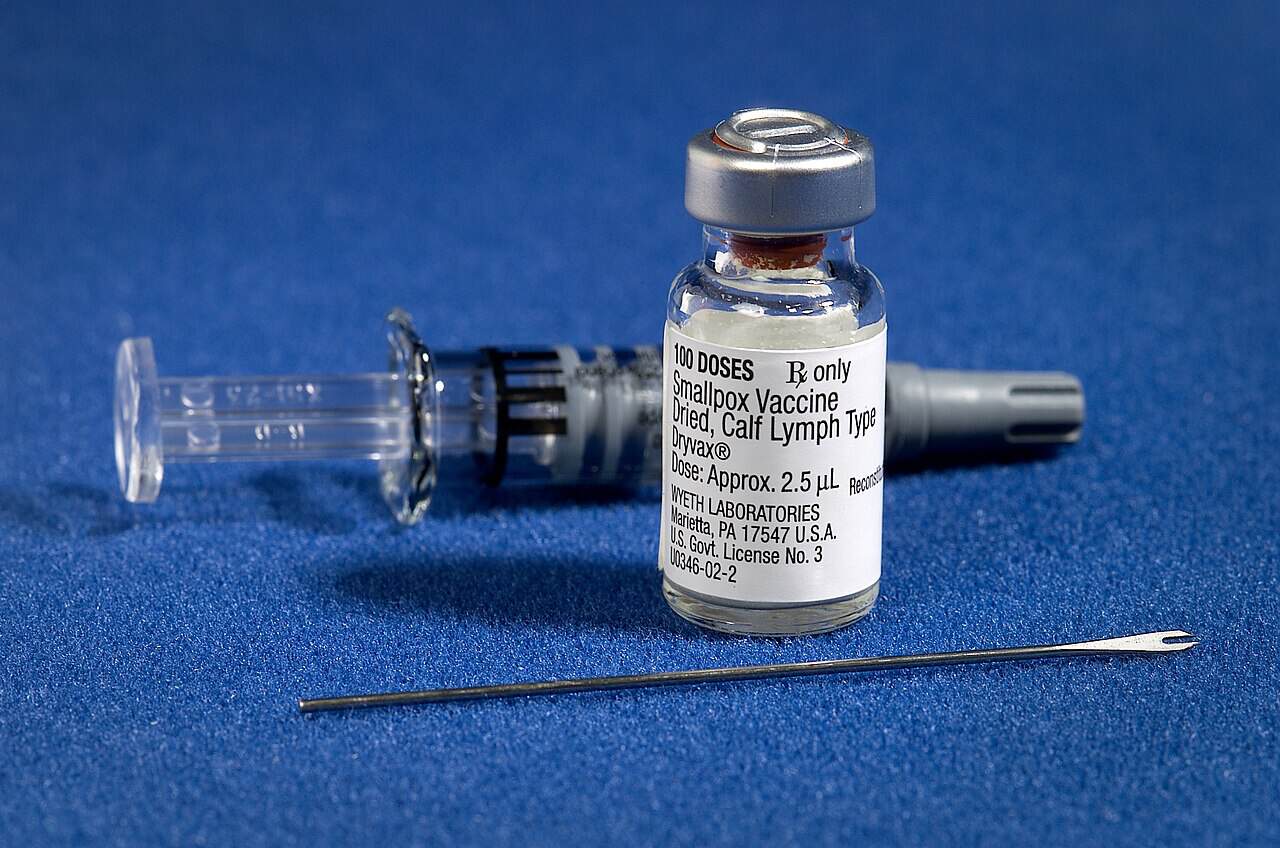
Smallpox was declared eradicated from the human population in 1980 through a worldwide vaccination program, yet stocks of the variola virus (which causes smallpox) still remain on the planet.
Official stocks are only maintained by two high-containment labs worldwide, one at the CDC in Atlanta, Georgia, and another at Russia’s VECTOR Institute in Koltsovo. Stored securely deep underground, in liquid-nitrogen freezers behind armed military forces and multiple-factor biometric security systems, these viruses remain quarantined in hopes of preventing a future global biological disaster.
Victorian arsenic wallpaper
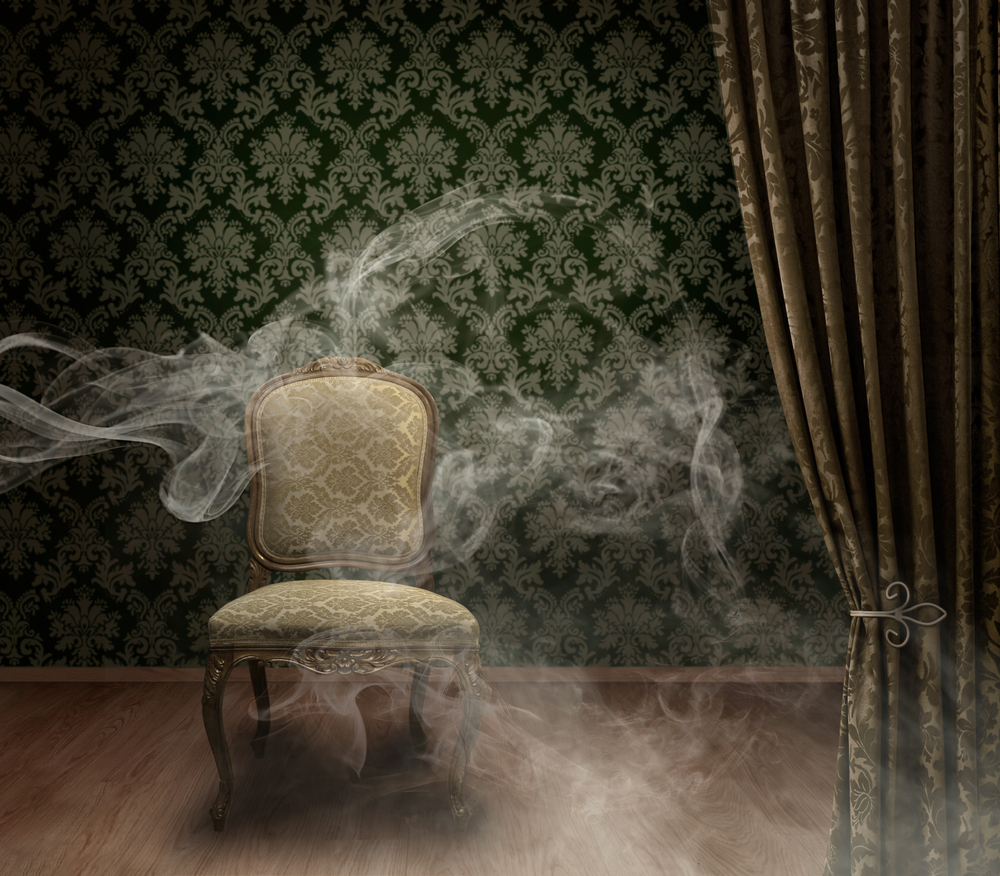
Popular green wallpapers in the 1800s were sometimes produced with arsenic-containing pigments that resulted in extremely vibrant color.
Arsenic is toxic, and dust containing arsenic can present health hazards to those residing or working in contaminated materials.
When nine historic wallpaper samples were tested by the Rhode Island School of Design Museum in 2020, all of them contained arsenic. Surviving wallpapers must be treated carefully with conservation, handling protections, and storage.
Radium standard
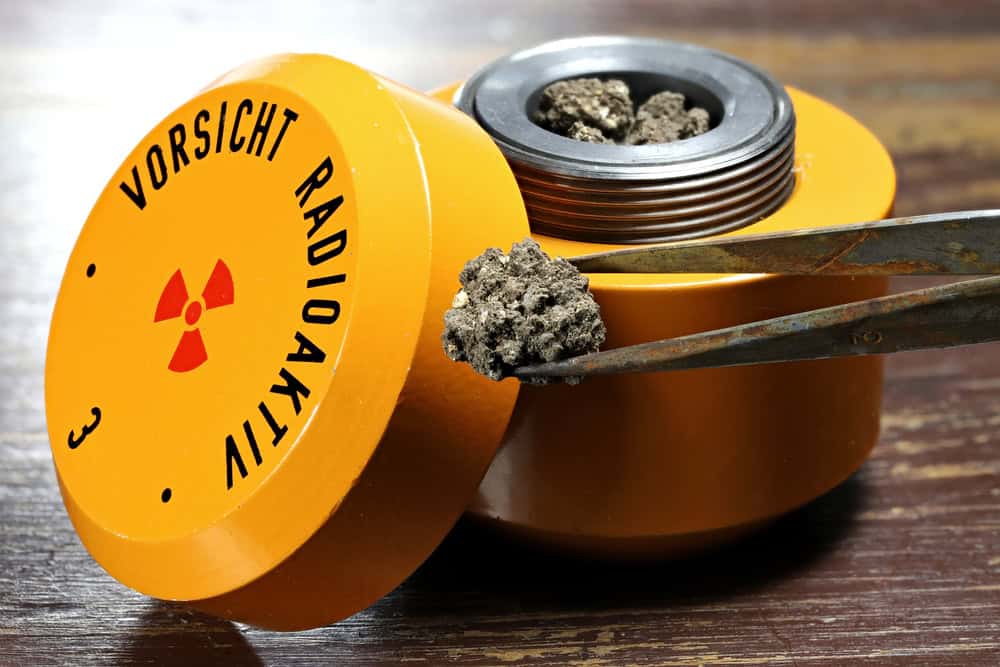
Delivered to the United States in 1913 was a well-measured sample of precisely 20.28 milligrams of radium chloride. Its purpose was to bring consistency to radioactivity measurements throughout the world. It was standardized against the international primary standard by Marie Curie.
Stored today in a lead box at the National Institute of Standards and Technology in Maryland, it is the lone survivor of early radium standards that were eventually discarded as radioactive trash.
The Tomb of Tutankhamun
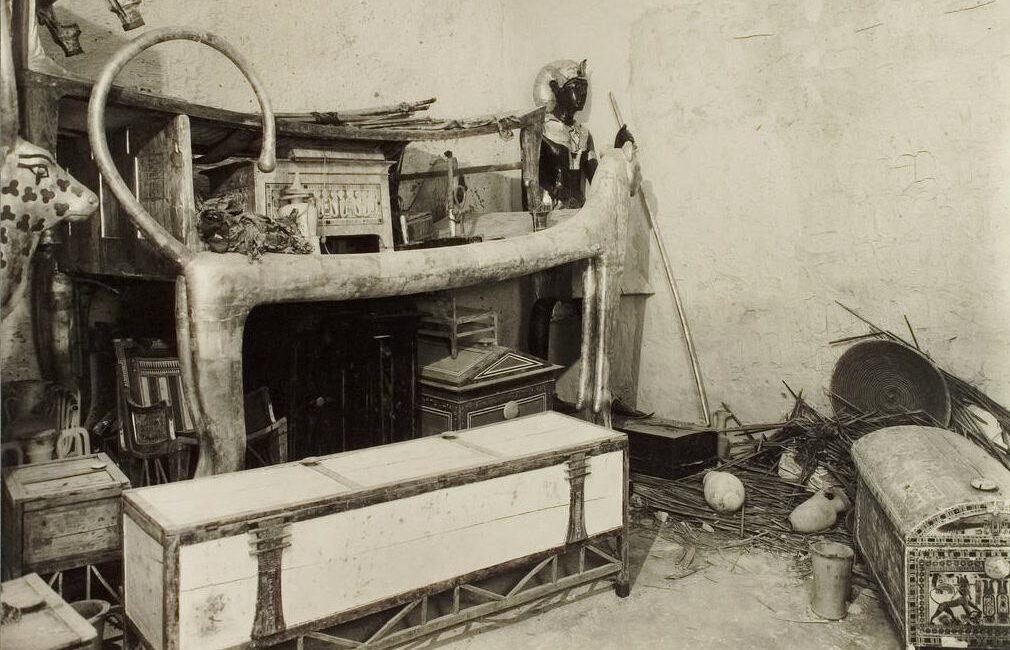
After Howard Carter discovered the tomb of Tutankhamun in 1922, rumours of a supernatural curse began to surface. Lord Carnarvon, who financed the excavation, died the year after they uncovered the tomb, which spurred many to believe in the supposed curse.
Although there is no scientific evidence to support the curse, tombs can hold many physical dangers. Unstable architecture, dust, and unknown organisms are just a few examples. So Tutankhamun’s burial chamber and artifacts have been preserved and are restricted to limited exposure.
The 1918 Influenza virus
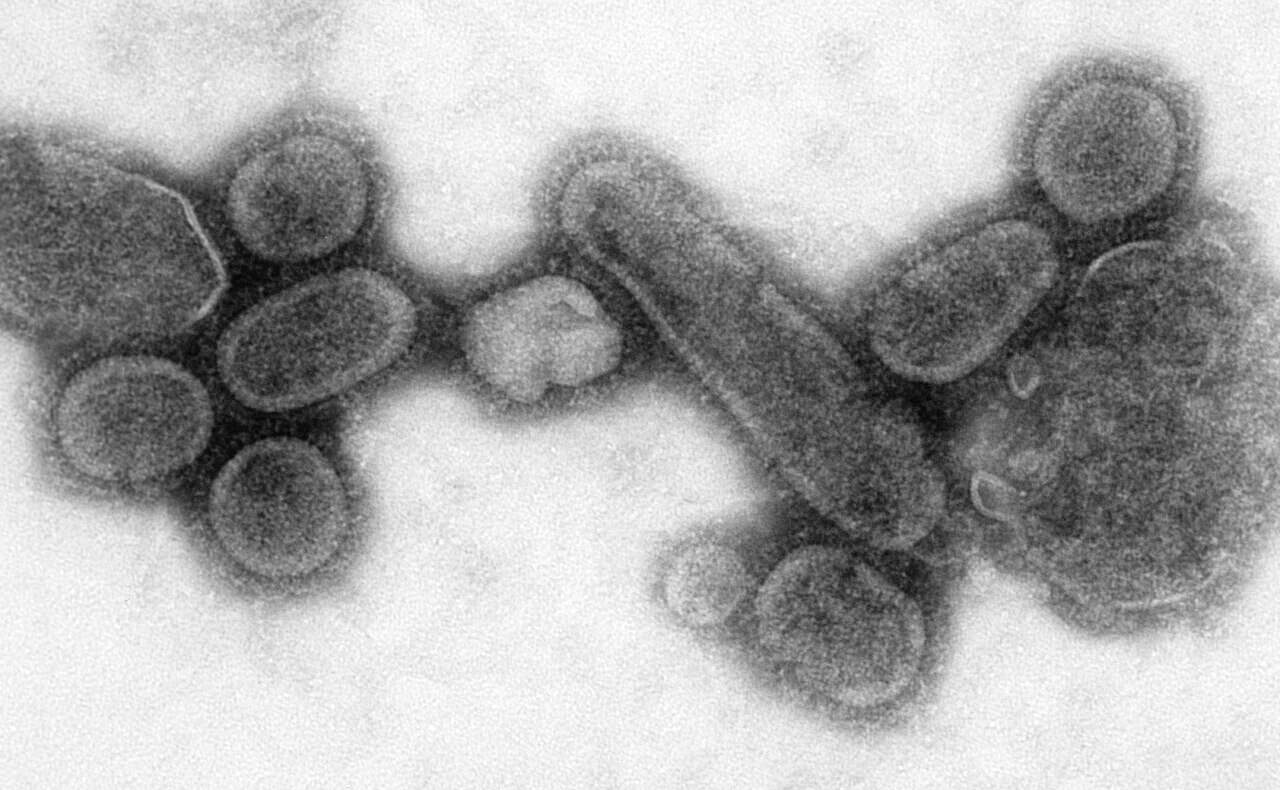
The 1918–1919 influenza pandemic killed tens of millions worldwide. Many years later, viral genetic material was recovered from preserved human tissue samples, allowing the virus from that pandemic to be pieced back together.
You will not find samples on display at a museum. Live virus is studied in high-containment laboratories subject to special safety requirements because accidental infection could have serious consequences.
Sources: Please see here for a complete listing of all sources that were consulted in the preparation of this article.
Like our content? Be sure to follow us.
14 historical figures who had strange personal habits
You might know these people for their inventions or their politics, but it turns out that they had some very strange routines that became part of their everyday lives.

