

The Silent Generation did more than worry about change, yes, but they had some fears about the world and the United States that actually did come true.
The replacement

We’d all love to have a stable job, and the Silent Generation was the same. But they saw automation appearing in factories and offices. They saw machines doing the counting and sorting, the typing and the assembling. It scared them.
They began fearing that machines would replace humans. Their fears came true. Machines began replacing human workers everywhere, and it’s still happening today. AI’s already taken so many jobs.
The other kind of loss

However, the fear wasn’t only about jobs. The Silent Generation also worried that machines would make people feel less human. It was a pretty big deal. They used words like ‘depersonalization’ and ‘dehumanization’ to talk about the new machines.
They feared becoming button-pushers in someone else’s system. Essentially, the machines controlled the workers. That’s what happened. Assembly lines and automated processes gave machines control over the system.
The glowing box
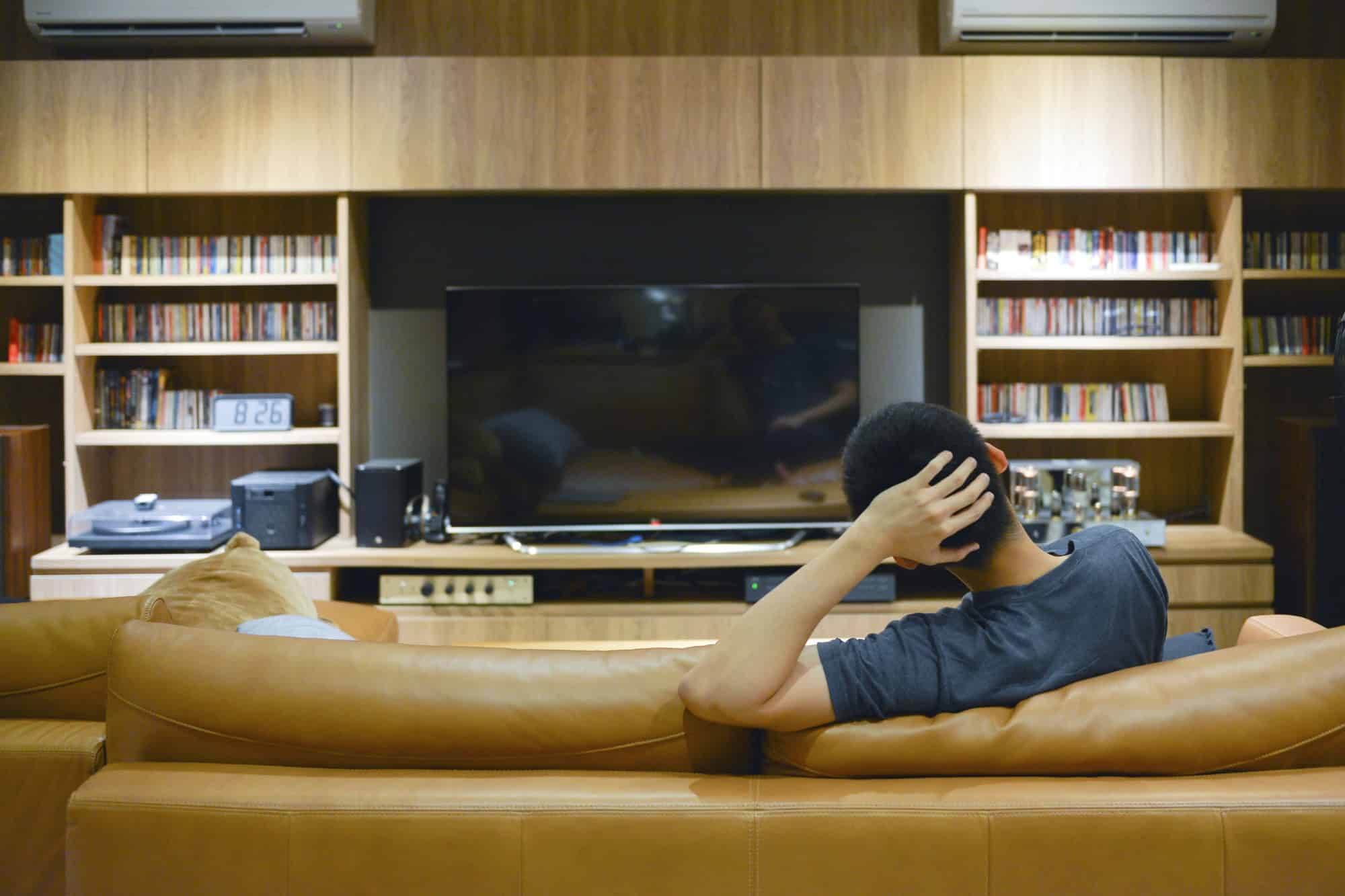
Their generation saw TVs come into living rooms for the first time. But it wasn’t a good thing. No, they were worried about kids being raised by a screen. It got so serious that Congress held hearings about it during the ‘50s.
They were concerned about how TV crime could affect kids. The jury’s still out on that matter. However, their fear of TV ruling the household? That one was real. TV went from a novelty to a daily habit by the end of the decade.
A new crowd

Sure, teenagers have always existed. The idea of them as their own individual culture didn’t, though. It really took off after World War II. Now, there were teen magazines and music made just for the teen generation. It terrified their parents.
Why? Because they were worried that teens would stop copying adults and start copying each other. It’s exactly what happened. Teen culture became its own thing at the end of the ‘50s, and it’s still around today.
The front door

The family structure was pretty familiar to the Silent Generation. Married parents and kids at home, clear roles for everyone. Then things started changing. Divorce rates doubled, for starters, and that scared the Silent Generation.
They were worried it’d be the breakdown of the traditional family. That didn’t happen exactly because we still have families. But the idea’s changed. The number of kids living with two parents has fallen, and the ‘normal’ version isn’t as normal anymore.
Another envelope

The Silent Generation knew a thing or two about war. After all, they lived through Korea and Vietnam. It made them afraid war would return. Unfortunately, they were right.
Americans have been pulled into countless wars over the years. Even now, Americans are at war in Iran. It doesn’t seem like there’s going to be an end to fighting any time soon.
The nearby target

That’s not all for war. The Cold War was pretty real for the Silent Generation. All those serious radio voices and mentions of bombs gave this generation a scary thought. What if enemy weapons weren’t far away anymore?
The Cuban Missile Crisis in October 1962 made that fear a reality. American intelligence found Soviet nuclear missile sites in Cuba, 90 miles from Florida. The rest, as they say, is history.
The party changed

No, they weren’t afraid of a few teenagers experimenting with drugs in private. Their fear was that drugs would be a normal part of the youth scene. The whole ‘do your own thing’ mood in the 1960s really scared them.
Turns out, their fears were valid. Marijuana and other drugs became a huge part of ‘60s youth culture. A lot of young Americans are using illegal drugs to this day. The Silent Generation’s probably wishing they hadn’t predicted this one.
The file cabinet
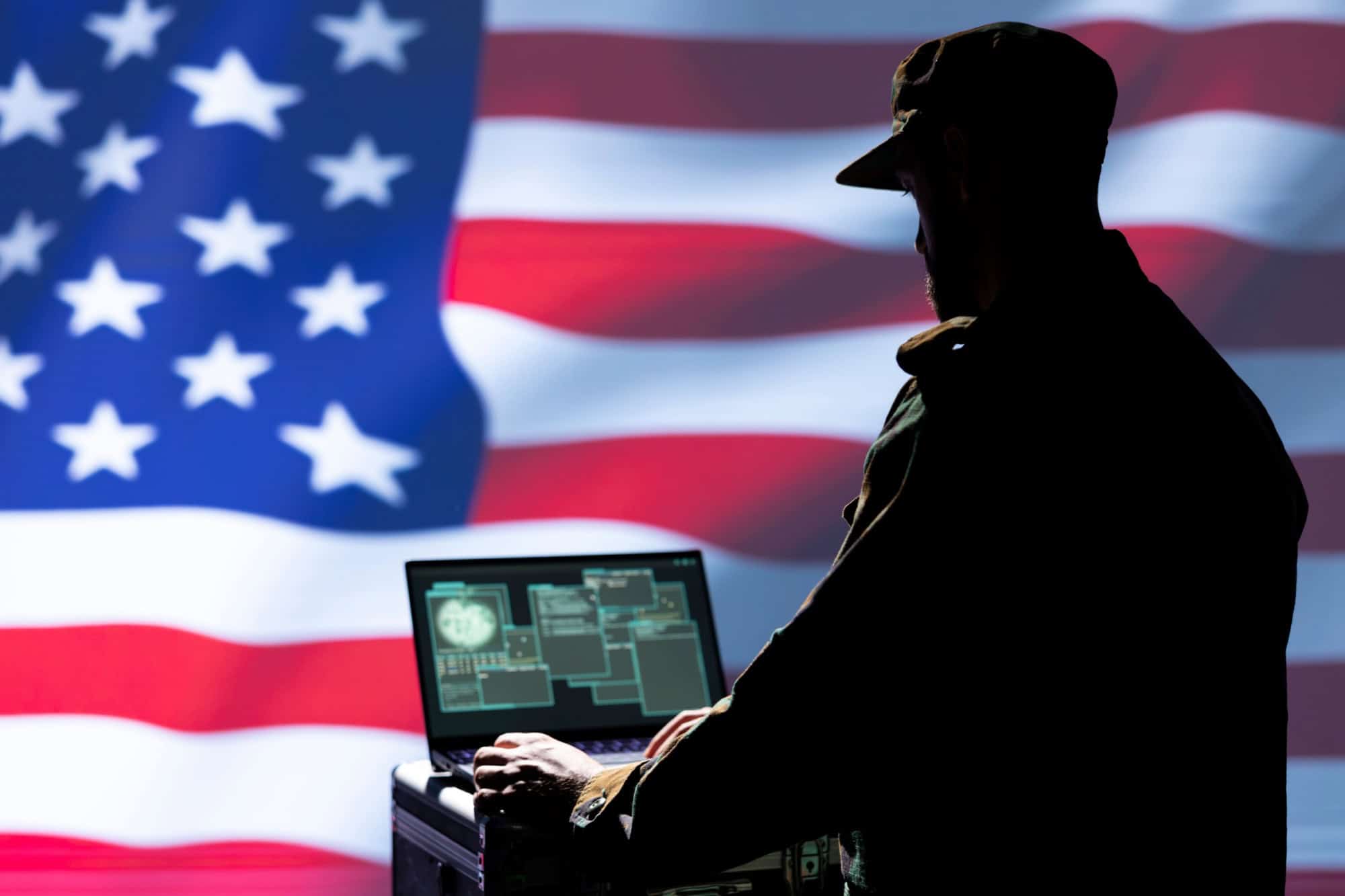
People didn’t need smartphones to be worried about being watched. The Cold War proved that. Many people in the Silent Generation saw the government keeping files on its people. So, they were scared of it happening again.
It did. The PATRIOT Act made sure of that. Sure, a lot of what people say about government surveillance is a conspiracy, but it’s true that they have the power to watch us.
The morning routine

School used to start with prayer or Bible readings. It made religious families think it was completely normal. However, they started getting scared that the schools would take religion away, and kids wouldn’t feel so connected to religion anymore.
The Supreme Court made those fears real. In 1962, Engel v. Vitale ruled that public schools couldn’t have school-sponsored prayers. The Abington School District v. Schempp case a year later made school-sponsored Bible readings illegal. No more religion in schools.
Sources: Please see here for a complete listing of all sources that were consulted in the preparation of this article.

