

What happens after we die depends a lot on who you ask, with different religions describing all sorts of interesting things.
The last day

The story doesn’t end with death. At least, not according to Christianity. Many Christian teachings say that your soul continues after death until the resurrection of the dead. You don’t immediately go to heaven. No, it all has to do with Christ.
Apparently, when He returns, the dead will be raised and judged. Don’t think you can keep any sins secret, though. God knows each person’s life and exactly what they got up to. Only the good will get a restored body.
The coming place
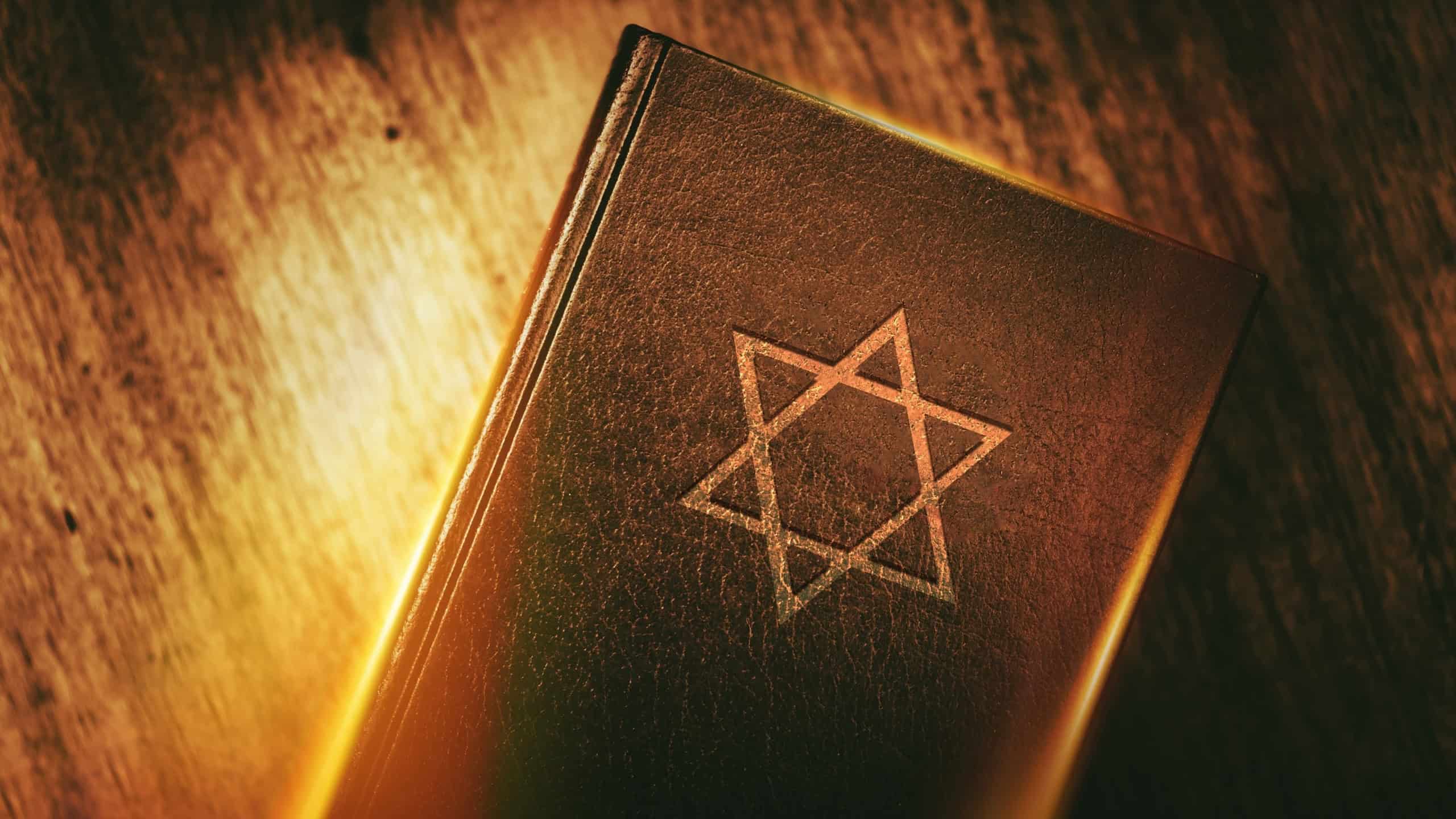
Jews believe in something called Olama Ha-Ba, or ‘the World to Come.’ Some Jewish people say it’s related to the soul’s life after death. Others disagree. In their eyes, it’s part of a future resurrection.
Yes, they believe Olama Ha-Ba has to do with the body coming back. There’s no single Jewish view about what happens after death. It’s more of a big idea with a lot of different interpretations behind it.
The long circle
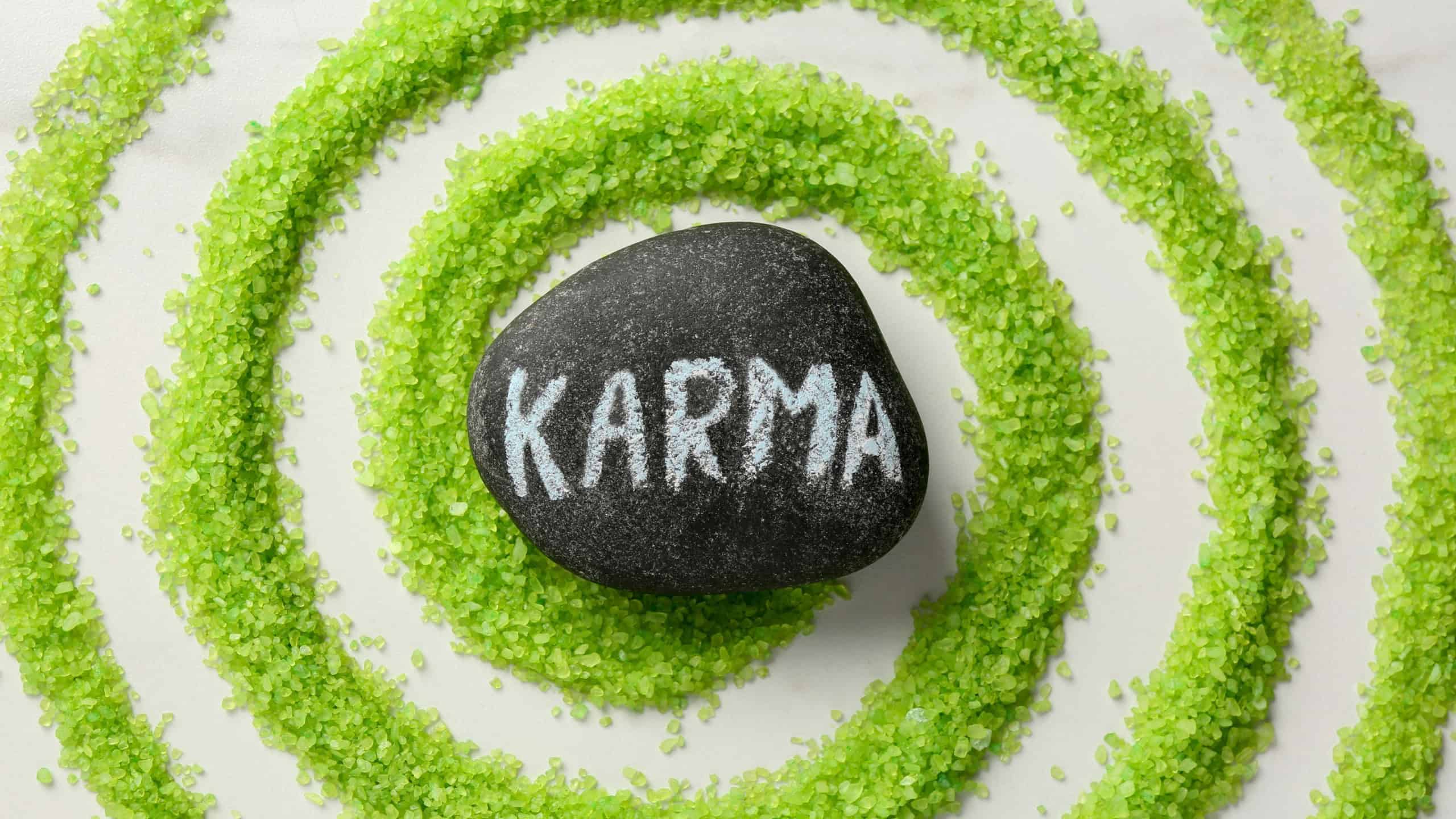
‘Karma’ is a pretty common word these days. But most people don’t know where it comes from. It’s from Hinduism and what Hindus believe. They believe that your soul, called the jiva, moves through samsara. That’s the cycle of birth, death, and rebirth.
How’s karma involved? It decides what you’ll come back as. Do good, and you’ll come back as a human or something else good. Do bad, and you’ll come back as a cockroach. However, Hindus believe in trying to end rebirth, instead of doing an endless cosmic rerun.
The moving flame
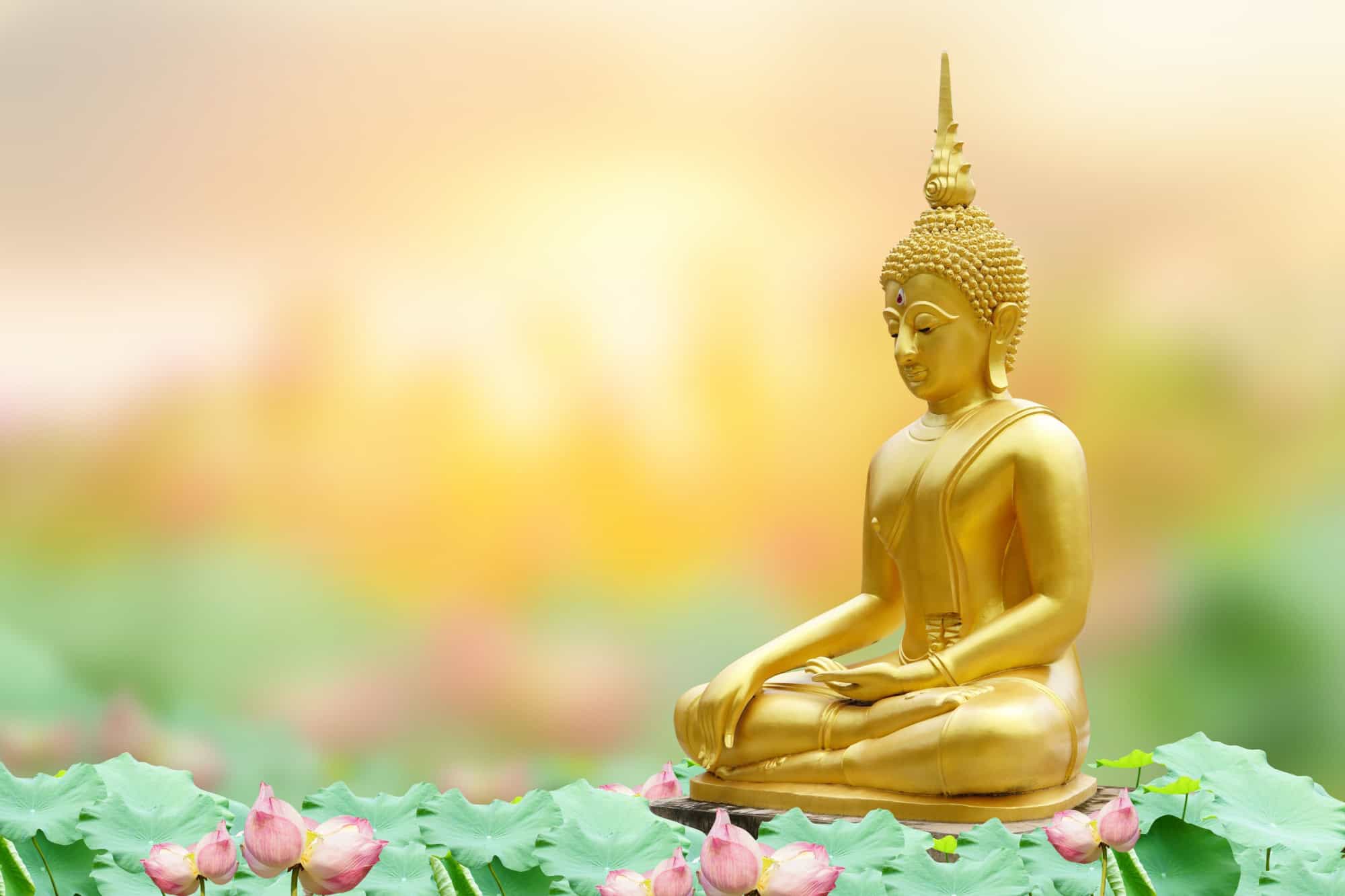
Buddhists also teach the idea of rebirth. But for them, it’s not like you simply move into the next body. They believe in something called anatta, or the ‘not-self.’ You’re not a permanent, fixed soul, but instead, one that changes in each body.
You get reborn because of your karma and actions when you’re alive. They see it as a flame lighting another. The new flame isn’t the same as the old one. However, it also didn’t come from nowhere. The goal for Buddhists? To achieve nirvana and end the cycle.
The narrow crossing

You might not have heard of Zoroastrianism. Still, their beliefs about death are pretty interesting. They believe the soul reaches the Chinvat Bridge three days after you’ve died. It gets there on the dawn of the fourth day. The divine figure Rašn then judges your soul.
Good souls can cross the bridge. It becomes wide enough for them to cross. But it’s not such good news for bad souls. The bridge becomes razor-thin after they’re judged, and they’ll fall from it.
The dark country
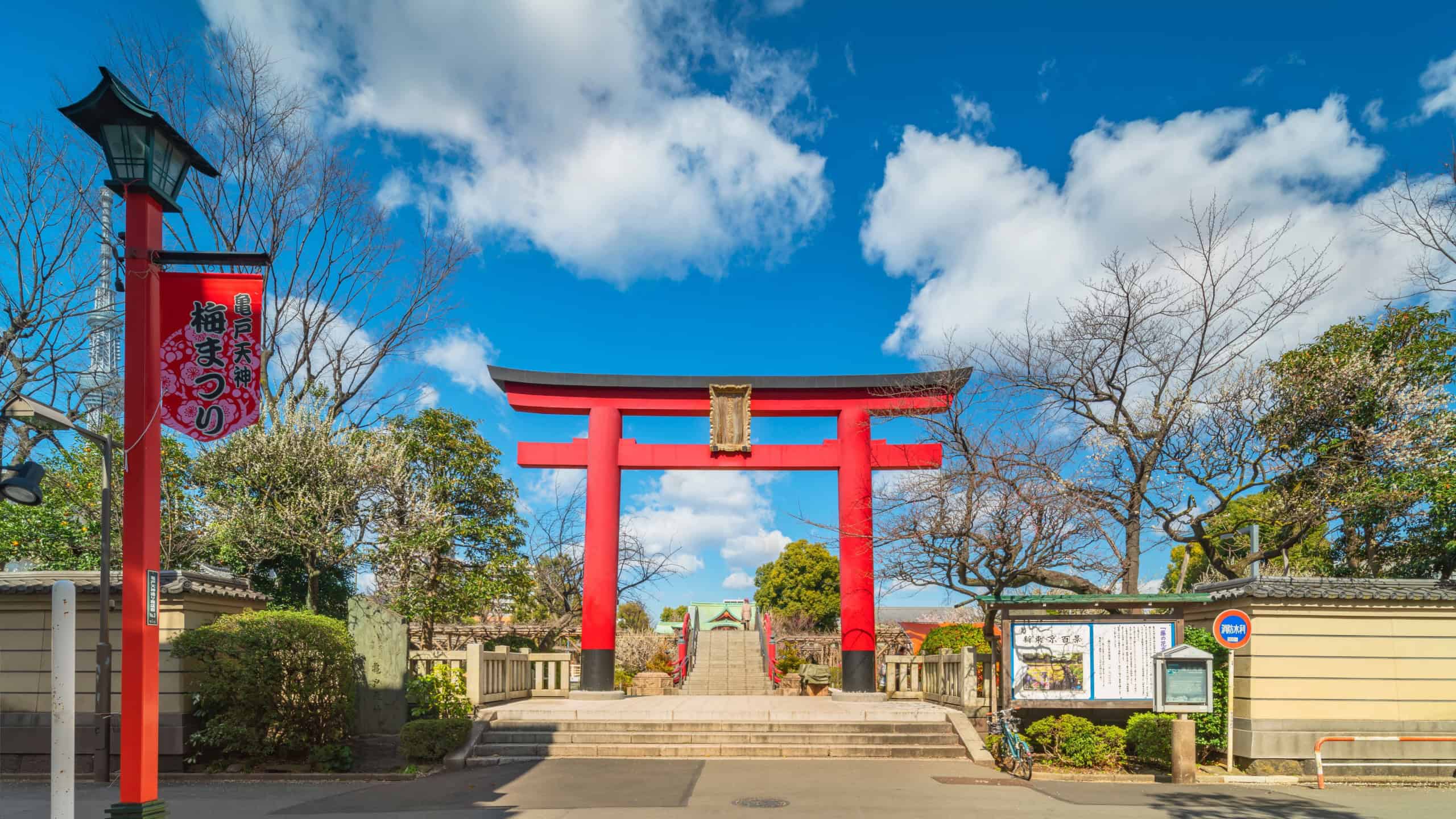
Things are a little more complicated in Shinto. They believe in the idea of Yomi-tsu-kuni, a kind of land of the dead. It’s also called Yomi. Shintoists describe it as a place under the Earth for the dead. However, it’s not the same as hell.
Hell’s a place for you to be punished, Yomi is just a place for the dead. It’s kind of like Hades for the ancient Greeks. Not good, but not bad either. Shintoists believe that, no matter what you did in life, your soul’s going to live forever in Yomi.
The waiting place
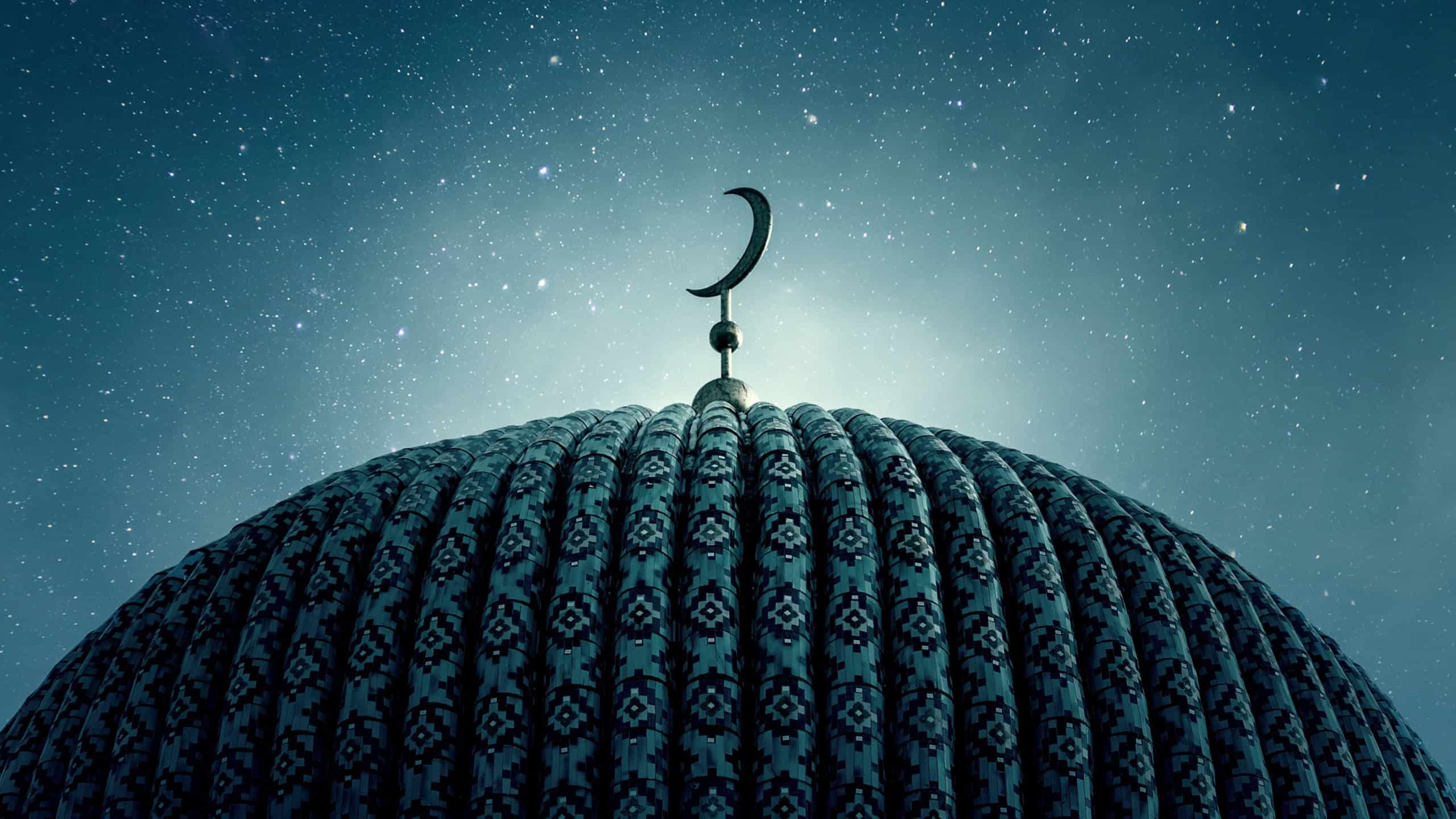
Death has a waiting time built into it, according to Islam. Muslims believe that after you’re buried, your body goes through Barzakh. That’s the barrier between this life and the next. But it’s not the final destination. No, it’s where people stay until they’re resurrected.
Think of it as being a waiting room before the Last Day. Your soul waits there until the day comes when Allah judges everyone. For Muslims, the biggest moment comes a lot later. It’s not exactly when you die.
Sources: Please see here for a complete listing of all sources that were consulted in the preparation of this article.

