

Throughout history, God has intervened when he felt it necessary to punish sin and make his judgment known to all, as demonstrated in the events that follow.
The Flood
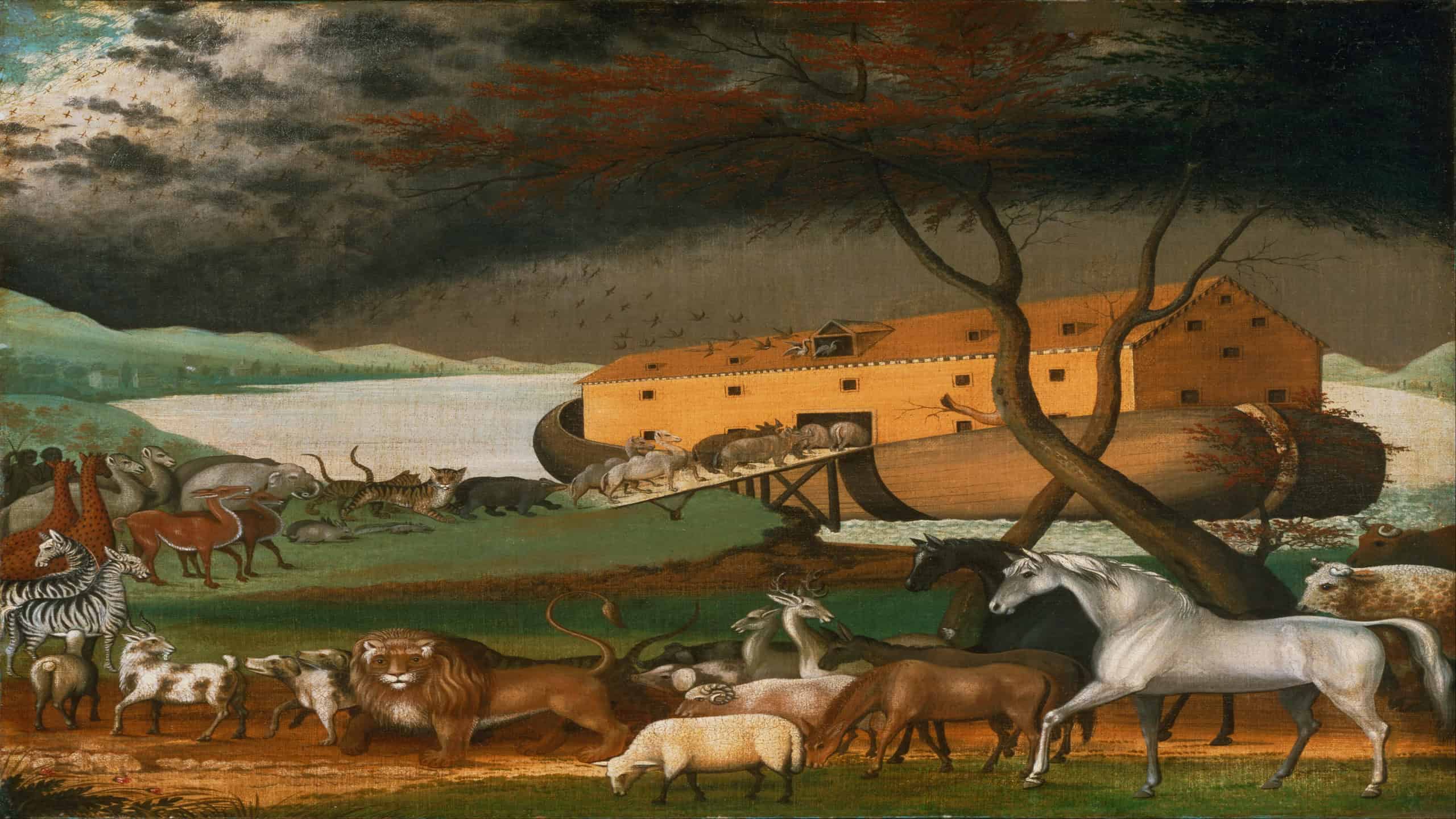
After humanity had grown exceedingly wicked and hardened their hearts against God, he flooded the earth and wiped away human history as we know it (Genesis 6–9). Noah was righteous before the Lord, so God spared Noah and his family to repopulate the earth.
Sodom
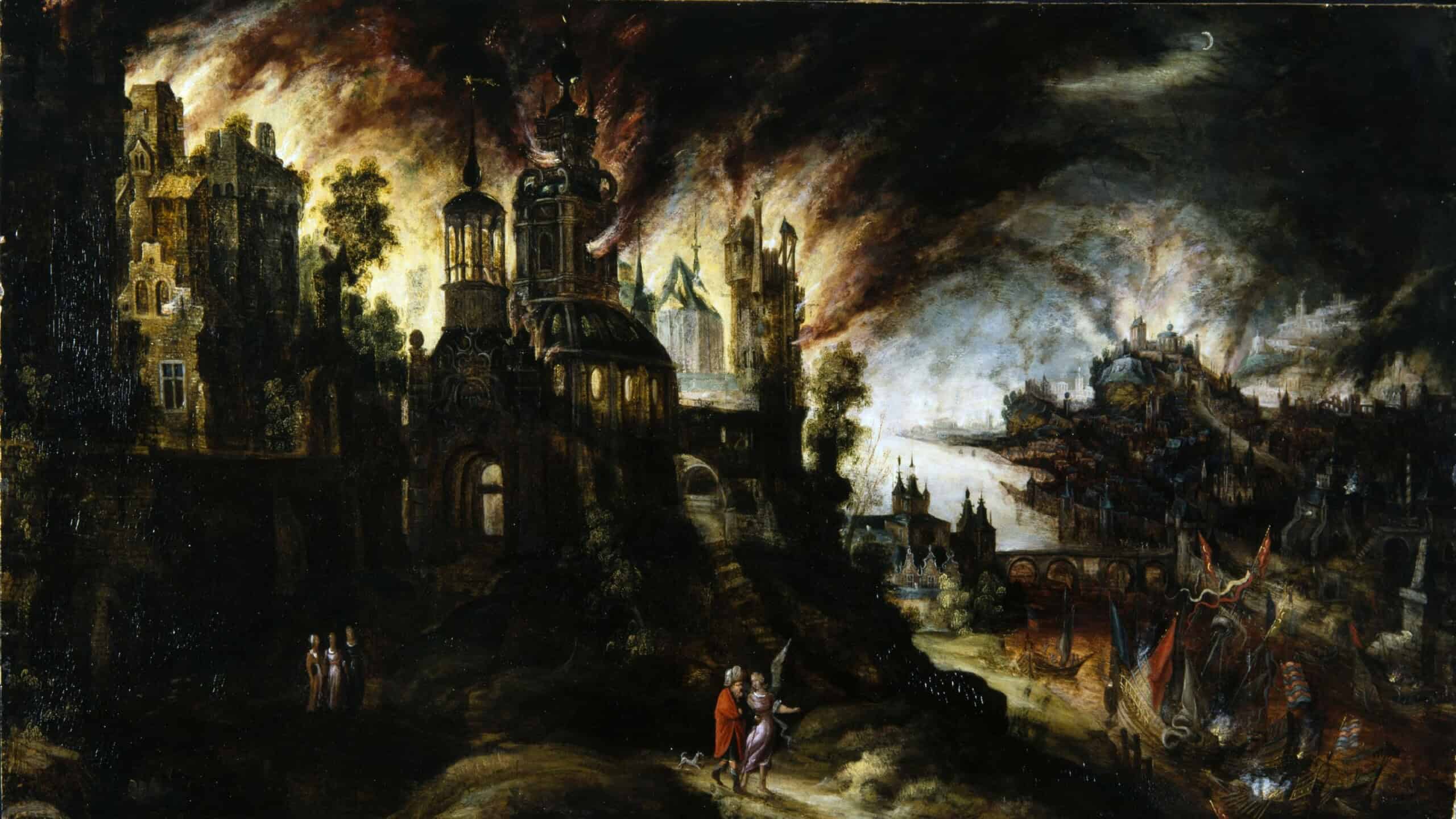
Judgment came against Sodom and Gomorrah because their cities became notorious cesspools of evil and sexual perversion. Injustice ruled the day as those who were different or weak were slaughtered.
The complete destruction of two entire cities reminds us that humanity cannot get away with suppressing the rights of others without someday coming to a day of judgment against them.
The Plagues
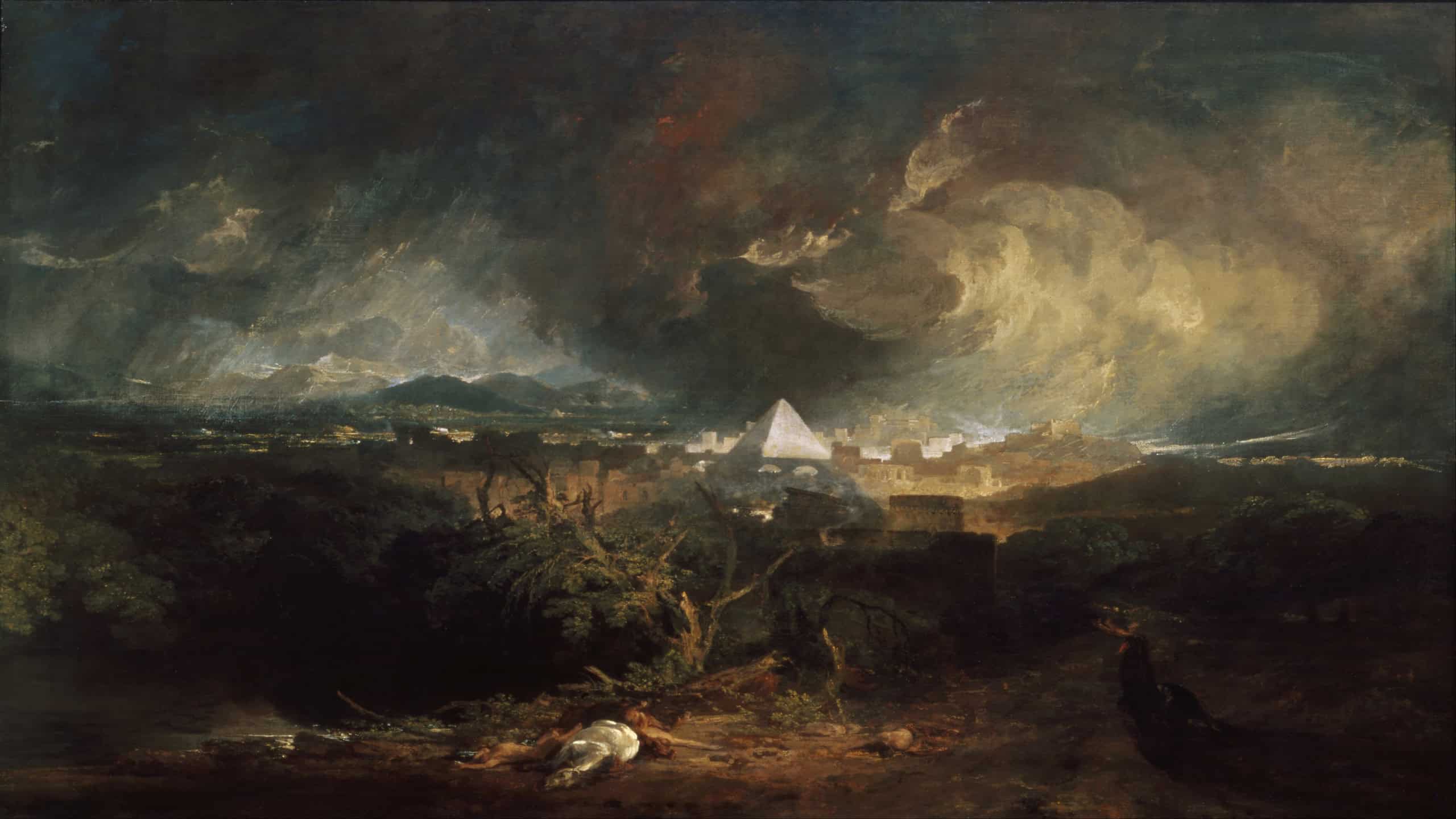
When Pharaoh continued to refuse to free God’s chosen people, He poured out judgments upon Egypt. These ten plagues demonstrated God’s power over nature and every deity that Egypt worshipped.
While freedom from oppression was the immediate result of these judgments, the removal of Egyptian power was to serve as proof to everyone around Israel that the true Power rules over everything.
Northern Exile
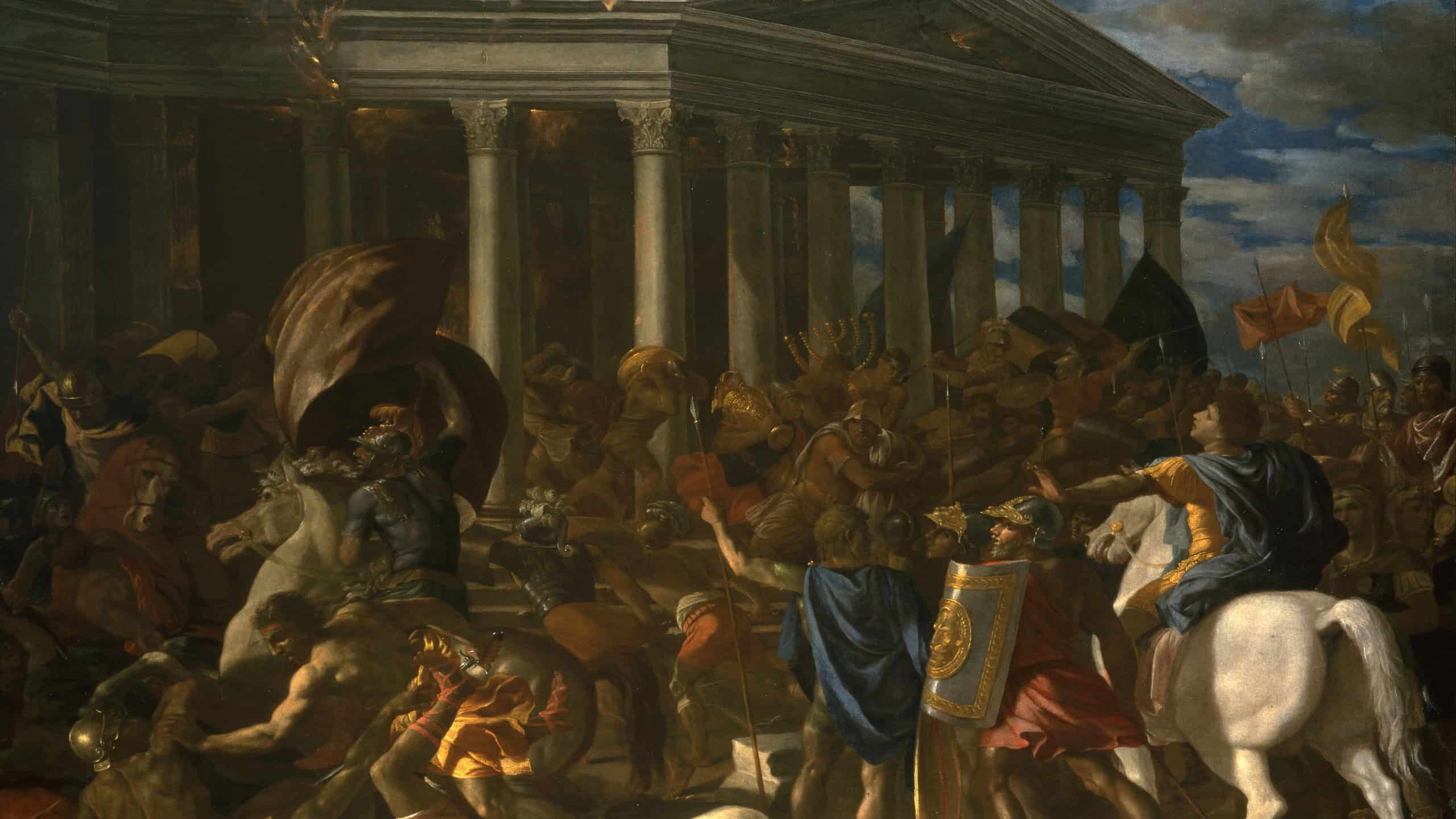
Israel had spurned the warnings of the prophets and ignored the law of the covenant for years. They turned to idolatry and corruption.
As a rising power, Assyria eventually attacked, destroyed, and deported the Northern Kingdom as judgment from God. They rejected the ways of the covenant, and the covenant protection was successfully removed from them.
Jerusalem Falls

Like their brothers in the North, Judah stood firmly against God. When they too became filled with pride, internal-idolatry, and oppression of the widow, orphan, and poor, God allowed Babylon to invade.
The Babylonians sacked Jerusalem, destroying the Temple. All of Jerusalem fell because they abandoned the command to love God and others.
The Handwriting
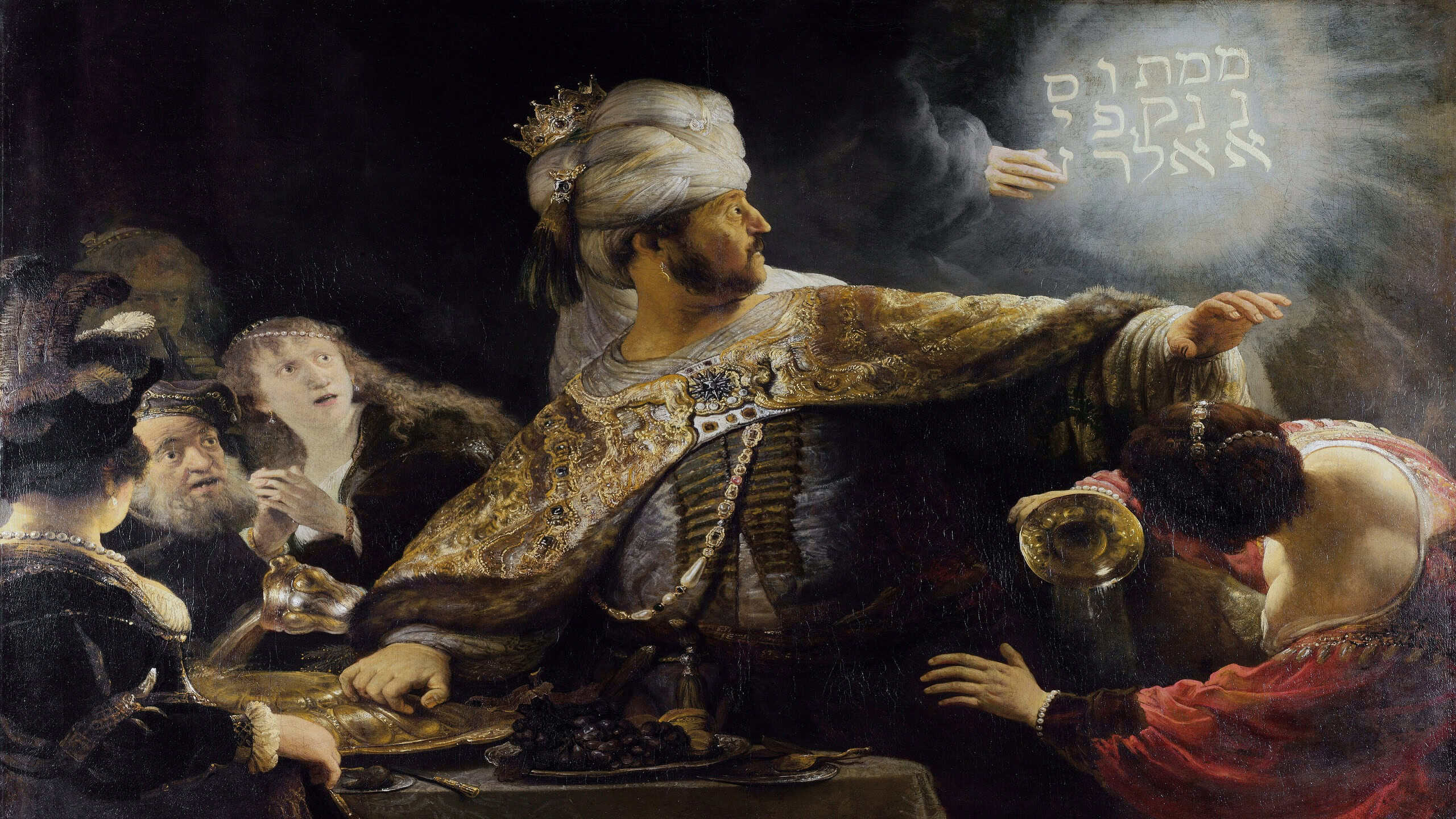
King Belshazzar threw a decadent party, using the gold and silver drinking cups stolen from the Temple as part of his drunken festivities.
As he looked up, bragging about how great his kingdom was, he saw a disembodied hand writing words of judgment on the wall that declared his kingdom was now over.
Sudden Dishonesty

The Early Church was committed to living by the power of honesty and sharing with others. When Ananias and Sapphira sold their land but lied about the profits so they could look generous in front of the church, they were judged and subsequently died.
Ananias and Sapphira’s sin reminds us that churches are meant to uphold radical honesty with God and one another.
Herod’s Pride

Herod Agrippa was a Jewish king who had accrued considerable power during his lifetime. Standing in front of a crowd one day, Herod accepted their praises and failed to redirect the glory to the one who deserved it: God.
Instantly, he was struck with a fatal illness that made him aware of his place as a human. Godly reminders like these tell us that no matter how much power we gain in life, we are still only men.
Divine Revelation
Revelation speaks in imagery about seals being broken, trumpets being blown, and bowls being poured out. God judges sin and evil from the earth.
When He’s finished, there will be no more suffering or injustice. God will judge the world and restore it to how it was intended to be.
Final Accountability
On the final day, the Bible tells us that every human being will stand before God on the Great White Throne of Judgment. Regardless of who you are or where you come from, your life will one day be held accountable.
This scene will finalize the books of history, and everyone will be judged by God’s perfect standard of righteousness.
Sources: Please see here for a complete listing of all sources that were consulted in the preparation of this article.

