

While some foods might’ve made American diners turn up their noses once upon a time, these same foods are the ones that have ended up in fancy restaurants with hefty price tags.
The tongue nobody wanted
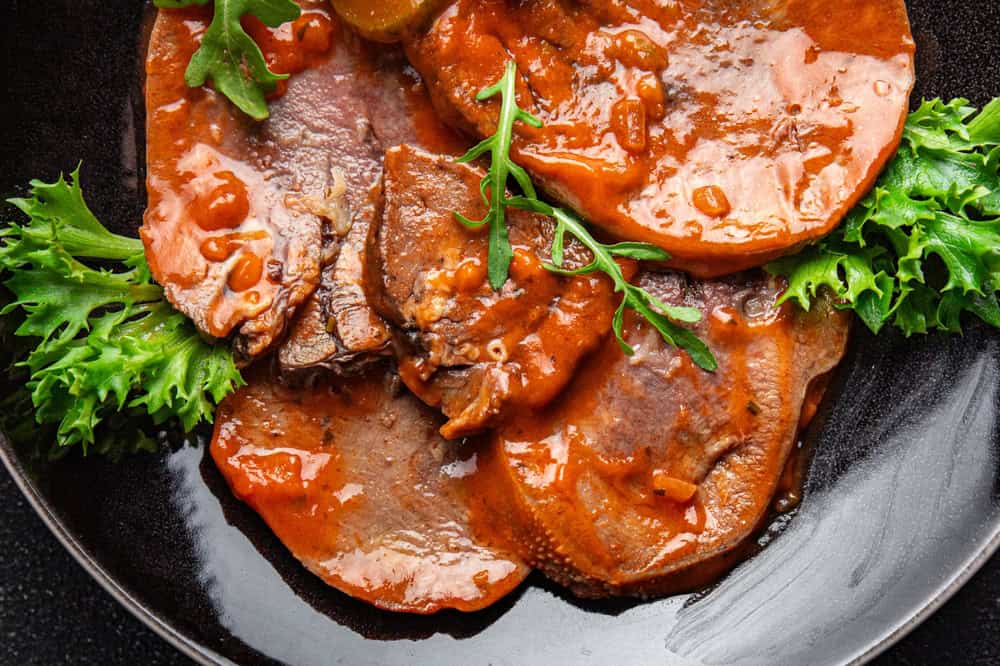
Eating a cow’s tongue is strange, and that’s mostly because it’s covered in rough skin. This isn’t the kind of meat you can simply throw into a pan. No, you need to cook it properly and peel off the outer layer first, something that many Americans didn’t want to do before.
But you’ll find that there are many upscale restaurants that now serve grilled tongue with fancy sides. Some restaurants will pair it with things like duck-fat potatoes and pickled beets to really bring out the flavor. It’s kind of funny how much things have changed.
The feet on the plate
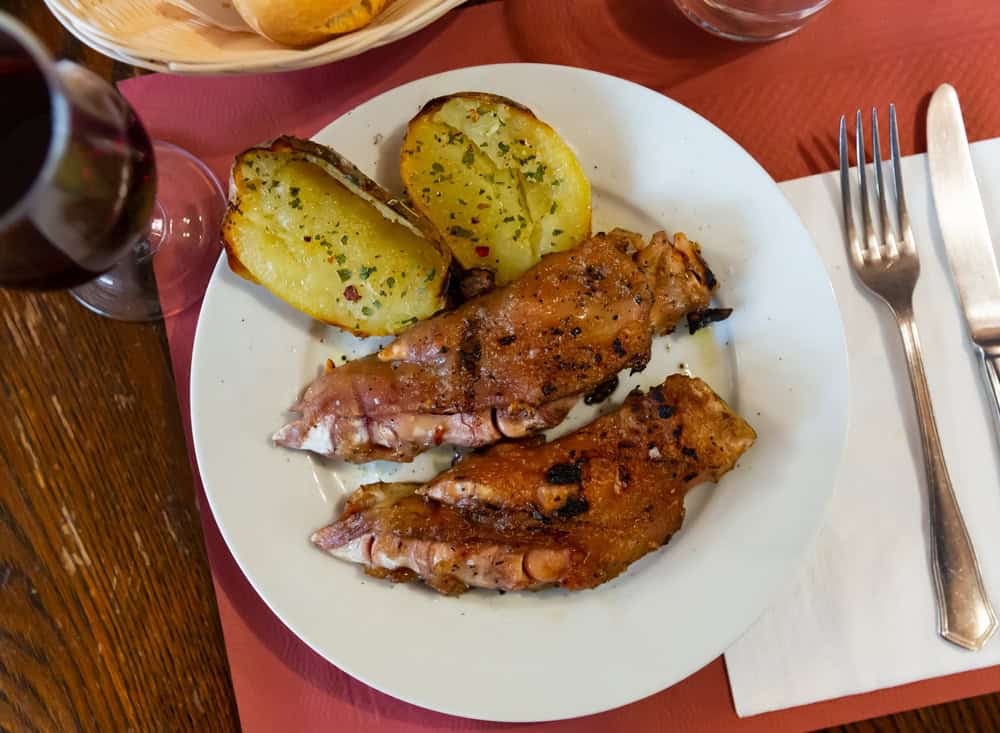
In the 1950s, many butchers practically gave away pig’s feet, and that’s mostly because there was very little meat on them. They’re mostly just skin and bone. The texture itself becomes quite gelatinous after you cook the feet, too, and that’s not something everyone used to like.
But chefs like Pierre Koffmann discovered a way to make this humble dish a lot fancier. Yes, he made pig’s feet seem like something you’d eat in an expensive restaurant. It mostly involves stuffing the feet with sweetbreads and morel mushrooms before slowly cooking them.
The butcher’s leftover
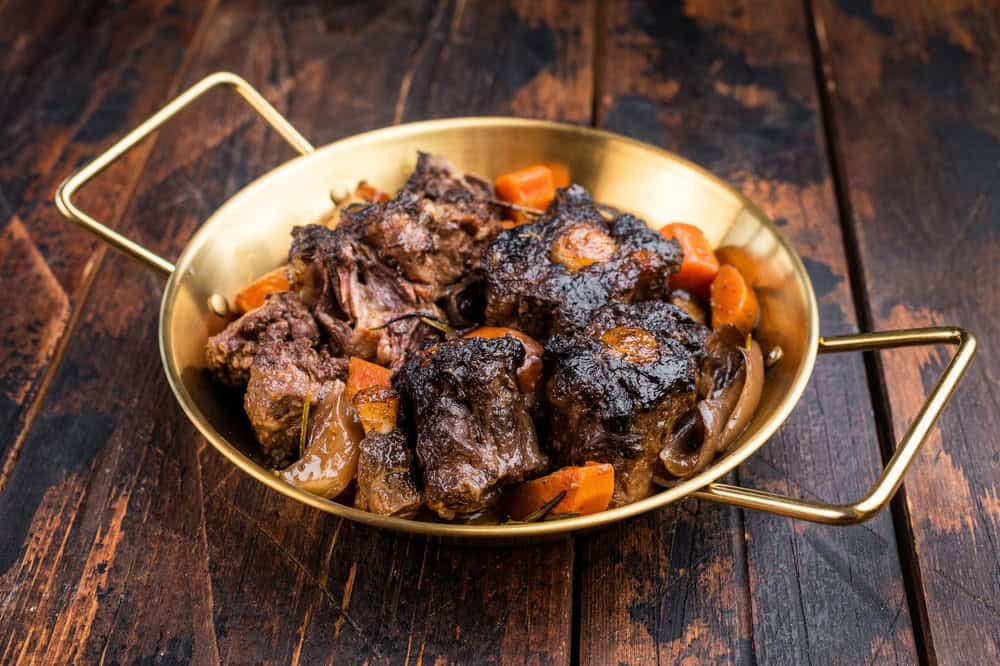
Oxtail used to be a pretty cheap food, and that meant a lot of people bought it when they couldn’t afford something nicer. You get plenty of bone and cartilage with it, along with some meat that requires hours of cooking. Oxtail stew has been very popular with Caribbean and Black American families for decades.
It seems that the restaurant chefs have finally caught on, too. Now, you’ll find oxtail in braised dishes and pasta dishes in upscale restaurants across the country. Even the price has changed. In April 2015, the average wholesale price of oxtail was $5.99 per pound, but in July 2024, it went up to $14.19.
The liver on toast
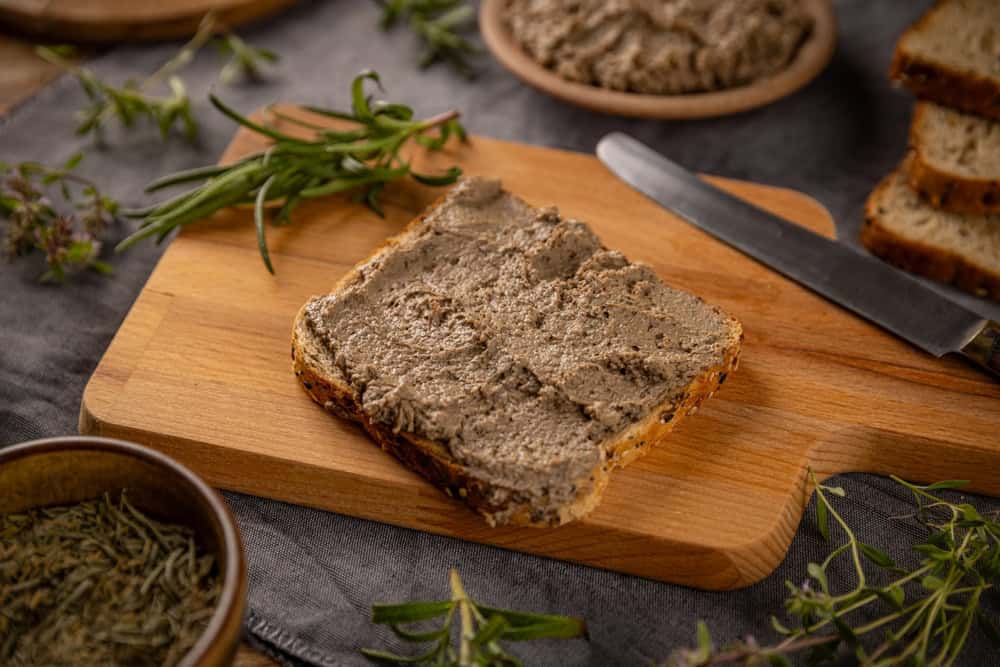
Anyone who ate chicken liver as a child will probably still remember the taste now. It’s just so metallic. That’s part of the reason why it used to have such a bad reputation, along with the fact that overcooking liver makes it taste even worse.
Most people don’t consider organ meat a treat. But today, chefs have begun blending chicken livers into creamy mousse and serving it on toasted bread. Just look at Philadelphia’s Friday Saturday Sunday, for example. They paired the mousse with apple butter and mustard seeds to make something almost unrecognizable. It’s still chicken liver, though.
The steak without a stove
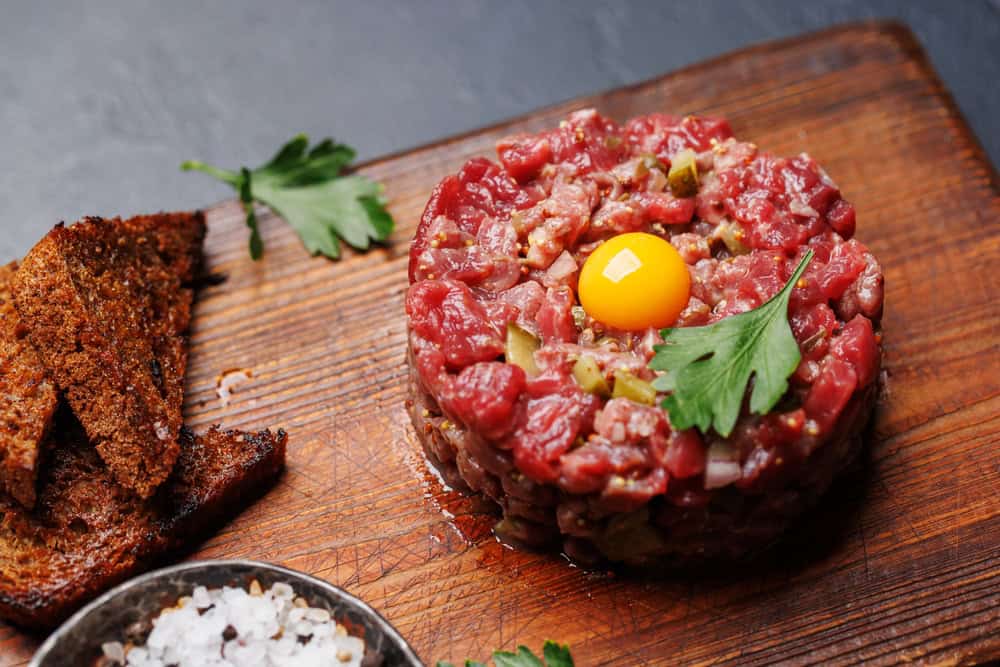
When you pay for steak tartare, you’re essentially paying for the chef to not cook a steak. That’s all it is, finely chopped raw beef with other ingredients like onions and capers. The idea of eating uncooked meat is something many people used to hate. Some still do.
Yet the dish has gone through a bit of a transformation, and it’s seen as a delicacy in many expensive restaurants. You do have to be careful where you get it from. Buy it from the wrong place, and you’ll probably end up with food poisoning instead.
The eight-legged appetizer
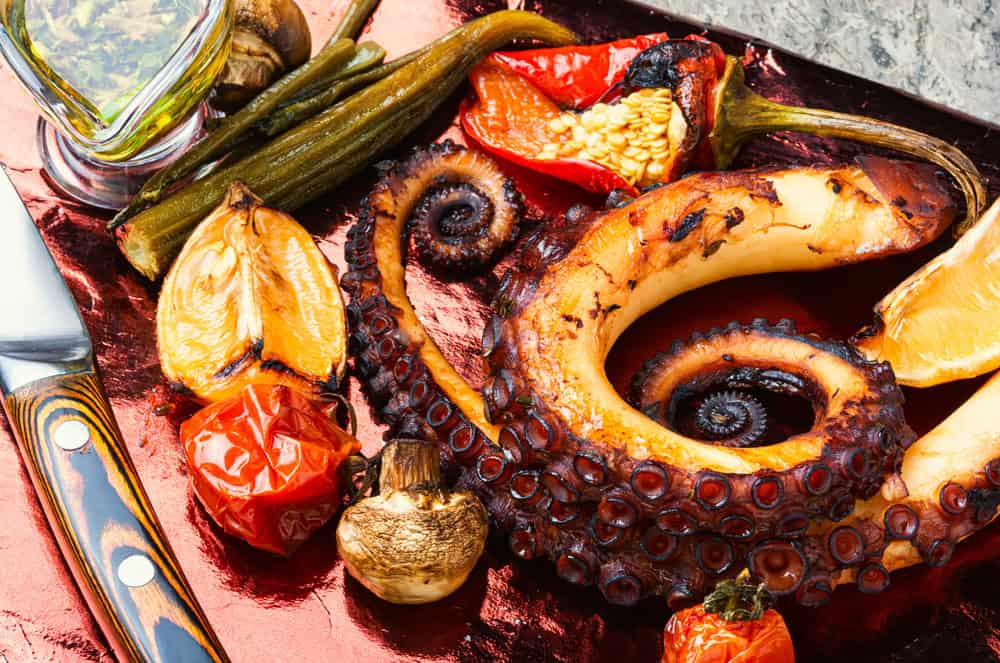
There are many reasons why it’s hard to get used to eating octopus. For starters, there are eight arms, and each one has suckers on it. Badly cooked octopus can also be quite chewy. Grilled octopus has been popular among Mediterranean communities for centuries, of course.
Americans, however, weren’t very familiar with it during the 1950s. That’s all changed. There are quite a few restaurant chefs who will tenderize the meat before putting it on the grill. They’ll add some lemon and olive oil, along with some char, to make those tentacles way more appetizing.
The fish in lime juice
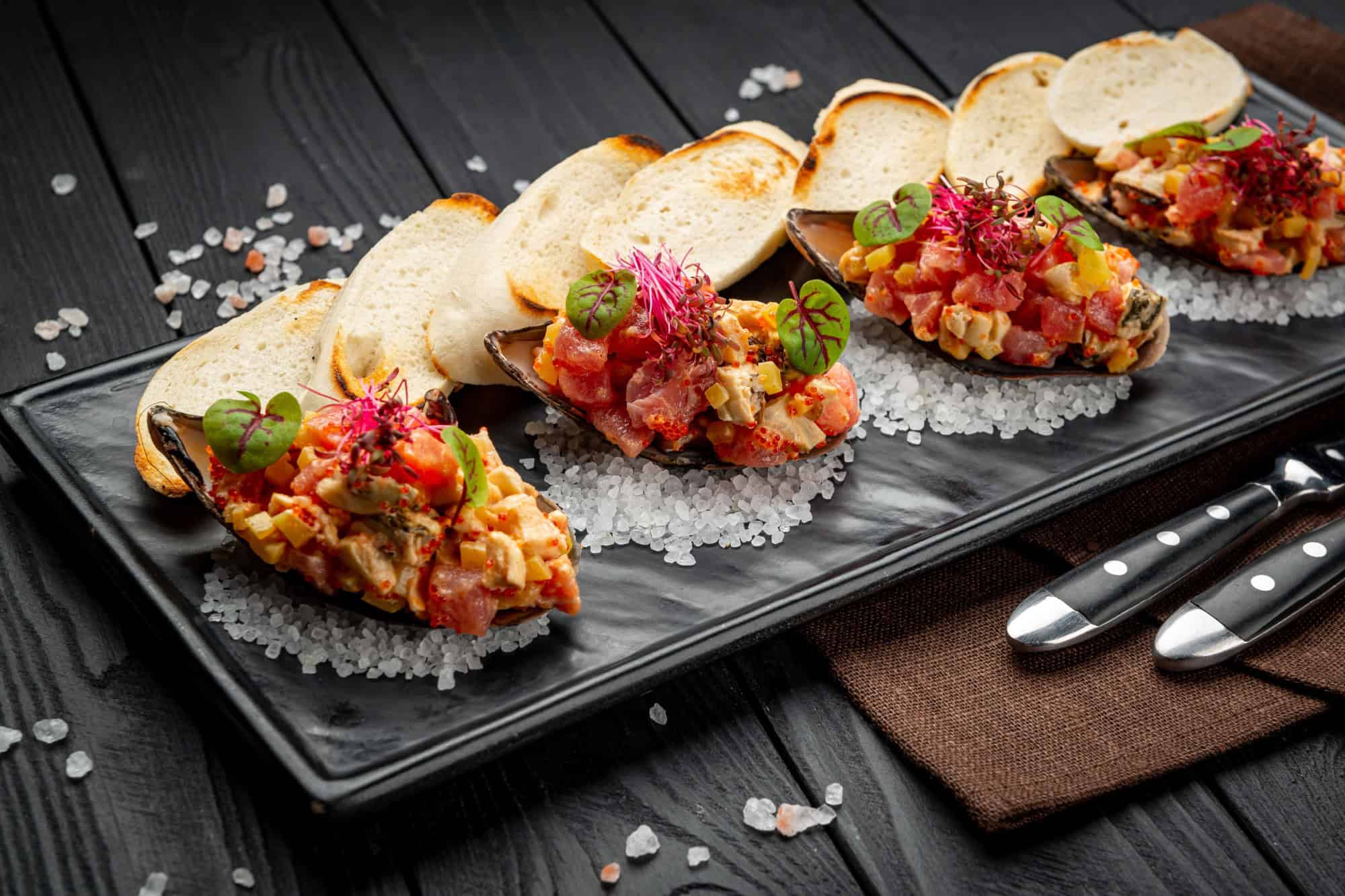
What confuses a lot of people about ceviche is the fact that you don’t cook the fish when you make it. No, it’s just fresh seafood that soaks in citrus juice until the acid changes it. It’s a traditional dish that’s popular along Latin America’s Pacific coast. But not in the United States.
In fact, most Americans during the 1950s would probably have confused it with completely raw fish. That fact only makes ceviche’s change in reputation more interesting. It became more popular in upscale restaurants during the late 20th century, eventually turning into a dish that you can get with all sorts of interesting extras.
The fish with an unfortunate face
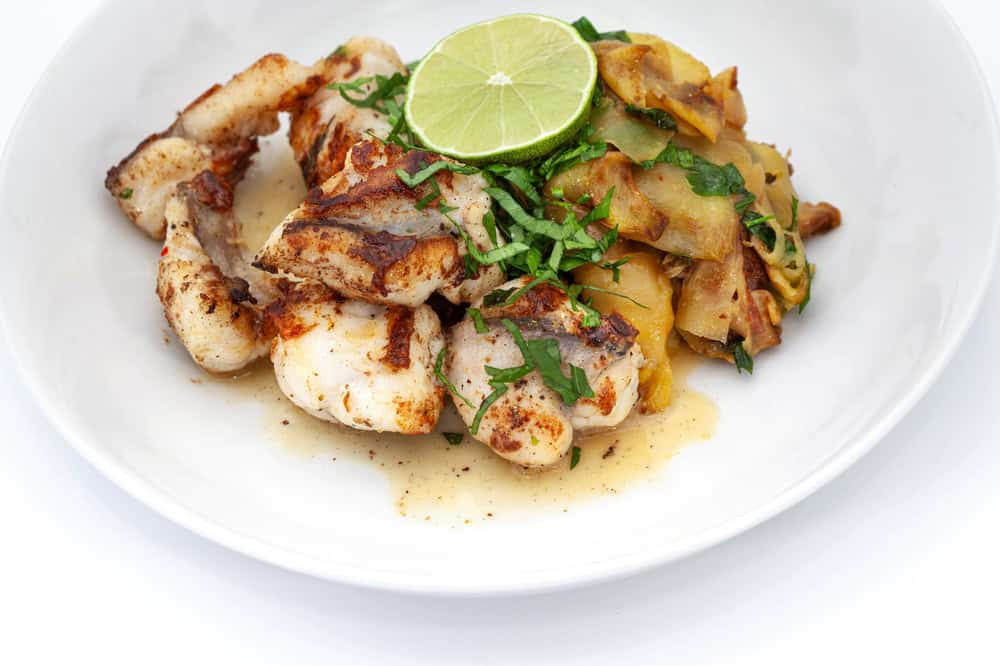
One of the main reasons monkfish was hard to sell was because it’s so ugly. The fish has a huge, flattened head, as well as a mouth full of sharp teeth. It also looks permanently grumpy. The tail, however, is something completely different, and it has quite a firm texture.
It actually tastes a bit like lobster, and that’s where the nickname ‘poor man’s lobster’ comes from. It’s definitely not for a poor man now, however. A lot of upscale chefs pan-sear monkfish in butter and serve it with rich sauces. It has even become one of the Northeast’s highest-valued finfish. What a change.
The catch fishermen couldn’t sell
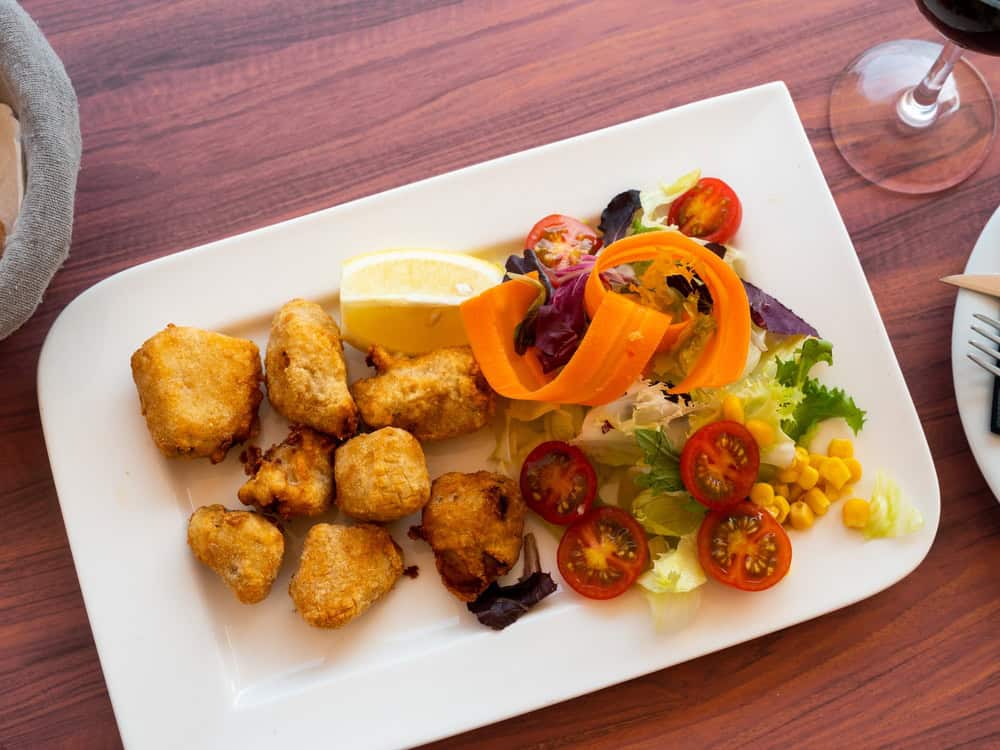
Dogfish was another kind of seafood that American fishermen had trouble selling. They’d catch a lot of them, sure, but many people didn’t want to eat dogfish because it’s a kind of small shark. Even during the 1950s, fishermen struggled to find buyers for their catches.
Later, though, chefs discovered that the dogfish’s firm, white flesh is great for grilling, so they gave it a go. Quite a few modern restaurants now serve it in rather experimental ways. It’s quite a far cry from the things people used to think about dogfish.
The fisherman’s breakfast
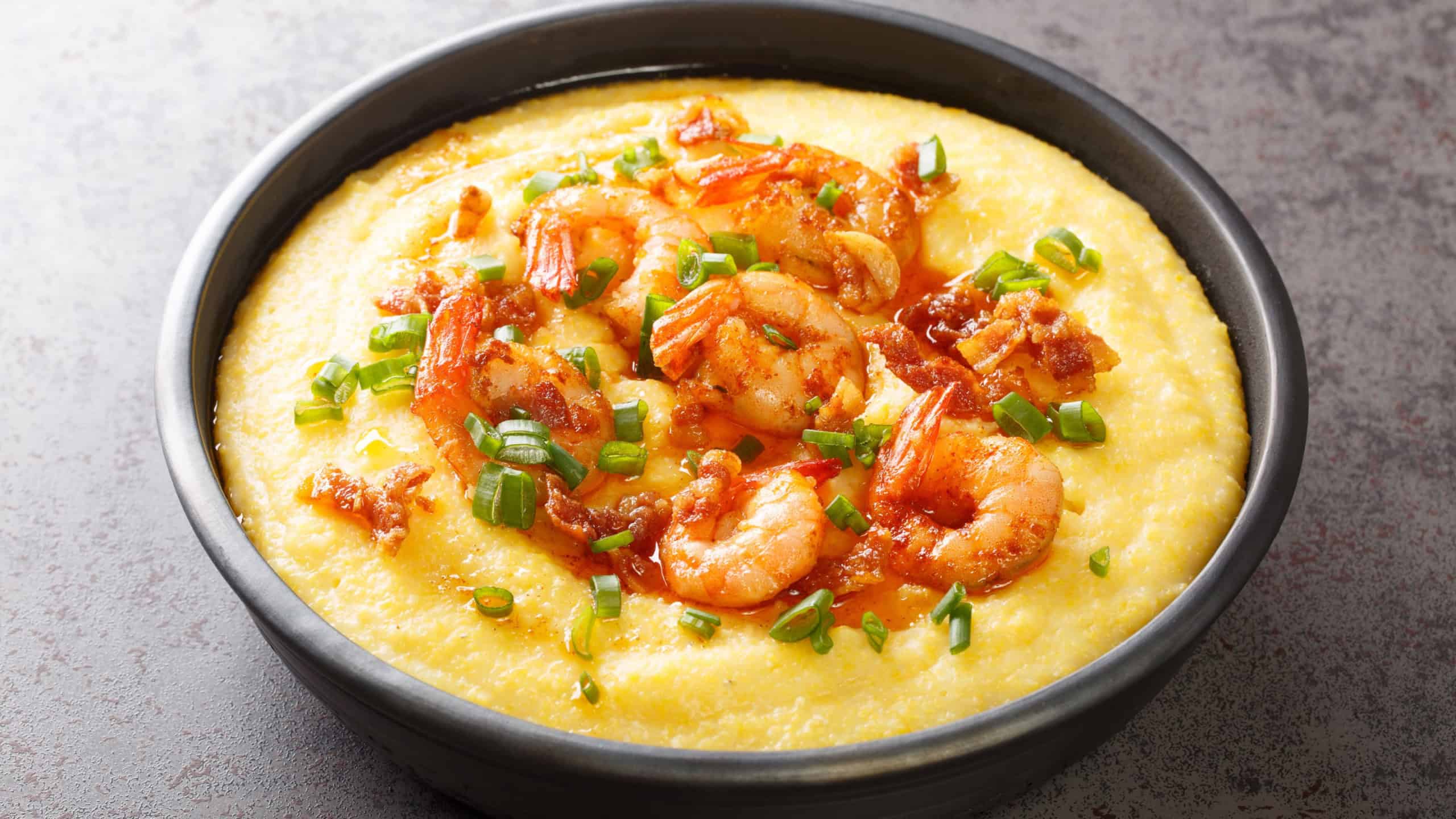
Shrimp and grits just wasn’t something you’d see on an expensive restaurant menu during the 1950s. Not because it’s bad or anything, as it’s actually quite good. It was just considered more of a Southern comfort food than a ‘real’ dish. It was far more popular as a fisherman’s breakfast.
In the 1980s, chef Bill Neal began serving his own version at Crook’s Corner in North Carolina, and it helped change people’s attitude towards the dish. He added cheese, bacon, mushrooms, and scallions. Soon enough, other upscale restaurants started making their own versions.
Sources: Please see here for a complete listing of all sources that were consulted in the preparation of this article.
14 grandpa meals young people should learn to appreciate

There are so many grandpa-style meals out there that look old-fashioned at first, but when you sit down to eat them, they taste a whole lot better.
