
It’s not the big purchases or vacations that give away how someone grew up, but instead, it’s the little reactions nobody actually thinks about.
The half-full plate
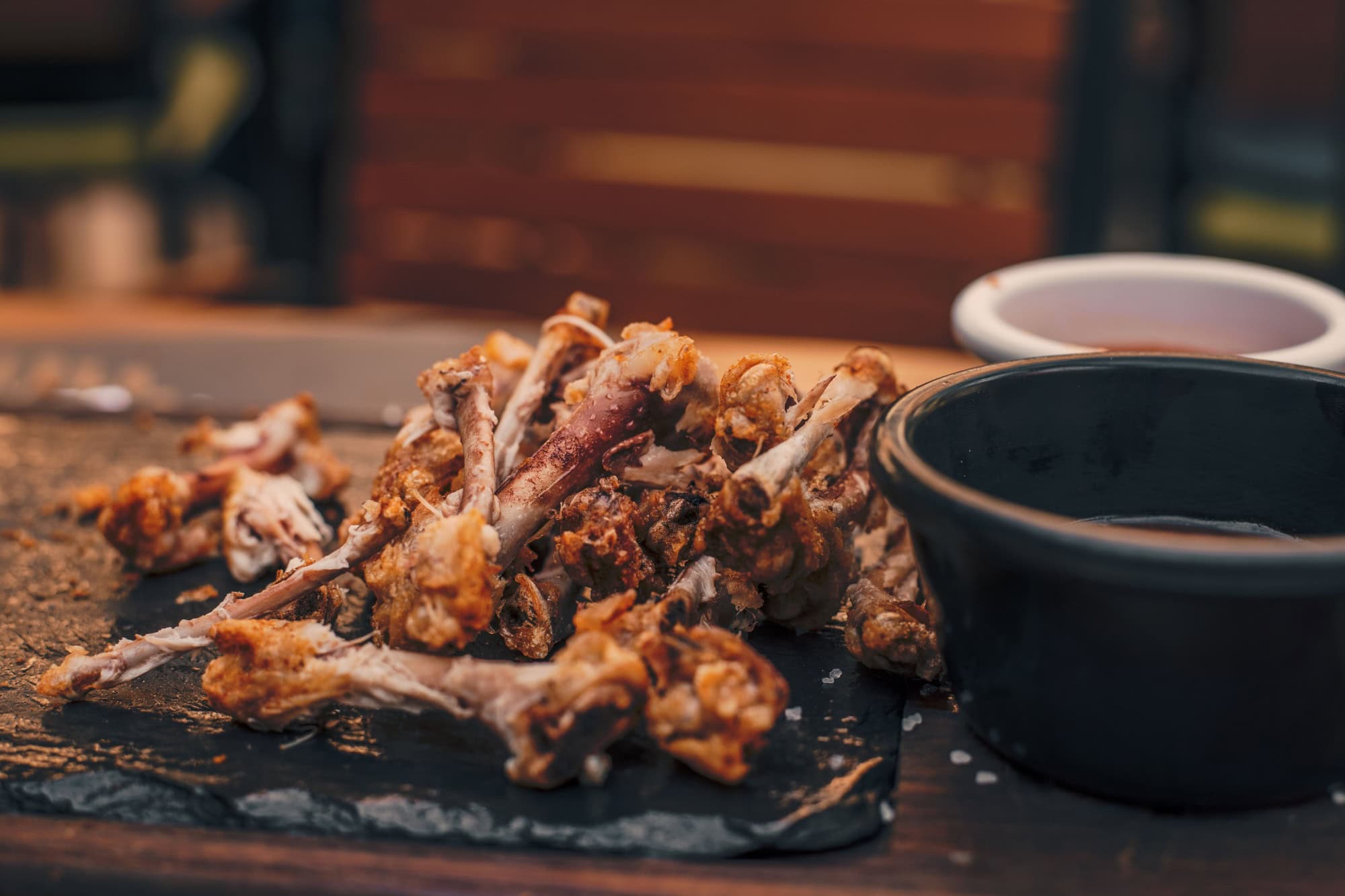
Look at how they clean the table. What happens when there’s still good food there? People who grow up with less notice it immediately. They’ll ask why you’re throwing it away. They’ll start packing it.
It makes sense, after all, since they probably had to deal with food insecurity. But someone who grew up with money acts differently. It barely registers for them. The fries are cold. The sandwich is soggy. They think the food’s completely done.
The quick scan

An expensive house is just a house. At least, for some people. Shoes off? Shoes on? It doesn’t matter. They’re halfway to the kitchen. But people who grew up with less money will pause. They’ll scan the room.
They’ll ask themselves whether they’re touching something expensive. The truth is, they’re not used to it. The white couch and the expensive floors are too much to put shoes on. They learn early on that places have rules. Relaxing first isn’t an option.
The little pause

‘Don’t worry, I got it.’ The phrase comes across pretty differently. Rich people smile. They say thanks, before the waiter’s even walked off. But poorer people freeze. They’ll reach for their wallet.
They’ll make sure the other person’s okay with paying. They can’t accept help. No, gifts came with strings. Favors turned into debts before. It doesn’t matter that it was just a coffee because, in their eyes, there’s more to it.
The practical answer

Try talking about college. See how the conversation changes. Chances are, you’ll hear one person talking about what they loved studying. But not everyone. Another person says something about what job they could get with that degree.
It’s down to their upbringing. Some kids heard, ‘Do what makes you happy,’ but others heard, ‘Pick something stable.’ They had to choose something with a clear paycheck at the end.
The ride suggestion

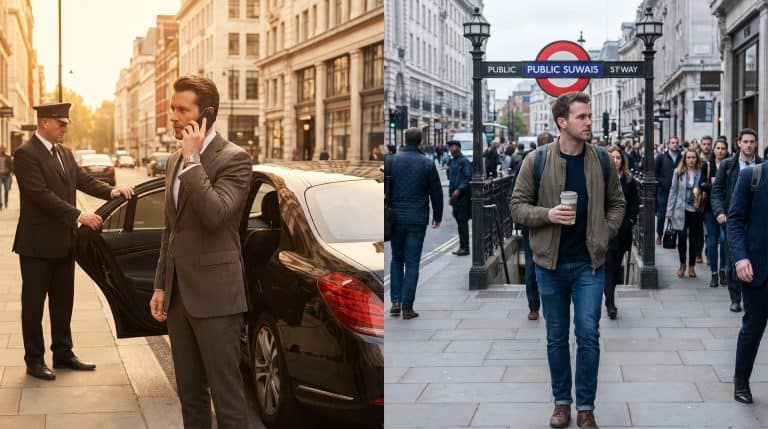
Some people suggest getting an Uber like it’s no big deal. Because it’s not for them. It’s a problem solved. However, for other people, it’s not even close. They’ll start checking surge pricing. They’ll compare it to the train. It’s way too much.
They grew up in places where parents discussed every little cost. Spending twenty bucks on a taxi? That was a waste. They could’ve put it towards lunch money or something more important. They didn’t pay for convenience.
The small bill

Here’s a sentence that divides a crowd. ‘It’s only twenty dollars.’ There are some who think, whatever. There are those who don’t. Yes, they hear it and start converting it to other things.
Twenty dollars is gas money. Twenty dollars is for groceries. It’s a phone bill.
It doesn’t matter that they’re making good money now because the habit doesn’t go away. They’re used to it. They’re used to explaining every purchase. Now, money stops being one number. It becomes five things they could’ve bought instead.
The open invitation

Poorer people don’t usually agree to a sudden invitation. You could ask them to go with you tonight. But they start asking questions. What’s tonight? Is it dinner? Drinks? Tickets? They’ll fish for details. People who grow up rich are happy to tag along.
They don’t understand it. They don’t get how surprise expenses aren’t always fun. They learned to be spontaneous. However, people who grew up poor? They learned to budget. That came before saying ‘yes.’
The pantry shelf

Pantries seriously mess with people. You’ll see brand-name stuff everywhere in some kitchens. Oreos here. Lunchables. Rich people barely notice the difference because it’s what they grew up on. But other people do.
These weren’t normal groceries when they were growing up. Brand names were birthday foods. Brand names were guest foods. Brand names weren’t for everyday. They know the difference between them, and seeing a pantry full of brand-name stuff sometimes surprises them.
Sources: Please see here for a complete listing of all sources that were consulted in the preparation of this article.


