
Just like any other language, the English language is always evolving with time, and it is mind-blowing to see how some words have changed in meaning over generations. For Baby Boomers, many words of their usage were influenced and shaped by the culture and technology of their time. But today, the same words can mean something totally different.
Take the word “mouse” as an example. Back then, it meant a small “rodent” for Baby Boomers — but now, people first think of a computer accessory. In this list, we’ll look at 10 words that have changed in meaning over the last 80 to 90 years or so, along with what they used to mean and what they mean now.
Featured Image Credit: Ron Lach /Pexels.com.
Lit

In the past, “lit” referred to something being illuminated or well-lit, like a room. Baby Boomers might have used it to describe a bright room or a well-lit stage during a performance. Today, it is frequently employed to denote a rocking and good environment at some party or event. It is often used by the youth to describe a positive experience with caps (i.e. ‘That party was LIT!’)
Text
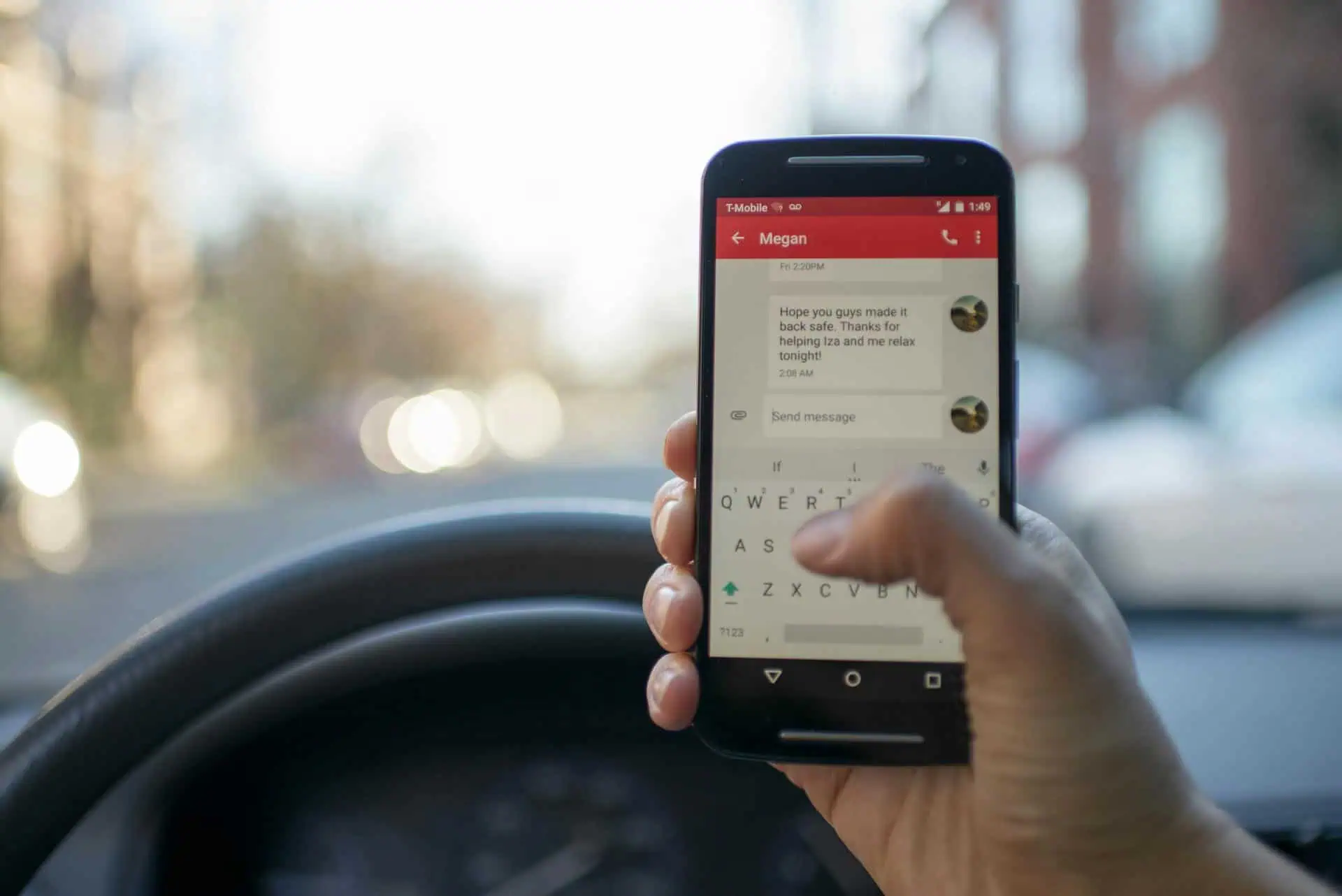
When Baby Boomers hear the word “text”, they usually think of a book or document to be read. However, now, the digital age has turned this term to be a verb and is used mainly to refer to short messages sent using mobile phones or instant messaging apps.
Like our content? Be sure to follow us.
Stream

Historically, a “stream” meant a small, flowing body of water located somewhere calm and quiet in nature. Today, we hear “stream” in the context of watching uploaded videos or listening to music (usually live). It is part of the broader evolution that led to digital media consumption and it is the definitive modern way to entertain or access information.
Ghost

Boomers used to associate ghosts with spirits or any type of supernatural entity. In this day and age, “ghosting” has come to mean removing all contact with someone when they least expect it – mostly in dating scenarios.
Hacker

Back in the day, a hacker wasn’t really a profession – maybe it would be someone who chopped trees or worse – a serial killer. Since the internet became a phenomenon, a “hacker” is a catch-all term for highly technical programmers and computer enthusiasts who manipulate digital security flaws in order to abuse or help find vulnerable data. This change is part and parcel of a growing societal focus on cyber security and privacy as more aspects of our daily lives become digital.
Cloud

A cloud used to mean a visible mass of water droplets, ice crystals or other particles in the air. Today, it is generally used in reference to cloud computing or the technology that allows us to store and access our applications over the internet.
Viral

In the old days, “viral” referred only to biology — think of viruses or illnesses. Today, it largely refers to content that becomes popular quickly on the internet — mainly in social media. For example, a “viral video” will get thousands or even millions of views in only days.
Crash

Although the word “crash” previously described a loud noise or a physical accident – like a car accident – now it usually refers to software or systems which suffer “outage” and simply stop performing functionally – such as crashing of a computer program.
Chill

Originally, “chill” meant to cool something down, often used in cooking or food contexts. Now, it commonly refers to relaxing or taking it easy. For example, instead of going out someone might just say “Nah let’s chill at mine tonight.”
Disclaimer: This list is solely the author’s opinion based on research and publicly available information.
Like our content? Be sure to follow us.
Read More: