

Turning 60 means women often get smarter about what they give their attention and warmth to.
Playing everyone’s helper

She may have been the person her family and friends turn to when they need something for years. Birthdays? She remembers. Family reunions? She plans them. Errands? She does them for relatives. Need someone? She jumps.
At some point, she may realize that being responsible doesn’t mean she needs to be on call 24/7. She can hold onto her love for family without letting herself get swallowed up by their requests every time.
Maintaining difficult family relationships

Women often go decades trying to preserve family connections that leave them feeling judged, belittled, or drained.
They continue to call Aunt Margaret even though she never returns her calls because she’s family. She may finally realize at 60 that family doesn’t automatically entitle people to treat her poorly.
If Uncle Jack pressures her over seeing the family less often, she has every right to avoid gatherings where she knows she’ll be belittled.
If cousin Ginny keeps trying to take advantage of her hospitality, she can limit their interactions. She doesn’t have to pick a family feud; she can just decide how much family involvement is healthy for her.
Dressing to look younger

A woman no longer has to dress to show she still looks young.
She may give up purchasing uncomfortable shoes, certain colors and following fashion rules meant to hide the fact that she is aging.
She can experiment with fashion at any age or choose not to. The important thing is that she stops feeling obligated to cover up each gray hair, wrinkle or sagging area.
Accepting every invitation

Maybe there was a time when saying no to an invitation would make her fear she was going to hurt someone’s feelings or be rude.
As she grows older, she may find that it is okay to say no without making up a story or promising to make it next time. She can spend a quiet evening at home instead of going to yet another dinner, club meeting or family function. And she can appreciate being invited without feeling the need to say yes every time.
Micromanaging adult children

Her grown children’s decisions are sometimes hard for her to accept. She can spot their problems and figure out solutions before they even notice anything is wrong. She has spent years telling them what to do, rescuing them from mistakes and constantly trying to make their lives easier.
At some point, she realizes that her children will make their own decisions. They will make some she would never make herself.
She can offer advice and help when they ask, but not step in to manage every money issue, relationship, or career decision. Loving your grown sons and daughters doesn’t obligate you to clean up their mistakes.
Hiding physical limitations

She used to keep pace with her cousins just because she didn’t want to fall behind. She pretended not to be tired and refused to acknowledge that things became harder to do. She felt ashamed that she walked slower than others, needed reading glasses, or asked someone to help lift something heavy.
As she gets older, she might not care as much about showing everyone that she can still do everything. It’s okay if she uses a railing or lets someone else carry that heavy package. She doesn’t fail herself by sitting down once in a while.
She can remain active and self-sufficient without pretending her body is still that of a young woman.
Keeping one-sided friendships going

It happens all the time that a friendship lasts decades with just one person keeping it alive. She consistently reaches out first with phone calls and lunches, remembers birthdays and checks in after a tragedy.
In time, a woman could simply stop being the one friend who always does the work.
She doesn’t have to stage some big scene or make an angry goodbye phone call. She may simply stop chasing after those who never bother to chase back.
Playing after work

When she was younger, fun things often got put off because work or family or saving money was more important.
She kept putting things off, imagining she’d get to her favorite hobby in retirement, make that long-awaited trip after work someday, or hold onto special possessions for a “special occasion” that never materialized.
Now that she’s past 60, she realizes that there’s no time like the present to have some fun. If she’s able and it’s in the budget, she might take a weekend trip, sign up for that class, plant a garden, or carve out time to pursue an old hobby.
Explaining every personal decision to relatives

Perhaps she has grown used to explaining her purchases to relatives. Or why she takes a trip without the family. Or why she doesn’t follow a meal and bedtime schedule with her kids.
Relatives may question her decisions even when they impact no one else. And with time she may grow tired of justifying every decision like she needs approval.
She can listen to the worries of those she loves without letting them all have a say in how she lives. Being family doesn’t give everyone unconditional access to hear and comment on her decisions.
Default caregiving responsibilities
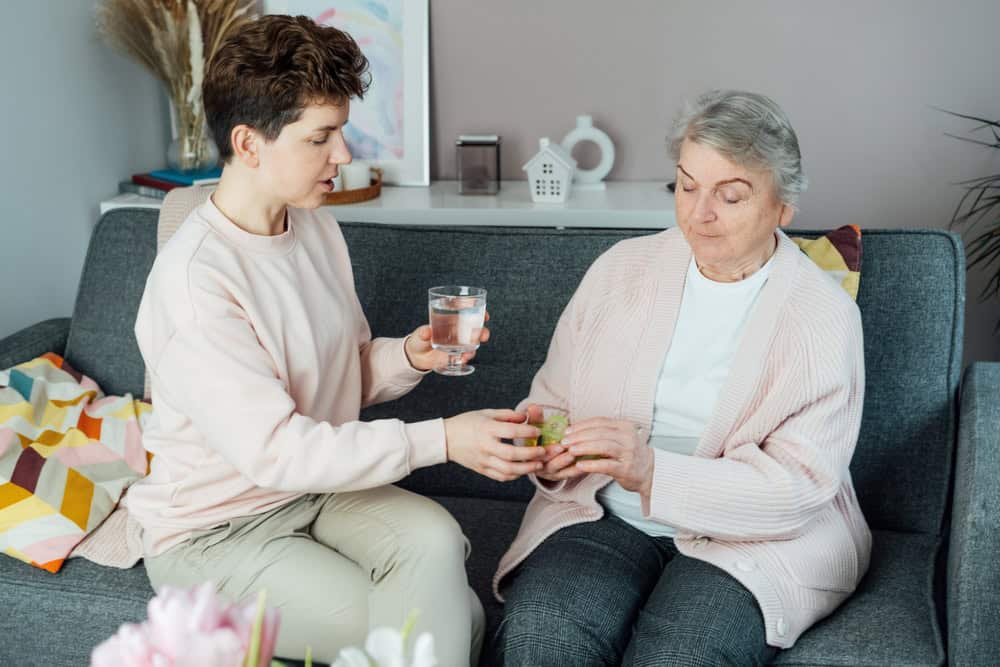
Many women in their sixties find themselves caring for an elderly parent while also supporting adult children or grandchildren.
For years they’ve been on call, booking appointments, refilling prescriptions, handling paperwork, and fielding the question, “Who do I call?” when something goes wrong.
At some point, they begin to understand they don’t have to do everything themselves just because they are the daughter. They can still care deeply for a parent while handing off some duties to siblings or looking into outside help.
Caregiving doesn’t mean doing it all by yourself.
Hoarding for an unknown tomorrow
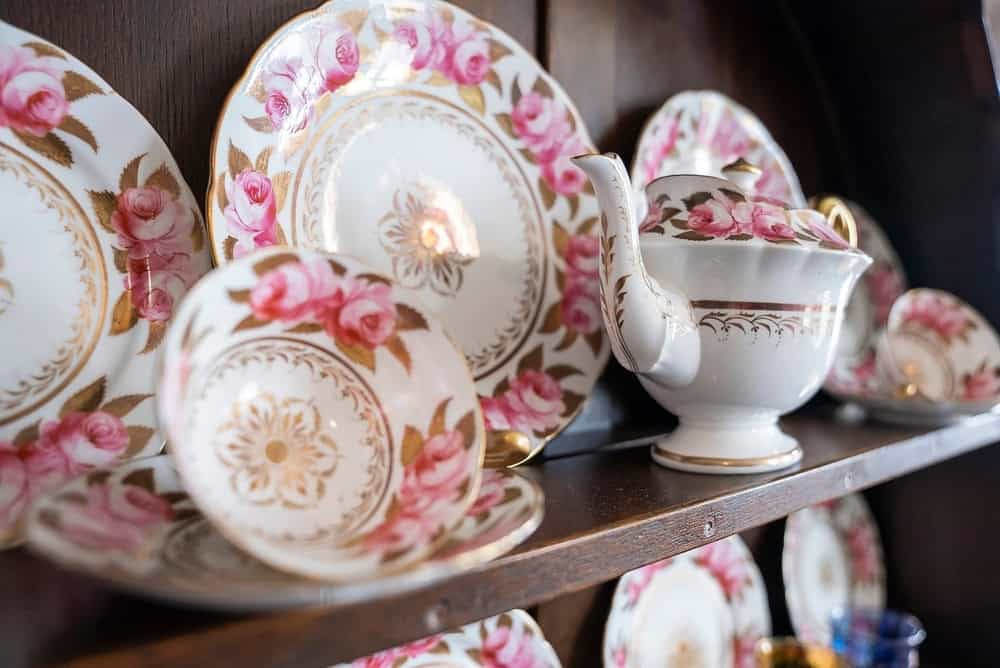
Many women find themselves keeping wardrobes of clothing they’ll wear some day, china they save for company, or boxes of family heirlooms they don’t dare part with.
At some point, these women come to see that they don’t want to spend the rest of their lives stockpiling things they barely use.
They might hand down quilts their great-grandmothers stitched, give outfits away to charity, or bring out the good china for dinner on just another ordinary Tuesday.
This isn’t about throwing away meaningful keepsakes or getting rid of their stuff without any thought. They’re simply letting useful, lovely items be enjoyed now rather than hoarding them for some unknown tomorrow.
Sources: Please see here for a complete listing of all sources that were consulted in the preparation of this article.
Like our content? Be sure to follow us.
Why women stop being liked by most people as they age: 14 powerful reasons

Aging changes a woman in all sorts of ways, including how she talks and presents herself, which is mainly why people around her change the rules they judge her by.
Why women stop being liked by most people as they age: 14 powerful reasons

