

Vanilla doesn’t sound like the kind of thing people would risk prison over. But for a long time, they did. All that sweetness is disguising a messy backstory, including locked-up harvest dates & beans stamped with brands so they couldn’t be stolen. There were also actual smuggling rings sneaking pods out of ports.
Why was it so valuable? And how did things change? Let’s look at the dark history of vanilla.
Featured Image Credit: Shutterstock.
What’s coming up
You’ll find out all about:
- The Mexican roots of vanilla & how Spanish traders carried it abroad
- The 1840s discovery that made large-scale growing outside Mexico possible
- Madagascar’s years of treating vanilla as a high-value good
- The vanilla smuggling markets
Vanilla’s origins as a Totonac forest crop
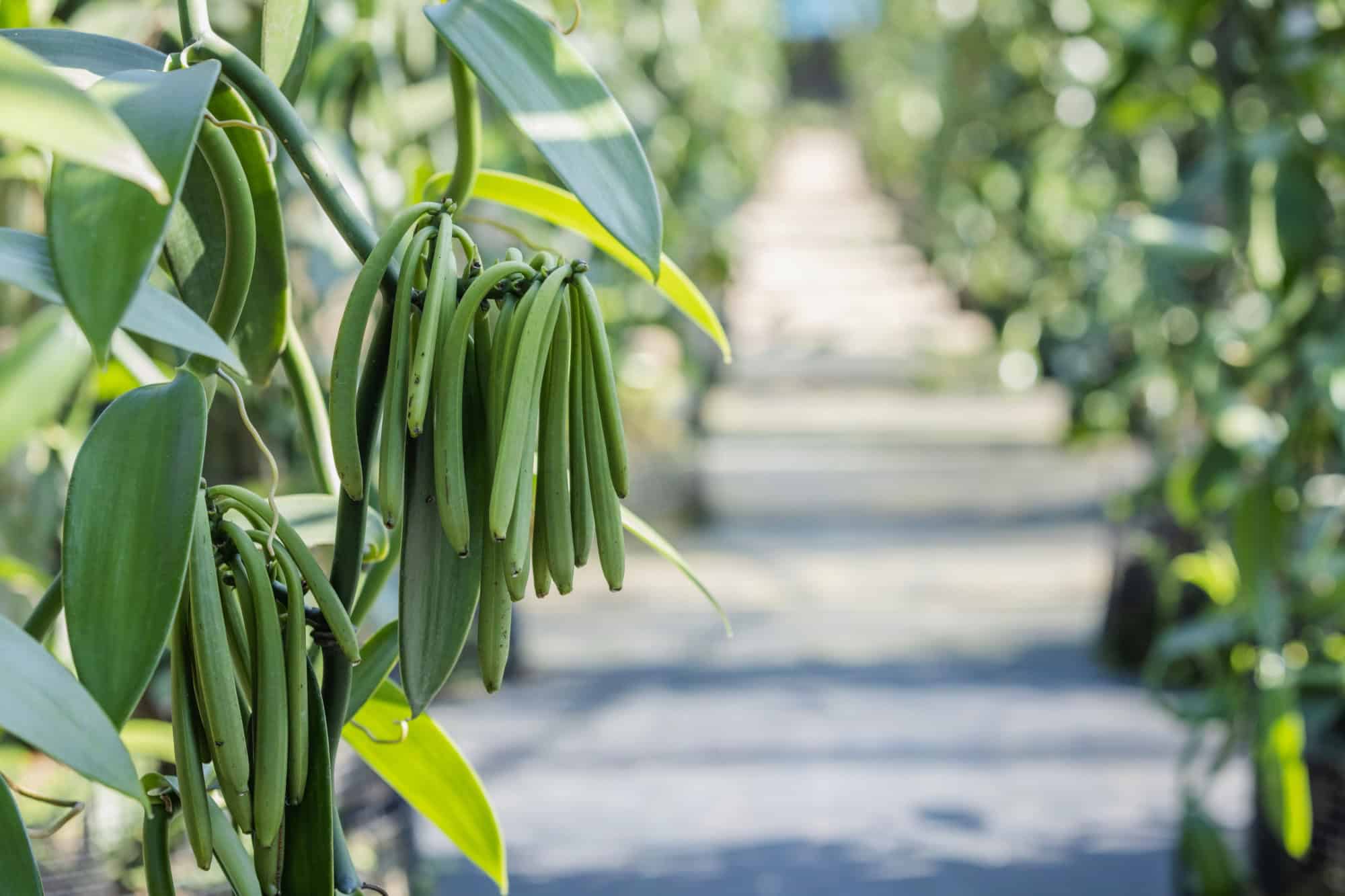
Vanilla started in Mesoamerica through the Totonac people, who lived in what’s now Veracruz, Mexico. It stayed there for centuries & was tied closely to local culture. Then the Spanish showed up. By the 16th century, Spanish traders began sending vanilla beans across the Atlantic, paired with cacao in drinks.
However, there was one problem. The orchid looked good outside of Mexico, yet it didn’t produce pods, since there were no bees.
Eventually, in 1841, Edmond Albius showed the world how to pollinate by hand. He was a young enslaved boy on Réunion Island. His trick involved using a little stick & lifting the rostellum before pressing the pollen into place. Sure, it was simple. But it was life-changing for growers.
Madagascar never would’ve become the vanilla capital without it.
Prized beans and contraband
Spanish officials loved to control trade. Yet people have always found ways around rules & vanilla was no different.
Officially, the port of Veracruz was supposed to be the only funnel for exports, but historical records from the 17th & 18th centuries show something different. They reveal contraband shipments slipped through. It makes sense, since the beans are small & valuable, while also easy to hide in cargo. That’s bound to attract smugglers.
How vanilla became tightly controlled in Madagascar
Madagascar’s story with vanilla really took off after it gained independence in 1960. For decades, the government ran vanilla farming like a top-secret operation, including the following rules:
- Farmers couldn’t just pick & sell when they felt like it. The law fixed all harvest dates.
- Every step, whether growing, curing, or packaging, required a license.
- Open markets couldn’t negotiate prices, as boards & committees set these.
In fact, during the 1960s, Madagascar teamed up with Réunion and the Comoros as part of something called the “Vanilla Alliance.” The goal? To keep prices high and exports tightly coordinated.
By the 1970s & ‘80s, the system had quotas & heavy taxes, while most farmers saw only a tiny fraction of the final price.
The reforms came in 1995. Madagascar dissolved the main marketing board & cut taxes back. They also loosened up trade, but not too much, because rules like harvest dates stayed firmly in place. A 2004 decree even banned selling or exporting beans within six months of harvest. This was to stop early, rushed picking.
When and why smuggling rings formed
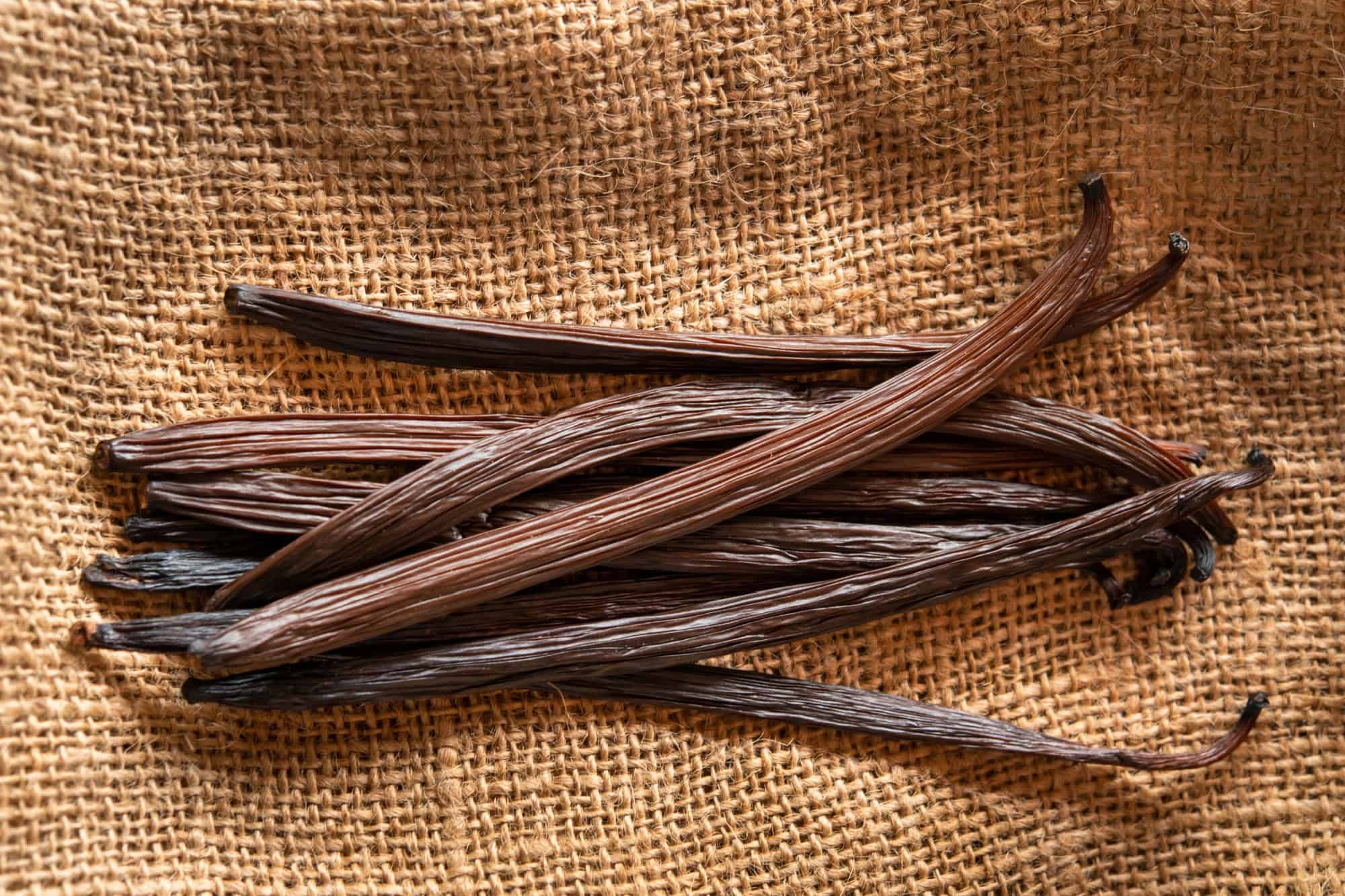
Post-colonialism, smuggling was still a huge problem.
In colonial Mexico, contraband was a constant. Then, during Madagascar’s quota-heavy years between 1975 & 1995, official channels couldn’t handle the demand for vanilla, which is when illegal exports became common.
Vanilla prices spiked by the early 2000s & this led to things escalating even more. Parallel markets formed. Worse still, vanilla bean theft was organized & sometimes violent, with criminal gangs ambushing trucks on rural roads.
As beans are so light & worth so much, theft was rampant, so farmers had to get creative. Their solutions included:
- Tattooing or branding beans with marks so buyers could tell when they were stolen
- Growers registering crops to allow villagers to trace who owned what
- Government officials setting strict “opening days” for harvest to keep farmers from picking too soon
Sadly, surveys from the early 2000s show that many farmers continued to report losses to theft.
Why vanilla’s price made it a target
It’s not hard to see why thieves & smugglers kept circling vanilla. Compared to bulky crops like rice or sugarcane, vanilla was the dream, as it was tiny & easy to move. The prices also swung a lot & some peaks made beans more expensive than silver by weight.
How the plant itself ties the story together
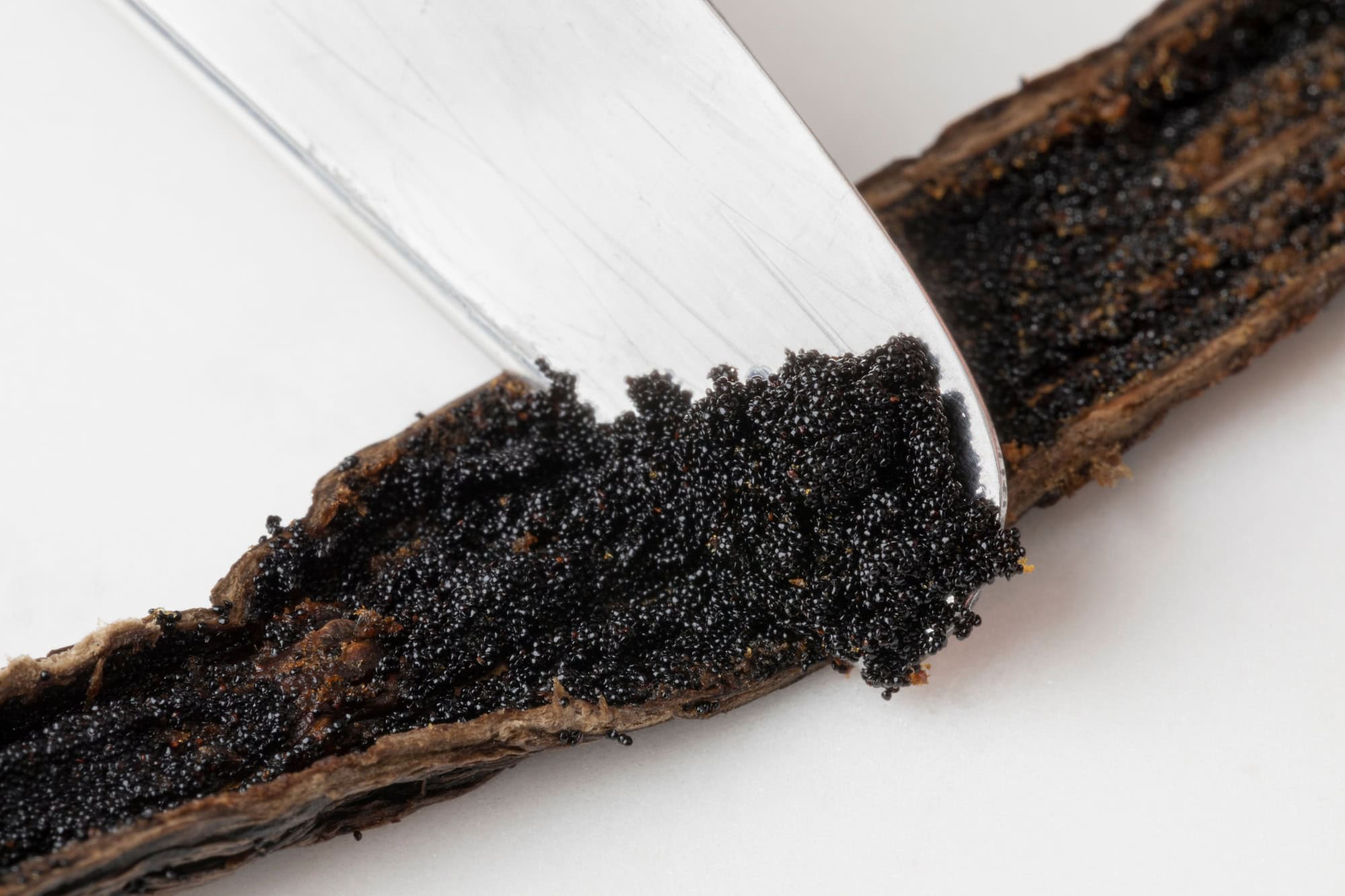
Interestingly, genetic studies show that most of the world’s cultivated vanilla plants trace back to the Papantla region of Mexico. The crop has spread far & wide, but it’s all one thin genetic line, whether it’s a pod in Madagascar or Réunion.
And after all these centuries, vanilla flowers still have to be hand-pollinated one by one, within hours of opening. There are no shortcuts. Such a labor-intensive process has kept prices high & made the crop tempting for smugglers, every step of the way.
Sources: Please see here for a complete listing of all sources that were consulted in the preparation of this article.
Like our content? Be sure to follow us.
