

Baby boomers growing up in America remember a time when a good job felt achievable, buying a home seemed possible, and the future didn’t feel so uncertain. Today many say those promises feel farther away than ever.
In a group discussion online, boomers shared stories about struggling with expenses, losing faith in big institutions, and feeling let down by the country’s direction. Those stories line up with what researchers have been finding in national reports.
Let’s have a look at ten of the reasons why so many boomers feel so quietly betrayed by the nation they once believed in.
Featured Image Credit: Shutterstock.
Retirement security turned into uncertainty

Many of the boomers we spoke to told us that retirement as we know it isn’t the promise they were raised to believe. They spent their careers expecting pensions and Social Security, only to see pensions vanish and 401(k)s emerge. Rather than the real security they envisioned, they feel trapped managing investments they never asked for. Research confirms it: surveys show that over half of pre-retirees admit they are not financially prepared for retirement.
Affordable housing disappeared

Baby boomers remember a time when a steady job and reasonable wages could help a family buy a home. But boomers’ children and grandchildren see that road as closed. Property costs have surged well above earnings for many years and institutional investors now buy more properties which pushes prices up further.
The evidence: The National Association of Realtors said the affordability of home buying hit an all-time low in 2023, and a Kansas City Fed study found that it’s much tougher now for first-time buyers to purchase a home than in past generations.
Healthcare became complicated and crushingly expensive

One boomer summed it up: “I used to go to the doctor, and I never thought about a bill. Now I dread getting bills in the mail.” We heard that sentiment over and over. Yes, they have Medicare or insurance, but it never seems to cover everything. There are prescriptions, copays, surprise fees. It all piles up quickly.
A survey from West Health and Gallup found that the majority of older Americans describe health care as a financial burden. Other researchers predict that seniors will continue to face larger health care costs in the coming years. The sense of betrayal is palpable.
Workplaces abandoned loyalty

“Long ago, there was a covenant at work. You gave decades of your life to an organization, they’d give you an anchor in return.” Our interviewees agree with that sentiment. The covenant is broken, they say. Evidence of the breach? Layoffs. Contract work. Outsourcing.
According to the Bureau of Labor Statistics the median length of time people stay in their jobs is about four years. The 2024 Retention Report from Work Institute finds millions of employees leave their jobs every year. Millions. A good chunk of those are not voluntary quits. The lesson that baby boomers are hearing loud and clear: loyalty is dead.
Education lost its straightforward path
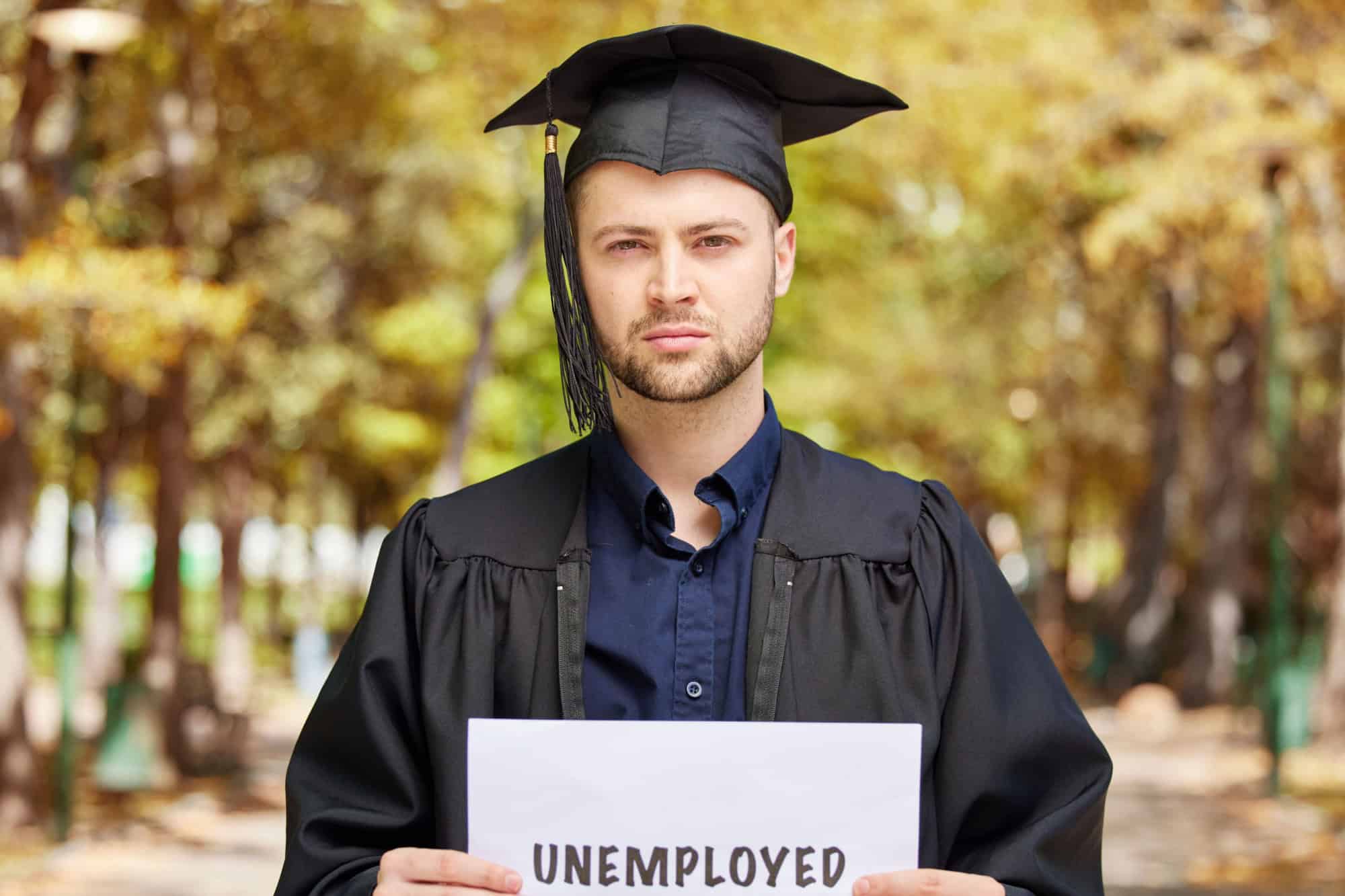
College used to be cheap. You could pay for a public school with a part-time job. Graduating debt-free was the expectation, but not anymore. It’s now nearly impossible to avoid debt.
According to EducationData.org, public university tuition is up over 180% since 1990. The average family can expect to spend over $12,000/year at a public university, and over $45,000/year at a private university. Rather than creating opportunity, higher education is crushing young people with loans.
Community ties faded away

Neighborhood life used to have a greater feeling of connection. Churches, clubs and unions provided a common bond and support. This sense of belonging has been lost. Studies have found Americans interact with fewer neighbors than in the 1970s, and Bowling Alone chronicled the general collapse in civic involvement. Many boomers see this as a loss of the community spirit of their childhood.
The political climate soured beyond recognition
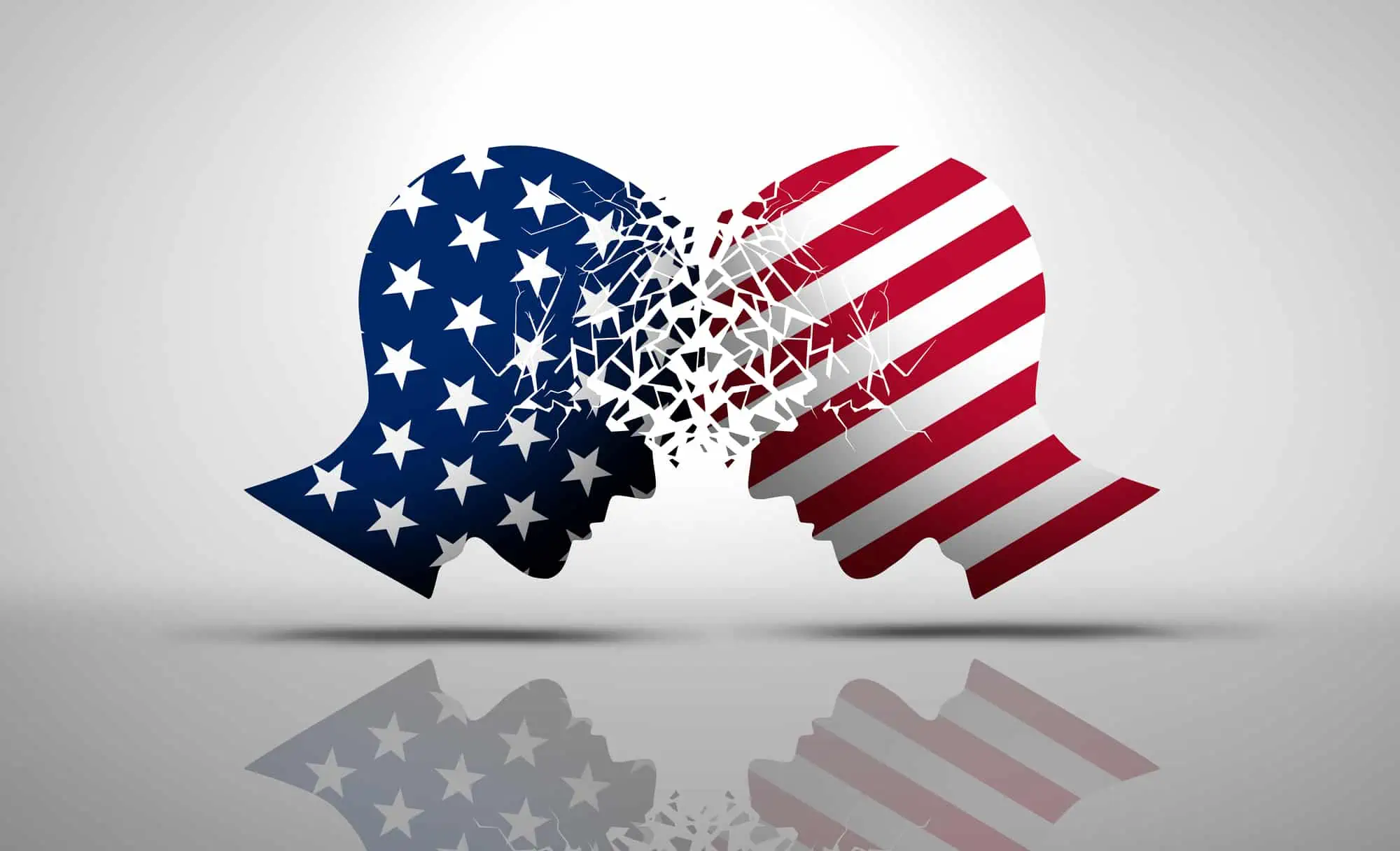
Politics has always involved battles, but it hasn’t always felt like a war. The boomers we interviewed remember arguments in earlier decades that still ended in compromise. Now, they say, the tenor is nastier.
Pew Research confirms their perspective. Democrats and Republicans don’t just disagree more; they also view each other more negatively. To our interviewees, it seems like the political system is frozen in anger, not trying to work toward solutions.
Promises of fairness in the economy vanished

The old promise was simple: work hard, and you will be rewarded. Many boomers we talked to remember a time when effort paid off. Now they say the numbers speak for themselves.
The Economic Policy Institute found CEO pay increased by more than 1,200% since 1979, while worker wages have stagnated. The majority of our interviewees believe that this situation represents a rigged system rather than a fair one.
Infrastructure broke down
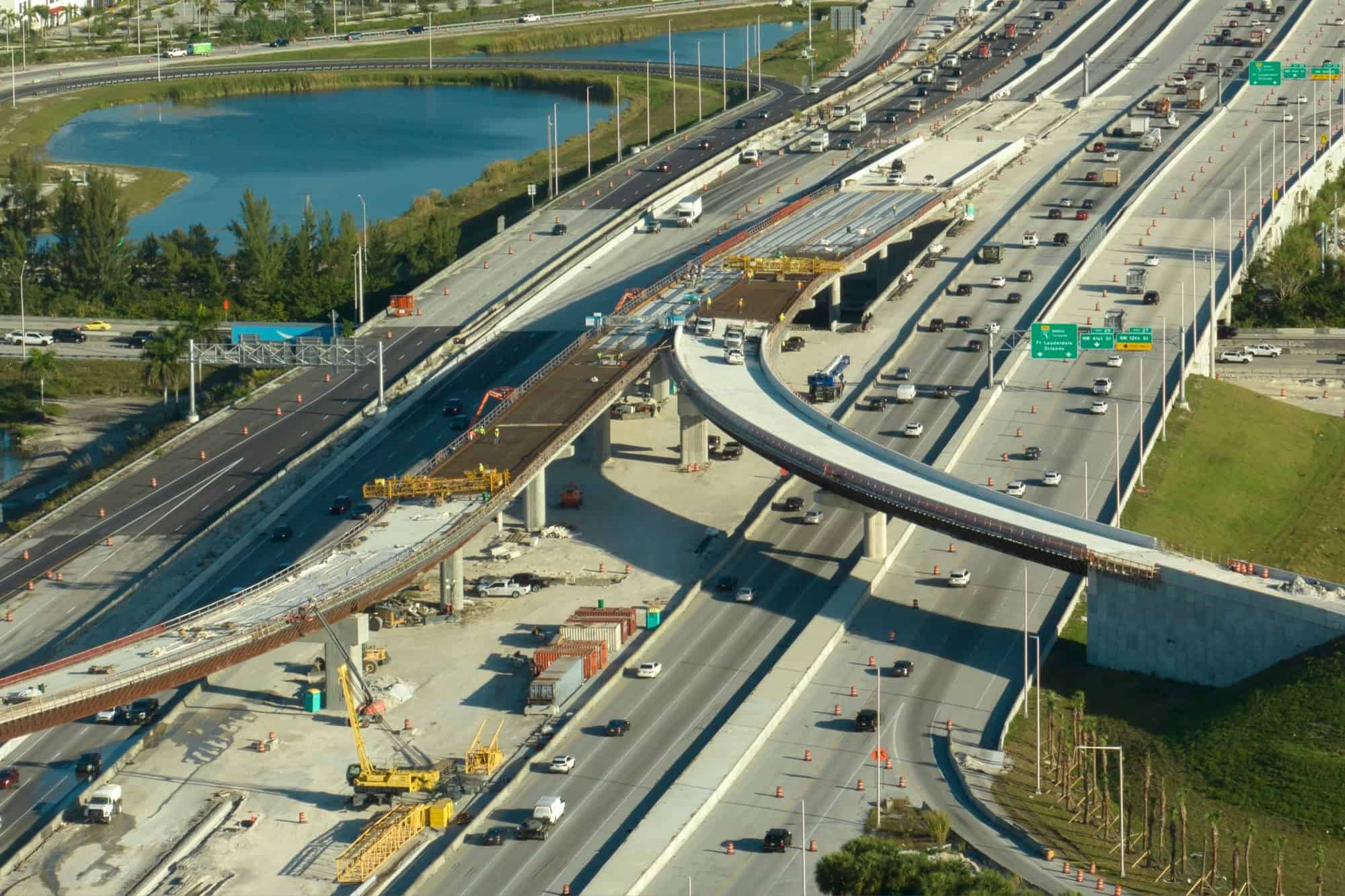
Our boomer participants expressed how growing up they had confidence that roads, bridges, and public services would function without fail. Streets were paved, utilities reliable, and large infrastructure projects seemed competent. Now, that’s not the case.
According to the 2023 Report Card for America’s Infrastructure by the American Society of Civil Engineers, the U.S. grades an overall “C-“. This is due to deteriorating roads, aging bridges, and underinvestment in public systems. The changes have left those interviewed feeling that the U.S. now struggles to manage the basics that used to run smoothly.
The sense of stability disappeared

“In those days,” one said, “you could plan your life. You had an idea of what’s going to happen next.” The participants remembered a more predictable world of school, jobs and family. “Nowadays,” one said, “there’s nothing predictable.” Another said costs “just keep going up and up and up.” Healthcare is “haphazard.” Politics are polarized. A dependable life, once taken for granted, is out of reach for many.
Sources: Please see here for a complete listing of all sources that were consulted in the preparation of this article.
Like our content? Be sure to follow us.