

While it sounds strange today, for more than a century, people actually smoked to calm asthma. It was all because of the doctors & drug companies that marketed them. They sold “asthma cigarettes” in tins at pharmacies as a mainstream cure for people with breathing problems. Here’s exactly what happened, and why.
Featured Image Credit: Shutterstock.
Smoke as medicine became popular in the 1800s
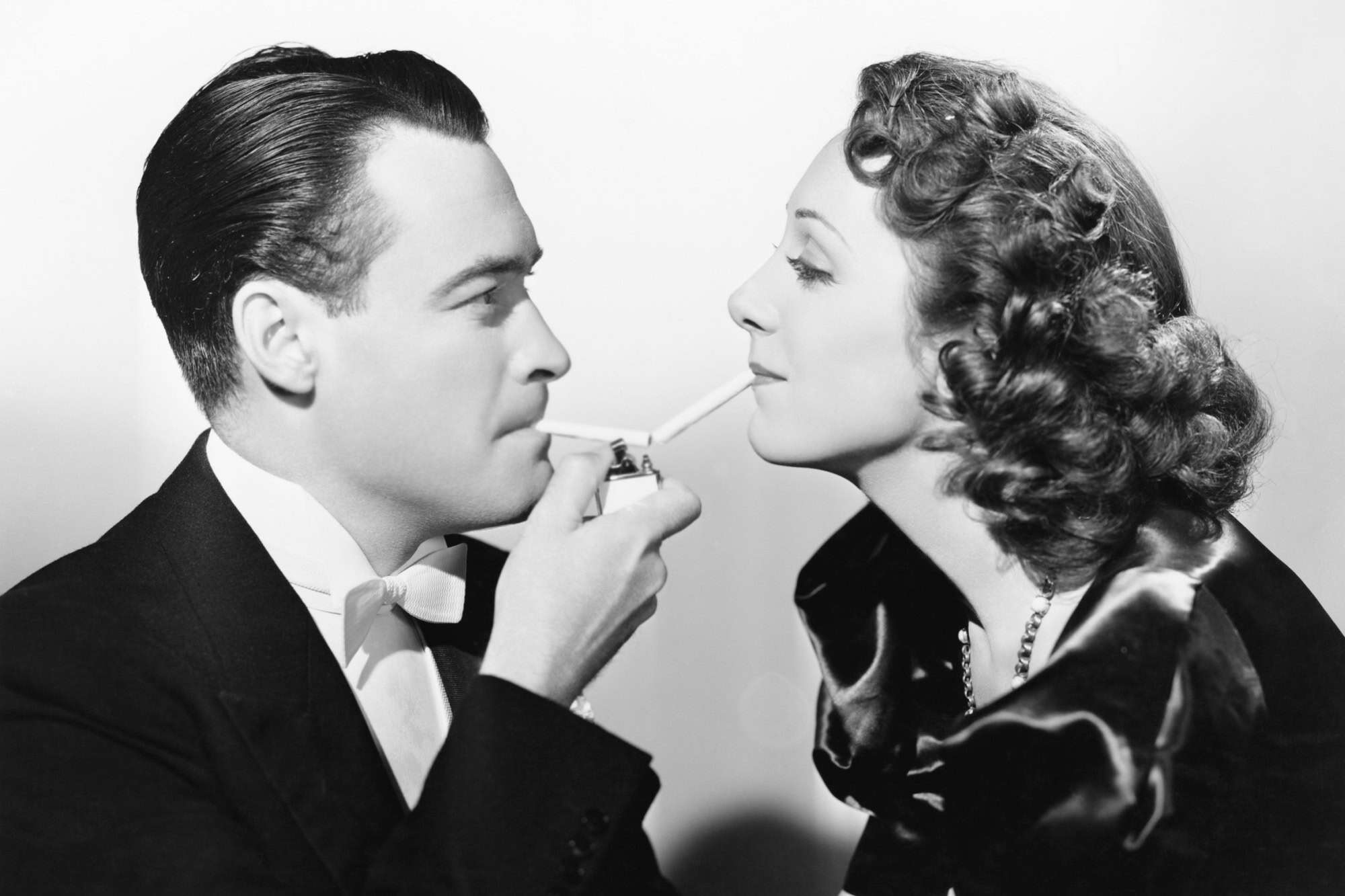
The idea of breathing smoke as medicine goes quite far back. But it really took off in the early 1800s. In India, people burned & inhaled stramonium, a plant from the nightshade family, then British doctors picked it up. It became the norm in Europe & the U.S. by the late 19th century.
Ready-made asthma powders and cigarettes

Patients didn’t necessarily roll their own cigarettes, as many companies made ready-to-go asthma powders & cigarettes. These were neatly packed for pharmacy shelves. By the 1880s, commercial cigarette manufacturing had become a huge industry, so the medical world began selling “therapeutic cigarettes.” Doctors believed these were a simple at-home solution for asthma attacks & recommended that patients smoke them.
Doctors believed smoking relaxed the bronchial tubes
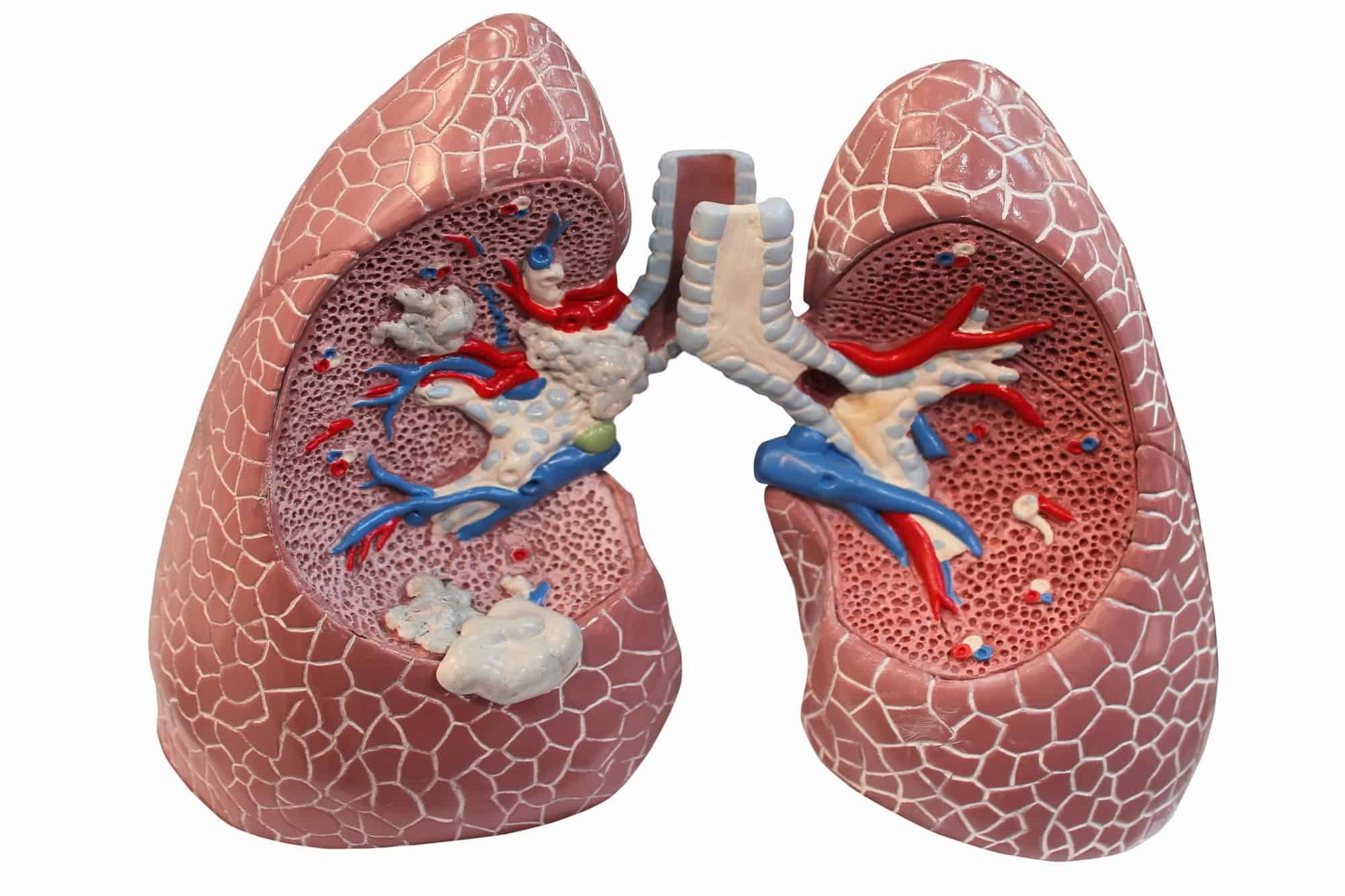
Doctors also thought that asthma was caused by spasms in the bronchial tubes. To cure this, they recommended smoking because the alkaloids in stramonium & belladonna had antispasmodic effects. As such, medical professionals figured smoking them would help their patients breathe. Imagine doing that today.
Influential doctors supported the practice

It wasn’t a fringe theory either, as several influential medical professionals recommended smoking. William Osler was one of these. He talked about the benefits of medicated cigarettes in his book Principles and Practice of Medicine & he even admitted plain tobacco sometimes worked just as well. How weird is that?
Some doctors questioned the practice

Not all physicians were fully sold on the idea of cigarettes to help with asthma. In the 1910s & ‘20s, some medical articles warned that asthma powders could worsen bronchitis, while through the 1940s & ‘50s, research still tested atropine cigarettes. Allergy specialists began telling patients to ditch smoke, against the advice of other doctors.
Asthma cigarettes contained specific ingredients

So what actually was in asthma cigarettes? Usually, they had stramonium leaves, which had alkaloids like atropine & could relax airway muscles. They also had Belladonna or henbane, as well as Lobelia & papers soaked in potassium nitrate or chlorate. And, of course, tobacco.
Pharmacies marketed asthma cigarettes as quick relief
Many pharmacies stocked brands with names like “Asthmador,” with ads that promised quick relief during wheezy nights. Some patients smoked a whole cigarette as soon as their chests started tightening, while others burned niter papers in a room before bedtime.
Some patients experienced temporary relief

Back then, some doctors wrote about the effects of these cigarettes & incredibly, a few patients felt temporary relief from them. A 1959 paper in the BMJ even measured bigger lung capacity in patients after they smoked atropine cigarettes. However, many other patients reported lung irritation because the smoke set off coughing fits & aggravated bronchitis. Who would’ve guessed?
Medical views changed in the early 20th century
By the early 20th century, medical opinions on cigarettes began to change. This was due to several factors. First of all, doctors began to view asthma as less of a spasm problem and more of an allergic, inflammatory condition. That’s exactly what it is & smoke didn’t exactly help to make things better for them.
New drugs replaced smoke remedies

Then came the invention of new drugs like epinephrine & ephedrine in the 1920s & ‘30s. These drugs gave asthmatics faster results, but without any smoke. In 1956, the first metered-dose inhaler hit the market & this allowed patients to carry around a clean puff of medicine.
Cancer warnings ended cigarette treatments

Research in the 1950s also connected smoking to lung cancer. Reports from all over the world, including the Royal College of Physicians in the UK & the U.S. Surgeon General, officially warned against cigarettes for any health reason. By the 1970s, the idea of smoking as asthma treatment had mostly disappeared. Inhalers & steroids had replaced cigarettes. Thank goodness for that.
Sources: Please see here for a complete listing of all sources that were consulted in the preparation of this article.
Like our content? Be sure to follow us.


