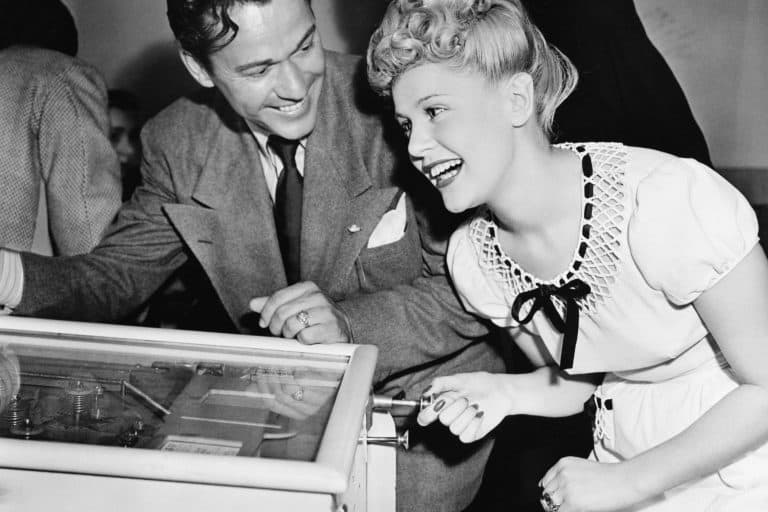

For over thirty years, New Yorkers could get in trouble with the law for running a pinball machine. The law against pinball started in 1942 & stayed on the books until 1976, following changes to how the game was played.
So why were city leaders so against pinball machines? And what change made them legal? Here’s what happened.
Featured Image Credit: Shutterstock.
Pinball machines were common in New York before the ban

In the 1930s & 1940s, pinball machines didn’t have flippers on them. And they were everywhere, including bars & pool halls. To give you an idea of how common they were, a Marquette Law Review piece from 1958 stated that there were more than 11,000 machines in New York City in 1941.
Pinball was classified as gambling

The city said that machines worked like slot machines. You simply dropped in a coin & hoped that you’d earn an extra game from scoring high enough. Court & law journals at the time argued that “free games” counted as a prize, so the machines were classified as a form of gambling. A few of them also rewarded players with money.
The reasons for gambling

The logic behind calling it gambling was rather simple & down to three main factors, which were price, chance & prize. You paid money to play. The ball bounced without you being able to control it. And you got free replays if you scored high
Pinball had ties to organized crime

Interestingly, many New York organized crime groups had ties to coin-op machines in several cities. This led officials to treat pinball like other rackets. They also feared that pinball machines would have a bad influence on children because many kids enjoyed playing them.
Police seized and destroyed machines

As soon as pinball was branded as gambling, the machines became contraband. Police seized them & carted them off. Sometimes they destroyed them. In fact, shops could lose their machines without a dime of compensation, thanks to federal & state rulings. The law said that forfeiture was fair when people used devices illegally.
The law targeted owners, not players
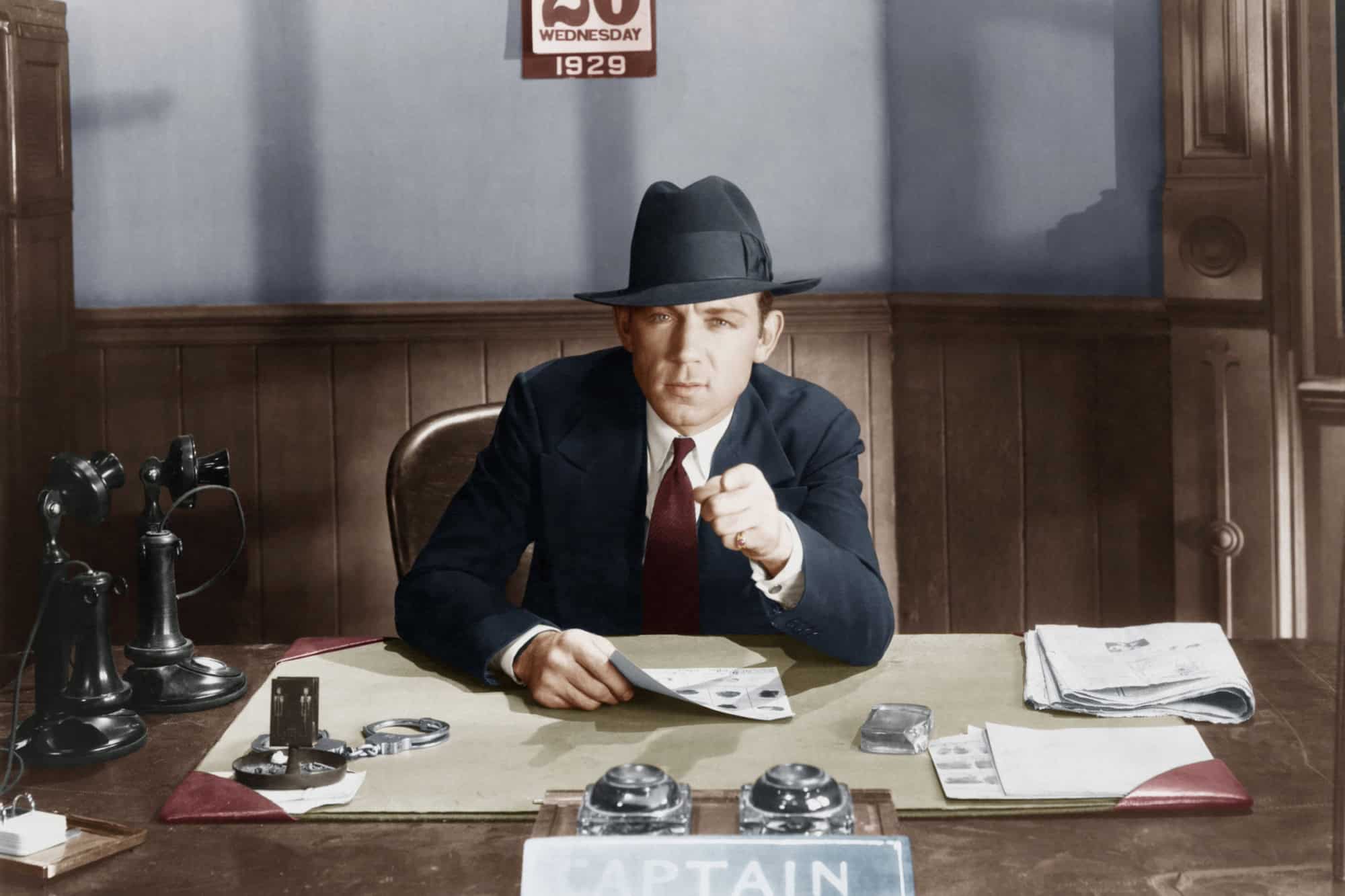
People weren’t punished for using a pinball machine, though. The law was only against owning one, which meant anyone doing so could expect to be arrested or fined & have their machines hauled away. New York’s administrative code made it clear that coin-operated amusements were under strict local control. That meant that anyone who wanted an arcade game would have to get it licensed & make sure it met the city’s rules. But pinball was completely forbidden.
Courts reinforced the ban

In People v. Gravenhorst, free replays were officially called a “prize,” meaning that even without cash payouts, the courts sided with the city. Shopkeepers knew the risk, but some still kept machines tucked in the back room. That is, until police raids cleaned them out.
Flippers changed the perception of pinball

The first change came in 1947. That was when pinball companies started adding flippers to their machines, which gave players real control over the ball. This made it seem like a game of skill rather than a game of chance because you need to make controlled shots, so players were no longer gambling on a win.
A courtroom demonstration convinced the city

Such a change in attitude was also helped by Roger Sharpe’s court testimony. He was asked to prove in front of a Manhattan court that pinball didn’t involve luck. The court needed convincing of this & the only way to do it was with a live demo. He set up two machines in the chamber, just in case one broke down mid-hearing, and then pulled the plunger.
Sharpe saves pinball
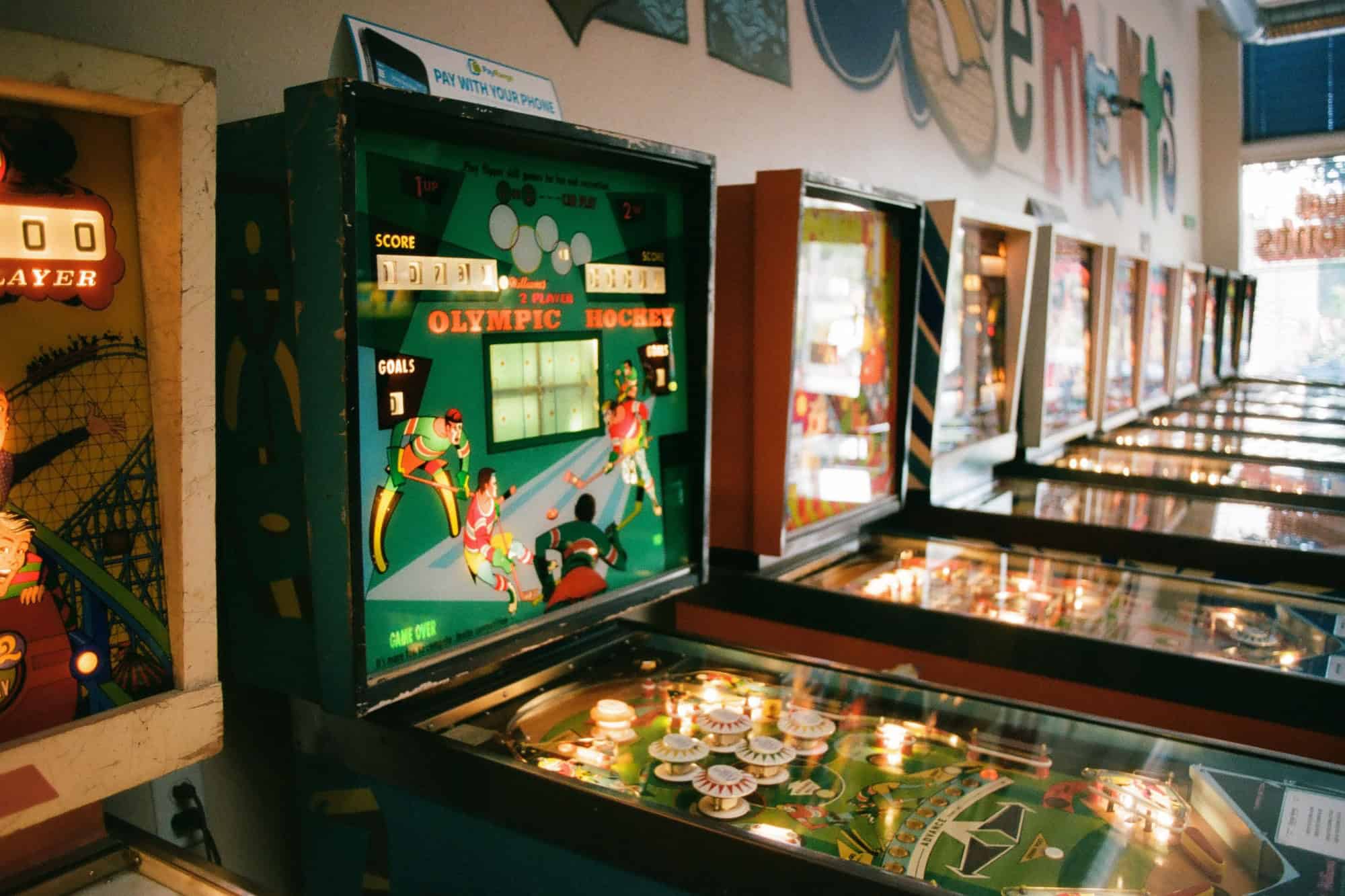
Sharpe called his shot & said where the ball would end up. Surprisingly enough, it went exactly where he said it would. That was the turning point because, essentially, it was clear proof that players could actually control the pinball. After that moment, there really wasn’t much left to argue about. The vote followed, and in 1976, the New York City Council lifted the ban.
Pinball became regulated under amusement-device laws

Once the council lifted the ban, pinball became part of other coin-op games under New York’s amusement-device regulations. Owners still had to get licenses & follow the rules. But now, they could finally run machines openly. Today, those rules are still part of the city’s code. Yet the days of smashing pinball cabinets with sledgehammers are long gone.
Sources: Please see here for a complete listing of all sources that were consulted in the preparation of this article.
Like our content? Be sure to follow us.


