

A few generations ago, people didn’t think twice about knocking on a neighbor’s door for a cup of sugar. Not anymore. These days, people barely introduce themselves to their neighbors. What happened? Why did it change? Let’s find out.
Featured Image Credit: Shutterstock.
Key takeaways
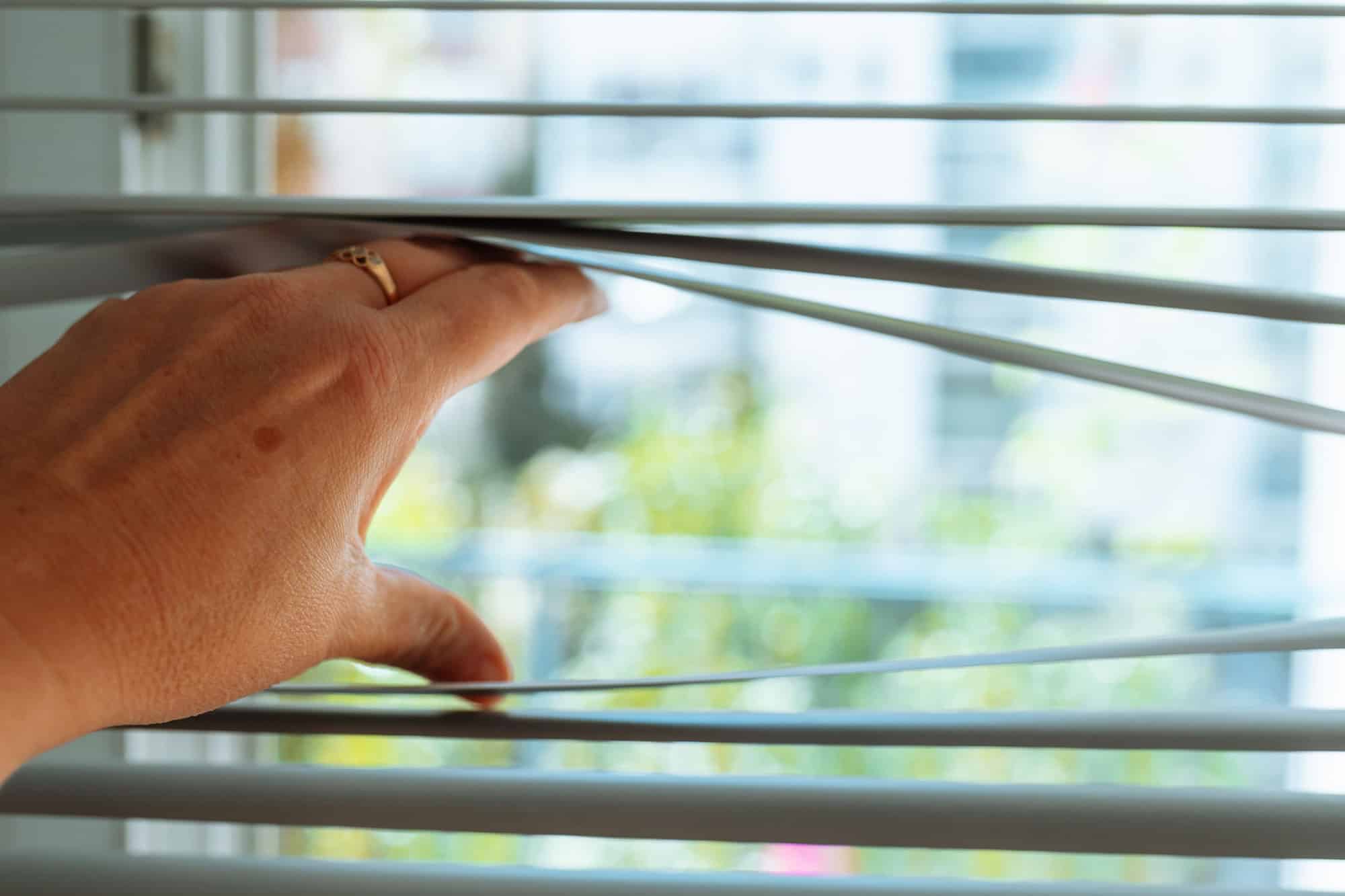
You’ll learn about:
- What the research says about neighborly trust
- The reasons why we’ve stopped trusting each other
- How neighborhood changes have cut people out
What the long-running surveys say
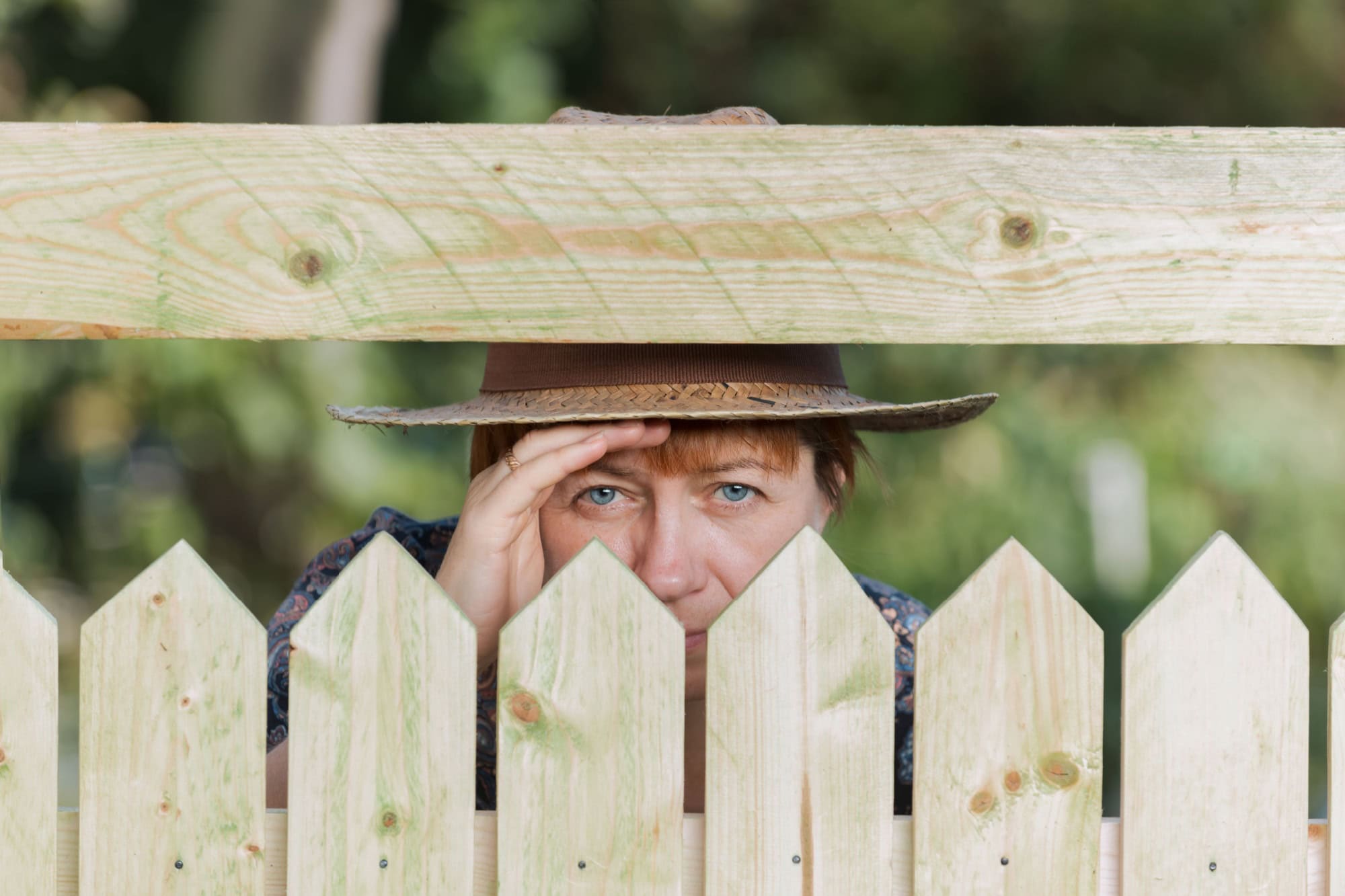
Since the 1970s, the General Social Survey has looked at how much Americans trust other people. And the numbers have been dropping since the survey began. Fewer people say they trust others, while neighborhood socializing itself has dropped too. The trend in the 1970s used to involve talking outside or dropping by next door, but by the ’90s, that started to fade.
Less face time on the block

One of the major reasons for this is that people spend a lot more time inside now, mostly because working from home is more popular. People tend to prefer hanging out indoors. Any activities that used to happen in shared spaces, like talking on sidewalks or meeting up in local spots, simply don’t happen as much. We prefer filling our time with screens.
Long commutes and spread-out cities

Neighborhoods that are spread out force people to be in their cars more than on foot. These long drives eat into their evenings, and once you finally get home after sitting in traffic, the last thing you want is a long conversation outside. In many places, it’s normal to drive everywhere, even when picking up groceries, so neighbors barely cross paths.
Moving house changes local ties

Many people don’t stay in one place for very long anymore. Job changes & rent increases keep neighborhoods in constant rotation, and it’s hard to build strong local connections when the faces on your street keep changing. You could be the one staying put. But why invest when you know the people next door may be gone in a year?
Safety and “watching out” together

Once, people relied on each other to keep an eye on the street instead of using security systems & apps. Parents would talk, and their kids would play outside, as everyone had a general sense of who belonged where. But the rise of technology means that shared watchfulness faded & neighborhoods became less close.
Inequality and generations

Unfortunately, income gaps have grown wider & neighborhoods often reflect those divides. People live close together in some areas, yet they have totally different day-to-day experiences, creating invisible walls that make it harder to build a natural sense of trust. The majority of people stick with their own circles. These often don’t involve those living nearby.
Younger generations also grew up with different routines than their grandparents and hanging out on front porches isn’t part of daily life anymore. The older residents who remember that style of neighborliness are also aging out of communities, with such a shift changing how neighborhoods feel. It’s not necessarily something that anyone planned.
Changing patterns in religious participation

A large number of neighbor interactions used to happen through churches and other places of worship. As such, Sunday mornings involved packed pews & bake sales, along with kids running around outside after services. But fewer people go every week now. It cut out one of the biggest ways that neighbors saw each other on a regular basis.
A growing number of Americans don’t identify with any organized religion at all. Although that doesn’t mean they’ve all stopped believing; they have fewer weekly routines tied to a local congregation.
Fewer everyday “third places” to meet
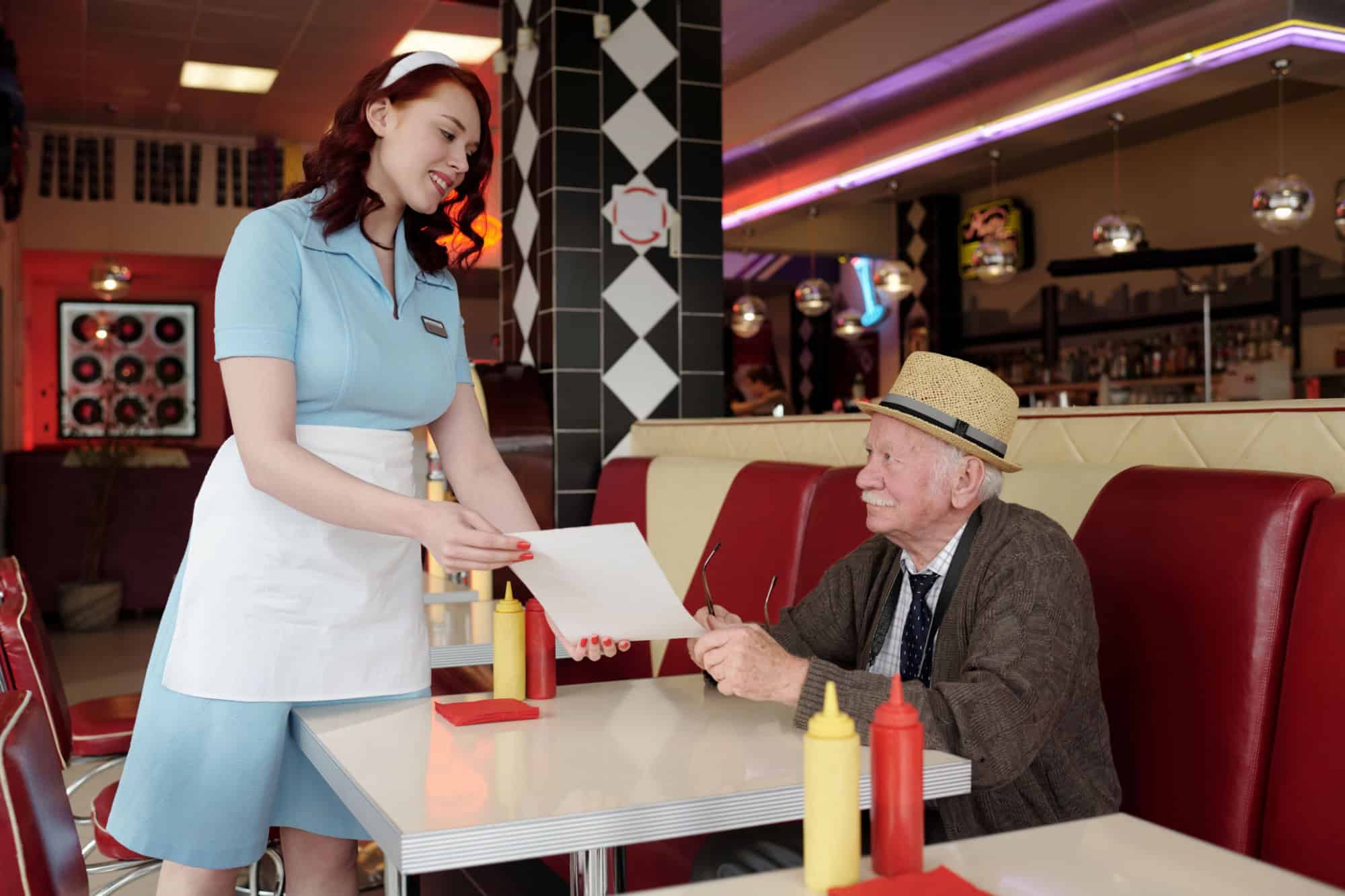
Sadly, many neighborhoods lack the hangout areas that they once had, like diners or libraries. These were the kinds of places where neighbors naturally crossed paths without any planning needed. Without them, the only real shared spaces left are often grocery store aisles or gas stations. And who wants to hang out there?
More gated neighborhoods & private streets
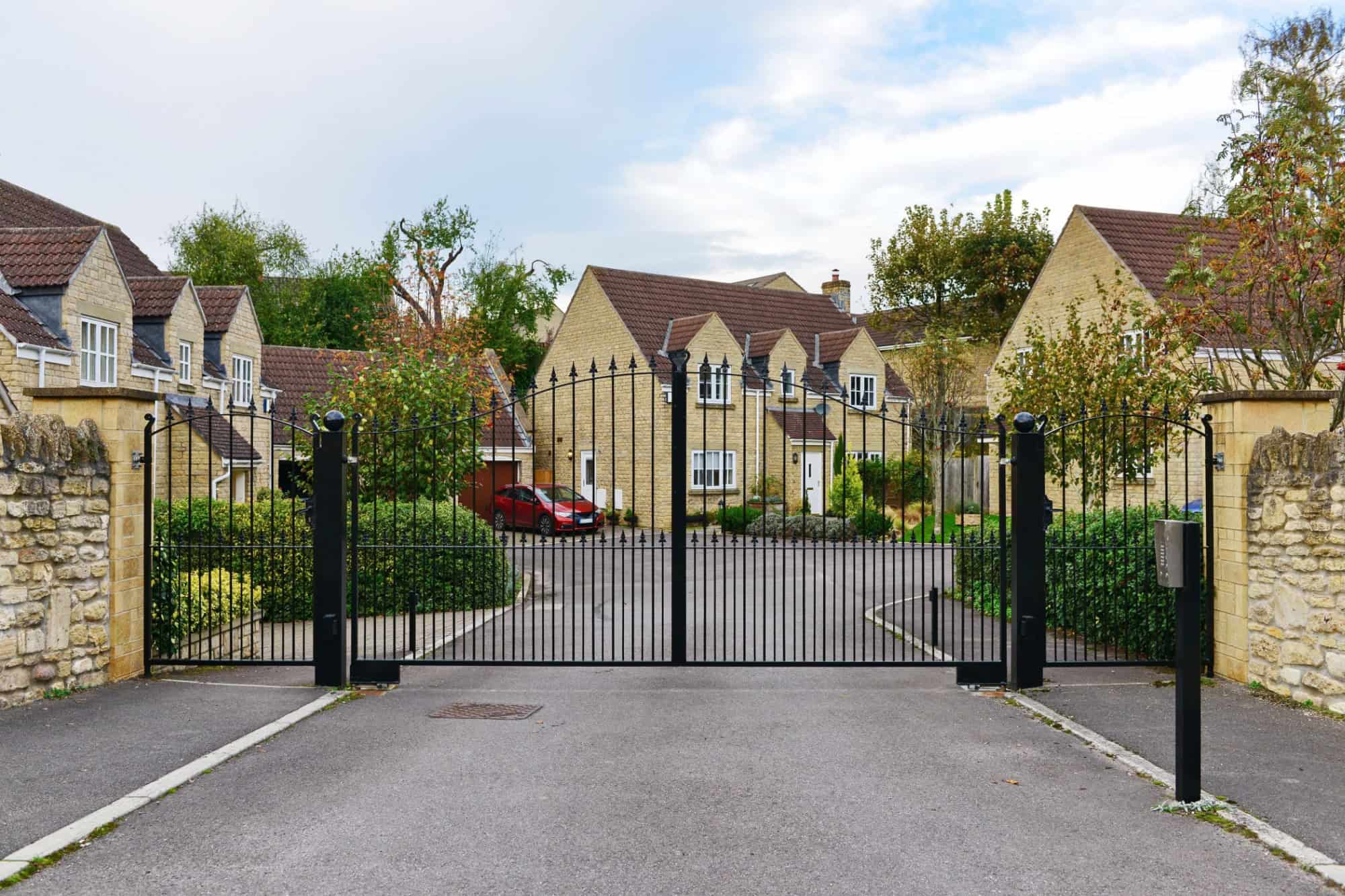
The types of neighborhoods have changed, too. Over the years, gated communities have appeared all over the country with walls & private roads. They also have their own little sets of rules. Even though residents might use the same amenities, outsiders can’t just wander in, and such a setup cuts off the flow between neighborhoods & turns ordinary streets into closed loops.
Controlled access & private spaces limit the casual interactions between different groups of neighbors because people inside the gates mostly interact with each other. Everyone else stays on the outside. This separation changes how communities feel, while also preventing trust from naturally building across the fence.
The neighborly meetup got rarer
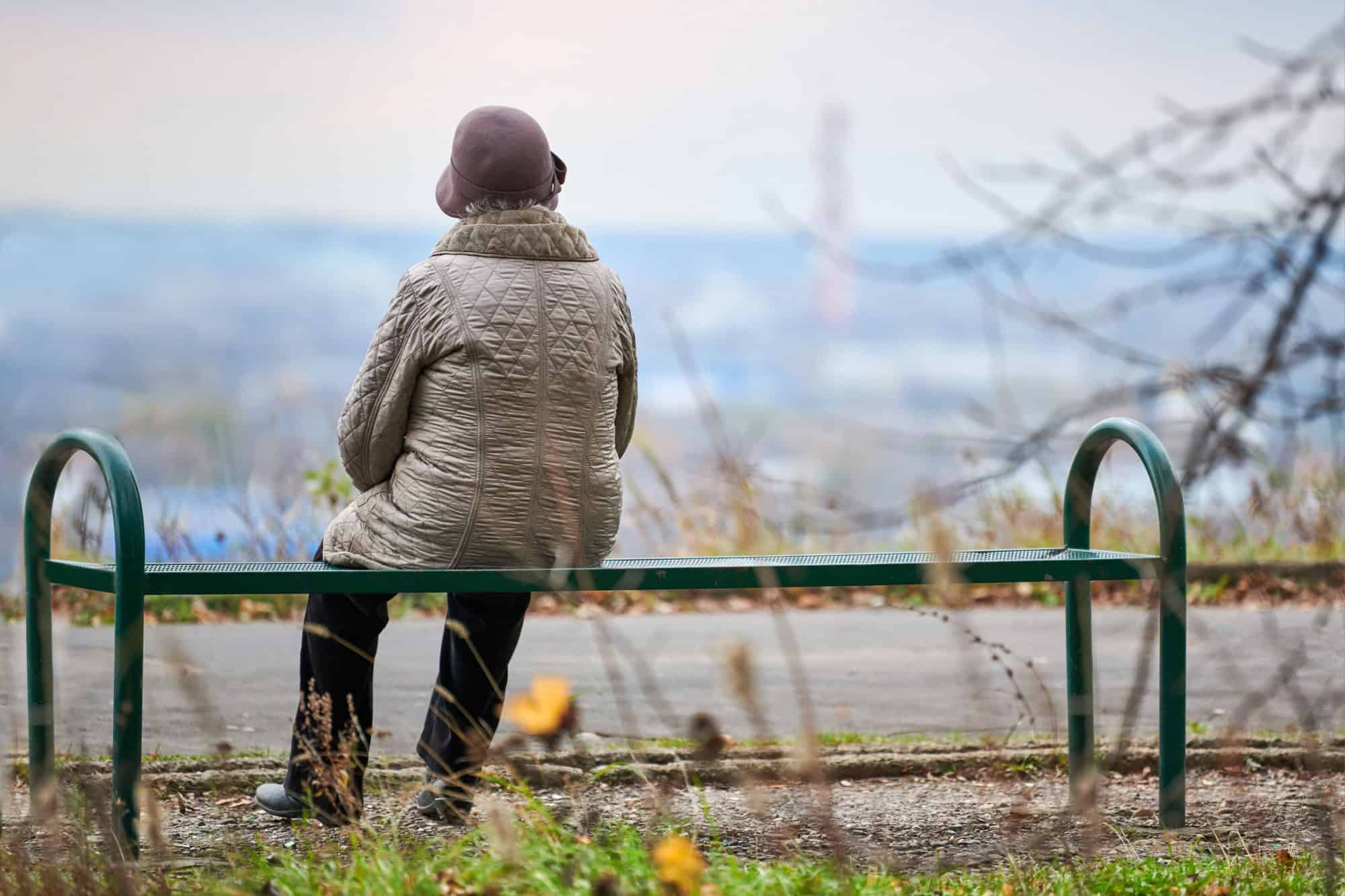
Once you put all these issues together, it’s not hard to see what happened. Our neighborhood trust gradually disappeared, and what used to be part of everyday life slowly became the exception instead of the rule. Will we ever get it back?
Sources: Please see here for a complete listing of all sources that were consulted in the preparation of this article.
Like our content? Be sure to follow us.
