

Sure, many people picture Jesus as calm and reassuring, but the Gospels show a different side to him, and here are twelve things He said that stop us in our tracks.
A strange reply
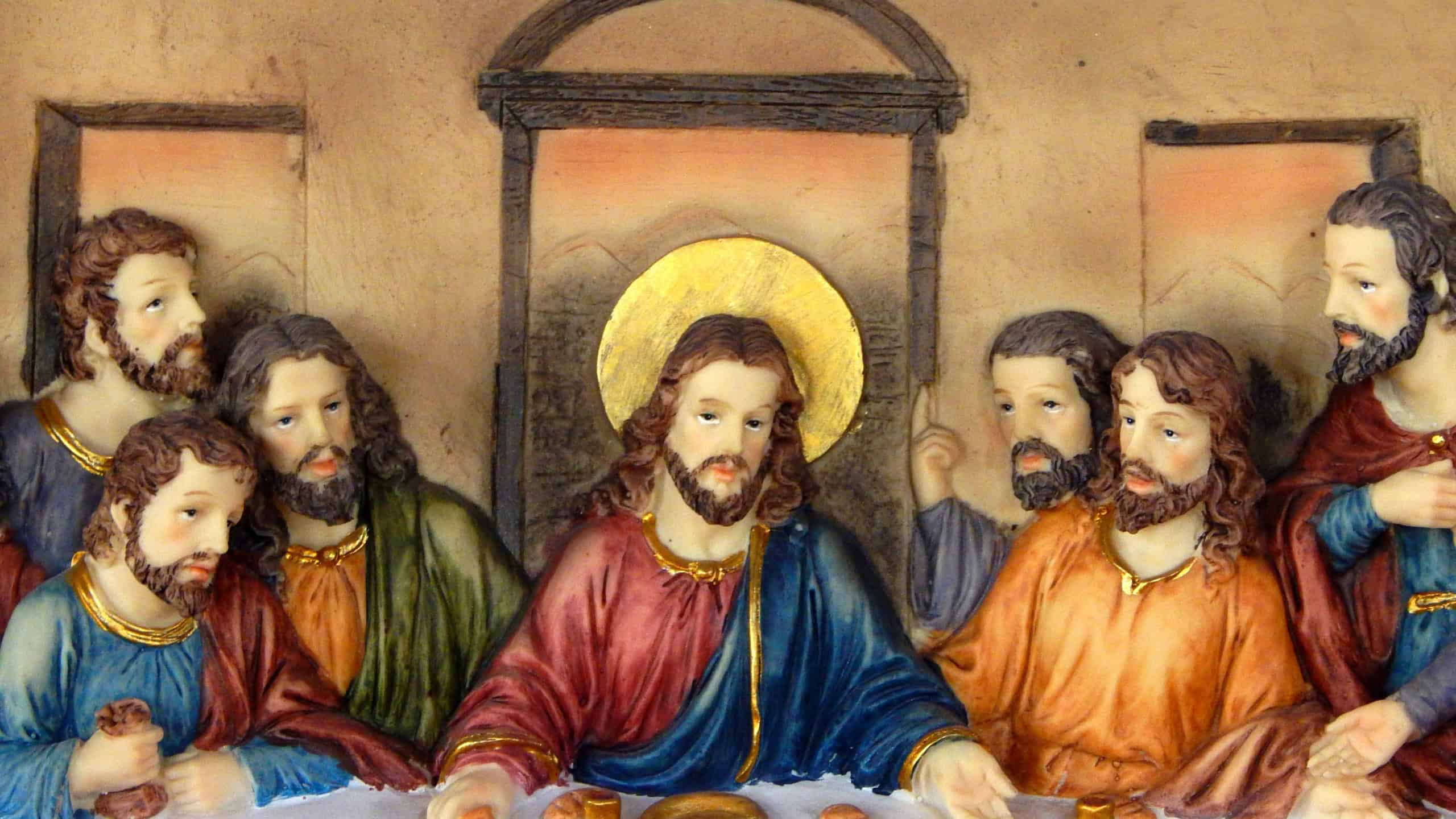
In Luke 18, a ruler walks up to call Jesus a ‘good teacher,’ which sounds like quite a nice compliment. But Jesus doesn’t take it that way.
Rather than merely accepting it, He pushes back by saying, ‘Why do you call me good? No one is good except God alone.’ It’s a little jarring because it makes you really think about the meaning of ‘good.’
The sentence comes right before a conversation about keeping the commandments, and it’s enough to change the whole tone of the exchange. Who knew Jesus would hate being called ‘good?’
The interruption

A little later, in Luke 9, there’s an exchange where someone says that they’ll follow Jesus, but they want to bury their father first. You’d think that’d be reasonable enough.
However, Jesus criticizes them with the reply, ‘Let the dead bury their own dead,’ and it feels a little strange to see Him being so seemingly insensitive.
He doesn’t soften or explain the line, which comes right in the middle of a conversation about following Him. No, Jesus simply moves on to the next person.
The turn in the sentence

There’s a moment in Matthew 5, during the middle of the Sermon on the Mount, where Jesus switches from talking about a person’s actions to talking about their thoughts. He claims that looking at someone with lust counts as adultery in your heart.
But it gets worse.
Jesus says that, ‘If your right eye causes you to stumble, gouge it out.’ Such violent imagery comes across a little strong, especially for someone who was supposed to be big on peace.
The upside-down line

Mark gets a similar moment when Peter recognizes Jesus as the Messiah, as things take quite a sharp turn. Jesus begins talking about suffering, and it causes Peter to push back.
In response, Jesus says, ‘Whoever wants to save their life will lose it.’ It’s weird to hear Him go against a person’s basic instincts like that, and the sentence doesn’t feel all that symbolic.
Then you see the next part, where it talks about ‘taking up your cross,’ which was a real execution method of the time. Jesus was quite serious.
The cry from the cross
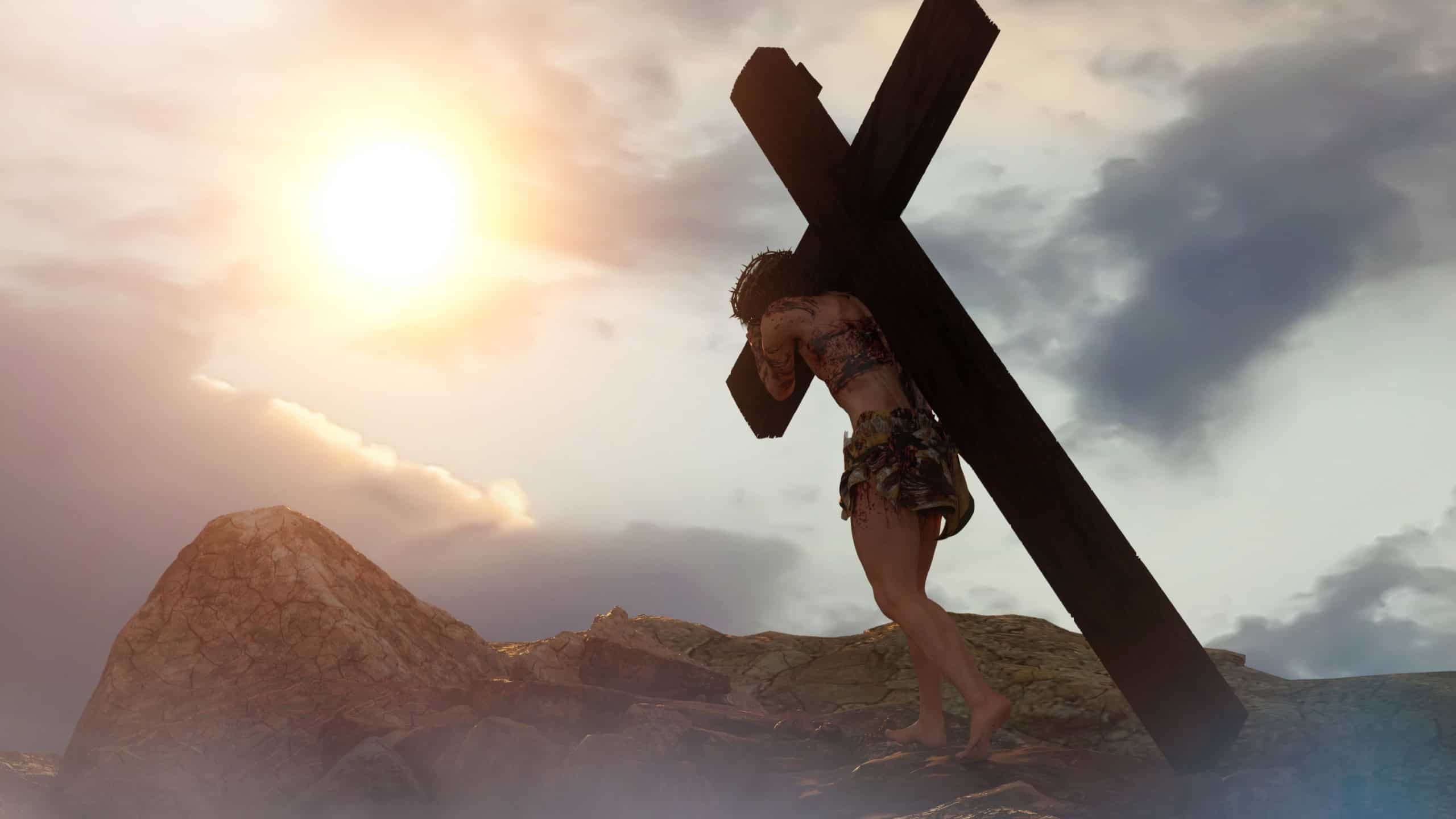
Jesus says something in Matthew 27 that’s pretty chilling to read. He cries out, ‘My God, my God, why have you forsaken me?’ during his final moments, at around three in the afternoon.
The Gospel describes it as being a loud cry, and it comes when Jesus is being crucified. Rather than being certain, Jesus goes in the opposite direction, which is shocking enough by itself.
But try to consider the fact that the wording matches the opening of Psalm 22 almost exactly. Somehow, it makes the sentence seem even more raw and painful.
The sentence people don’t expect

Most people like to think that Jesus was consistent with his message of peace and kindness, yet that’s not strictly true. He actually says at one point, ‘I did not come to bring peace, but a sword.’
Later, He goes on to talk about families splitting apart, with father pitted against son and mother against daughter. It’s thankfully only a metaphor.
Still, the fact that it sounds like something so direct is one of the reasons why it sticks in people’s minds.
The family line

Who would’ve thought that Jesus would start preaching about hate as though it’s a good thing? But that’s exactly what he seems to encourage His believers to feel.
He says, ‘If anyone comes to me and does not hate father and mother, wife and children, brothers and sisters – yes, even their own life – such a person cannot be my disciple.’ Ouch.
He’s telling His believers that it doesn’t matter that your family might not believe because you should sacrifice that relationship to believe in Him. They’re pretty strong words from someone who really seems to be big on family, and it’s why His words stuck with us.
The closed door moment
What really stands out in Jesus’s sheer honesty, as he states, ‘Depart from me, I never knew you’ after people come up to him and share three ideas. They mention prophesying, casting out demons, and performing miracles.
However, Jesus is determined to let people know that he disregards them completely. He doesn’t simply tell them, ‘you failed’ or ‘I knew you once.’ No, he straight-up tells them that he ‘never’ knew them at all.
He also instructs the people to go ‘away from me,’ and refers to them as being ‘evildoers.’
The impossible standard

The next line is another one that’s quite reliant on its context, and it comes after everything has already been pushed further than expected. Jesus tells his followers, ‘You must be perfect, as your heavenly Father is perfect.’
According to Bible scholars, the original Greek word for perfect, ‘teleios,’ could mean complete or whole. But that doesn’t necessarily make it easier to read, and it can be a little uncomfortable to find out that Jesus wants us to be perfect.
The open hand rule

At first, the line ‘Give to everyone who asks you’ sounds like something you’d expect to hear from Jesus. Then the next line comes. Jesus says, ‘and if anyone takes what belongs to you, do not demand it back.’
Yes, He keeps repeating the same idea in different ways to reinforce the idea that you should lend without expecting anything, despite the fact that it’s not a very realistic goal.
Practically speaking, there’s no way you can give constantly, and it raises the question of whether Jesus understood that people should have personal boundaries.
The small number

In one part of the Bible, Jesus mentions how there is a wide gate with many people going through it and a narrow one where only a few are able to make it.
That comparison seems fair enough, until you learn that He also said, ‘The road is narrow that leads to life, and few find it.’ He’s essentially saying that most people in life are getting things wrong and they’re destined to suffer as a result. It’s not just a few people making mistakes, but almost everyone.
Really, that doesn’t seem fair at all.
The insult in public

It apparently doesn’t matter whether you’re good or religious because that doesn’t necessarily mean you’re going to go to heaven. In Matthew 21, Jesus says, ‘The tax collectors and prostitutes are entering the kingdom of God ahead of you.’
So what does that mean? He’s telling believers that those who sin and repent of it are going to go to heaven ahead of those who are self-righteous. That comes off as a little extreme, which is why we can’t stop thinking about it.
Sources: Please see here for a complete listing of all sources that were consulted in the preparation of this article.

