

It is vital to adopt healthy eating habits for maintaining overall health and well-being. With simple changes to your dietary intake and lifestyle, it is possible to transform your eating habits and enjoy the benefits of nutritious food choices. Here are 17 healthy eating habits to help you on your journey to a healthier lifestyle.
Featured Image Credit: Pexels.
#1. Meal Planning

Meal planning involves strategically deciding in advance what meals you will consume throughout the week, offering benefits such as making healthier choices, saving time, and reducing food waste.
This proactive approach streamlines grocery shopping, as you can create a precise shopping list based on the needed items for each meal, reducing impulse purchases and food waste. Additionally, meal prepping ingredients or entire meals in advance saves time during busy weeknights, making it easier to stick to your dietary goals.
For instance, planning to have grilled chicken with roasted vegetables and quinoa for dinner on Wednesday allows you to marinate the chicken and chop the vegetables ahead of time, simplifying the cooking process on the day-of. Overall, meal planning is an effective strategy for promoting healthier eating habits, maximizing efficiency in the kitchen, and minimizing food-related stress.
#2. Portion Control

Portion control is required for maintaining a healthy diet and involves being mindful of the amount of food consumed at each meal. This practice is important for weight management and preventing overeating, which again leades to weight gain and various health issues.
For instance, rather than mindlessly filling your plate, portion control can involve using smaller plates or measuring out servings of protein, carbohydrates, and vegetables to ensure a balanced meal. Additionally, paying attention to portion sizes permits individuals to savour their favorite foods in moderation without overindulging.
#3. Mindful Eating
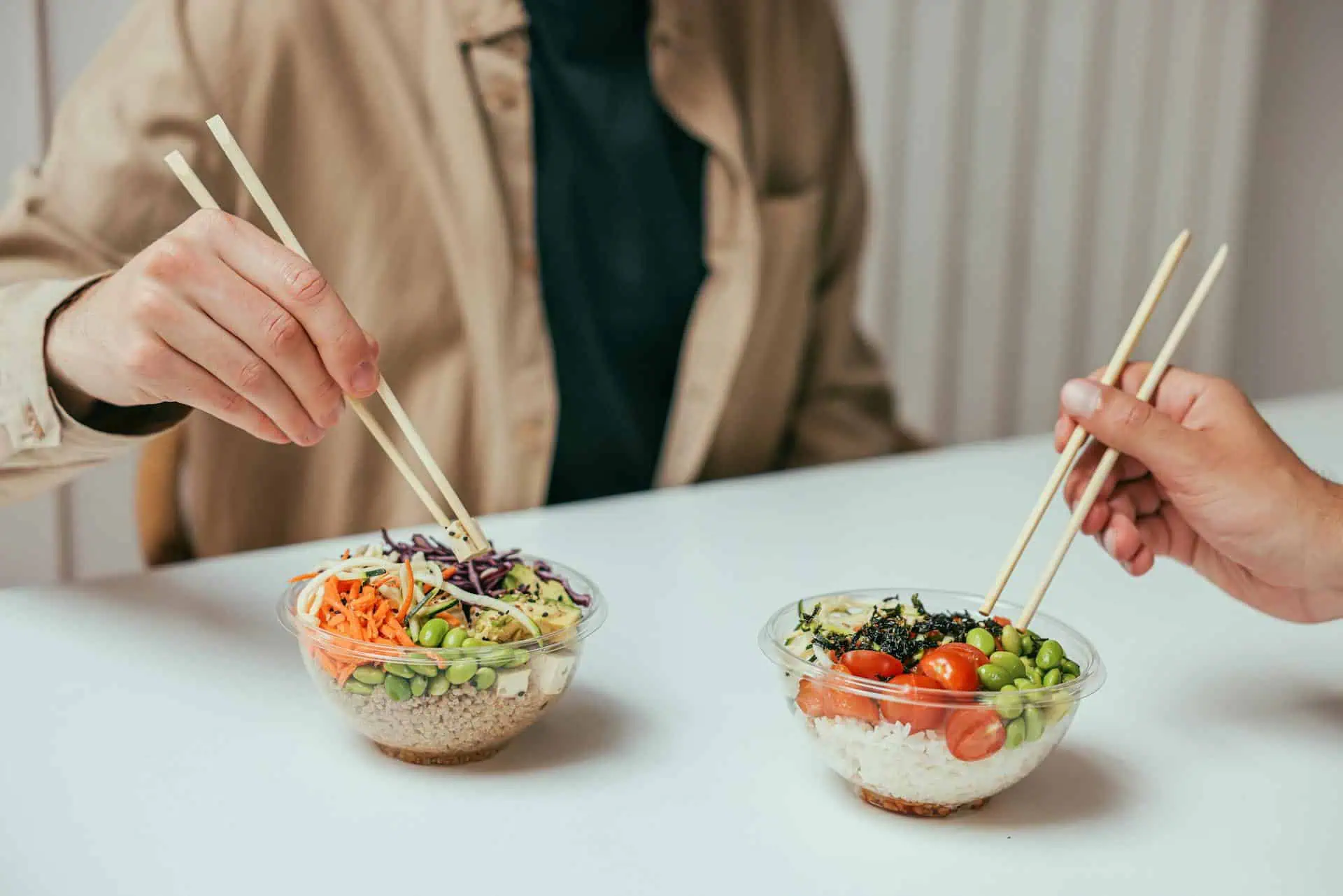
Mindful eating is a food practice that entails being fully present and attentive to your eating habits, as well as the sensations you experience while consuming food. This eating experience encourages a deeper connection with food, allowing for a greater appreciation of flavors, textures, and aromas.
By savoring each bite and eating at a relaxed pace, individuals can enhance nutrient absorption and reduce gastrointestinal discomfort. Overall, incorporating mindful eating practices into daily routines can lead to a more enjoyable and nourishing eating experience, fostering greater satisfaction and well-being.
#4. Hydration

#5. Incorporate Fresh Fruits and Vegetables

Fruits and vegetables are nutritional powerhouses brimming with essential minerals, vitamins, fiber, and antioxidants vital for maintaining good health. They bolster immune function, aid digestion, and decrease the risk of chronic diseases such as heart disease and cancer. With abundant vitamins like C and A, minerals such as potassium, and beneficial fiber, they are key players in various bodily functions, enhancing vision, regulating blood pressure, and facilitating digestion.
Moreover, integrating a colorful array of fresh vegetables and fruits into your daily diet is crucial for overall health and well-being, ensuring a nutrient-rich intake that supports optimal health and disease prevention.
#6. Whole Grains

Whole grains are invaluable contributors to a healthy diet, offering a wealth of essential minerals, fiber, and vitamins that play crucial roles in promoting overall well-being.
Rich in fiber, whole grains slow the sugar absorption into the bloodstream, preventing spikes in blood sugar levels and promoting stable energy levels throughout the day. The fiber content in whole grains also supports digestive health by enhancing regular bowel movements, preventing constipation, and nourishing beneficial gut bacteria.
Simply put, incorporating a variety of whole grains such as oats, brown rice, quinoa, and whole wheat into your diet can contribute to better health outcomes and overall well-being, making them an integral part of a nutritious diet.
#7. Limit Processed Foods

#8. Healthy Fats

#9. Lean Proteins

#10. Eat Regularly

Taking in regular meals and snacks throughout your day helps stabilize blood sugar levels, maintain energy levels, and prevent overeating. This approach also supports a healthy metabolism and aids digestion. Eating at consistent intervals prevents concerning spikes or drops in blood glucose levels that can cause energy slumps and cravings for unhealthy foods.
Regular meals and snacks provide a steady supply of nutrients and energy, helping you stay focused and active throughout the day. Additionally, this practice helps control hunger, reducing the likelihood of overeating during meals, which can contribute to weight gain and digestive discomfort. By promoting a balanced intake of nutrients, regular eating patterns support metabolic processes and ensure efficient digestion, contributing to overall well-being and long-term health.
#11. Limit Added Sugars

#12. Cook at Home

Cooking meals at home permits you to decide on ingredients and portion sizes, ensuring that your meals are healthier and tailored to your nutritional needs. This practice also gives you the opportunity to experiment with new recipes and cooking techniques, making healthy eating more enjoyable and sustainable.
Preparing your own meals allows you to choose fresh, whole ingredients and prevent from using excessive amounts of unhealthy fats, sugars, and sodium often found in restaurant and processed foods. Additionally, cooking at home allows you to manage portion sizes more effectively, helping you to maintain a balanced diet and avoid overeating.
#13. Read Food Labels

#14. Enjoy Treats in Moderation

It’s important to enjoy your favorite treats occasionally but in moderation. By incorporating treats into your diet in a controlled manner, you can satisfy cravings without overindulging, which helps maintain balance and avoid binge eating.
This approach fosters a more sustainable and enjoyable eating pattern, where all foods can fit into a healthy lifestyle. Moderation ensures that you can enjoy the pleasure of eating without compromising your overall nutritional goals, contributing to both physical health and psychological well-being.
#15. Listen to Your Body

Paying attention to your body’s signals regarding hunger and fullness can aid in avoiding overeating and promoting mindful eating. By eating when you’re hungry and stopping when you’re full, you can better regulate your food intake, which helps maintain a healthy weight and prevent weight-related health issues.
This mindful approach to eating encourages you to pay attention to your body’s natural signals, leading to a more balanced connection with food. Recognizing when you are truly hungry, rather than eating out of habit or emotion, ensures that you consume only what your body needs.
#16. Seek Support

Surrounding yourself with a supportive community of family, friends, or health professionals can help you maintain healthier eating habits by keeping you motivated and accountable. A strong support system provides encouragement, guidance, and motivation, making it easier to reach your health and wellness goals. Family and friends can share in your journey, offering companionship and positive reinforcement.
Health professionals, such as dietitians or nutritionists, can render expert advice and personalized strategies to help you stay on track. Together, this network can help you navigate challenges, celebrate successes, and sustain long-term healthy eating habits.
Disclaimer – This list is solely the author’s opinion based on research and publicly available information. It is not intended to be professional advice.
Like our content? Be sure to follow us.
11 Things That Will Vanish With the Baby Boomer Generation

Change is on the horizon, and as the baby boomer cohort gracefully transitions into their senior phase, a consensus among many users emerges: specific facets of life are destined to become relics of the past. Let’s explore a selection of social media remarks that illuminate the potential contours of the times ahead.
14 Modern Luxuries That Were Standard For Baby Boomers 40 Years Ago

In our rapidly evolving world, what used to be standard fare has now become a rarity for many. From tailored clothing to personalized travel, the things we once took for granted are now seen as special treats. In this slide show, we’ll explore how these everyday items and experiences have shifted from being necessities to privileges. Join us as we unravel the journey from common to exclusive and understand the evolving landscape of modern luxuries.