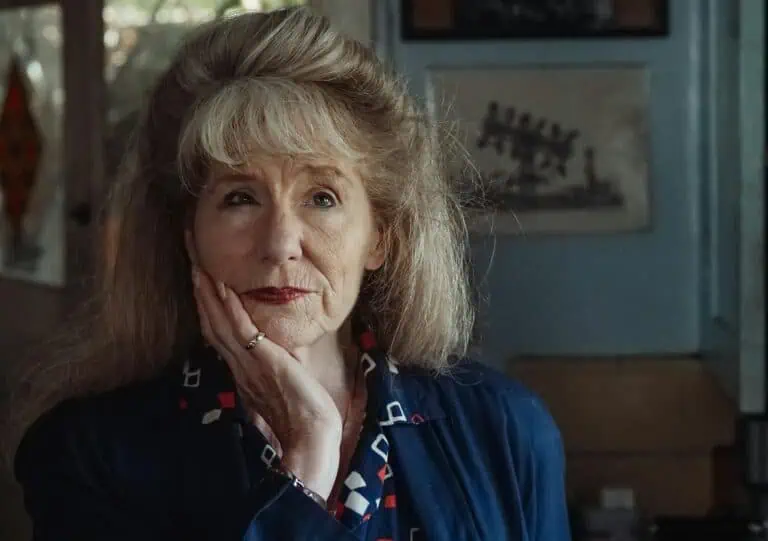

As the world speeds up, many older folks are finding it hard to keep up. While new technologies and changing social norms seem exciting to the younger generation, they can be confusing and overwhelming for the older adults who grew up in a different time. Although these adults bring wisdom and life experience that’s still valuable, they often feel overlooked. This can lead to feelings of loneliness and frustration. Understanding these challenges is the first step to making sure no one gets left behind.
Let’s take a closer look at 10 ways society is leaving older generations behind.
Featured Image Credit: Kindel Media /Pexels.com.
Struggling with Technology

In the world we live in today, everything seems to be going digital, but not everyone is on the same page. For many older adults, smartphones, online banking, and social media feel like a foreign language. Instructions often assume you already know the basics, which can leave older folks feeling lost. As a result, they might avoid these tools altogether, leading to a sense of disconnect from the world around them. Without the right support, this digital divide just keeps growing
Facing Ageism at Work

Age discrimination in the workplace is more common than we like to admit. Many older workers struggle to find new jobs or get promotions because they’re seen as less adaptable or up-to-date. Despite years of experience, they might be passed over for younger candidates. This can push them into early retirement or force them to take lower-paying jobs just to get by. Over time, this not only affects their finances but also their sense of self-worth.
Healthcare Falling Short

As people get older, healthcare needs change, but the system doesn’t always keep up. Many older adults find it harder to access the care they need due to long wait times, lack of nearby services or simply not being taken seriously by healthcare providers. Medications can be expensive, and handling insurance can feel like a full-time job. This can leave older people feeling frustrated and neglected. The focus is often on treating more “urgent” cases, leaving older patients who need long term care, in the dust.
Social Isolation

With families spread out across cities or even countries, many older people are left feeling isolated. The traditional family structures that once provided support are changing, and it’s not always easy to maintain close relationships over long distances. Friends may have moved away or passed on, and making new connections isn’t as easy as it used to be. This sense of being alone can take a heavy toll on physical and mental well-being.
Financial Insecurity

Retirement should be a time to enjoy life, but for many, it’s a period of financial stress. Pensions aren’t what they used to be, and savings can quickly dwindle with rising living costs. Some older adults find themselves having to go back to work just to make ends meet, which isn’t always easy. Fixed incomes can make it hard to keep up with expenses, especially when unexpected costs arise. This financial strain can lead to anxiety and a diminished quality of life.
Neglect in Urban Planning

Cities are growing and changing, but not always in ways that accommodate older residents. Public transportation can be difficult to navigate, and sidewalks or buildings might not be accessible for those with mobility issues. Parks and community spaces often cater more to younger crowds, leaving older people with fewer places to go. As urban areas evolve, the needs of the aging population are frequently overlooked, making it harder for them to stay active and engaged in their communities.
Lack of Representation

In media and advertising, older adults are often underrepresented or portrayed in stereotypes. They might be seen as frail, out of touch, or just plain boring, which doesn’t reflect the diverse and active lives many older people lead. When society doesn’t see older people as vibrant, contributing members, it reinforces the idea that they’re less important.
Changing Family Dynamics

Traditional family roles are shifting, and not always in ways that support older generations. With more dual-income households, adult children may have less time to care for aging parents. The days of multi-generational households are becoming less common, which can leave older people without the family support they once relied on. This change in dynamics can lead to feelings of abandonment or loneliness. It also puts pressure on older adults to be more self-sufficient, even when they need help.
Barriers to Lifelong Learning

Learning doesn’t stop at a certain age, but opportunities for older adults to continue their education are often limited. Even if it’s pursuing a new hobby, gaining new skills, or just staying mentally active, the resources aren’t always there. Many programs cater to younger people, with little consideration for older learners. This can make it harder for them to stay engaged and connected to the world around them.
Overlooked in Policy Making

Policies often cater to the needs of the younger population, leaving older people out of the conversation. Be it housing, healthcare, or community services, the specific needs of older adults aren’t always considered. This can lead to policies that don’t address their challenges or, worse, make life more difficult for them. Without a voice in these decisions, older generations can feel ignored and powerless.
Disclaimer: This list is solely the author’s opinion based on research and publicly available information.
Like our content? Be sure to follow us.
Read More: