

Some parents have no idea that parts of their childhood affect how they raise their kids—the signs aren’t always obvious. It comes out in the way they talk, the way they clean, or even how they plan the day. Let’s look at fourteen ways that childhood trauma affects parenting. Just remember, we’re not trying to blame anyone—we’re simply recognizing habits that stick.
Featured Image Credit: FRANCISGONSA /Depositphotos.com.
Explaining Every Single Rule
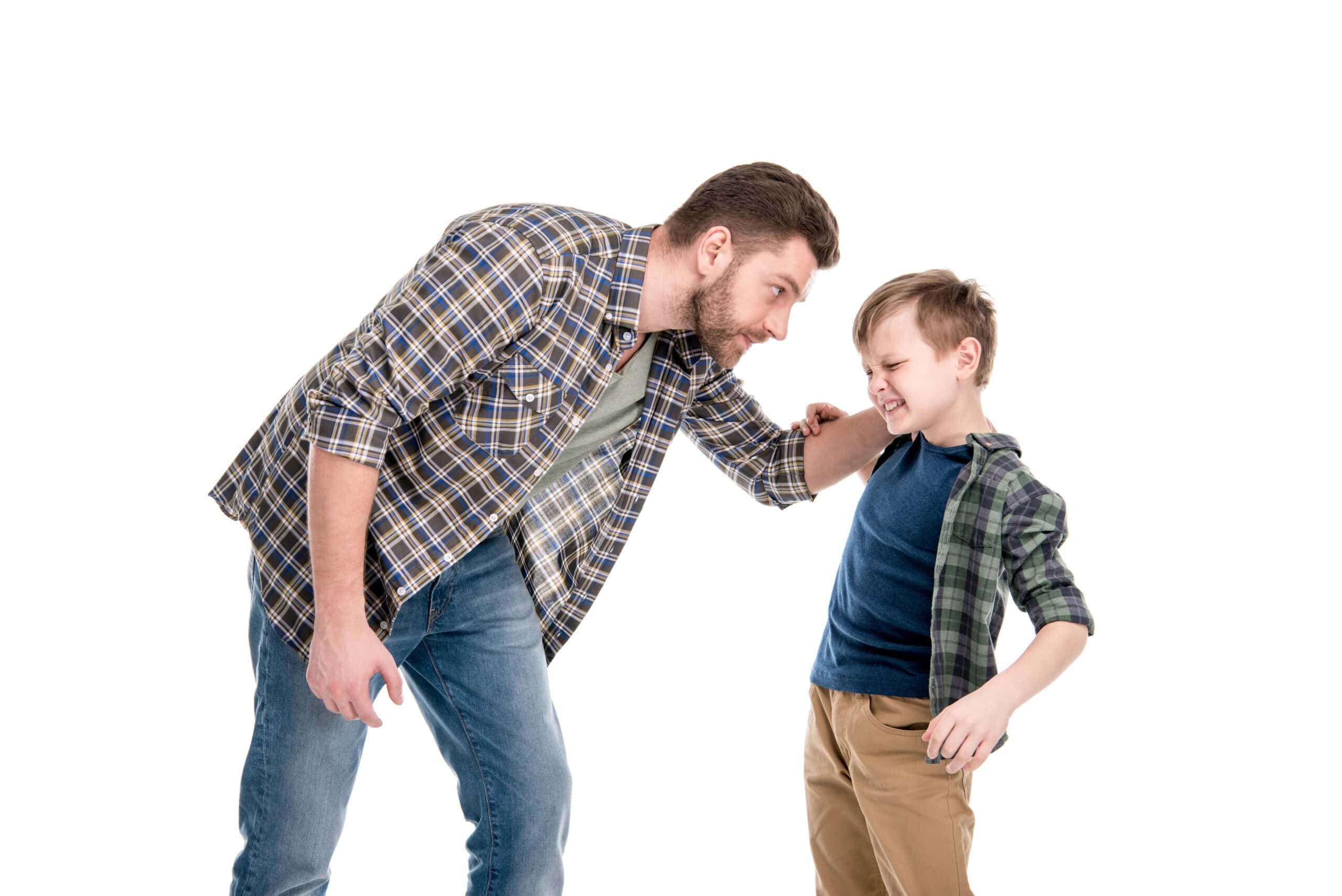
Some parents don’t feel comfortable giving rules without explaining them in detail and instead of a quick “no,” they’ll give reasons & background info, as well as examples. This usually comes from growing up in a place where they weren’t allowed to ask why and they had to follow rules without understanding them. Now, they want their kids to always know the reason so they’re able to avoid the confusion and fear the parents felt as children when things didn’t make sense.
Planning Things Down to the Minute

Anyone who grew up in a home where things felt chaotic or unpredictable will likely become very focused on schedules. For example, they’ll want bedtime at the exact same time every night and might feel stressed if dinner runs late or if their plans change at the last minute. Rather than them being strict for fun, the issue is that so much unpredictability growing up made things feel unsafe and being in control feels like a way to keep things calm.
Holding Back From Hugs

Parents who didn’t grow up with safe or consistent physical contact might avoid physical affection with their own kids and they may freeze up when their child reaches for a hug. They may only give quick pats on the back, although it’s not because they’re trying to be cold. When touch was used for control or punishment, it became something to be cautious about and now, their bodies pull away automatically, even if they want to connect.
Talking About Grown-Up Stress in Front of the Kids

If someone grew up being the “listener” for one of their parents, they may not realize when they start doing that with their own kids, since it feels normal to vent about bills or work drama. You want to talk to those around you, even if that person is eight years old, and they may not think of it as oversharing. But it’s usually because their parents never taught them to hold those conversations with other adults and they were given that emotional support role too early.
Feeling Weird When Praising Their Own Kids

Giving praise doesn’t feel easy when you grew up rarely receiving compliments or became used to hearing kind words as a form of manipulation. Some parents might give a compliment and instantly follow it with a suggestion or correction, while others might downplay their kid’s excitement. It’s because they don’t have a lot of practice with sincere, open encouragement, so it takes effort for them to say “Good job” without wanting to fix or add something after.
Skipping Birthdays and Traditions

For some kids, holidays & birthdays were stressful because they were full of arguments, which is why some parents avoid celebrating them at all. They might say they’re “not a holiday person” and conveniently ‘forget’ to plan ahead—it’s often a way to avoid feelings that still come up during those times. They shut down around those events, regardless of whether they want their kids to enjoy them, because those special days are tied to memories they’d rather not revisit.
Snapping When Kids Cry
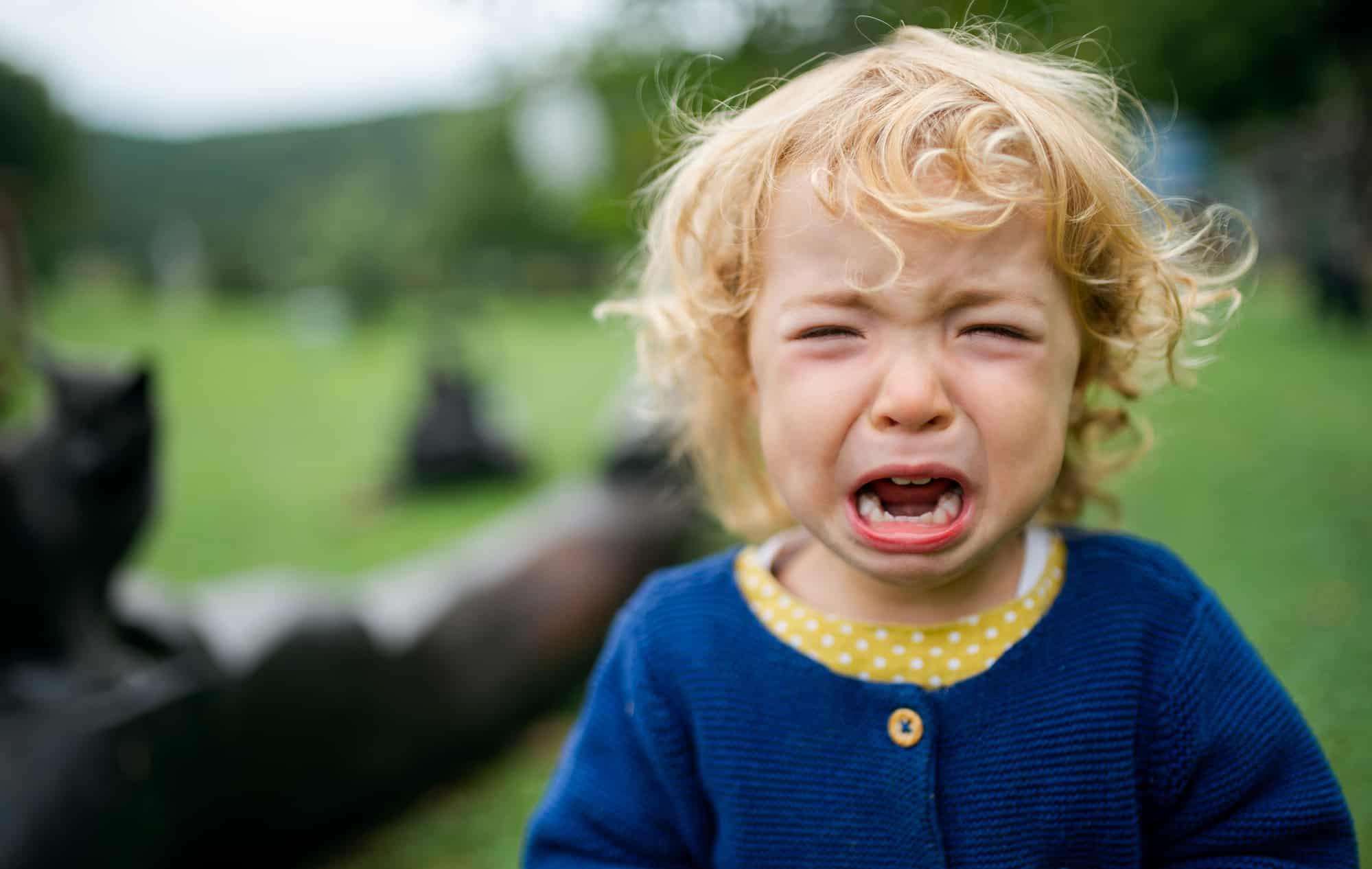
Nobody likes to hear kids crying, but it’s particularly bad for some parents, who get tense the second those tears start, although it’s not because they don’t love their kid. Instead, they were trained early on to shut their own feelings down, as crying got them in trouble, or perhaps nobody listened to them. They won’t offer a hug to their child, but instead feel this weird urge to make the crying stop—fast. They’re not trying to be cruel, it’s just muscle memory.
Focusing Only on Logic When Kids Are Upset

Similarly, when emotions flare up, these parents go into full problem-solving mode and they start thinking, “What’s the solution? What do we do here?” as soon as their child’s upset. Comfort doesn’t come first—logic does, because, as kids, emotions weren’t something they could show. They skip straight to action steps since sitting with big feelings was never an option in their own home.
Feeling Guilty for Relaxing

You’d think finally putting your feet up would feel great, yet parents with childhood trauma struggle to do so. Even a quiet moment on the couch comes with this annoying little voice saying, “You should be doing something” because that stillness is hard to deal with. They grew up seeing rest treated like a reward that they never earned, so it feels almost wrong to do so. This kind of parent keeps moving, despite the fact that nobody’s asking them to.
Getting Stressed Over Toys on the Floor

It’s just a few toys, a shoe under the table, or a sticky handprint on the fridge—but many parents find that mess is quite difficult for them to handle. It brings this wave of stress that they don’t totally understand because, as a child, any kind of mess led to punishments. As a result, just normal clutter feels like a warning sign that leads to rapid-fire cleaning or a snappy voice. It surprises even them when they use it.
Skipping the Baby Voice Phase

Not everyone’s naturally gushy with babies and there are lots of parents who talk to their newborns the same way they talk to a delivery guy, which other people see as coldness. The truth is, though, that it’s just what feels normal because they didn’t grow up around soft voices or gentle affection. Using a sweet tone now feels awkward or even embarrassing, so they choose to bond differently—quietly, practically & with fewer coos than you’d expect.
Never Asking for Help—Even When Overwhelmed

Some parents could be drowning and still say, “I’m fine,” and they’ll take on way too much before they even think about asking for help. Just what’s their problem? It’s because when they were younger, help wasn’t free and it came with guilt or strings, meaning that they learned to rely only on themselves. Someone could offer a hand to them now, but it feels easier to just say no & keep pushing through solo.
Pointing Out Every Tiny Mistake

You’ve probably seen a few parents correcting their kids’ grammar mid-story or commenting on a nearly perfect drawing, which might not be because they’re being picky. It may come from having a childhood where perfection was expected, rather than being praised, so they learned to spot flaws before anyone else could point them out. They probably don’t mean to do it now, but they pass that hyper-awareness onto their kid, one small correction at a time.
Feeling Awkward During Playtime

Play often feels weird for these parents because it’s challenging for them to slip into “pretend” mode—they freeze, mumble something about “Nice blocks,” and then check their phone. For them, playtime wasn’t a thing in their childhood, whether it was because it ended early or it never felt safe. Either way, fun now feels foreign and they’re not able to get over this.
Disclaimer: This list is solely the author’s opinion based on research and publicly available information.
Like our content? Be sure to follow us on MSN.


