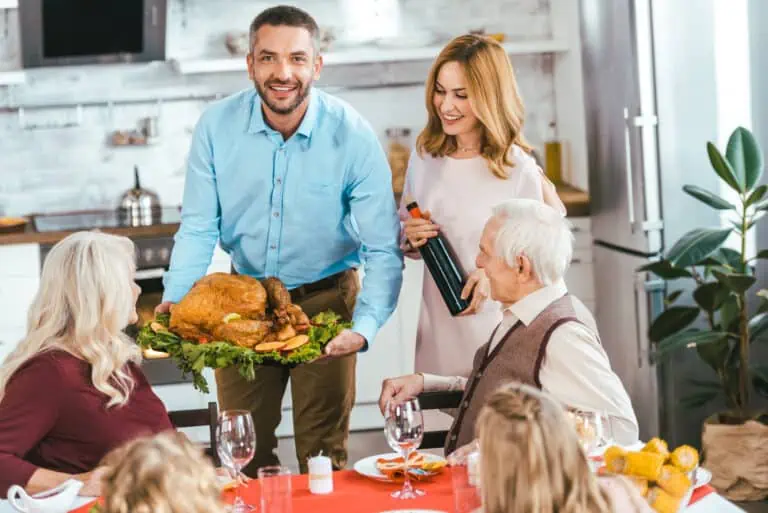

As Americans, we have lots of traditions & unspoken customs that everyone just seems to know at family gatherings. There’s a familiar rhythm to these events that we all get—whether it’s a holiday feast or a casual backyard barbecue. Here are twelve unwritten rules that all American families know to follow. It’s these little things that make family time special so we wouldn’t want it any other way!
Featured Image Credit: ArturVerkhovetski /Depositphotos.com.
Pretending to Like Every Gift Received

Everyone graciously accepts their presents with a smile during Christmas or other gift-giving holidays—even if the sweater from Aunt Carol isn’t your style, you thank her enthusiastically. It’s an unwritten rule to show that you’re grateful and to keep things positive so you’re not hurting anyone’s feelings. In doing so, it makes the occasion pleasant for everyone involved.
Bringing Up Future Plans to Impress

Some family members might casually drop mentions of upcoming projects or achievements, like a planned promotion or a new house—sharing good news & being proud of it is normal for American gatherings. Other countries might see it as bragging but we like to take the time to celebrate each other’s successes. We’re here to support our family and this is the best way to do it.
Bringing a Dish Is Practically Mandatory
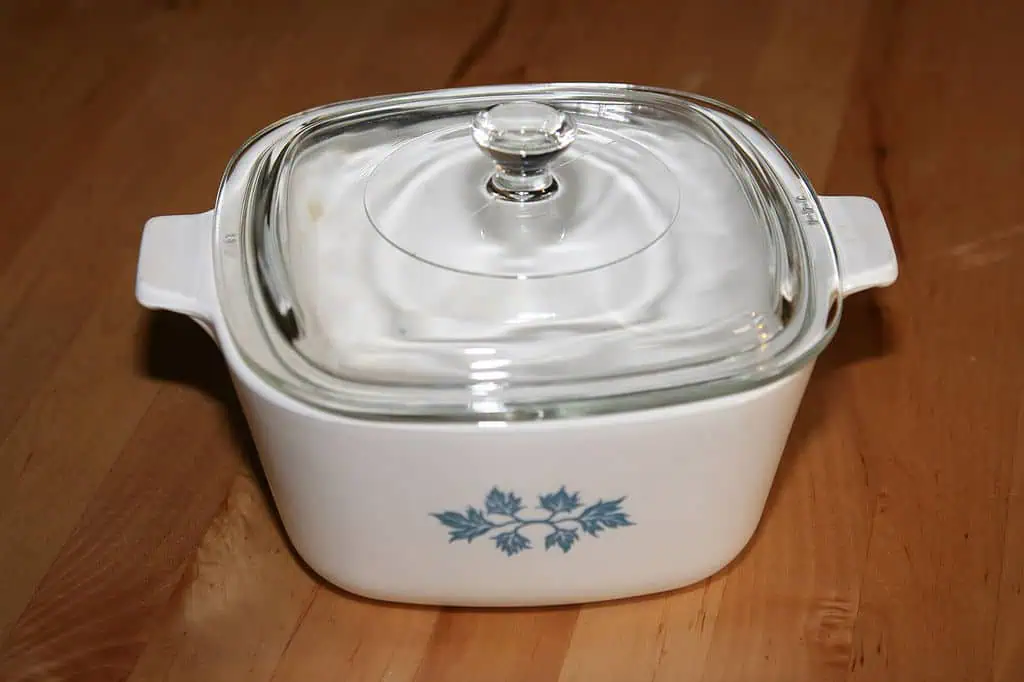
It doesn’t matter whether the host insists there’s plenty of food because American guests always bring something to share, such as a cherished family recipe or a simple side dish they’ve picked up on the way. We see contributing to the meal as something thoughtful that adds variety to the table—it also lightens the host’s load. Doing so makes everyone feel more connected through shared food and that’s what good family gatherings are made of!
Like our content? Be sure to follow us on MSN.
The Kids Have Their Own Table
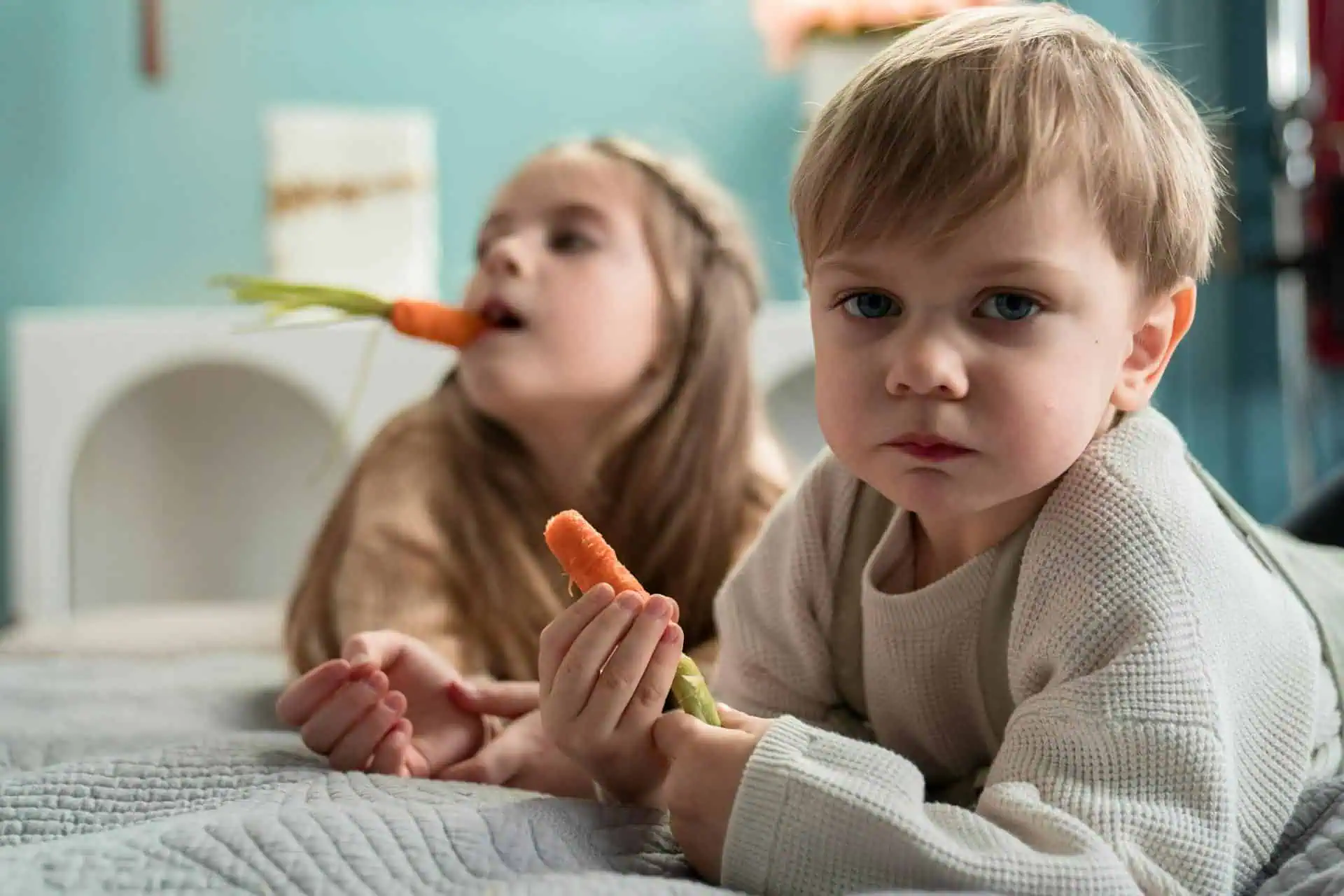
The children often sit together at a separate table during family gatherings & such a setup lets the adults enjoy their conversation while the kids have their own space to be themselves. The kids’ table might be in another room or just a smaller table nearby—either way, it’s a tradition that goes back generations. It gives the younger ones a chance to create their own memories which is how it should be.
Complimenting the Host’s Cooking

Guests make a point to praise the host’s efforts, no matter how the meal turns out, by saying things like “The turkey is delicious” or “These mashed potatoes are amazing.” It shows a lot of appreciation for all the hard work that went into preparing the meal—even if a dish isn’t perfect. We know it’s polite to focus on the positives to improve the host’s spirits and make things better for everyone.
Watching the Game Together

There’s always a big sports event on & we’ll likely play it during the gathering so that means family members might crowd around the TV to cheer on their favorite team together. It’s a shared experience that becomes a great way to bond that’s filled with cheers, high-fives—and a bit of friendly rivalry. Even family members who aren’t huge sports fans might join in for the excitement that it brings to the gathering!
Leftovers Are Open for the Taking
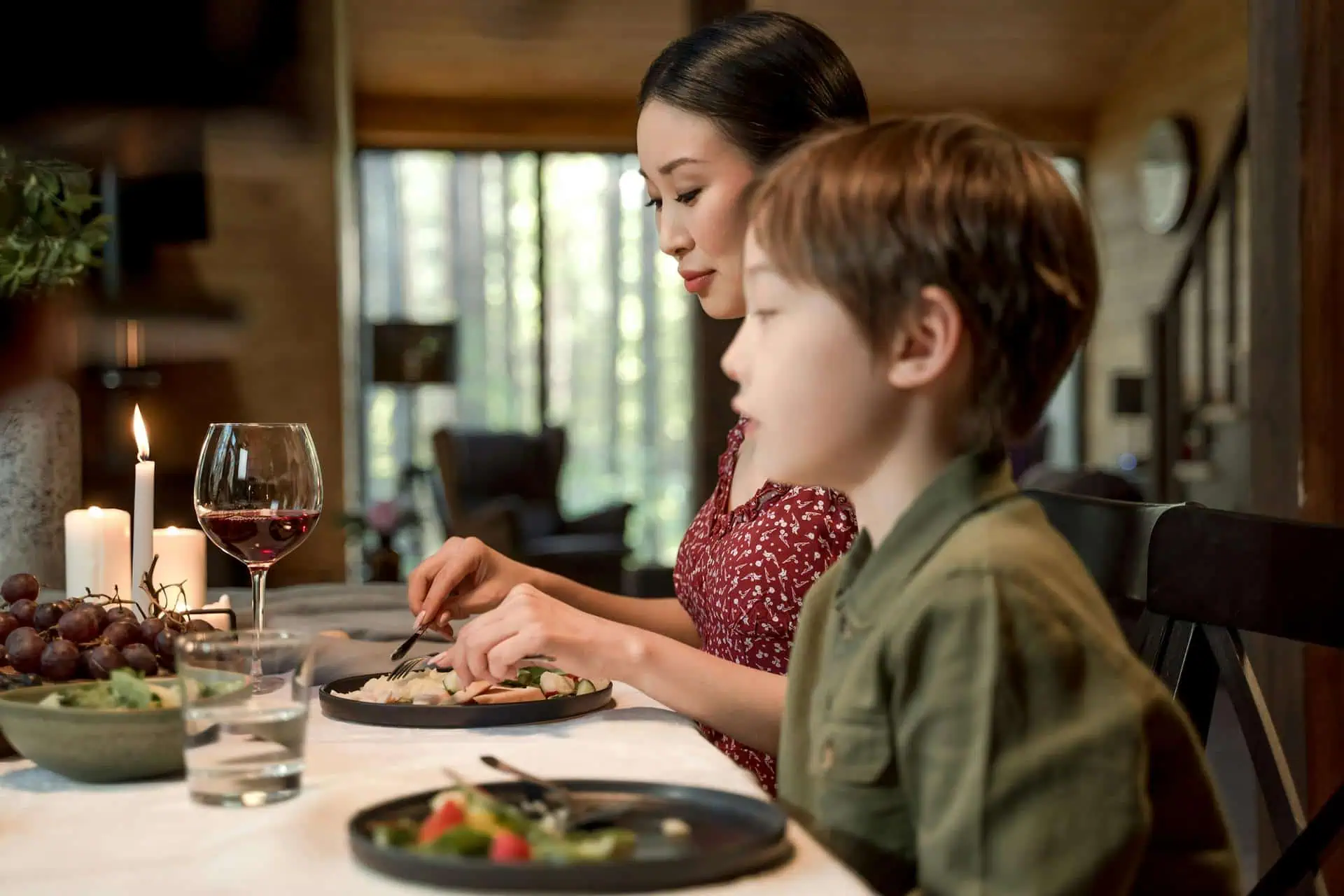
Most of us will pack up leftovers after we’ve eaten and the host might set out containers or bags for people to fill because we understand that taking food home is acceptable—even appreciated. It prevents delicious dishes from going to waste & lets everyone enjoy the feast again the next day while also reducing the amount of cleanup needed. Better yet, saving leftovers also helps the host by clearing out the fridge so it’s a great idea.
Helping Out Without Being Asked
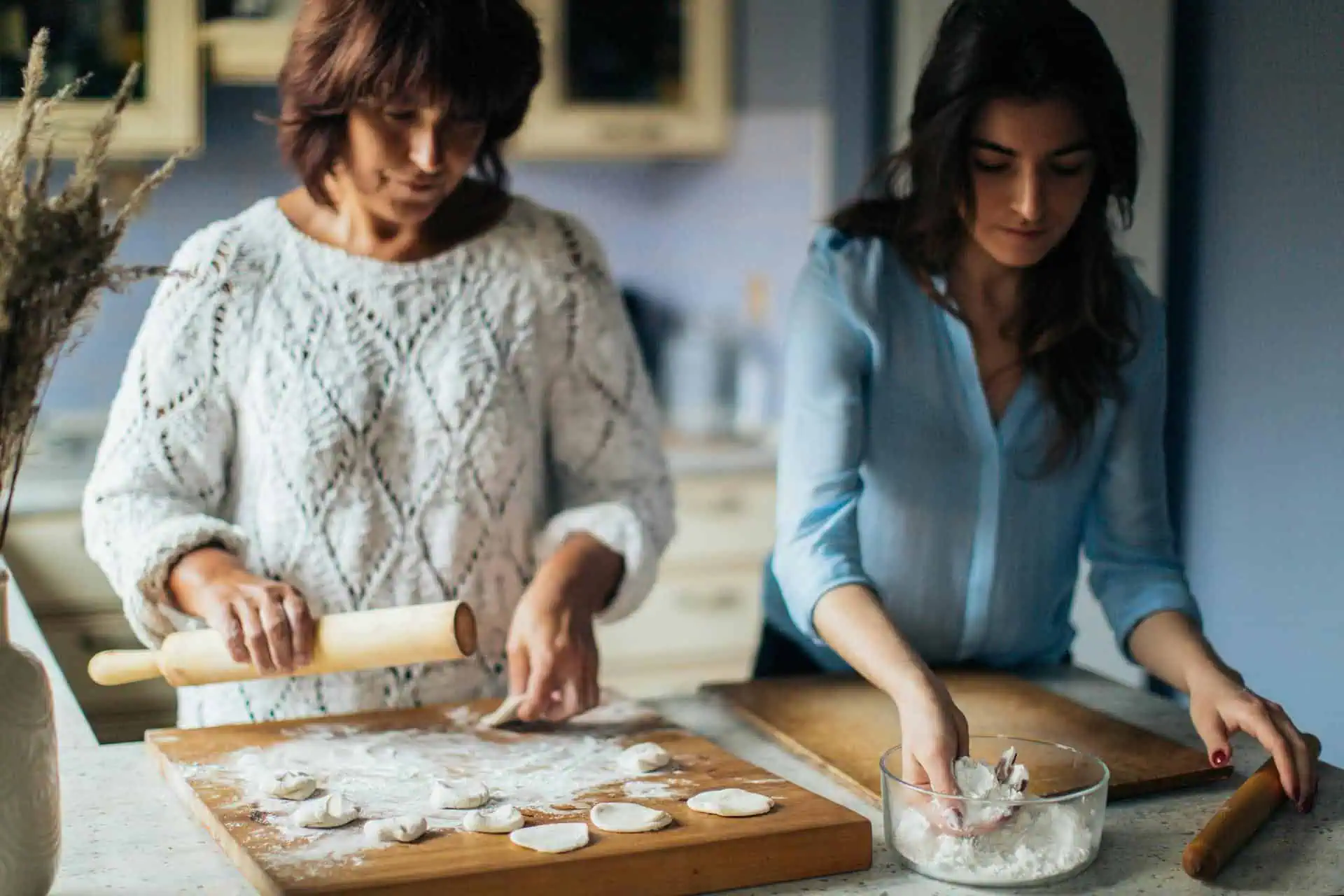
We’ll offer to lend a hand with setting the table & serving food, even when the host insists everything is under control, because we consider pitching in as good manners. Jumping in to help without needing an invitation shows that we appreciate all the effort that goes into hosting. It also makes the workload lighter so that everyone spends more quality time together instead of cleaning up.
Claiming Your Usual Spot

People tend to sit in the same places they’ve occupied for years at each gathering—maybe Uncle Joe always takes the chair by the fireplace or Cousin Sarah prefers the seat near the window. These unofficial assigned seats aren’t things we write down but everyone seems to know where to go and it’s quite a familiar arrangement. Doing so makes each event feel like coming home because everyone knows where they need to be!
Lingering Goodbyes at the Door

Goodbyes often stretch out longer than expected when it’s time to leave and guests might spend an extra fifteen minutes chatting at the door—even out by the cars. We’ll share hugs and send our well-wishes as we talk about the next time everyone will get together and our extended farewells are a way of savoring the day a bit longer. We’ll cherish every second we have as everyone goes their separate ways.
Leaving Without Saying Goodbye to Everyone

Similarly, sneaking out of a family gathering without proper farewells is a huge mistake and it doesn’t really matter if the group is large because you have to make the rounds & say goodbye to each person. It’s a sign of respect that lets others know you enjoyed their company—skipping goodbyes is the height of rudeness. As such, most people take the time to exchange parting words before heading out because we hate an Irish goodbye.
The Grill Belongs to One Person Only

There’s usually one family member who takes charge of the grill during family barbecues and cookouts—while others might offer help, the grill master politely declines. We understand that this person has their own methods & recipes so interrupting or trying to take over the grill is rather rude. Instead, everyone lets them do their thing while enjoying the delicious results.
Disclaimer: This list is solely the author’s opinion based on research and publicly available information.
Like our content? Be sure to follow us on MSN.