

TV commercials make products look flawless & irresistible in a way that captures our attention in just a few seconds. Advertisers use all sorts of techniques to improve the appearance of what’s on screen, which include swapping out real ingredients with inedible stand-ins. Here are fourteen tricks companies use in TV commercials that most people aren’t aware of. These businesses go to great lengths to create the perfect shot!
Featured Image Credit: focuspocusltd /Depositphotos.com.
Glue as Milk in Cereal Ads
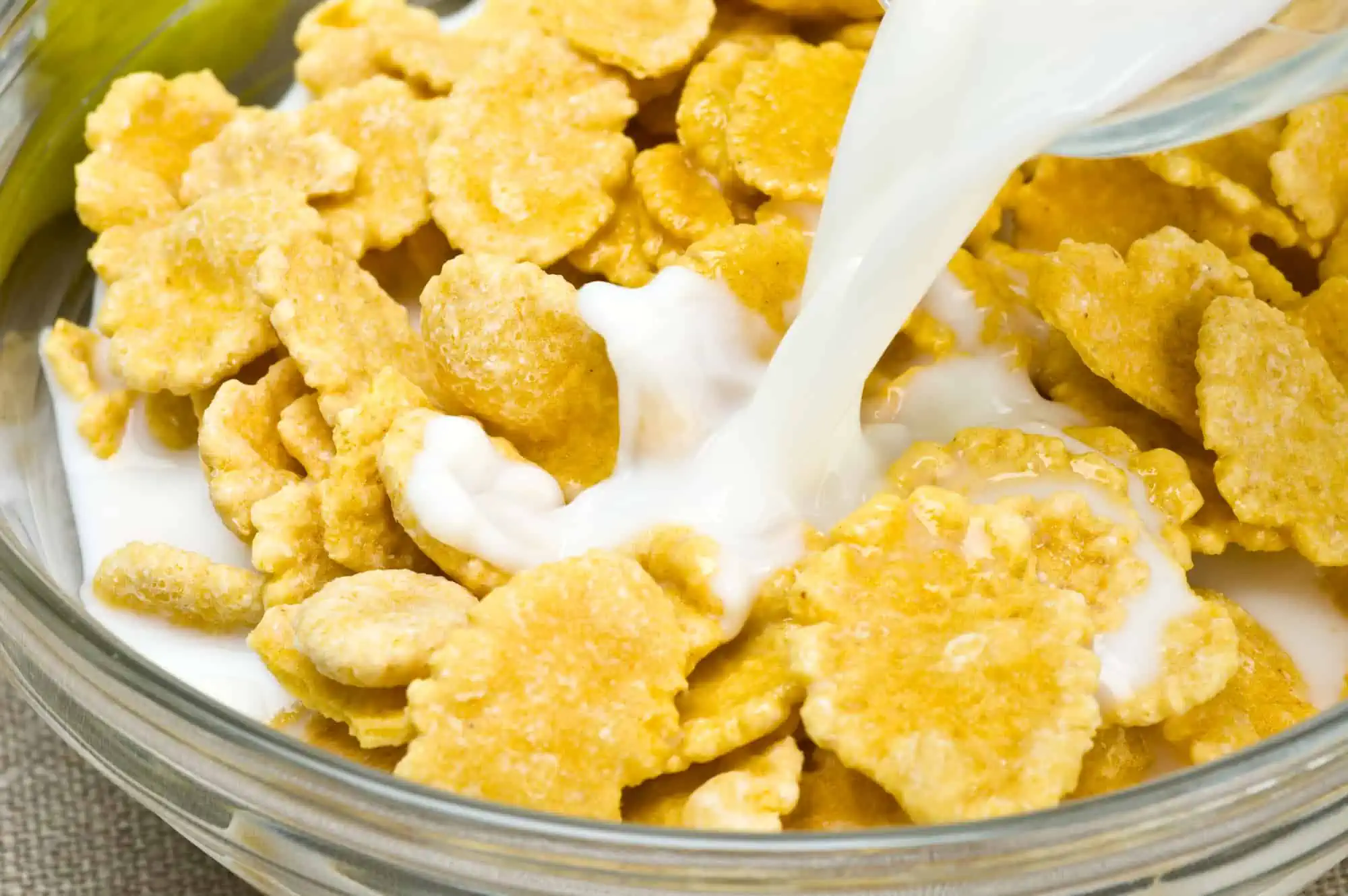
The creamy milk in cereal commercials isn’t milk at all but white glue—real milk makes cereal soggy quickly and doesn’t hold up under studio lights. Glue has the perfect consistency and stays opaque, which keeps the cereal crunchy and looking good. It allows advertisers to capture that perfect bowl of cereal with pieces of cereal that don’t get soggy or sink to the bottom.
Shaving Cream for Whipped Cream
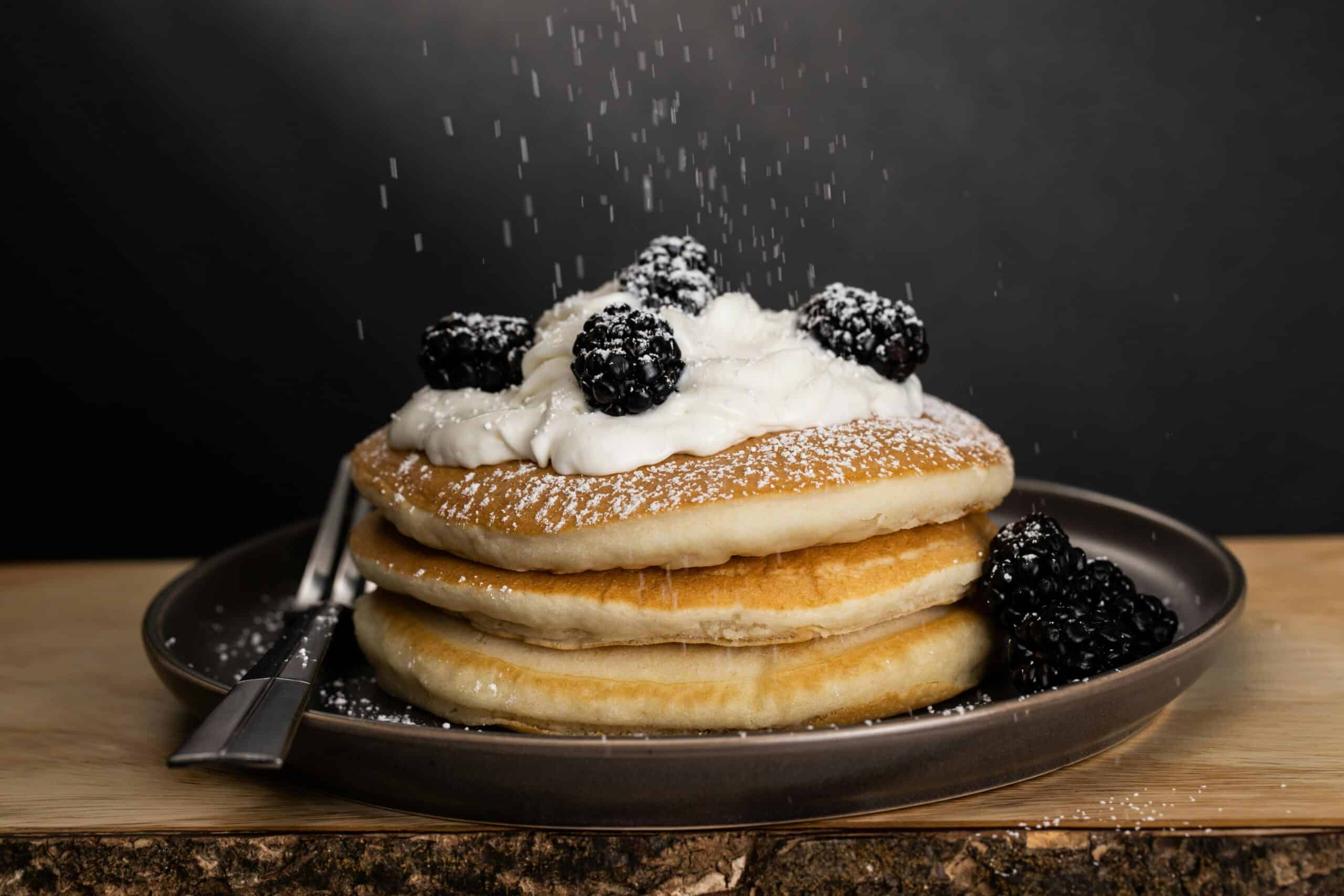
Any desserts topped with fluffy whipped cream are usually covered in shaving cream instead because real whipped cream melts and loses its shape under bright lights & over time. Shaving cream holds its form much longer and you’re able to easily style it to look like the perfect dollop. Doing so helps maintain the dessert’s appetizing appearance throughout the (often lengthy) shooting process.
Motor Oil as Substitute Syrup
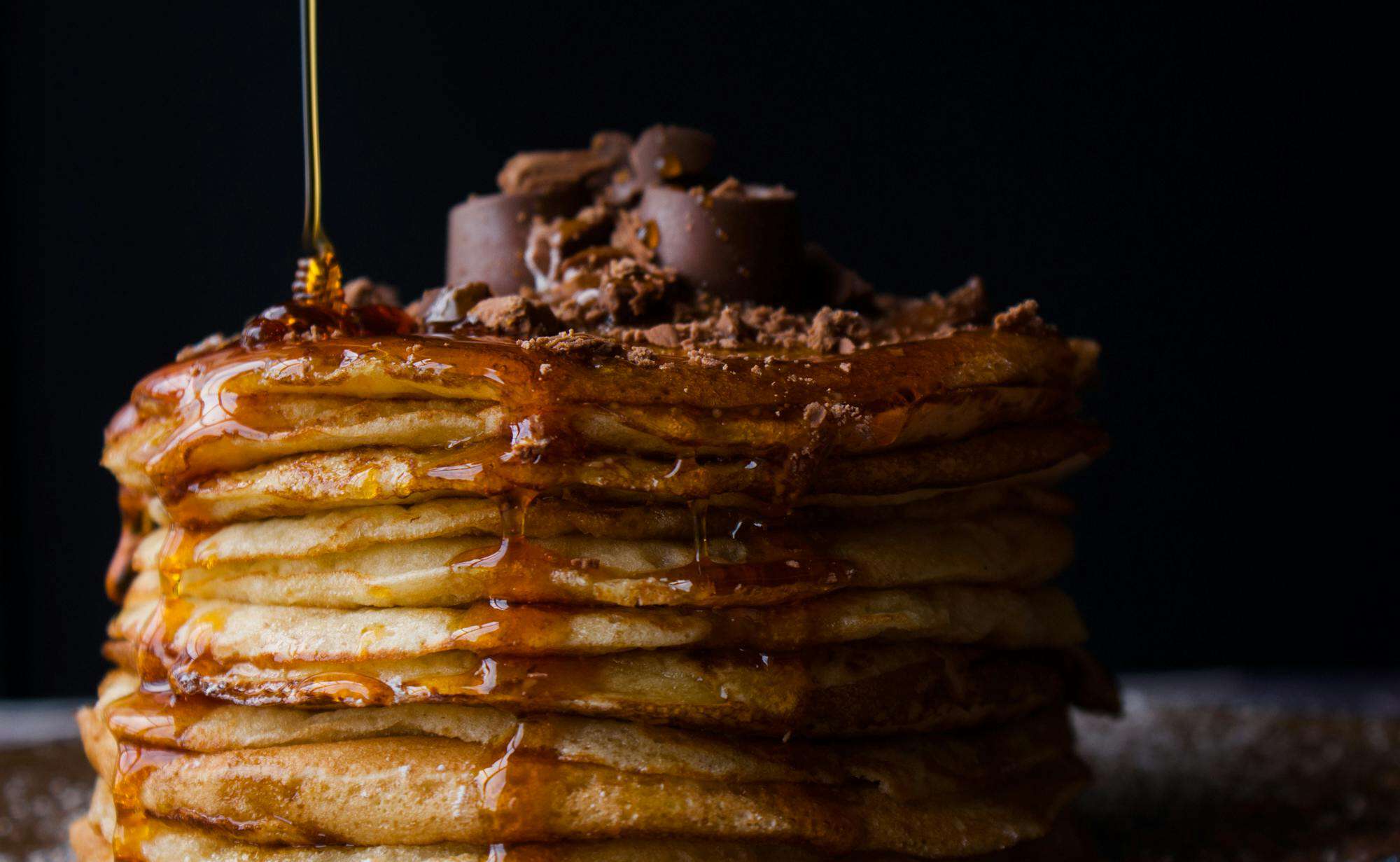
You’ve probably also seen commercials where someone pours syrup over pancakes—advertisers often use motor oil instead of real syrup since the pancakes absorb the real thing quite quickly. This makes them look quite soggy, yet motor oil has a similar look but doesn’t soak in. It sits on top to create that perfect drizzle while keeping the pancakes looking fluffy without collapsing.
Mashed Potatoes as Ice Cream

That delicious-looking ice cream in commercials is probably just mashed potatoes in disguise, since ice cream melts quickly under hot studio conditions. Instead, you’re able to easily scoop mashed potatoes and color them to look like ice cream—they don’t change shape so much. As such, companies don’t need to worry about the product losing its form or appeal.
Cardboard Spacers in Stacked Burgers
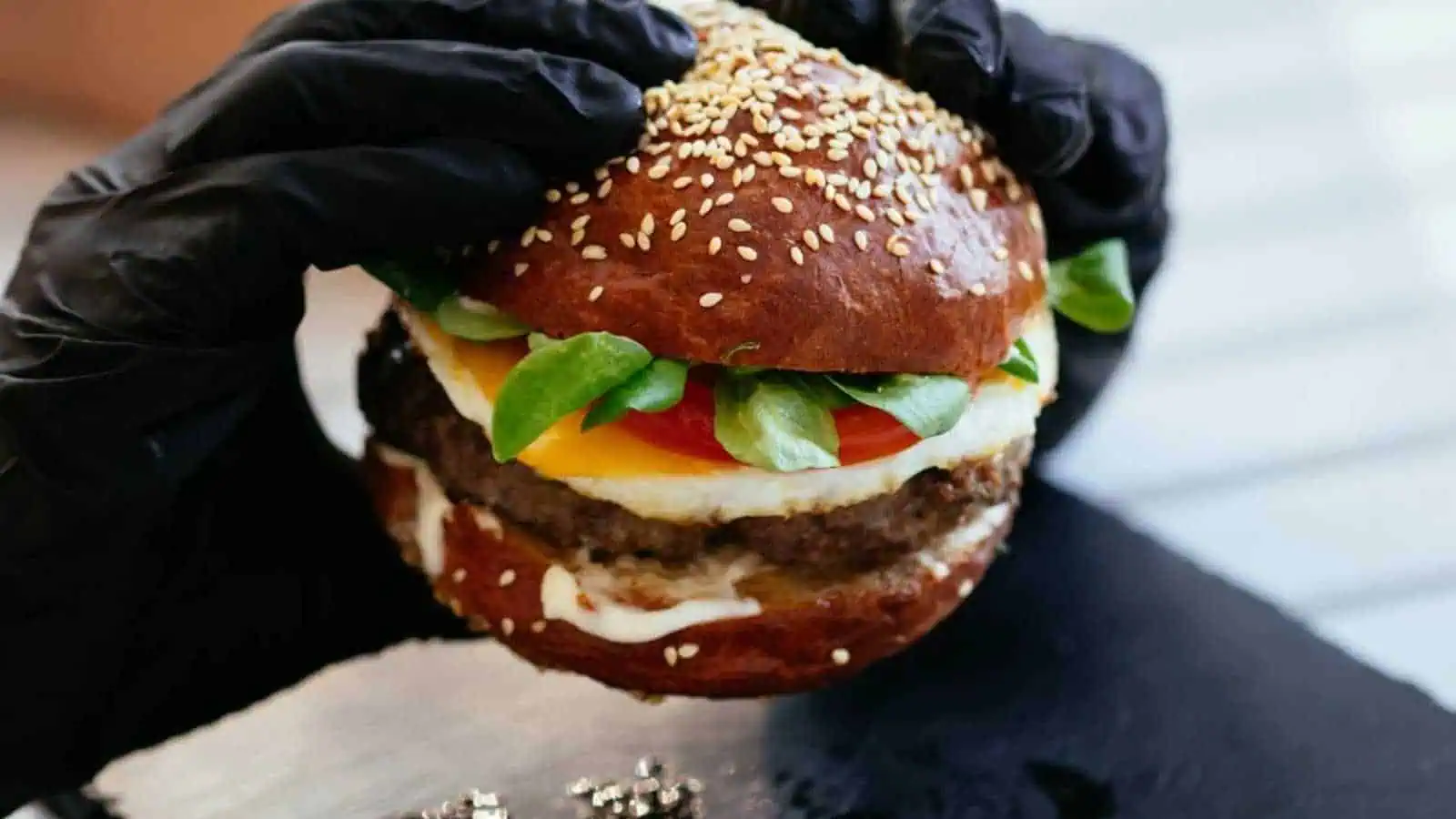
To make burgers look taller and more appetizing, they’ll put pieces of cardboard or foam between the layers because these spacers create gaps between the bun, patty & toppings. It gives the burger a fuller, more substantial appearance that helps the viewers see each ingredient properly. They’ll also carefully arrange each piece of food so it stays in place during the shoot.
Hairspray for Shiny Fruits and Vegetables

Those glossy apples & shiny vegetables in commercials are usually sprayed with hairspray to give them a fresh, dewy appearance—it catches the light beautifully! The hairspray also helps preserve the items during long shoots since it stops them from wilting. In doing so, they’ll stay looking crisp and appealing for the camera for much longer.
Steam from Heated Cotton Balls

Photographers use microwaved cotton balls soaked in water to make hot foods appear steaming on camera. They’ll then hide these behind the dish to release steam that looks like the food was freshly-cooked. You can’t always rely on the food itself to produce steam—especially when you have to shoot commercials for such a long time.
Sponges and Cotton for Added Volume
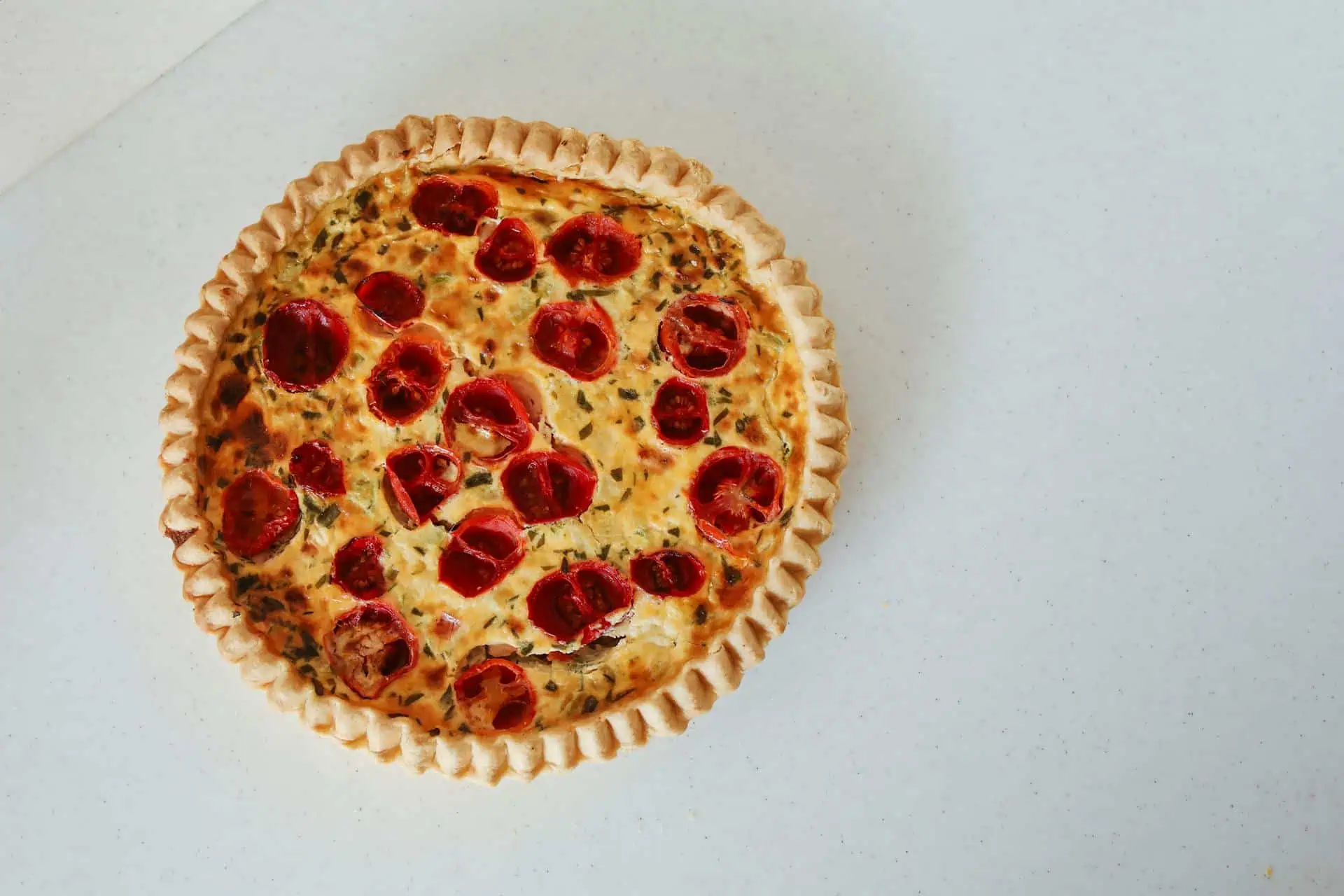
But that’s not all for cotton balls, as advertisers also insert them into pies & burgers to make them appear fuller—a pie might have a sponge beneath the crust to lift it. It gives the food the appearance of a generous filling without using extra ingredients, which makes it far more appealing. However, a “cotton ball pie” doesn’t exactly sound like the most appetizing meal to us!
Undercooked Meat for Juiciness

Steaks and burgers in commercials are often undercooked or even raw inside because cooking meat fully may cause it to shrink & lose moisture. Nobody wants to eat a burger that looks less plump or juicy! Instead, advertisers will sear the outside just enough to appear cooked while leaving the inside underdone so they get a thicker and more succulent-looking piece of meat.
Shoe Polish for Grill Marks
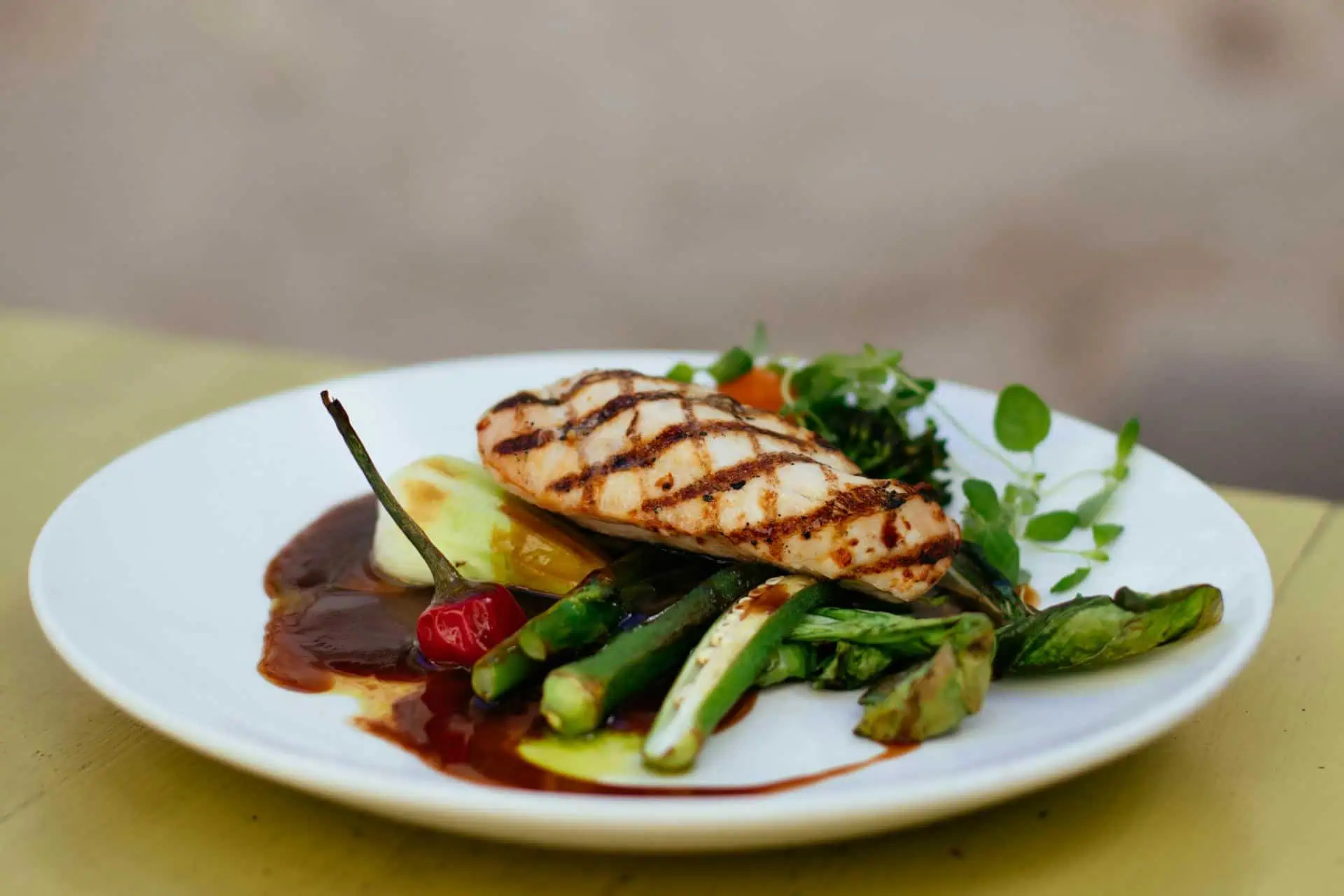
Speaking of meat, they’ll sometimes apply, add or darken grill marks on meat using shoe polish or eyeliner—but the meat might only be partially cooked. Then, they apply the marks to make it look perfectly grilled and to make sure they have consistent grill lines. These stand out and make the food look far more appetizing on camera so customers are more likely to buy it.
Dish Soap for Fizzy Drinks

Any soda or beer bubbles in commercials are usually fake too because the advertisers just add a few drops of dish soap to the drink. The soap produces consistent bubbles that last longer than natural carbonation, making the drink look freshly poured & extra fizzy. This makes it far more appealing without relying on the actual fizz, which usually disappears quickly under studio lights.
Fake Ice Cubes That Don’t Melt

Ice cubes in drink commercials are usually made of acrylic or plastic since real ice melts way too quickly under hot studio lights—it also dilutes the drink & changes its appearance. Fake ice is much better since it stays solid & crystal clear so the drink always looks cold. As such, those refreshing drinks that you see in the commercials are anything but!
Toothpicks and Pins for Perfect Placement
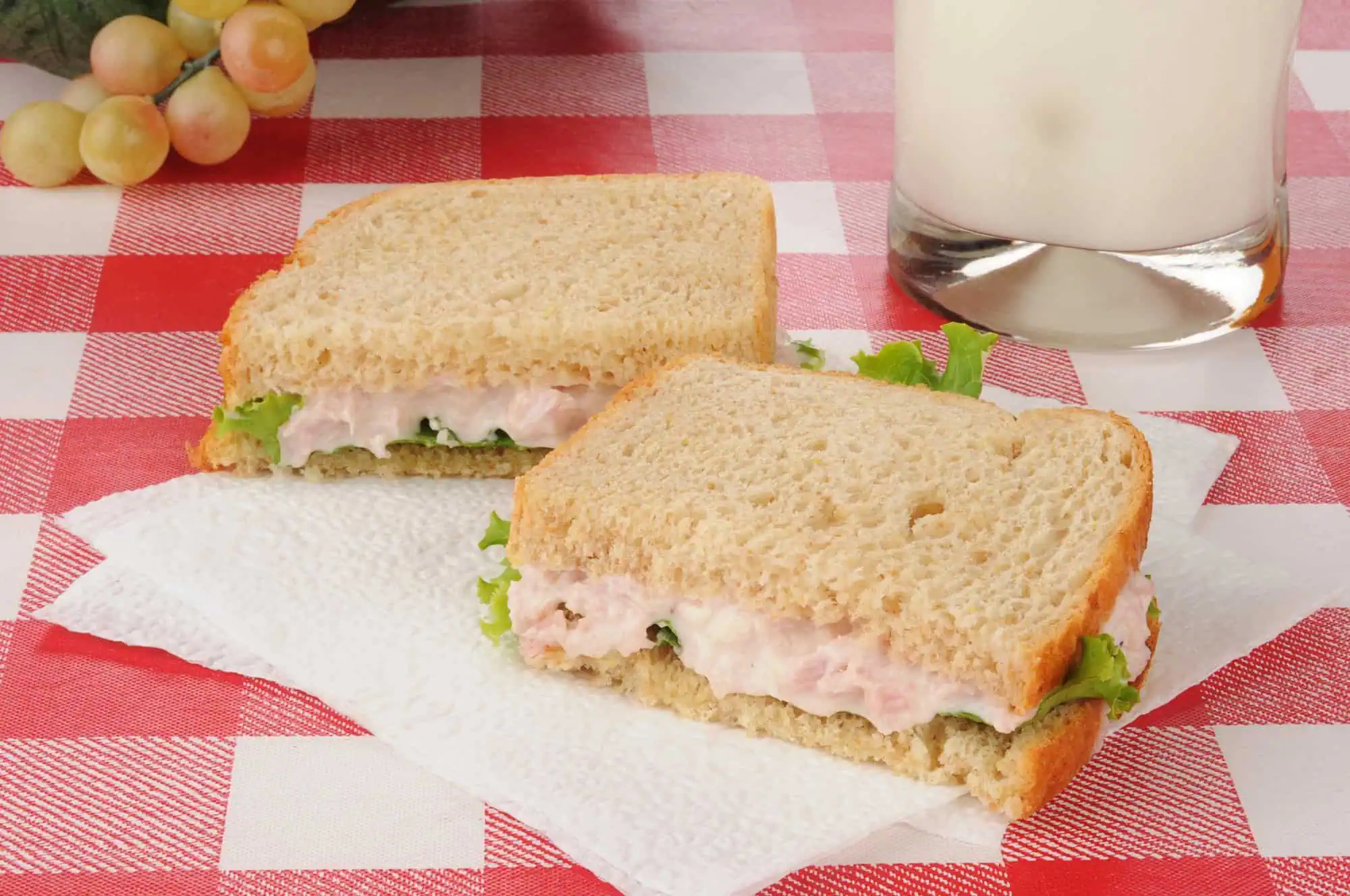
Advertisers carefully arrange food items using toothpicks & pins to hold food in place—they’ll even do it with glue! For example, they’ll pin sandwiches together to prevent ingredients from slipping and make sure every layer is visible for the audience. It creates a neat & picture-perfect look for the food that wouldn’t hold up naturally.
Glycerin for Fresh-Looking Seafood
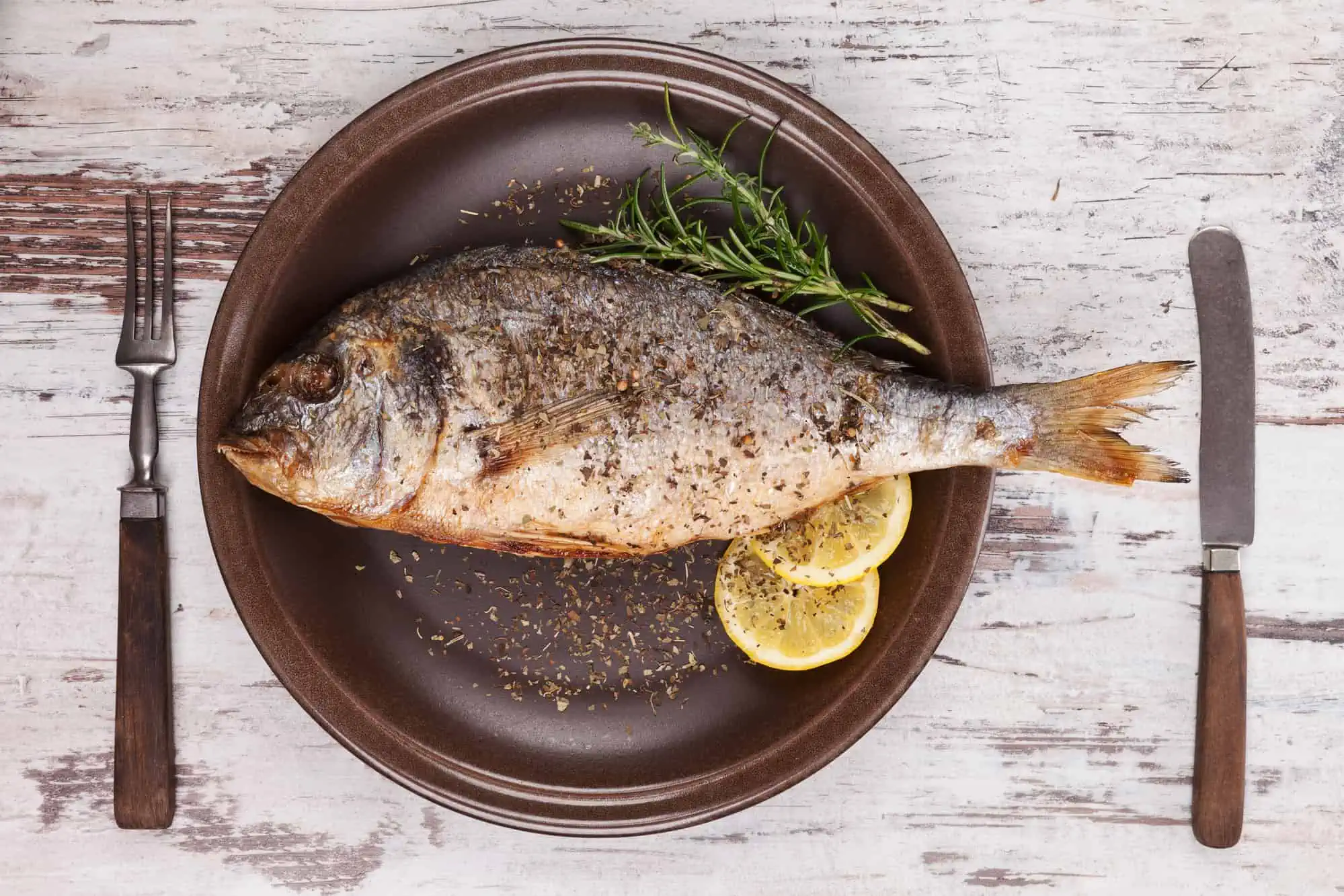
Seafood dries out quickly under studio lights and looks nowhere near as appealing, which is why advertisers apply a mixture of glycerin & water. This mixture keeps the food looking moist and freshly caught—that’s exactly what customers expect from seafood. And advertisers are able to do it without actually changing the food too much!
Disclaimer: This list is solely the author’s opinion based on research and publicly available information.
Like our content? Be sure to follow us on MSN.


