

Retirement completely changes how money flows in, and here are seven things that boomers should always sell when they finish working, no matter how begrudgingly.
When the old setup keeps running

A lot of boomers don’t realize that staying in the same house after retirement is costing them dearly, despite the fact that the space stops matching their daily lives. But the data shows that they should move out.
According to AARP, people over 60 who sold and moved to a cheaper house freed up around $100,000 in equity on average.
That worked out to be around 44% of their new home’s value. On top of that, the IRS allows a lot of homeowners to exclude up to $250,000 in gains by themselves, and up to $500,000 for couples who meet the ownership and use rules. It really doesn’t make sense to hold onto your old house.
What sits in the driveway

Extra cars are one of those things that tend to sit around for far longer than most people expect, and that’s an issue because they never stop costing money. After all, you likely don’t need multiple vehicles once you stop commuting.
Getting rid of one of those cars could reduce both your insurance and maintenance costs by quite a bit, so why not do it?
Data from the Bureau of Labor Statistics has found that vehicles may take up about 17% of household spending, representing the second-largest expense for Americans. There’s no point in continuing to pay for that when you don’t have to.
The one parked more than used

That’s not all for vehicles. An RV often sits around for longer than people expect once their routine changes, and some motor homes can cost up to $500,000, and that’s before you get into the upkeep.
It really doesn’t matter that you’re not still driving the RV because there are still other things to pay for.
For example, you have engine servicing to worry about, while towable RVs require winterizing and wheel-bearing maintenance. All of those fees are ongoing. As a result, you may want to list your RV because it spends most of the year parked, yet the costs continue to show up regardless.
The vacation purchase that stays on the bill

Sure, holding onto a timeshare might feel useful for a while, yet it won’t be long before it turns into an annual cost that never truly goes away. Just look at the data from the AARP. They found that a retired family had to help their mother exit a timeshare that charged $1,200 a year in fees, and that kind of ongoing charge is sadly all too normal for a timeshare.
It’s a good idea to sell when you quit using the timeshare or the fees keep rising. However, you should be mindful that you might run into scams when exiting, meaning it’s often a better idea to sell directly instead.
The thing that looked like loyalty

Retirement is the perfect time for you to let go of that huge chunk of company stock, even though you might feel like it’s worth hanging onto. Concentration in a single stock increases your risk.
It doesn’t matter that the company might’ve performed well historically or may have been one tied to your career because it’s really not worth the danger.
In fact, the IRS has also warned that when you have more than 20% of your savings tied to a single company or industry, diversification may not be enough. You might be better off selling your holdings once your income stability changes after retirement.
The policy that outlived the reason for it

For a lot of people, the original reason behind having life insurance disappears once they retire, whether that’s a mortgage or dependent children. That sort of coverage isn’t as necessary anymore during retirement.
Worse still, premiums tend to rise with age, and that’s one of the reasons it’s a good idea to sell your life insurance policy when you retire.
You also have something called a life settlement to worry about. That’s where a policyholder sells the policy to a third party for less than the death benefit, leaving the buyer to take over payments. It’s something that appears a lot more during retirement than people tend to expect.
The thing behind the house
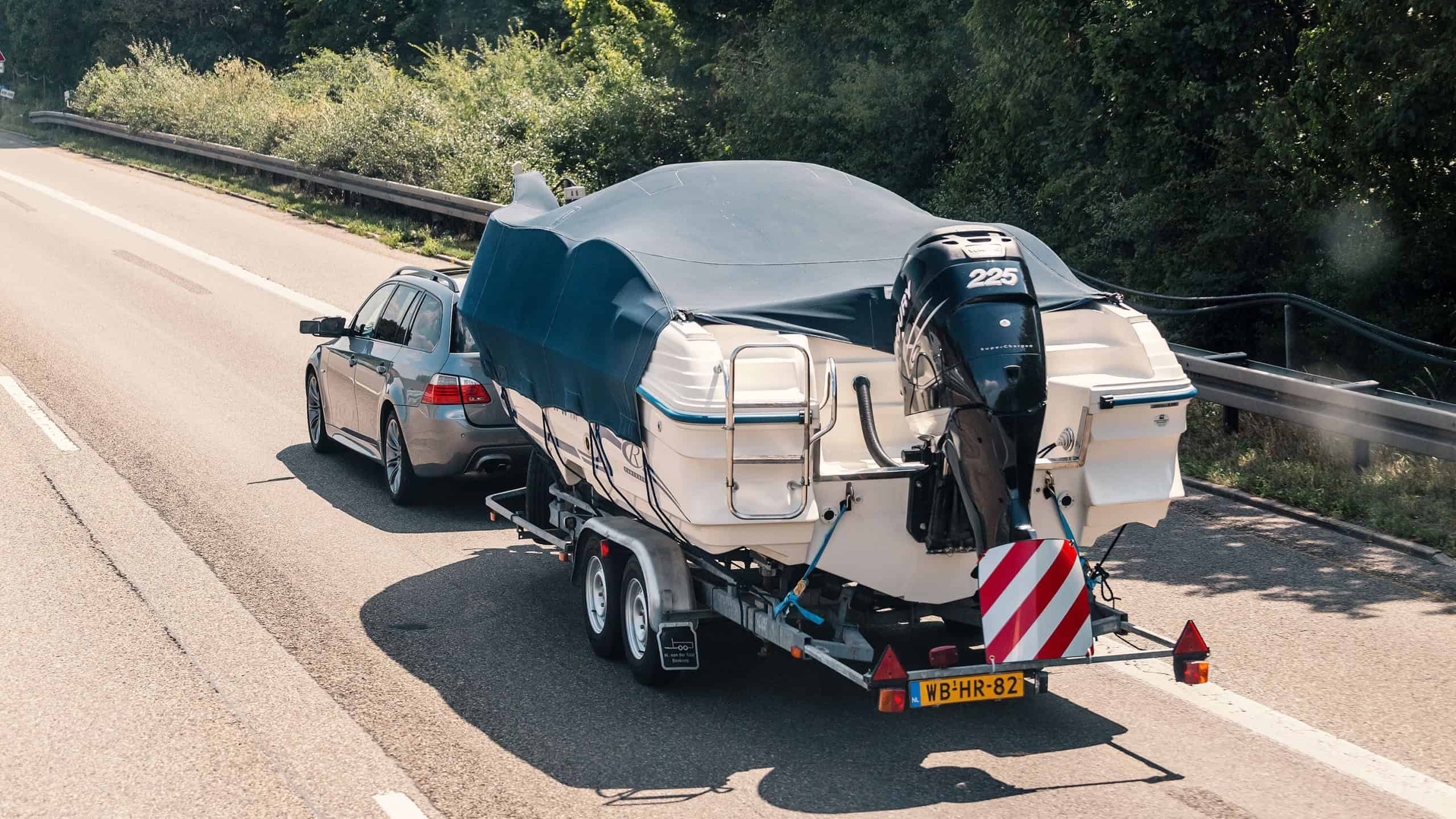
A boat is one of those expenses that never really pauses, despite the fact that you may not be using it all the time. Docking it won’t cause the costs to disappear. The truth is that you might end up paying an average of $130 for on-water freshwater towing for a boat for members of a boating club, or $215 for saltwater.
That rises to $1,060 for those who aren’t members. But that’s not all, as there are also storage, insurance, and regular upkeep fees to factor in, so it’s no wonder that it makes a lot more sense to sell. Why hold onto something that rarely leaves the water?
Sources: Please see here for a complete listing of all sources that were consulted in the preparation of this article.


