Science is supposed to push us forward—but sometimes it does the exact opposite. Maybe it was because people clung to old ideas or ignored new ones. Either way, these scientific moments have kept us from making progress as fast as we could have. Here are twelve times when science stopped progress. Of course, science is important but it’s not a belief system nor is it flawless!
Featured Image Credit: Krakenimages.com /Depositphotos.com.
The Phlogiston Theory Putting the Brakes on Chemistry

Back in the 17th and 18th centuries, people believed that when something burned, it released a mysterious substance called phlogiston into the air. They explained burning & rusting as processes of losing phlogiston. Scientists were so attached to this false theory that it slowed down the real understanding of combustion! It wasn’t until the late 1700s that Antoine Lavoisier showed that oxygen helped things to burn which fully debunked phlogiston.
Lysenkoism Putting Soviet Genetics on Ice

In the early 20th century, Trofim Lysenko dismissed the idea of genetics by pushing his own ideas about inheritance. This was known as Lysenkoism. He claimed that plants could pass on traits they acquired during their lifetimes, like an increased cold tolerance. In fact, Lysenkoism became the official line in the Soviet Union and they suppressed real genetic research. Soviet agriculture suffered as a result, creating crop failures & food shortages.
Geologists Snubbing Wegener’s Drifting Continents

Alfred Wegener once suggested that continents used to be connected & had drifted apart over time. However, many geologists scoffed at his idea. Wegener couldn’t explain how the continents moved which meant that the idea of continental drift was generally ignored. It wasn’t until the 1950s that scientists finally agreed on it.
Like our content? Be sure to follow us on MSN.
Sticking to the Miasma Theory Instead of Germs

For a long time, people believed diseases like cholera were caused by “bad air,” or miasmas. They thought foul smells from sewage or rotting matter made people sick. In fact, many scientists were so stubborn that they refused to believe John Snow’s 1854 discovery that cholera spread through contaminated water. It took until the late 1800s for germ theory to be accepted.
Sticking with Bloodletting Far Too Long

Similarly, doctors believed an imbalance of bodily fluids (also known as “humors”) made people sick. To fix this, they drained patients’ blood to restore balance—which actually made things worse! It later emerged that bloodletting didn’t help yet many physicians kept doing it. Such refusal meant that scientists held back the development of better treatment.
The Piltdown Man Hoax Throwing Anthropology Off-Course

In 1912, Charles Dawson claimed he’d found the “missing link” between apes & humans—a fossil called the Piltdown Man in England. Many scientists immediately accepted it as real evidence of human evolution. But the fossil was a fake! It was made from a human skull & an orangutan’s jawbone and the deception misled researchers for over 40 years.
Skepticism About Meteorites Holding Back Science
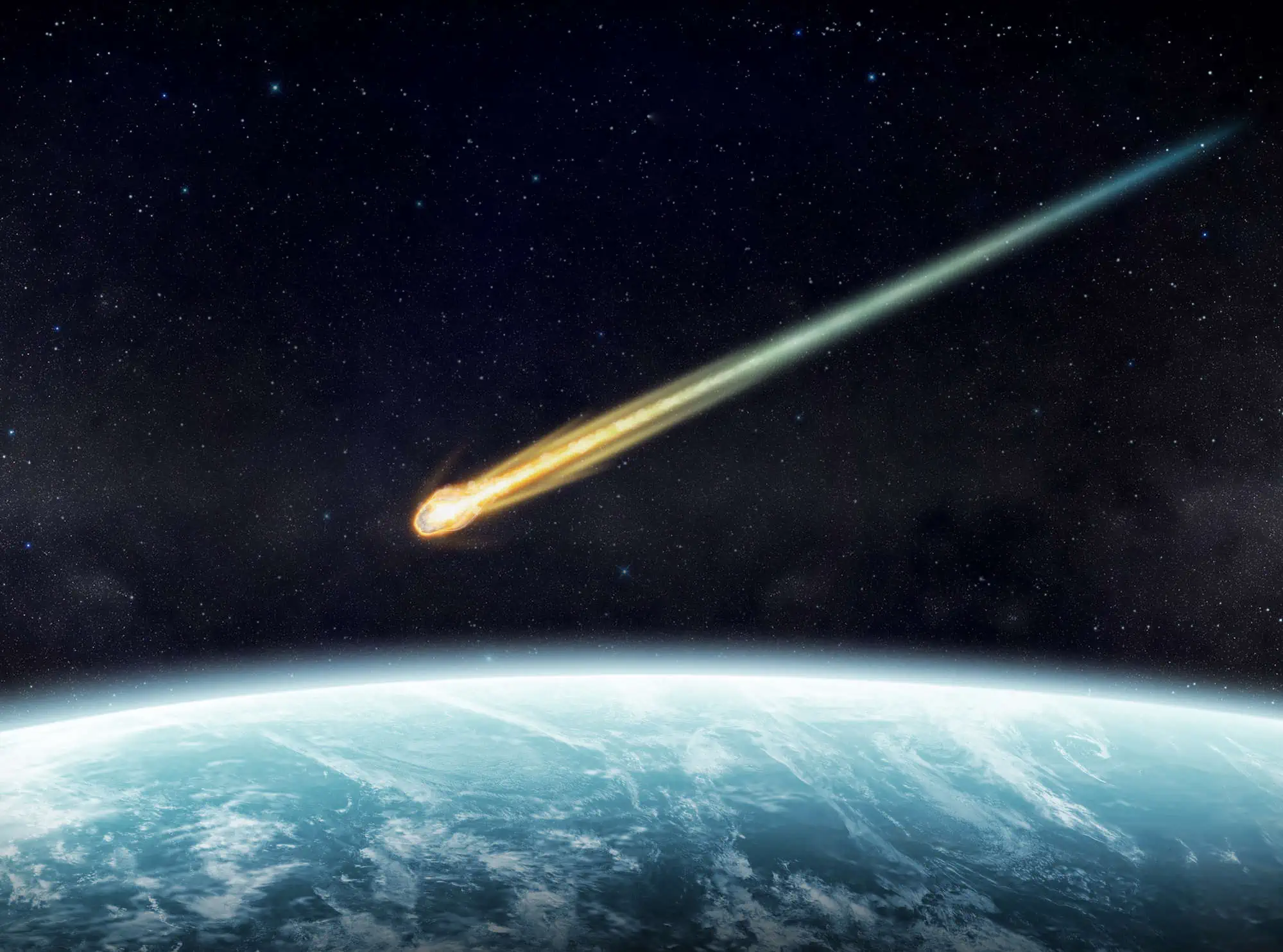
In the 1700s, people reported seeing stones fall from the sky yet scientists didn’t believe them—they thought the stones were from Earth, if they believed that they existed at all. However, in 1803, a massive meteorite shower dropped thousands of stones near L’Aigle, France, forcing scientists to accept the evidence. They had ignored years of research in astronomy & geology.
Early Doctors Resisting Anesthesia

Anesthesia was first introduced in the 1840s and gave doctors a way to perform surgery without pain. You’d think surgeons would be thrilled—but some weren’t. They believed pain was important for healing! Because of this resistance, patients kept suffering through brutal surgeries for years and it slowed down the adoption of better surgical methods.
Clinging to the Steady State Theory in Cosmology

Before the Big Bang Theory became mainstream, many scientists believed in the Steady State Theory, which said the universe had no beginning or end. It claimed the universe had always looked the same. Evidence later came out suggesting the universe was expanding—but supporters of the Steady State Theory held firm so it took far longer for the Big Bang Theory to be accepted.
Doctors Ignoring Semmelweis and Handwashing

In the 1840s, Dr. Ignaz Semmelweis noticed that women giving birth in hospitals were dying from childbed fever at alarming rates–but not when doctors washed their hands with chlorinated lime before delivering babies. Many doctors, however, were offended by Semmelweis’s suggestion they were unclean. They dismissed his findings and stopped simple handwashing from being widely adopted for many years.
Ignoring H. pylori as the Culprit Behind Ulcers

For years, doctors thought stress & spicy food caused stomach ulcers. But in the early 1980s, Dr. Barry Marshall and Dr. Robin Warren discovered that a bacterium called Helicobacter pylori was actually to blame. Yet lots of people in the medical community were skeptical of their findings and such stubbornness delayed effective treatment for countless patients.
Belief in Spontaneous Generation Holding Back Microbiology

Scientists used to think that life could appear from non-living matter, which was a theory called spontaneous generation. They thought maggots just appeared on rotting meat or that mice could emerge from piles of grain. However, belief in this idea prevented people from understanding how organisms develop & it also prevented major advances in microbiology.
Disclaimer: This list is solely the author’s opinion based on research and publicly available information.
Like our content? Be sure to follow us on MSN.