

If America is known for two things, they’re democracy & freedom—but there are chapters in our past when our country has drifted from those ideals. The country has seen real problems that include internal injustices & international actions that went against our values. Here are ten moments when America wasn’t actually the greatest country on Earth. Every country, even ones we think are the best, has face serious challenges.
Featured Image Credit: Krakenimages.com/Depositphotos.com.
Japanese American Internment Camps

During World War II, more than 120,000 Japanese Americans were forced into internment camps by the government—they lost their homes & businesses without any solid proof of wrongdoing. Life in these camps was hard, with cramped living quarters, poor sanitation, and limited access to basic supplies, which terrified many families. Even though they were American citizens, they were treated as outsiders because of their race.
Response to Hurricane Katrina

In 2005, Hurricane Katrina caused massive destruction across New Orleans & other Gulf Coast areas because the storm flooded neighborhoods and displaced hundreds of thousands of people. Unfortunately, the federal government’s response wasn’t great—many residents went days without proper access to clean water or medical help, while some shelters were overwhelmed. The crisis escalated & local communities were left to fend for themselves.
The My Lai Massacre
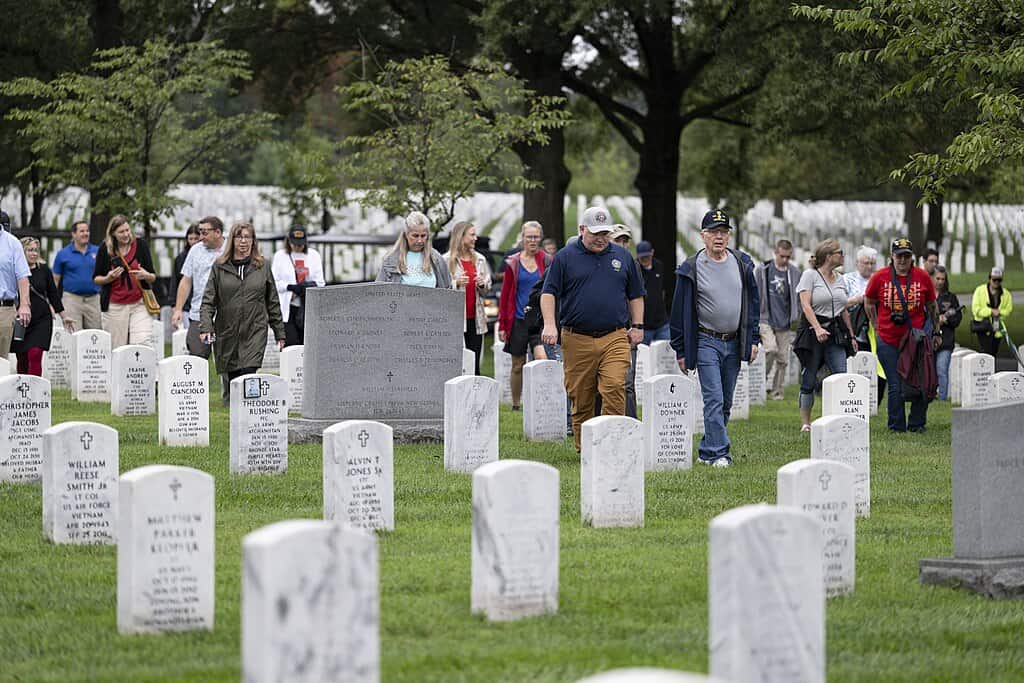
During the Vietnam War, U.S. troops entered My Lai and took the lives of hundreds of unarmed Vietnamese civilians, including women & children. Military officials kept details under wraps for many years until the facts were finally revealed and the public backlash began. The incident showed just how brutal war could be, as well as the extreme violence happening to ordinary citizens.
Abu Ghraib Prison Abuse
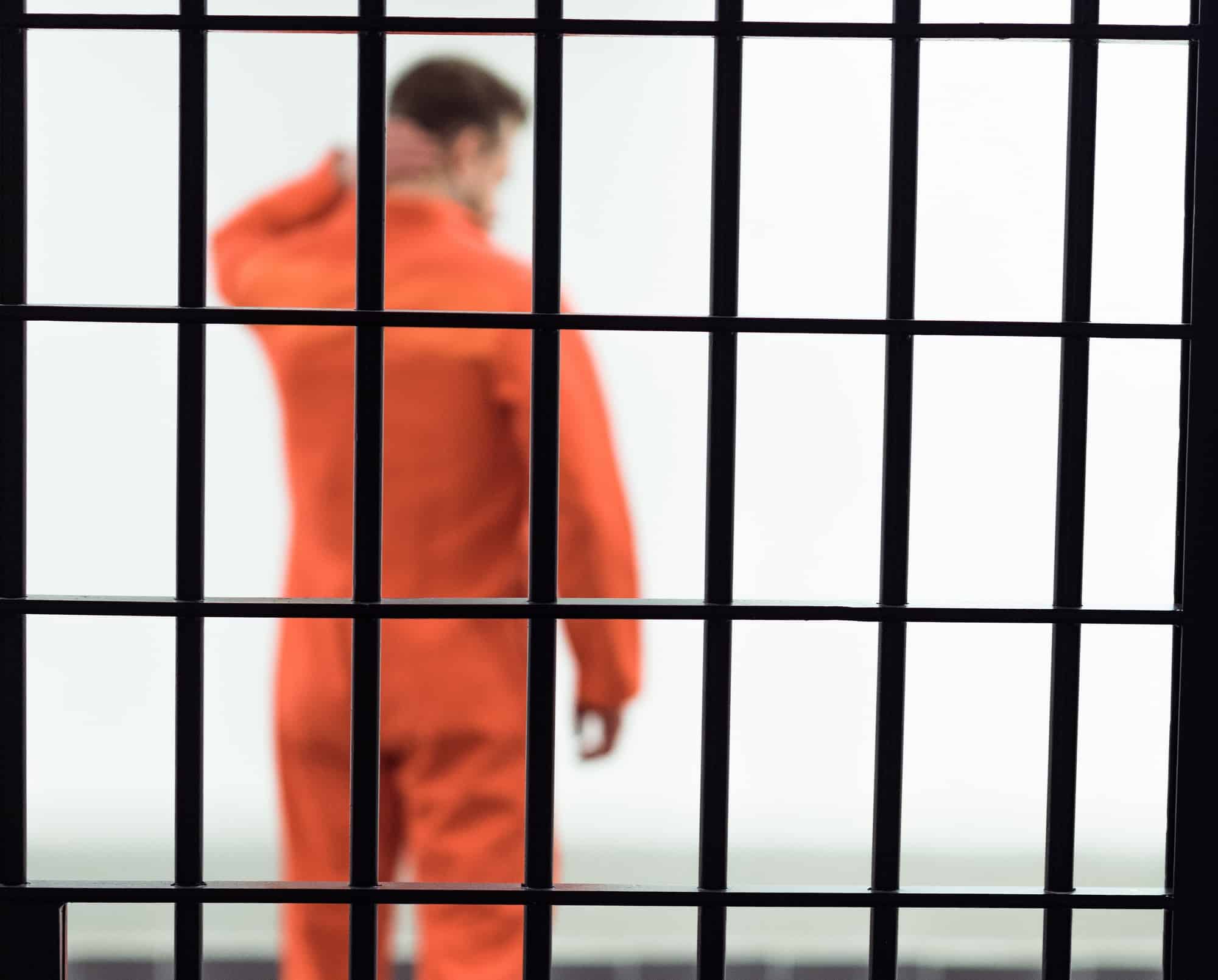
In 2004, information emerged about U.S. military personnel mistreating detainees at Abu Ghraib prison in Iraq—with photographs backing the claims up. These showed acts of torture & humiliation that forced officials to answer questions about the conduct of U.S. forces. Critics claimed that these abuses contradicted America’s stated commitment to human rights and this led to some service members being disciplined. Just how far would America go in the name of ‘protecting’ its citizens?
Alien and Sedition Acts of 1798
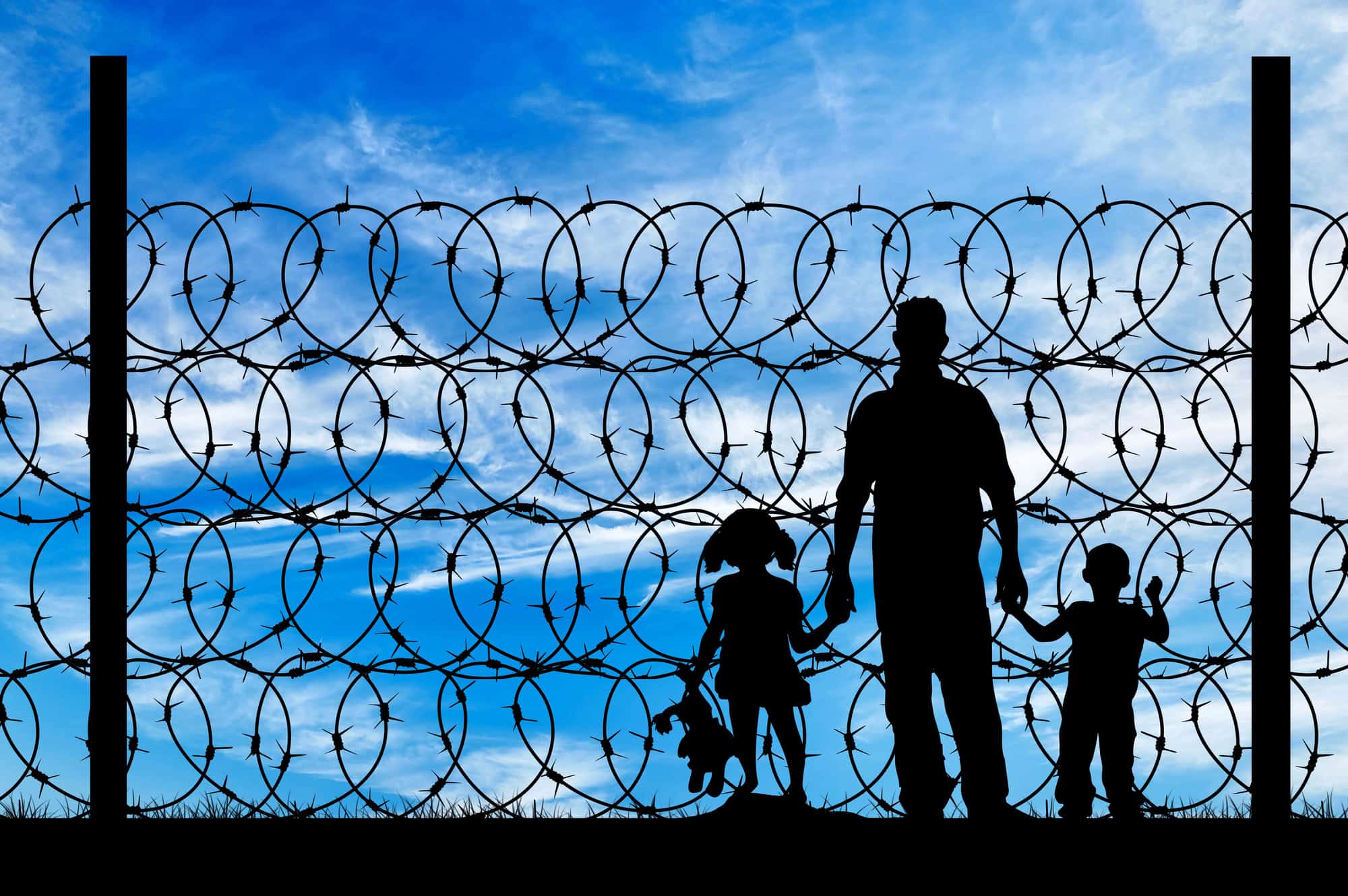
The Alien and Sedition Acts of 1798 granted federal authorities new powers over immigration & public discourse. They could expel any foreigners deemed as “threatening” while fresh arrivals were blocked from voting until they met stricter residency rules. It also became illegal to publish statements that were seen as critical of the federal government, which naturally caused a lot of concern over free speech.
The Era of Jim Crow Laws
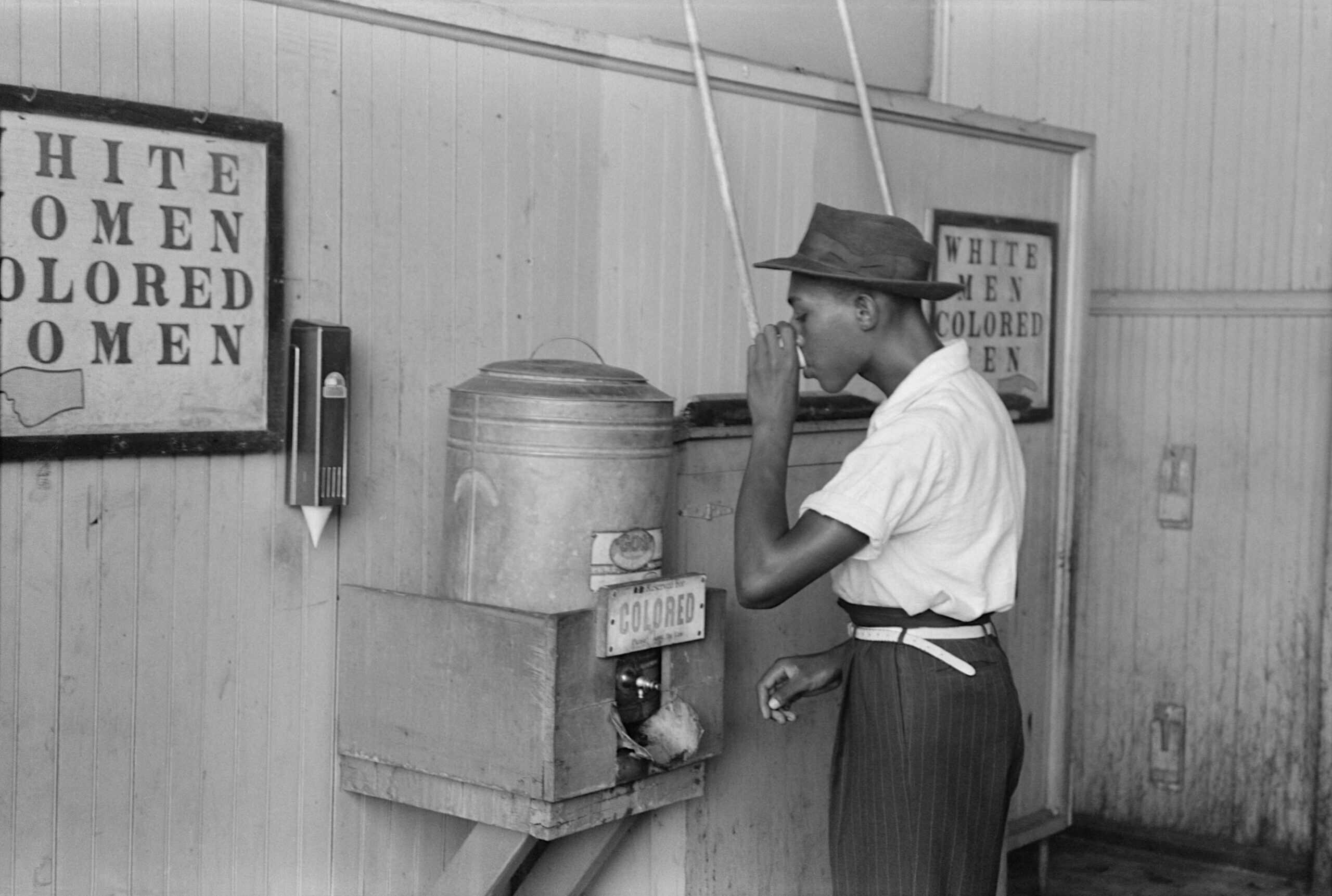
Jim Crow laws legalized segregation across southern states and they barred African Americans from voting while also forcing them to use separate facilities from white people. In theory, they were “separate but equal”— in reality, they were usually underfunded & substandard. America is meant to be a country of opportunity for all – yet the Jim Crow laws proved there were limits to that.
The Institution of Slavery
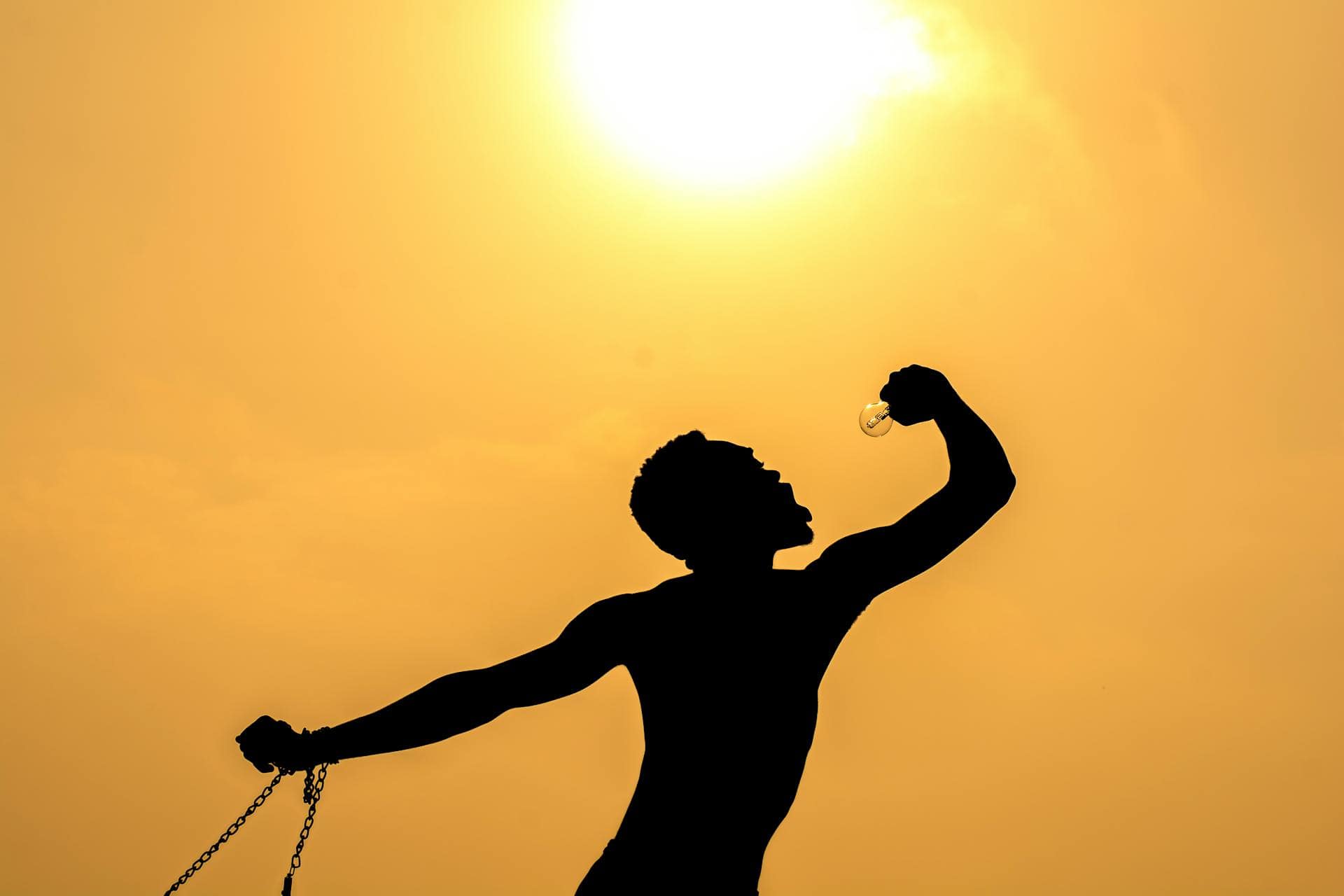
Likewise, slavery denied African-Americans basic freedoms & forced them to suffer awful labor conditions as their families were torn apart. This system relied on violence and control—slaves had no legal protection and no way to escape abuse. As such, it was hardly a “great” time for America.
The Red Scare and McCarthyism
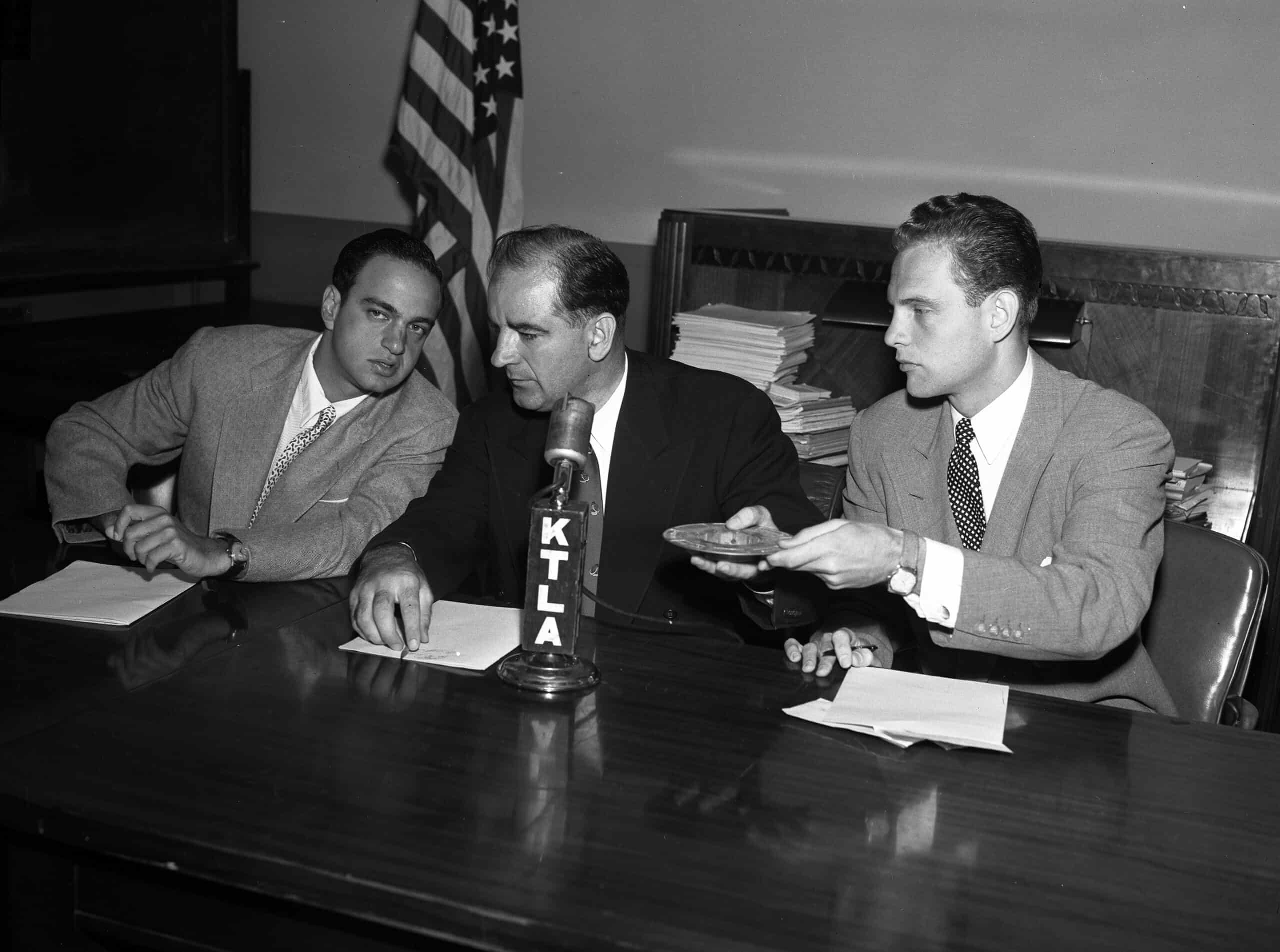
The United States experienced the Red Scare during the 1950s, which involved Senator Joseph McCarthy launching a campaign that targeted public figures and anyone who seemed to be “different.” He accused them of communist ties without solid proof—including those who were gay or feminists. Many people lost their jobs after being blacklisted & some faced permanent damage to their reputations and lost their civil liberties.
The War on Drugs and Mass Incarceration

The War on Drugs involved tough drug laws & mandatory minimum sentences for those who were caught with them. However, these rules resulted in a huge increase in the prison population and hit minority neighborhoods the hardest—people arrested for non-violent drug offenses often received long sentences. Such measures left families struggling with the loss of income and community support, with many people still feeling the effects of such measures to this very day.
The Chinese Exclusion Act of 1882

In 1882, Congress passed the Chinese Exclusion Act that banned Chinese workers from entering the United States & blocked those already living here from becoming citizens. It was the first time U.S. law specifically targeted a single nationality and it made life much harder for the Chinese community. The law stayed in effect for more than 60 years, essentially making xenophobia an official policy.
Disclaimer: This list is solely the author’s opinion based on research and publicly available information.
Like our content? Be sure to follow us on MSN.


