Most of the time, cooking feels like a full-time job when all you want is dinner that doesn’t take forever—but real chefs know a secret or two about how to make it easier. They have hacks that keep things moving without making a mess or dirtying every dish in the house. Here are thirteen time-saving cooking tips from real chefs that go beyond the usual “prep on Sundays” advice. You’ll never look at your kitchen in the same way again.
Featured Image Credit: Wavebreakmedia /Depositphotos.com.
Store Herbs Like Flowers to Make Prep Faster
We’ve all had those times when we’ve pulled out cilantro for taco night and it’s already half-slimy—chefs hate that too and instead, they treat herbs like little plants. They’ll snip the ends, pop them in a glass of water, then toss a plastic bag loosely over the top & stash it in the fridge. This trick works best with soft herbs like parsley, basil, dill, and mint, as long as you change the water every couple of days. Some chefs even keep them on the counter if it’s cooler in the kitchen because it keeps the herbs crisp and bright.
Use Deli Containers For Everything

Restaurant cooks don’t mess with twenty kinds of mismatched Tupperware and they stick with those round deli containers because they’re the same size & the same lid. They’ll put everything from chopped onions to salad dressing in them, as these containers nest perfectly and don’t leak. Many chefs also use them to portion out ingredients for each recipe ahead of time so that all they have to do is grab & go when it’s time to cook.
Freeze Aromatics in Oil

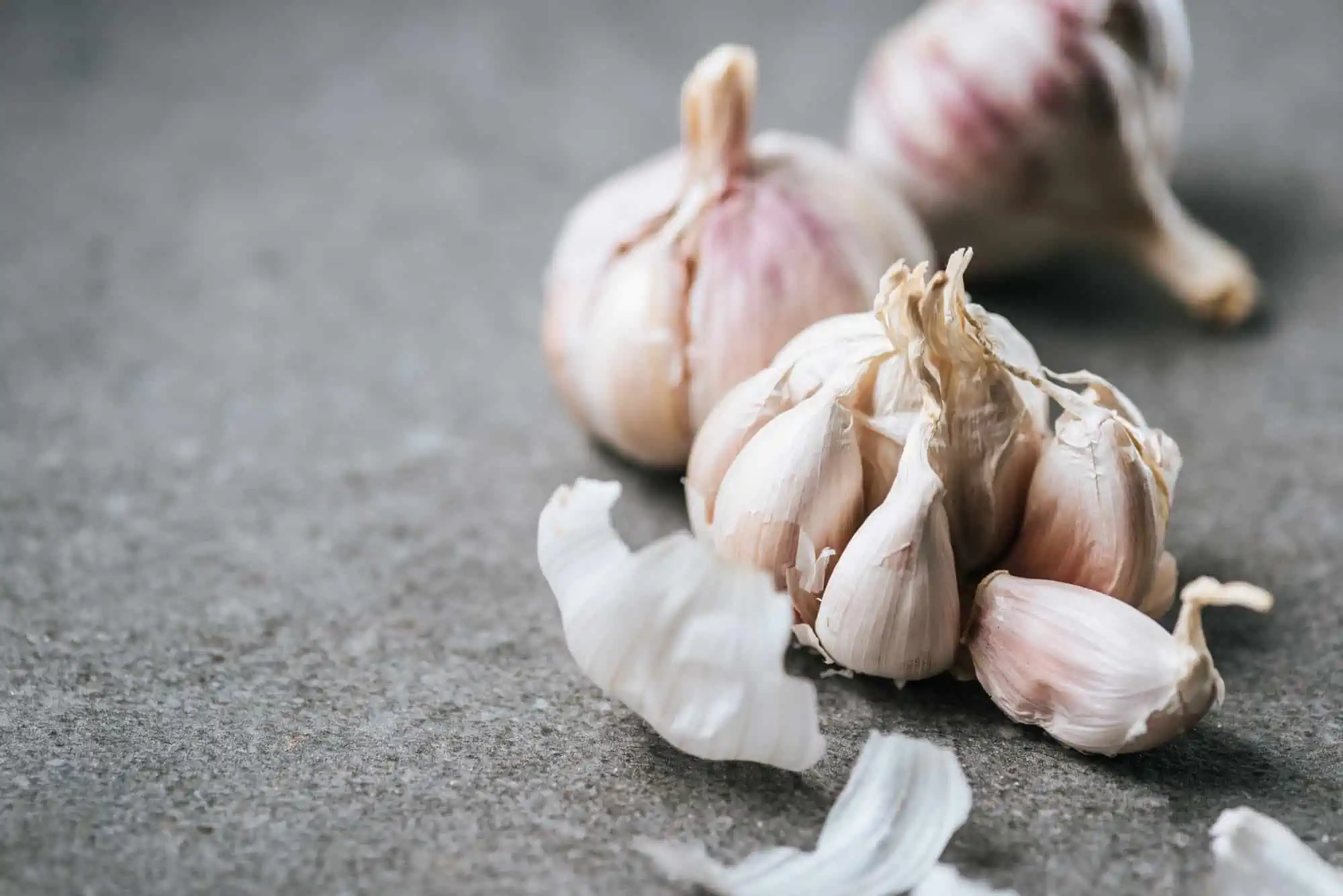
Blend up garlic (or shallots or ginger), mix them with a bit of oil, and then freeze the mix in an ice cube tray—the next time you start cooking, throw in a cube. This way, you won’t have to deal with mincing with sticky fingers when you’re already halfway hangry. The oil helps keep the flavor strong and prevents freezer burn. You could even label them if you’re doing different mixes, like ginger oil cubes for stir-fries and garlic cubes for pasta night.
Keep a Trash Bowl on the Counter

Lots of chefs keep a big bowl or container nearby that’s just for the peels, stems, packaging—when you’re done, dump it all at once. While it may be just a tiny change, it’s a huge relief because you’ll move faster when you’re not turning around every 30 seconds. If you compost, the separation makes it easier to sort what goes where, just rinse the bowl when you’re done and it’s ready to go again.
Use a Bench Scraper
There’s no reason to still use your hands to scoop chopped stuff off the board, as professional chefs use a bench scraper to put their ingredients straight into the pan. Bench scrapers are cheap and easy to find—metal ones are the sturdiest, so go for those. You could also use them to clean off the board between ingredients, as it stops the flavors from mixing and if you’re prepping a lot at once, this little tool makes everything easier.
Store Knobs of Butter in the Freezer

Butter’s great until you’re slicing off a tablespoon with a slippery knife, so instead, chefs portion it out in advance and put it straight into the freezer. That way, when they’re cooking, they can just grab what they need and throw it in, without wrestling with foil-covered sticks at dinner time. Some chefs keep salted and unsalted ones in separate containers, just so there’s no mix-up when baking.
Label Squeeze Bottles For Daily Sauces
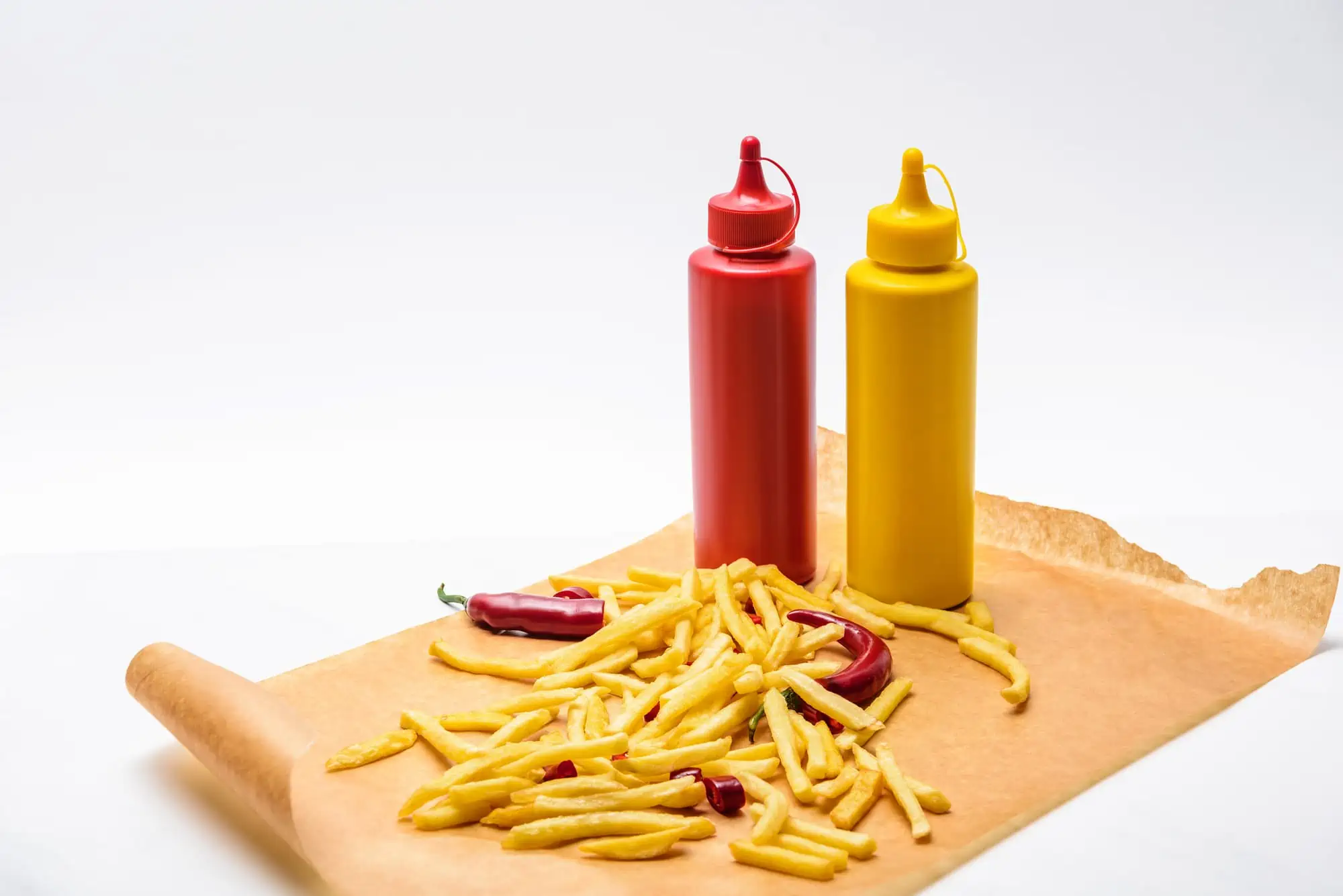
Vinaigrette, garlic oil, that spicy mayo you love—the best chefs keep this stuff in squeeze bottles that are clearly labeled & ready to go. Why dig for a spoon or guess what’s in that random jar when you could just grab it and go? You could stack them in a container in the fridge or leave the ones you use daily out on the counter. They’re dishwasher-safe, so cleanup’s easy and will save you time every single day.
Blanch and Shock Green Veggies Ahead of Time

Restaurant veggies always have that snap and it’s thanks to this trick. Boil them for a minute, drop them in ice water, then store them so that when it’s time to plate, the vegetables just need a quick warm-up, not a full cook. Once cooled, pat them dry and keep them in a container lined with paper towels—it’s a great trick for green beans and asparagus. You could even blanch extra to use in salads or pasta later in the week and they’ll taste fresh every time.
Rinse Rice Like Pasta

Washing rice shouldn’t take all day, so skip the bowl routine and do it the fast way—dump the rice in a mesh strainer & rinse under the tap until the water runs clear. You’ll knock out the starch and get fluffier rice, as long as you use cold water and give it a good shake to make sure it’s evenly rinsed. It works for most types of rice—jasmine, basmati, long grain—just don’t overdo it with short-grain or sticky rice.
Keep a Damp Towel Under Your Cutting Board

It gets annoying when your cutting board keeps slipping around and that’s why chefs throw a wet towel under the board, as it keeps them steady. It takes just two seconds and makes slicing way less annoying, regardless of whether you have wood or plastic. It makes a big difference when you’re chopping fast or cutting something slippery and you’ll feel the difference as soon as you try it.
Use Two Cutting Boards
Speaking of cutting boards, you should use one board for meat, one for everything else, as this means you don’t need to stop to wash in between—you just switch boards and keep going. Color-coded boards make this easier and some chefs keep the meat board slightly smaller so they’re able to stack it on top when they’re done. You’ll cut your prep time down without worrying about cross-contamination since you’ll know that everything’s clean.
Pre-Measure Dry Ingredients In Bulk

Bakers in professional kitchens know that they’re going to make pancakes all week, so they mix the dry stuff (flour, sugar, baking powder, salt) into one big container. Each morning, they’ll scoop and mix with eggs & milk, cutting down a lot of the time waste each time with measuring. You could portion out several batches at once in zip bags or jars and label them with the add-ins you’ll need (like eggs or milk amounts).
Finish Your Dishes With Flavored Oils
Finishing your food is just as important as cooking it and that’s why chefs mix herbs, garlic, chili flakes, or citrus into oil & keep it on hand. You should infuse the oil on low heat for 10–15 minutes, let it cool, and store it in a squeeze bottle or small jar. A drizzle over any food adds a little magic to the meal without dirtying another pan. Keep it in the fridge if it has fresh ingredients in it, but either way, this hack is fast and makes everything taste better.
Disclaimer: This list is solely the author’s opinion based on research and publicly available information.
Like our content? Be sure to follow us on MSN.