

You messed up. Not in private, where you can pretend it didn’t happen, but rather, you crashed in front of people. But before you get upset, you should know that public failure teaches stuff you literally can’t learn any other way, and here are fourteen of these things. Have you ever learned any of these lessons before?
Featured Image Credit: Shutterstock.
Everyone Talks About It, But Only For a Bit

When you publicly fail, it feels like everyone’s whispering about it forever, but the truth is that you’re trending for, like, 36 hours, tops. Then people move on to the next juicy mistake, even though you’re still reliving it five days later. However, they’re already talking about something else entirely, which is oddly comforting. And also kinda rude.
Some People Secretly Enjoy Watching You Trip

There’s always one person who’s smiling a little too much when you mess up, and they tend to appear relatively quickly after your public fail. Suddenly, they’re being extra nice or vaguely supportive, which somehow makes it worse. Private mistakes don’t pull these people out of hiding, and it’s public ones that do. You should keep an eye on them.
People Will Rewrite What Happened

Suddenly, your story has plot holes, and things you never said now become part of other people’s retellings, whether they recognize it or not. What actually happened gets turned into a game of telephone, and by the end, you’re confused, too. It doesn’t matter how hard you try, people will always have their own narrative to tell. The sooner you accept that, the better.
Friends Who Vanish vs. Friends Who Stay
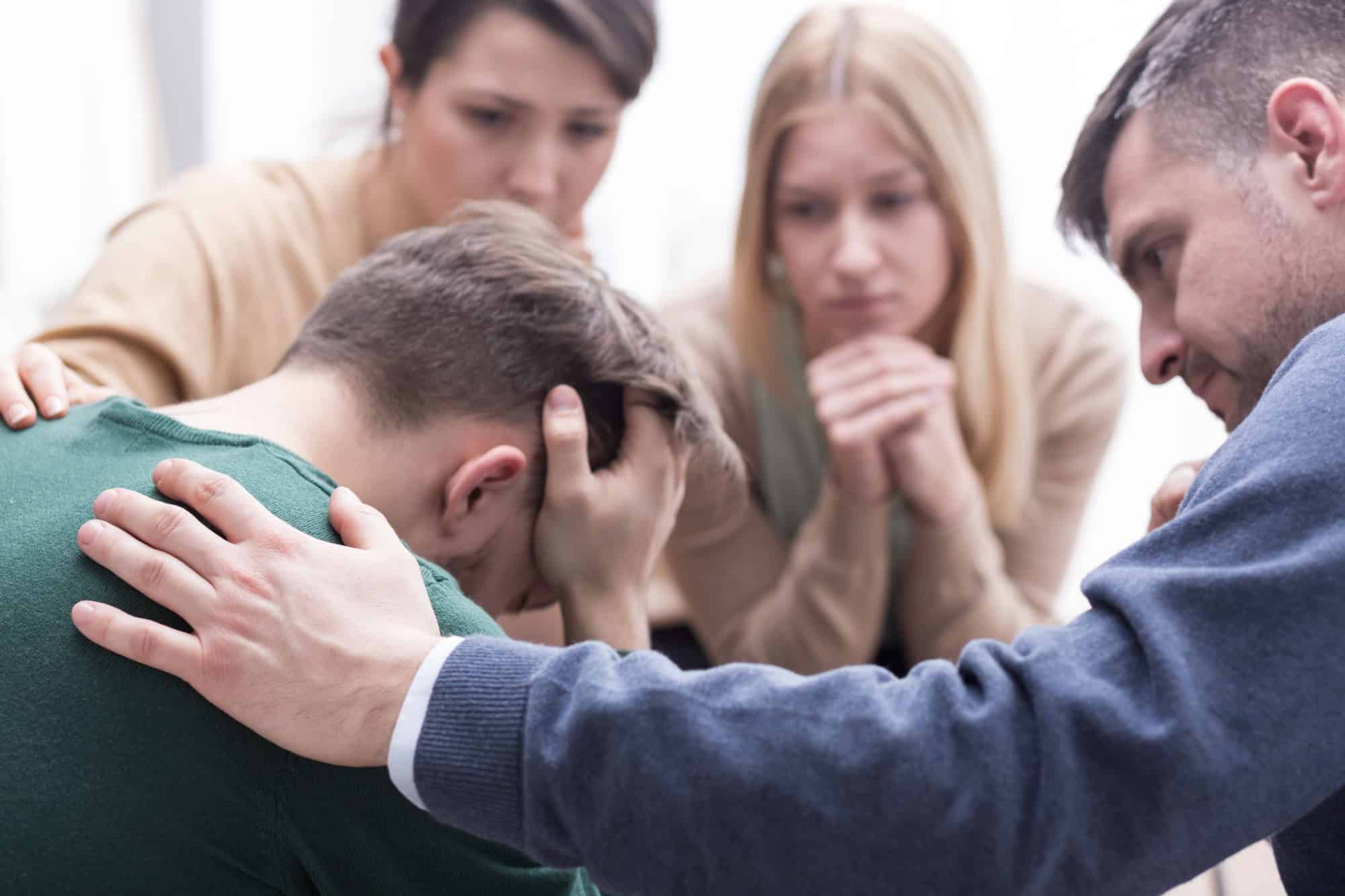
Nothing sorts people faster than messing up publicly, as some people disappear immediately, while others will stay to help you deal with the fallout. That’s a good thing. You’ll know exactly who’s who, which will help you make better decisions in the future. It’s not something you’ll learn when you fail in private, where nobody can see you.
Laughing at Yourself is the Best Cure

Trying to pretend that it didn’t happen makes things awkward, while trying to stay serious is even worse. But if you crack a joke at your own expense, people relax because it breaks the tension. Rather than being a failure, you’re the person who had a failure, and that should help you understand that laughing at yourself is a good idea. Humor’s the only exit.
You Find Out You Can Handle Embarrassment

You freeze, and people stare, maybe someone even laughs. For a second, it feels like your skin’s going to fall off, but then… nothing happens. Life moves on, and you’re still standing, which helps you feel a little tougher, since you don’t need to crumble when things get awkward. You just needed proof.
Feedback Feels Different

When you mess up in public, people give you all sorts of feedback, and for once, you’re actually open to hearing it. You’re not as defensive because you already know it didn’t go well, and you’re in a weird mental space where advice doesn’t feel like an attack. Rather than brushing it off, you listen more. That kind of openness only happens when you fail in the open.
You Stop Being Scared of Worst-Case Scenarios

Before it happened, you built up a big, scary version of failure in your head, but then the real thing showed up. While it was bad, it wasn’t career-ending, nor was it life-wrecking. Something about actually going through actual failure makes the fear lose its grip, so now, when you think about messing up again, you tell yourself you’ll deal with it. Because you did once already.
You Start Taking Bigger Risks

There’s something kind of freeing about blowing it in front of people, and after that, you stop being so obsessed with keeping your image so neat. You don’t play so safe, and you pitch stuff you used to keep to yourself. You try things without waiting for a guarantee, even though the fear’s still there. But now it’s background noise, and you’re more willing to bet on yourself.
People Are Nicer Than You Expected

While you expect people to make jokes behind your back or make nasty comments, they actually do the opposite. People give you compliments or tell you how they’ve failed similarly before. It makes you feel less alone. People show up to prove that they’re nicer than you might expect, and you wouldn’t get that kind of support until you fail in front of everyone.
You’re a Work in Progress

It’s easier to stop pretending you have it all figured out after the curtain’s already dropped and everyone saw your mistake. Who cares if you said the wrong thing or forgot your line? Now, there’s no pressure to keep the act going, and you start saying “I don’t know” more often. Soon enough, you realize that being in progress isn’t a weakness, but rather, it’s just honest.
It Pushes You to Improve Faster

Your mistake stopped you from sleeping for a night or two, but then, something weird happened. Your sense of urgency kicked in. It’s less of a panic, and more a kind of action that encourages you to sign up for the thing you’d been putting off, or start practicing for real instead of just winging it. The failure wasn’t fun, but it showed you where you actually needed to get better.
You Start Caring Less About Perfect Timing

Before your public fail, you were always waiting, whether that was for the right time or the right setup. However, after blowing it with everyone watching, you stop caring so much, and you realize all that waiting didn’t stop the mess anyway. As such, you start moving more quickly to do what you need to. You’ve stopped waiting for conditions that don’t exist, and never will.
You Get Clearer On What Actually Matters to You

After failing, you’re able to recognize what parts of that project or job actually mattered, and what was just noise. Some things you thought were important are those that you later drop without hesitation. The stuff that still tugs at you even after the embarrassment is the real stuff. Yes, public failure might hurt your pride a little, but it also clears the mental clutter.
Disclaimer: This list is solely the author’s opinion based on research and publicly available information.
Like our content? Be sure to follow us.