

Teachers don’t expect you to be perfect, and they understand that you’re juggling 1,000 things—sometimes, just getting your kid out the door feels like a miracle. But there are a few things that would make school life a lot smoother if parents did them, and that’s exactly why teachers want parents to do them. Here are twelve things that most parents don’t do that teachers wish they would do. And no, we’re not just talking about showing up to PTA meetings.
Featured Image Credit: baburkina /Depositphotos.com.
Stop Doing Your Child’s Creative Writing For Them
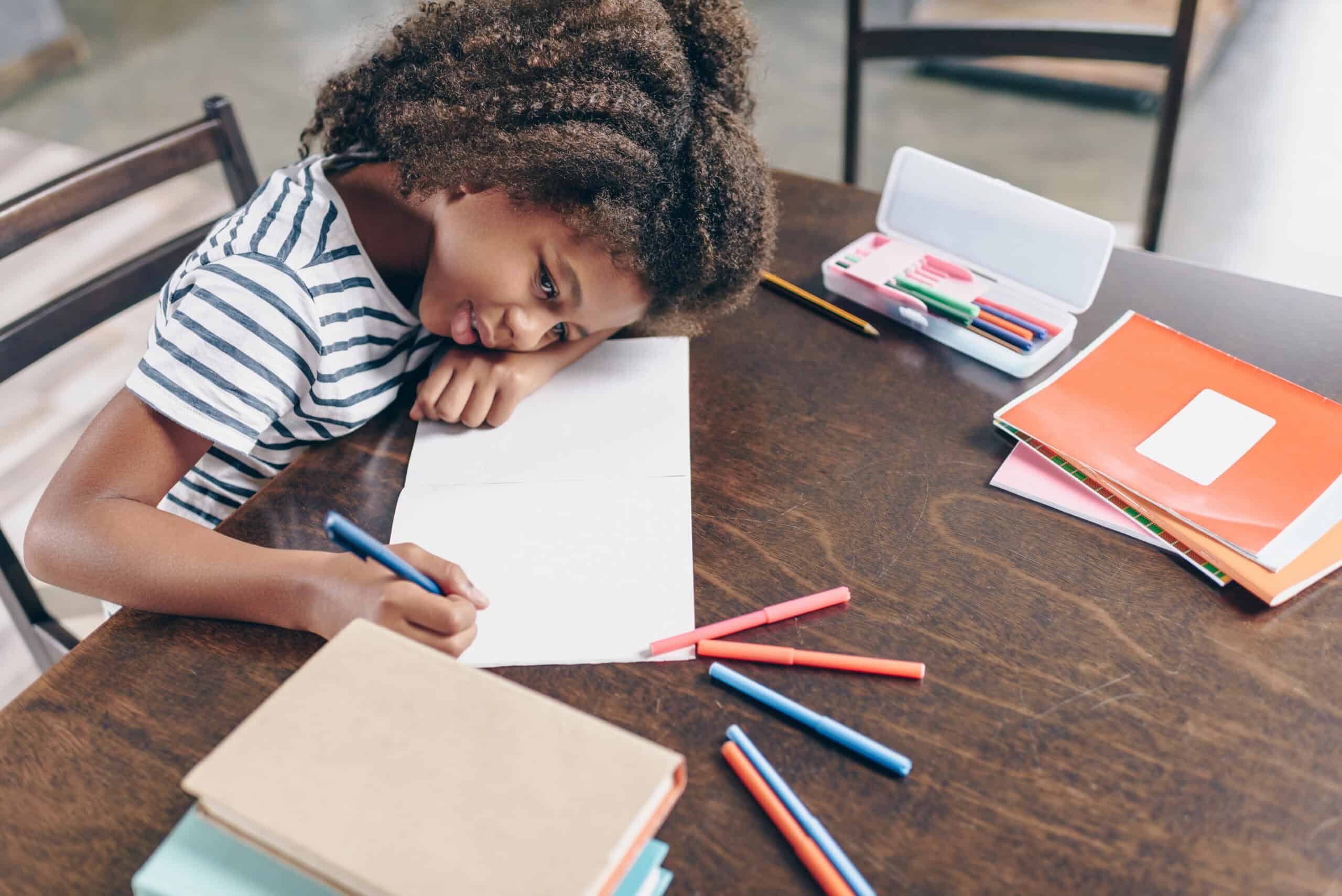
Nobody believes your second grader randomly knows how to use foreshadowing, and teachers can usually tell an adult “helped” their child with their writing homework. They’d much rather read something that sounds like an actual kid—even if it includes talking dinosaurs & spelling that’s a little off. Your kid won’t learn if you do everything for them, and teachers use their writing to track progress, so if it’s been “touched up,” they lose that insight completely.
Tell Your Kid It’s Okay to Be Bored

Sometimes there’s just a quiet minute or two in class, but kids who are used to being entertained 24/7 at home can’t deal with that. A simple comment that “Hey, it’s fine to be bored for a bit” saves teachers from hearing “I’m bored” during literally every transition. It also stops kids from constantly begging for something “fun” the second there’s a pause. Boredom isn’t the enemy, as it gives kids space to think & chill out for a second.
Send in Notes Explaining Odd Behavior
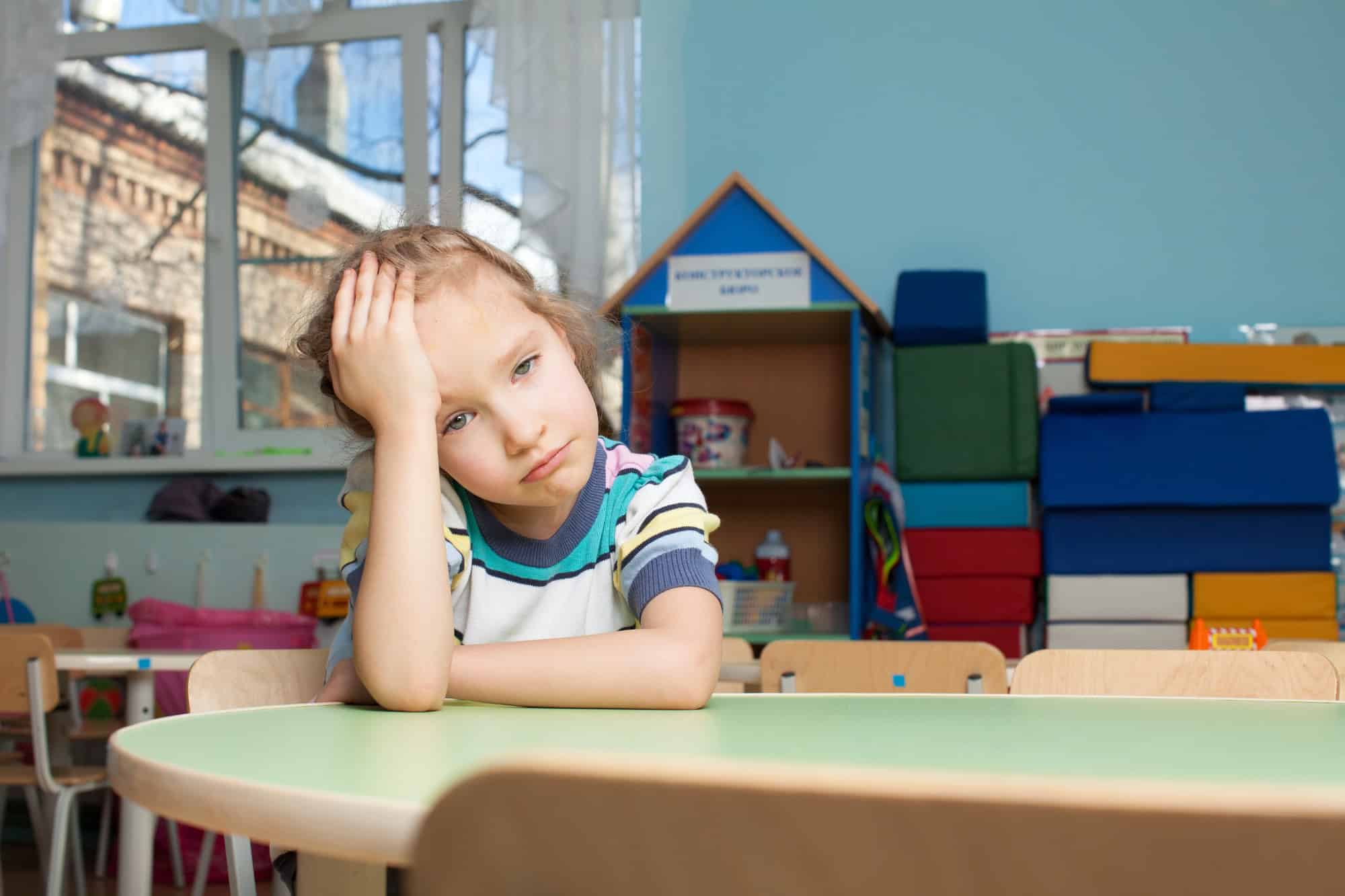
You don’t have to write a novel, but giving the teacher a little notice, like, “Didn’t sleep well” or “Grandma moved out,” helps teachers understand why your kid is face-down on the desk during math. Otherwise, they have to play detective, which takes away from actual learning time. A sentence or two in an email saves everyone from a lot of confusion—they’ll still teach, but a little context helps them handle it with care.
Let Your Kid Carry Their Own Backpack

It might seem small, but when parents carry everything for their kids, it teaches the little ones nothing of value. Teachers notice which kids arrive ready to go & which ones are trailing behind while someone else does all the work, so start with the backpack—let your kid own it. It builds up their independence faster than you’d think, and even kindergartners can learn to zip & carry their stuff. Don’t you want the teachers to see your kid as ready, not helpless?
Don’t Explain the Math Homework Your Way

The way you learned how to subtract may have been useful in 1992, yet that’s not what the school’s doing now, so “fixing” your kid’s homework using the old-school method could ruin everything. Teachers would rather your kid got it wrong than came back totally confused—seriously. If your kid’s lost, just write down a note that explains that because it’s a lot more helpful than undoing what the class is learning and giving your kid a new set of steps.
Avoid Emailing Late at Night

Getting an 11:36 p.m. email with the subject line “URGENT: missing worksheet” isn’t fun for anybody, and especially for teachers since they don’t live in their inboxes. Send your message whenever you want, but maybe don’t freak out if you don’t get a reply before sunrise because Monday will still happen either way. Teachers don’t always see messages first thing since they have meetings & bus duty to deal with, as well as getting 25 kids already lined up in the morning. Give them a little more time.
Label Every Single Item
You might think your kid’s water bottle or jacket will always make its way home, but you’d be wrong because there’s a mountain of “lost stuff” in every classroom—and most of it’s nameless. Teachers would love it if parents just wrote a name on everything because kids argue over whose eraser it is or claim a sweater that’s not theirs every day. As such, a tiny name tag or even Sharpie initials stops teachers from spending time sorting through the lost-and-found.
Don’t “Test” the Teacher Through Your Kid

Some parents love pulling out random trivia at dinner to see what school is “really” teaching, and then they’ll email the teacher with questions like, “Why doesn’t my kid know the capital of Slovakia?” But teachers aren’t prepping kids for Jeopardy, and the curriculum is usually on a planned timeline, so maybe just don’t turn school into a pop quiz at home. Ask about what they’re currently covering instead of assuming the teacher missed something.
Remind Your Kid to Tell the Truth
Kids lie, not because they’re bad, but because they think “the dog ate it” sounds better than “I forgot.” A kid who admits they messed up is a kid that teachers can actually help, so let your child know it’s cool to be honest. Teachers are unlikely to punish kids for small mistakes, especially when they’re upfront, but when the lies don’t stop, it wastes time & makes everything harder.
Stop Telling Your Kid They’re “Not a Math Person”

Saying “I was never good at math either” may seem normal to you, but it’s something that your kid won’t forget, and they’ll become convinced they’re doomed. Instead, it’s far more helpful to say, “You’ll get it with practice,” because when kids hear that adults struggled yet kept going, they’re more likely to push through. It doesn’t matter if you hated math as a kid—keep that to yourself and focus on helping them stay open to learning.
Let Your Kid Pack Their Own Snack

Kids should know what they have in their lunchbox because if they don’t, they might not eat it because they didn’t pick it—or they may want to trade for something they actually like. Teachers end up dealing with snack drama instead of getting ready for the next activity, so let your kid pack their own snacks. It makes them more likely to eat them & less likely to complain or pout about what they got, while also teaching them some planning skills.
Teach Your Kid How to Zip Their Own Jacket
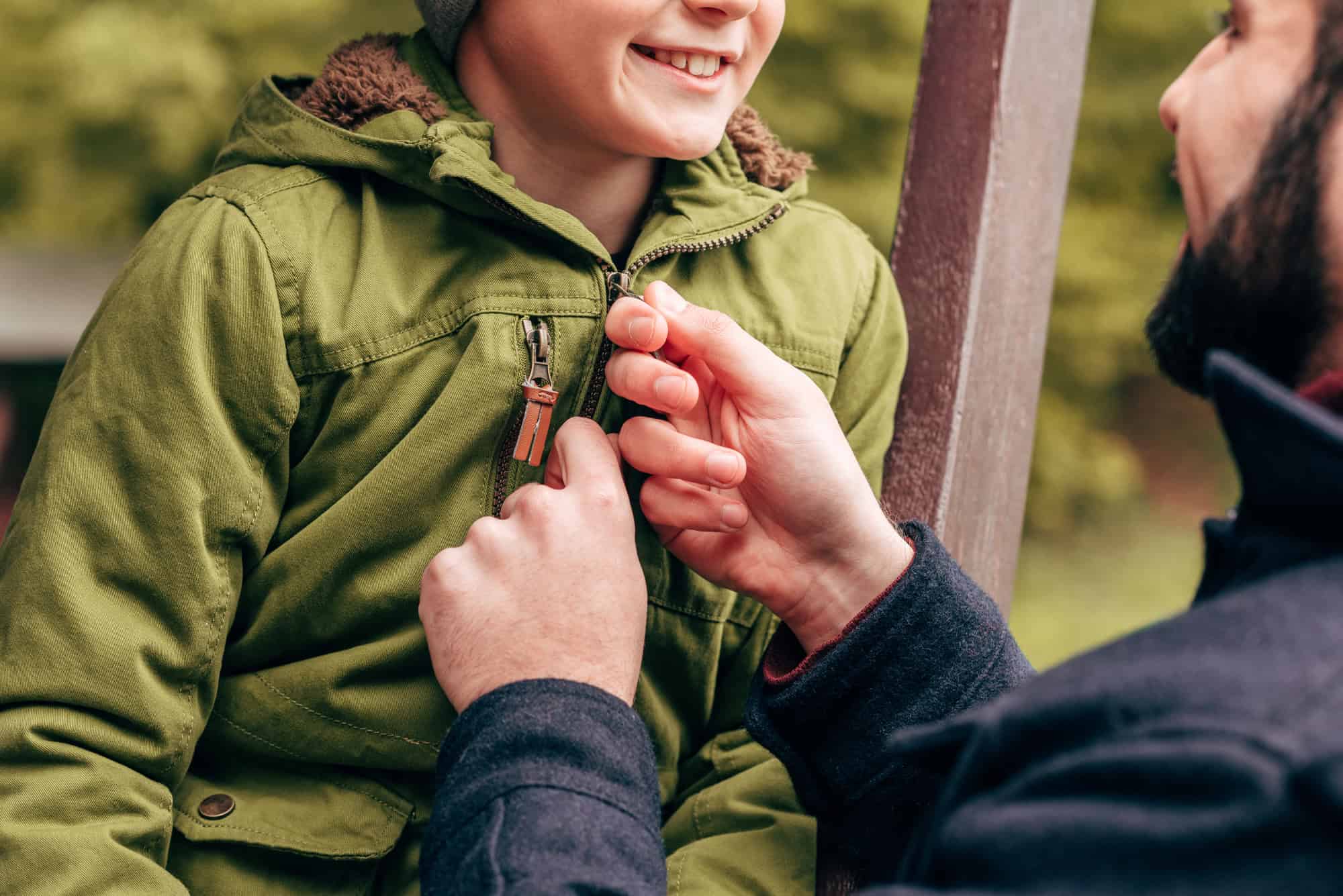
Cold mornings are far worse when kids can’t zip their own stuff, and while it might seem minor, imagine doing that for 20 kids every single day. Many teachers spend far too much time zipping coats, yet a couple of minutes of practice at home saves everyone time. Even younger kids can get the hang of it with a little help, and once they do, they feel proud—teachers just want the start of the day to run smoother.
Disclaimer: This list is solely the author’s opinion based on research and publicly available information.
Like our content? Be sure to follow us on MSN.


