

Whenever parents notice their kids pulling back, they’ll usually blame it on age or mood swings—but that’s not always the reason. A lot of kids stop opening up because of things that their parents do often that may not seem like a big deal in the moment. They’re not always obvious and most parents don’t even notice it’s happening. Here are twelve things parents do that push kids away. If you’ve ever felt a change in how much your kid talks to you or wants to hang out, some of these behaviors could be why.
Featured Image Credit: Kryzhov /Depositphotos.com.
Telling Stories That Embarrass Them in Front of Others

Parents tell childhood stories to get a laugh from loved ones and they’ll bring up things like how their kid cried during a cartoon or wore a superhero costume to the grocery store. While it may seem harmless or even funny, it also makes kids feel exposed—even if the story is years old. Hearing it in front of others makes them self-conscious and they’ll feel uncomfortable, which is when they usually start being more careful about what they share at home.
Posting Their Stuff Online Without Checking First

Likewise, a lot of parents love sharing proud moments online, but their kids aren’t always cool with it, whether that’s a screenshot of a cute text or a photo from a school event. Posting without asking crosses a line and what feels innocent to a parent might be super cringey to them. Suddenly, they’re receiving comments from random people about stuff they never agreed to share and they start clamming up—or flat out ask to be left out of your feed.
Correcting Every Little Word They Say

It’s natural for kids to mispronounce things or mix up words and when that happens, some parents can’t help jumping in to fix it. It doesn’t matter what they said—how they said it becomes the center of conversation and over time, kids get tired of being corrected every time they speak. They stop wanting to talk because it feels like they’re always doing something wrong and it turns normal conversations into something they have to prepare for. It’s much too exhausting.
Using “We Sacrificed So Much for You” as Power

Many parents talk about how much they gave up, like working weekends or skipping vacations, as a way to make their children appreciate things more. But instead, it creates a sense of guilt that kids don’t know how to respond to—how would you feel being told you’re the reason someone missed out? They’ll stop asking for things because they don’t want to feel like a problem and it makes them feel like they owe their parents something.
Giving Backhanded Compliments

Some compliments aren’t really compliments and saying things like “That’s actually not bad” or “You’re smarter than you act” are meaner than they seem. Children aren’t always sure if they should feel good or insulted, which makes them nervous about what’s coming next. Eventually, they learn to expect a sense of negativity and will stop looking for praise at all, since it feels fake. They become more likely to keep their successes to themselves.
Talking About Them Like They’re Not Even in the Room

You know when people start talking about you like you’re invisible? Kids know that feeling too—and they hate it just as much as we do. One minute, they’re sitting there minding their business, and the next, their parents are talking openly about them, saying things like “She’s always been dramatic,” or “He never eats vegetables.” It’s awkward & feels quite rude, which is why they stop showing up to those conversations and check out completely.
Brushing Off What They Say with a Laugh

Whenever a child mentions something they care about, their parent might laugh or say something like, “That’s adorable”—and just like that, the conversation’s done. It doesn’t matter what they were talking about because being laughed at for having an opinion is a quick way to shut them down, so they’ll keep things to themselves next time. Nobody wants to feel like a punchline when they’re just trying to speak their mind.
Taking Little Jabs at Their Friends
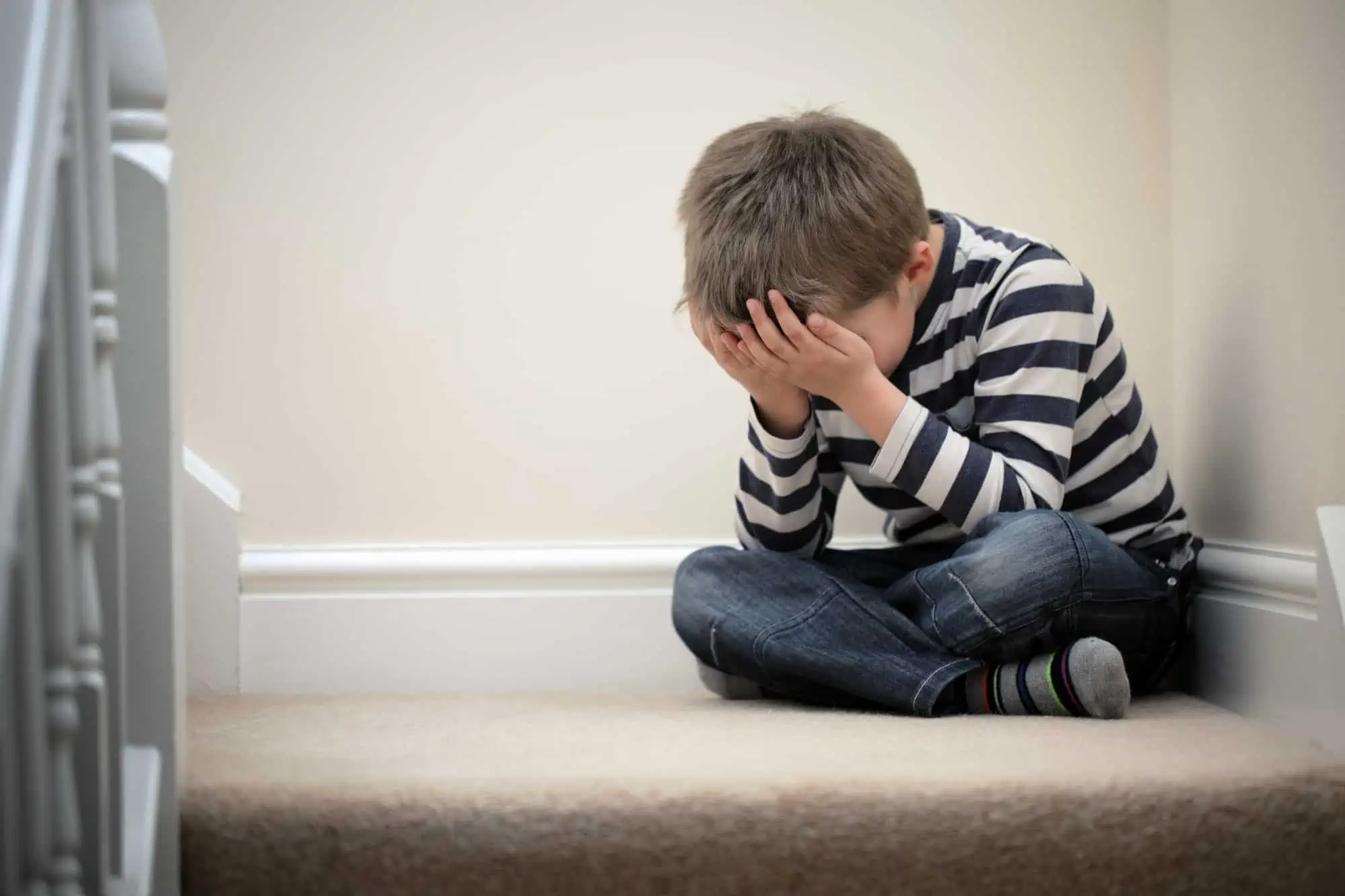
Don’t be surprised if your child stops talking about their friends if you always say things like, “Ugh, that girl?” when they mention someone from school. Whether it’s how someone dresses, talks, or posts on social media, those snarky side comments stick and it doesn’t take much for your child to question whether they should mention names again. That doesn’t mean they’re defending bad behavior, just that they’re protecting their space because friend drama is hard enough without feeling judged at home, too.
Turning Everything into a Sibling Scoreboard

Every time you bring up your other child by saying things like, “Your brother always cleaned his room,” or “Your sister finished homework without reminders,” you’re not actually motivating anyone. Instead, you’re just making them feel like they’re constantly behind in a race and it’s quite tiring. They might nod or brush it off, but deep down, they’re keeping score too—and feeling like they never win, so they’ll eventually stop caring about your approval.
Hijacking Their Projects Without Warning

While your kid’s halfway through a school project, you stop them to try and help…but five minutes later, you’ve taken over everything by rearranging things & fixing the layout. You might even reword stuff or redo it entirely—either way, your kid has to step back and watch. After that, they’re much less excited to start anything new because they assume you’ll just take the wheel again, regardless of whether they asked you to.
Using “Because I Said So” Like It’s a Full Explanation
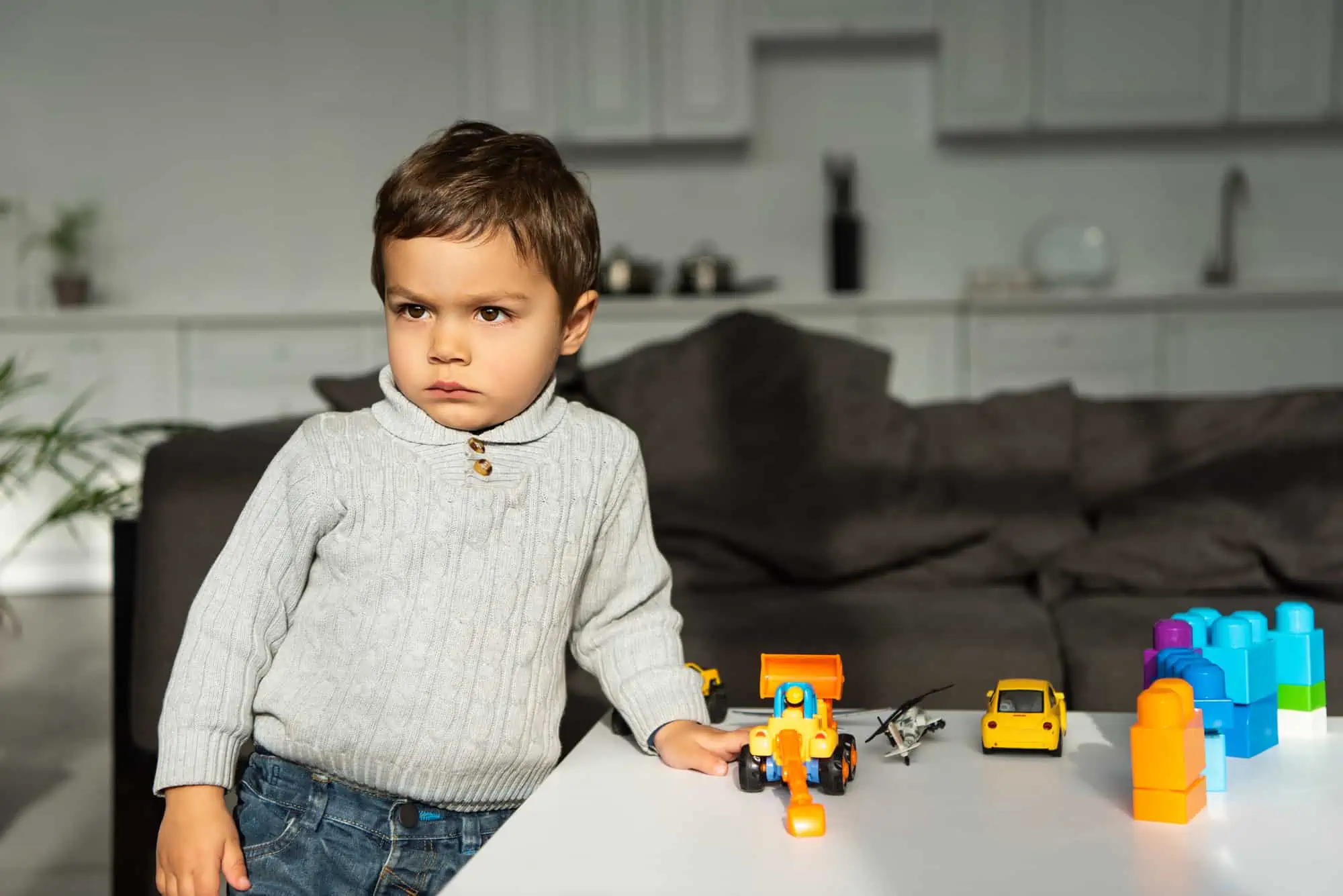
“Because I said so” is the fastest way to end a conversation, yet it shouldn’t be your response to everything, as it stops your child from asking questions. This saying doesn’t explain anything and just shuts people down, so after hearing it enough, most kids stop trying to understand the rules. They give up on the back-and-forth and keep their thoughts to themselves—not because they agree, but because they know they’re not getting anywhere.
Deciding How They Feel Without Even Asking

If your kid is upset and the first thing you say is “You’re just tired” or “You’re overreacting,” you’ve already taken away their chance to explain things to you. It’s annoying being told how you feel by someone who doesn’t truly get your situation and it’s enough to make you stop opening up. After all, it’s easier to keep it all in than risk being told you’re wrong for feeling something in the first place.
Disclaimer: This list is solely the author’s opinion based on research and publicly available information.
Like our content? Be sure to follow us on MSN.

