Have you ever observed Asian friends during social gatherings and found their normal actions puzzling to you? From quirky habits to traditional practices, some of our behaviors may leave others confused about our culture. Simple practices such as drinking hot water, avoiding the number 4, or keeping a large collection of plastic bags show how amusing these cultural differences can be. This humorous list explains 13 behaviors from my Asian family that make my friends scratch their heads in confusion.
Featured Image Credit: MicrostockAsia /Depositphotos.com.
Taking Off Shoes Indoors
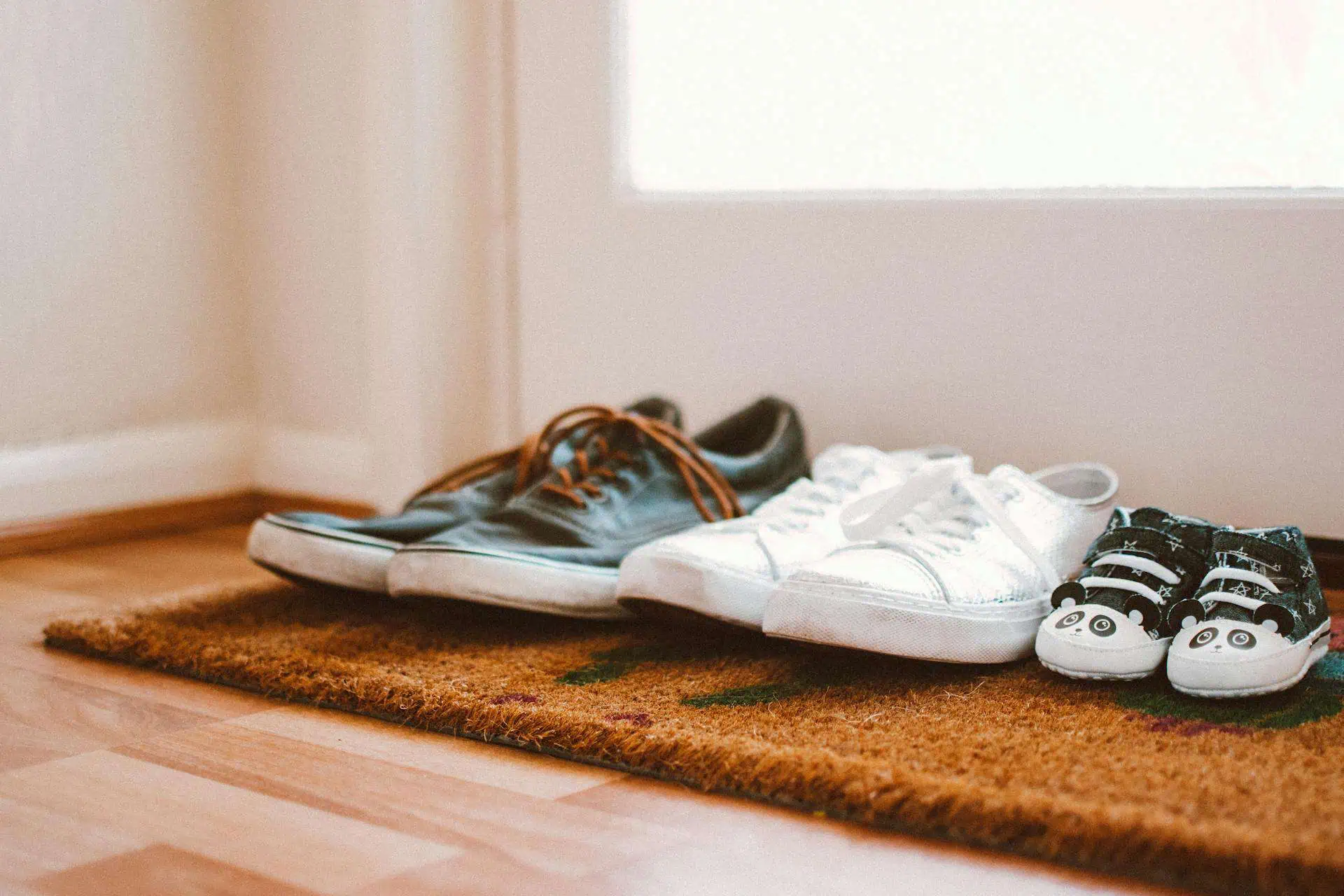
Many Asian households have a strict rule against wearing shoes indoors. My American friends always look really puzzled when they enter a home to find shoes stacked up at the entrance. People often feel uncomfortable wearing only socks indoors but taking off shoes does help maintain clean floors.
Drinking Hot Water

When you request water at an Asian friend’s home you may receive warm or hot water rather than ice-cold. Many believe that drinking hot water improves both digestive health and overall well-being. Meanwhile, Americans never stop adding ice to their drinks no matter how cold the weather gets
Using Two Hands to Give or Receive Something

Did you ever notice that your Asian friend used both hands to accept something you gave them? The practice of using two hands to give or receive items is seen as a sign of respect throughout many Asian cultures when exchanging money, gifts or important documents. This practice seems overly formal to Americans, but it’s basic etiquette throughout various parts of the world.
Not Saying ‘I Love You’ or Showing Affection Publicly

The way Asian families express love differs from American expressions of love. Parents show their love through actions like cutting fruit, preparing your favorite meal, or reminding you to wear a jacket instead of verbally saying “I love you”. Love manifests through actions rather than spoken words.
Sharing Food Without Asking

At an Asian restaurant with friends? Be prepared for them to use chopsticks to take food from your plate across the table. Asian cultures generally feature shared meals where all diners enjoy food from common dishes rather than individual orders. However, some Americans feel uncomfortable with this behavior.
Keeping Plastic Bags (and Reusing Them Forever)

That plastic bag from the grocery store? It isn’t trash because you keep it as a collection of bags under the sink for later use. Need a trash liner? A lunch bag? A rain cover? There’s a plastic bag for that.
Never Fully Unwrapping Gifts

In many Asian traditions, people open gifts at a slow pace and with care. Or they choose to wait until they are in private to avoid opening them in front of the person who gave them. The American method of ripping open presents appears excessively forceful to some! You can reuse wrapping paper later if you keep it intact.
Preferring Squat Toilets or Thinking Western Toilets Are Weird

During your travels in Asia, you may have found yourself facing a squat toilet, which has a hole on the floor with accompanying footrests. Most Asians believe squat toilets are cleaner than their Western counterparts. But most Americans experience panic when they go to a public restroom without any toilet seats.
Worrying About ‘Losing Face’

In many Asian societies, people place a great deal of importance on the concept of “saving face.” The focus remains on preventing shame and preserving dignity. People tend to avoid direct refusal, minimize their accomplishments, and actively prevent confrontations. Americans who value direct communication often mistake indirect social behavior as passive-aggressive.
Drinking Boba or Milk Tea Like It’s Water
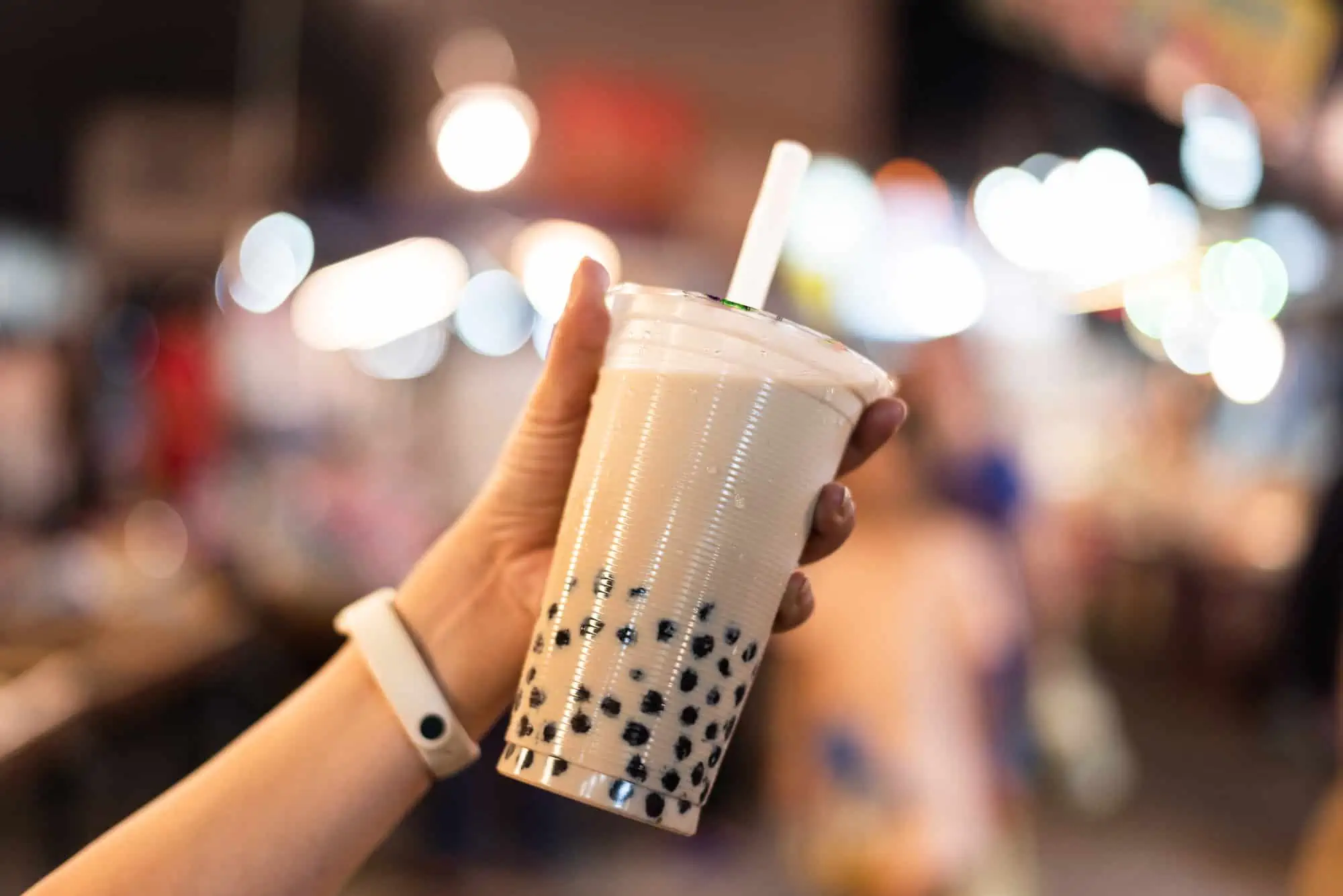
Boba (bubble tea) is life. My Asian friends consume bubble tea multiple times throughout the day. Some American friends typically find bubble tea too sweet for their taste or are puzzled by the chewy tapioca balls inside, or question drinking through an oversized straw.
Superstitions About Numbers

Asian cultures attach significant meanings to specific numbers. The number 4 has negative connotations in Chinese since it resembles the word for “death” but 8 conveys good fortune because it sounds like “wealth.” Many structures avoid having a 4th floor and people pay more for phone numbers or addresses filled with 8s. Americans? They just think it’s a random number.
Eating Unusual Snacks

Dried squid, century eggs, chicken feet, durian… Asian snacks can be intense for the uninitiated. Meanwhile, my American friends think Flamin’ Hot Cheetos are extreme.
Asking Personal Questions (Right Away!)

Asian aunties freely ask personal questions such as “How old are you?” “Are you married yet?” “How much money do you make?” Americans might find these questions intrusive, but they are standard conversation openings in many Asian cultures. Their intention isn’t to be rude but rather to express their interest in your life.
Disclaimer: This list is solely the author’s opinion based on research and publicly available information.
Like our content? Be sure to follow us on MSN.