

If you’re moving out soon, then that’s great—just don’t assume a quick vacuum and a goodbye wave are going to get you that deposit back. Landlords have eagle eyes, and before you start dreaming about that money coming back, remember that they check everything. And it’s not just the obvious things, like holes in the wall or dirty floors, but weird little things you probably didn’t even think of. Here are eleven things landlords check before returning deposits.
Featured Image Credit: Rawpixel /Depositphotos.com.
Stove Drip Pans and Burners

No one talks about these, but landlords almost always lift the metal stove grates to see if the pans underneath are crusty with old pasta sauce or burnt cheese from six months ago. Even if the top looks clean, messed-up pans underneath could mean money off your deposit, with some landlords even bringing a flashlight to check the corners around the burners. They’ll expect you to either scrub them clean or replace the drip pans if they’re beyond help—it takes ten bucks to fix, but they’ll keep fifty if they have to do it themselves.
Inside the Washing Machine Lid
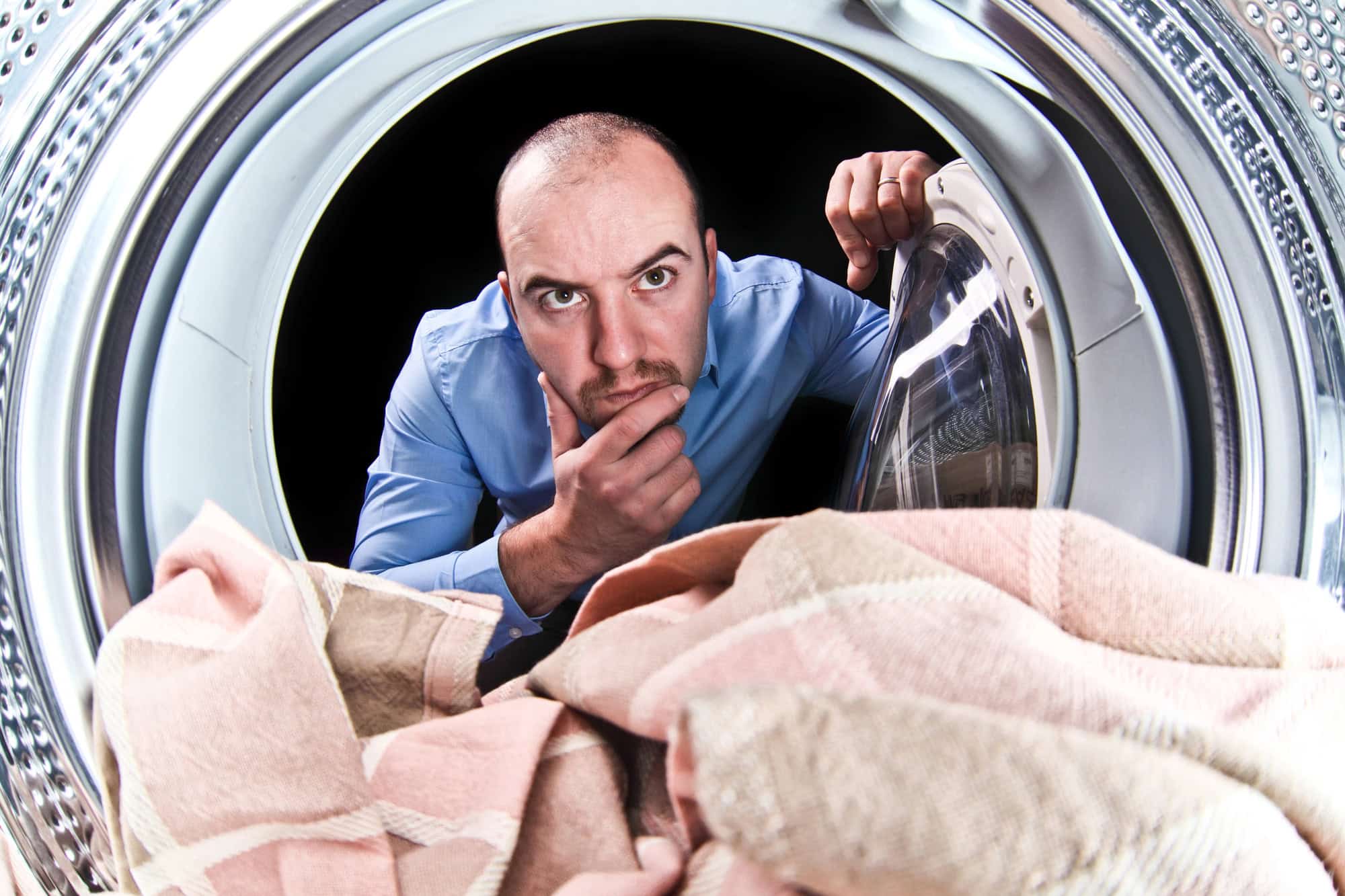
Don’t forget to pop your washing machine lid open before you leave because some landlords look right under it—especially around the rubber parts—to see if there’s grime or leftover soap scum. It’s one of those places that looks fine until they actually run their finger around it, and they’ll also look for any signs of mildew. A quick wipe with vinegar or cleaner could save you from a cleaning charge later, while ignoring it could cost part of your deposit for “deep cleaning.”
Shower Caulking For Mold or Peeling
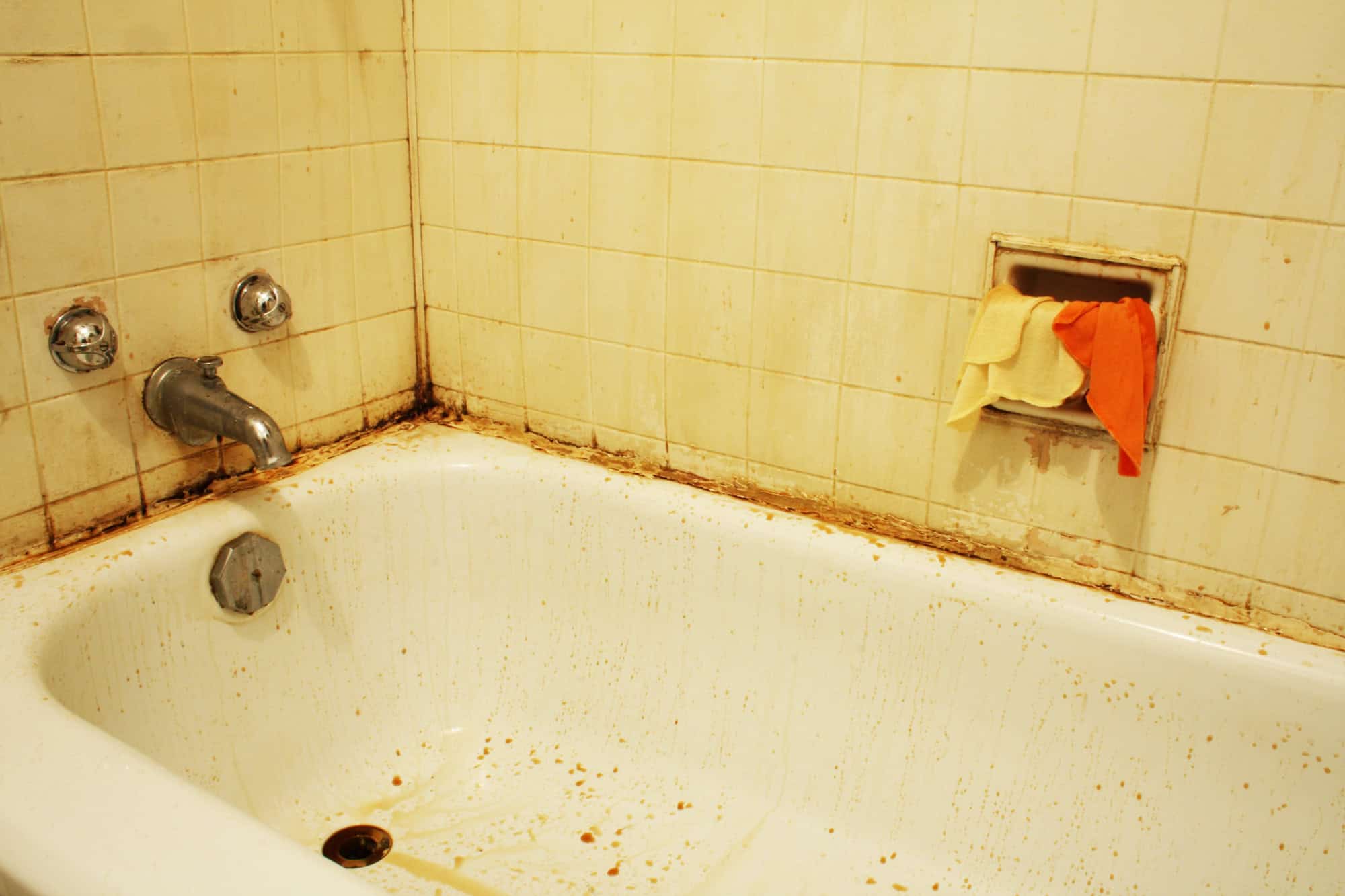
You might just think your landlord checks to see if your shower looks clean, but they’re actually also looking at the caulking, because if it’s coming off or growing mold, they’ll assume you never cleaned it. And yes, that means a call to a handyman and a little less in your refund. Some leases actually say you need to report early signs of damage or moisture, so not telling them about it could actually count against you.
Fridge Gasket
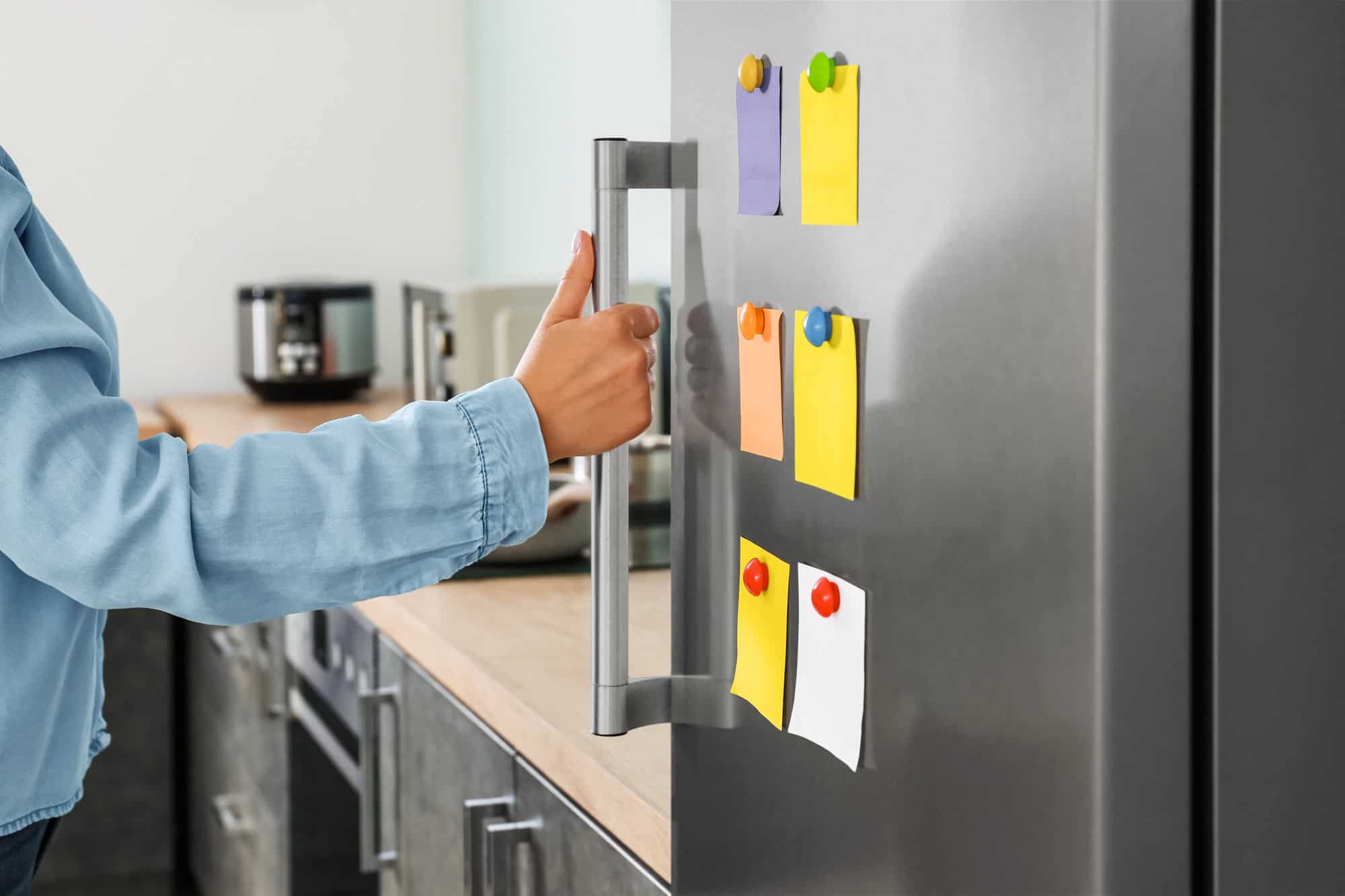
The fridge seal is that rubbery part around the door, and many landlords will check it to see if it’s sticky or moldy, as a broken seal makes the fridge less efficient. They may also tug it lightly to see if it’s peeling away or torn—as such, they’ll dock you for cleanup or replacement. Thankfully, you can just clean it with a toothbrush & some dish soap, but if it’s already falling apart, they might just deduct the full replacement cost.
Cabinet Hardware Tightness

If you’ve ever yanked your cabinets open too hard, your landlord will know, too, because they’ll test those knobs & hinges to see if they’re loose. They might chalk up any that are dangling or popped off as damage, rather than just wear & tear, even though it takes just a quick screwdriver fix. They’ll also open and close a few doors to check for weird creaking or signs that the hardware’s pulling out of the wood. Fixing this stuff in advance only takes a few minutes.
Screen Windows and Sliding Doors
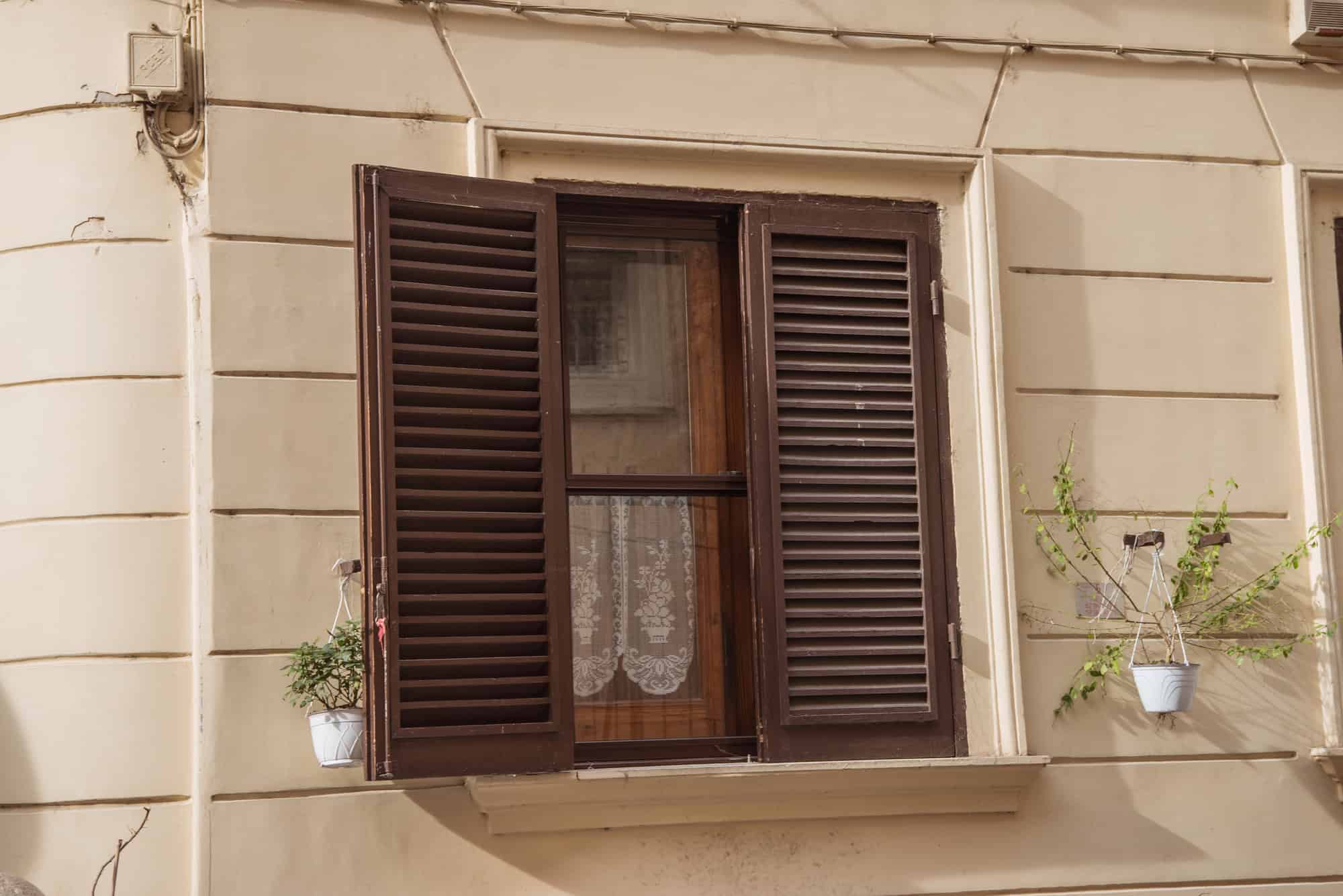
You’d think they’d just care if the windows shut, but the truth is that some landlords make a whole moment out of sliding every window open just to see if the screens are ripped or bent. Even a tiny hole from a bug trying to get indoors is enough for the windows to be flagged—and for you to be charged. A missing handle or wheels are small things, but a landlord will happily take out $100 for repairs.
Floor Scuffs Under Furniture Areas

They’re not dumb, and they know you put a rug under your couch to hide something, so don’t be shocked if they lift it or check the spots where you’ve put the furniture. The cost of repairing any deep scratches from dragging stuff across hardwood without pads is definitely coming out of your deposit. They’ll likely count anything deeper than a surface scratch as extra wear, especially if the floor needs refinishing or buffing, which will come out of your pocket.
Under the Sink
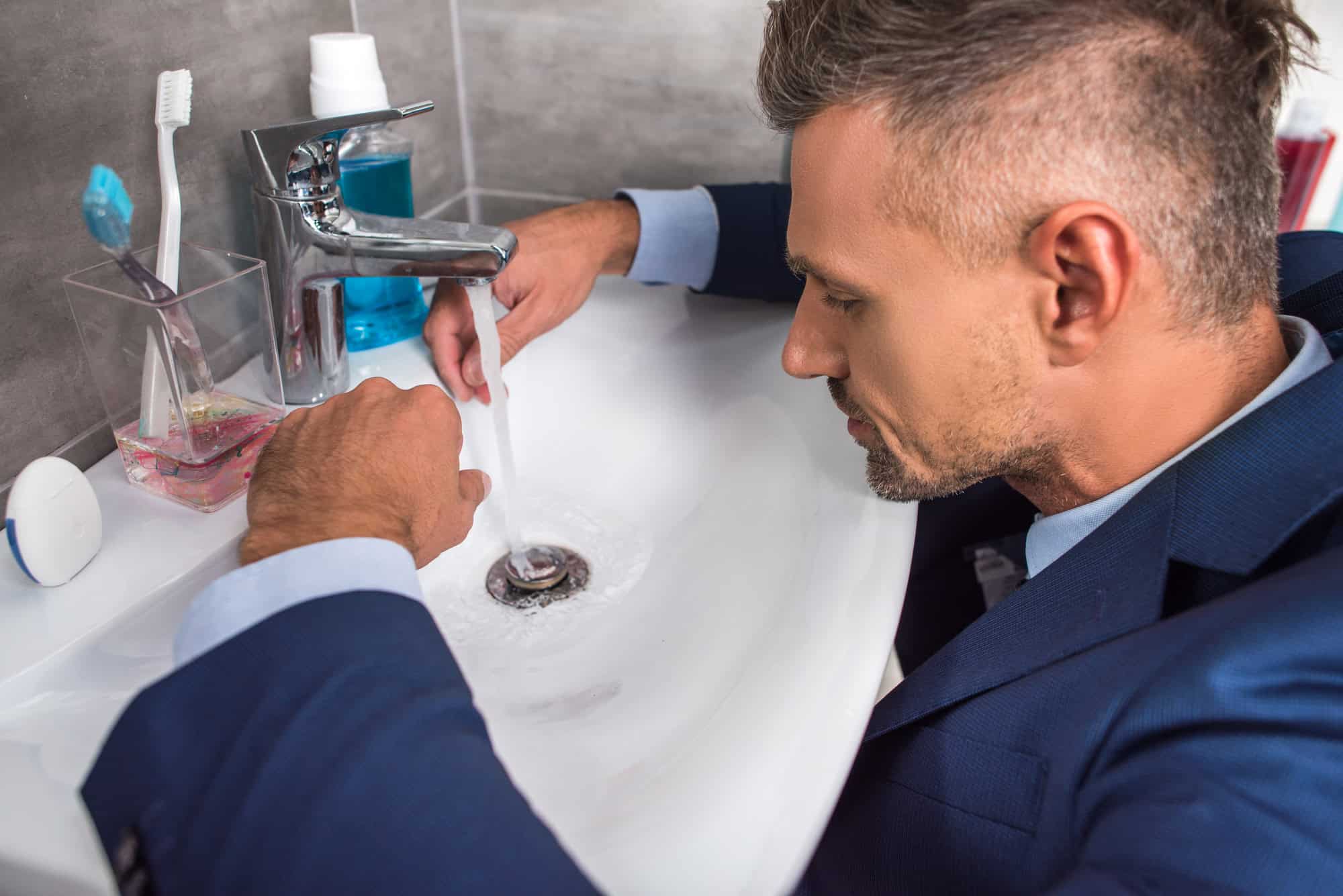
When your landlord opens the cabinet under the sink, they’re not only looking for mess—they’re also sniffing around for musty smells and may even shine a light to check for water stains & soft wood. Any leaks or damage that are bad enough will prompt a call for repairs, and they’ll bill you for it. A slow drip that discolored the wood can be a problem, as well as mold or crusty pipe joints.
Air Filter Replacement History
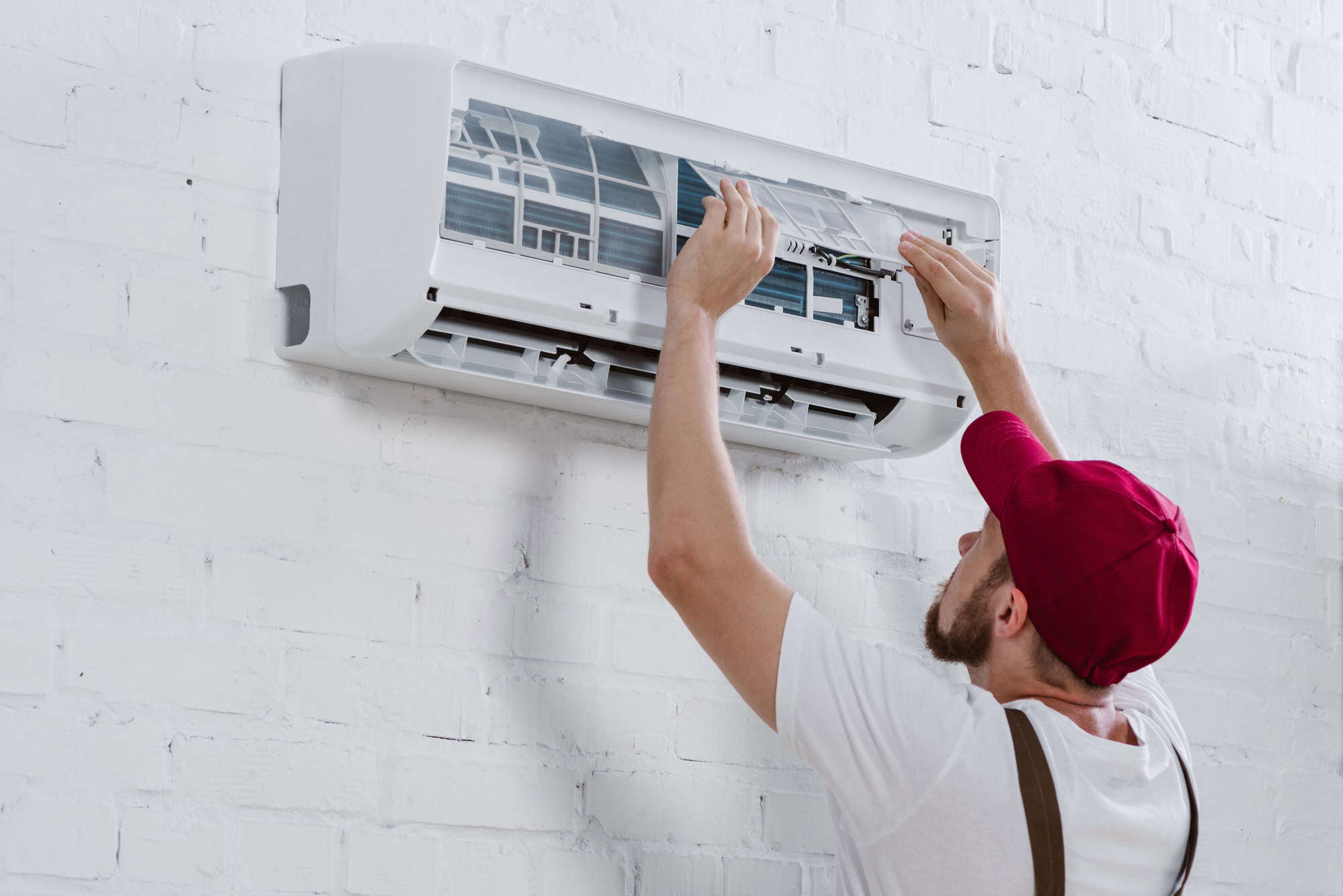
If your house has central air, you were probably supposed to change the filter, and some landlords check the dates on it or just pull it out to see how much dust is in there. A clogged filter affects the system, and that kind of neglect can cost you quite a bit, especially since some leases say you have to change the filters every few months. HVAC filters are cheap, but the penalty you’ll get from not replacing them certainly isn’t.
Garage Floor Oil Spots

Your garage isn’t safe either, as your landlord will inspect the floor for oil stains or tire marks, particularly in spots where any vehicles usually sit. Some places are serious about it—they’ll charge for power-washing if you leave behind any oil slicks, and they may look for rubber burn marks from tires spinning in place. You should expect a cleaning fee if the garage smells like oil or looks stained beyond a quick sweep.
Ceiling Fan Blades
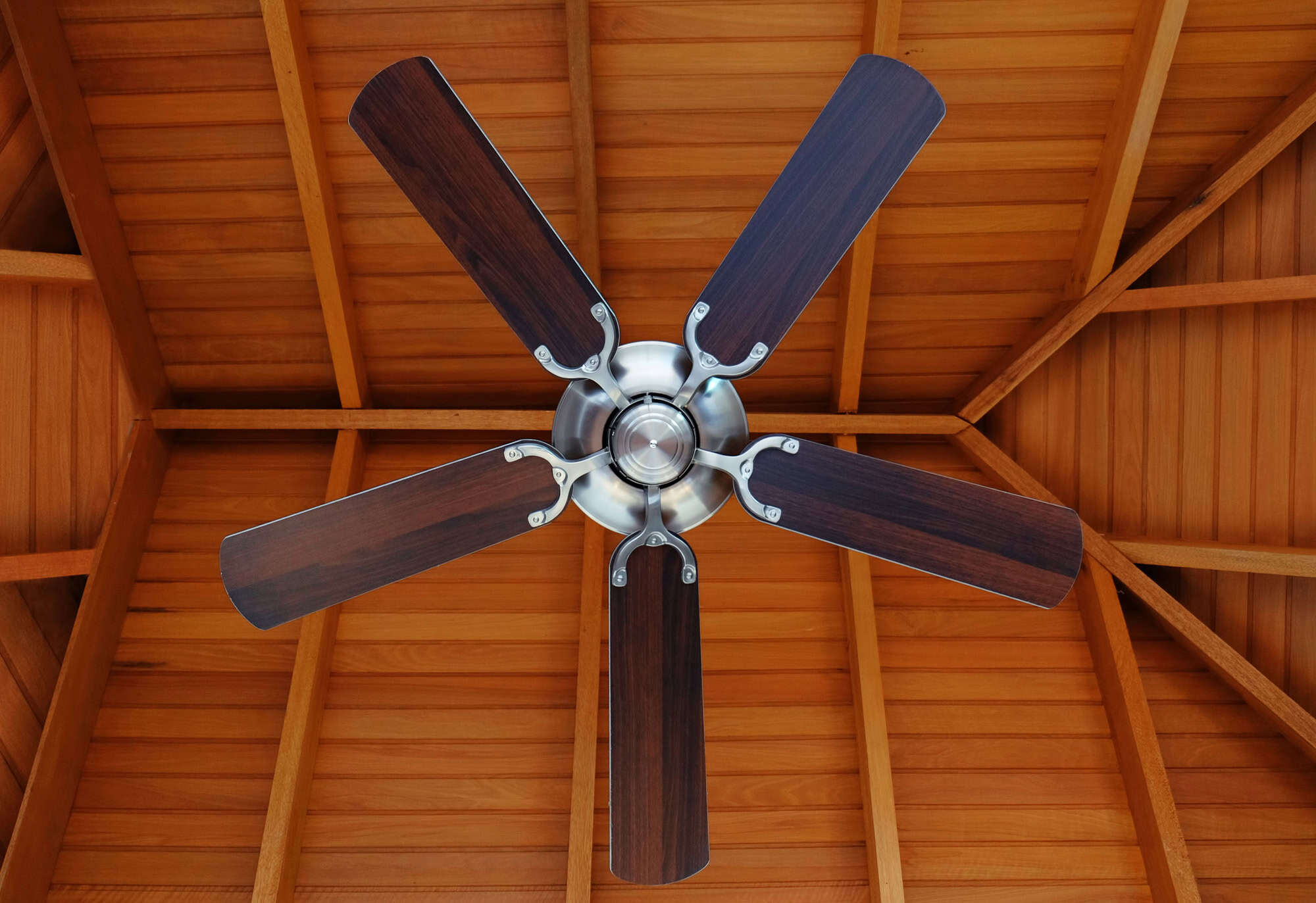
People forget their ceiling fans every time, as they clean the floors & wipe the counters—but they very rarely look up. A landlord doesn’t forget, though, and if any blades are dirty, they’ll count it as a cleaning issue, regardless of whether the rest of the place looks great. They’ll either bill you or knock a fee off your deposit to have someone else wipe it down, although you could’ve handled it yourself with a step stool & a cloth.
Disclaimer: This list is solely the author’s opinion based on research and publicly available information.
Like our content? Be sure to follow us.
Read More: