

Growing up in a strict home can shape you in quiet but long-lasting ways. The rules and pressure of that upbringing may fade as you get older, but their impact often lingers into adulthood.
You may not notice these patterns at first, but they come up with the way a person speaks, reacts, or choose to stay silent. Let’s look at 24 things adults raised in strict homes don’t do. It’s not about rebellion, but about survival.
Featured Image Credit: Shutterstock.
Make Noise Late at Night

They tiptoe, even in their own house. Years of getting in trouble for walking too loudly or accidentally closing a drawer too hard taught them to keep quiet. Now, they catch themselves whispering after 10 p.m., even if no one is listening. That fear of waking someone up never really leaves.
Speak Up First in a Group

They grew up being told to let adults talk or were punished for disagreeing. Now they stay quiet in meetings or group chats. Not because they don’t have ideas, but because jumping in feels unsafe.
Decorate Boldly
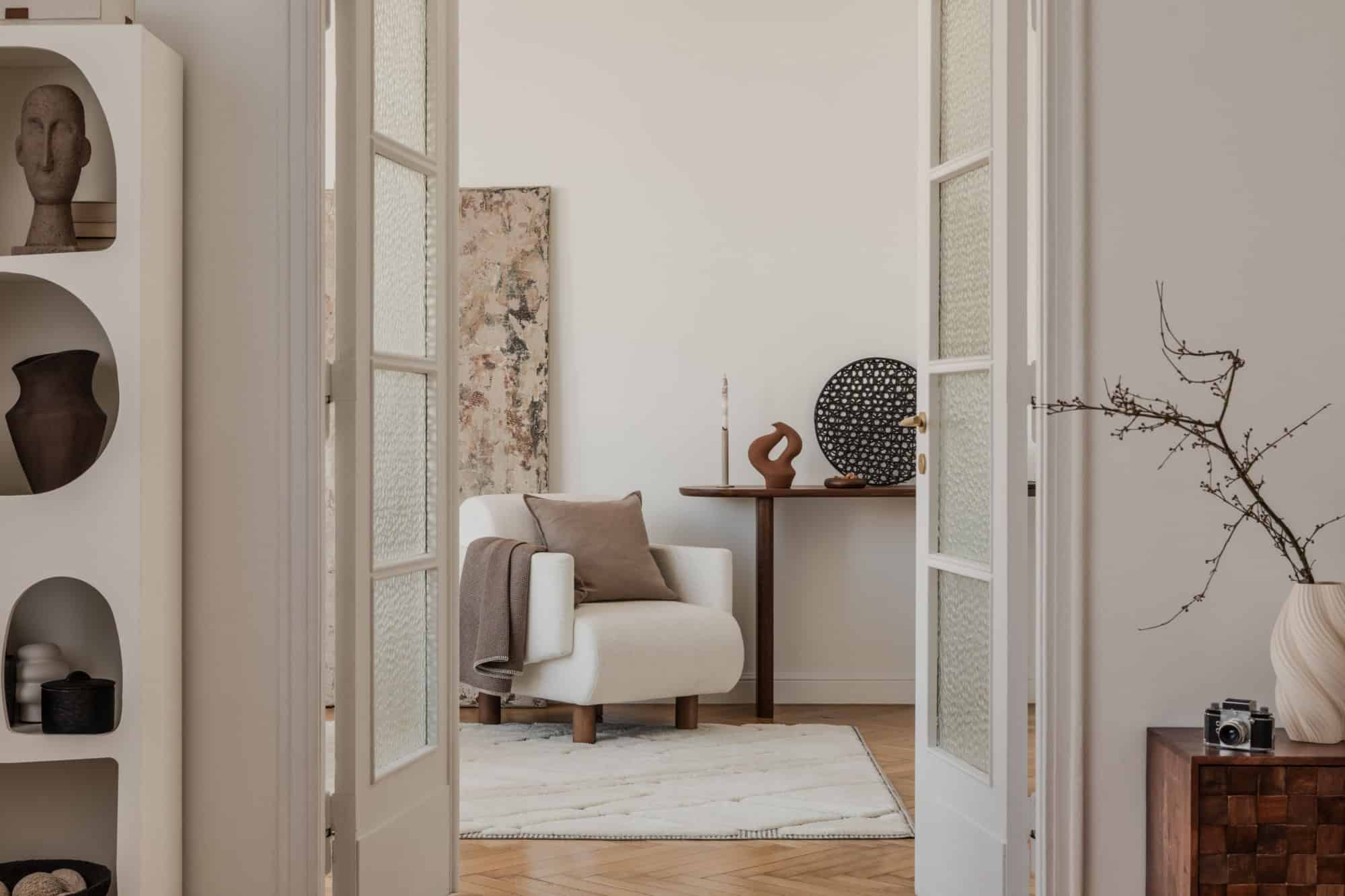
They love something bright or loud, but they think twice. In their strict homes, they were often told, “Don’t stick out” even with colors or clothes. As adults, their environments often mirror their training: safe, neutral, and quiet.
Correct Others, Even When They’re Wrong

They don’t like calling people out, even gently. Being raised in a home where questioning authority was seen as disrespectful makes it hard to speak up, even in casual situations. They would rather stay uncomfortable than be seen as confrontational.
Surprise People

Surprises were not welcome in strict homes. They often led to suspicion or punishment. So as adults, they avoid surprising anyone else. They will over explain, over plan, and make sure people know exactly what is coming.
Eat the Last Piece

They were taught that taking the last piece of anything was selfish. That idea stuck. Even now, at parties or dinners, they will leave the last cookie untouched, waiting for someone else to take it.
Be in the Spotlight

Back in the day, too much attention meant they were being closely monitored by parents. Now, even when praise is warranted, they deflect. Standing out still feels uncomfortable. It brings the fear of being put under a microscope for criticism.
Feel Comfortable Sitting Around

They often confuse rest with guilt. When they were younger, they were told sitting around wasn’t rest, it was being lazy. So, now it is hard for them to truly relax. There is always that nagging feeling that they should be doing something.
Share Big Wins Easily

Self-celebration was never modeled. Bragging or even just being proud was shut down as arrogance. So they quietly succeed and move on, afraid of seeming full of themselves.
Ask for Help

They were raised to figure things out alone. Asking for help was seen as weakness or a sign of failure. As adults, they take on too much, burn out often, and still hesitate to reach out.
Show Up Unannounced

They hate the idea of being an inconvenience. Visiting someone without warning feels wildly inappropriate. They will text, double check, and still worry they are imposing.
Use Personal Examples

They have learned to keep family matters private. Growing up, sharing anything personal was discouraged or punished. Now, even when it might help a conversation, they keep their stories to themselves.
Voice Preferences in Restaurants

They will order what is easiest. Decades of hearing you will eat what is on your plate taught them not to be fussy. Now they rarely voice what they actually want, even with something as simple as food.
Give Negative Feedback

They flinch at the idea of telling someone their work needs improvement. It is not about kindness. It is about fear. They know how criticism used to feel, so they avoid giving it to others.
Stay Out Late Without Anxiety

Growing up, there was an understood time. If they weren’t home by then, they were going to be in serious trouble. As adults, they still won’t stay out too late. Their body is programmed to start panicking as they hit that time. If someone’s not even waiting up, they’ll still come racing home.
Make Big Decisions Quickly

They were taught to overthink, ask permission, and fear mistakes. So now, even small decisions take forever. They analyze everything, afraid of messing up or disappointing someone.
Volunteer to Lead

Being in charge feels more like a trap than an opportunity. Strict homes usually had one authority, and you were not it. So now, even when they are capable, they would rather follow quietly than lead loudly.
Interrupt Anyone

Interrupting was seen as a major disrespect in their home. Now, they wait for long pauses before speaking. Sometimes they miss their chance altogether. Even if the conversation moves on, they stay quiet.
Easily Say What They Want

They learned not to ask for too much. So now they downplay their needs in relationships, at work, or even while shopping. It feels safer to just go along than to risk seeming demanding.
Share Emotions Without a Disclaimer

Growing up, you couldn’t cry, be mad, or even happy without rules. Now they’ll preface anything emotional with “Sorry, this is dumb but.” They feel like they need to apologize to feel.
Agree To Open Ended Plans

Loose, spontaneous plans make them anxious. They want to know who is going, when it ends, and what to expect. Growing up under a tight schedule made flexibility feel chaotic.
Argue in Public

Disagreements were either shut down or turned into explosions. So now, if tension comes up in public, they shut down or walk away. It feels too dangerous to risk being seen fighting.
Use Terms Like “Because I Said So” With Their Kids

They remember how that phrase felt. Like a wall, not a reason. If they become parents, they try to explain things better. They want their kids to feel heard in a way they never were.
Get Too Excited Too Soon

They are self-regulating when it comes to good things happening. Getting too excited as a kid was often met with being told to calm down or that things could still go wrong. As an adult, they remain cautious, even when they are happy. They will wait to see if it is really safe to celebrate.
Disclaimer: This list is solely the author’s opinion based on research and publicly available information.
Like our content? Be sure to follow us.