
In the ever-evolving landscape of societal norms, what was once considered strange or unconventional can quickly become the new normal. Thanks to the rapid pace of technological, cultural, and social changes, behaviors that might have raised eyebrows two decades ago are now widely accepted. Let’s take a stroll down the memory lane of the early 2000s, exploring what was deemed unusual then but is absolutely normal now, according to the insights shared by users on social media.
Featured Image Credit: Monstera Production /Pexels.com.
#1. Navigating Without Directions

“Leaving the house to go some place without having directions and figuring out where to go on the way.”
In the early 2000s, leaving the house without explicit directions was an adventurous undertaking. Users fondly recall the era when paper maps or printed directions were essential for any journey. Fast forward to today, the advent of GPS navigation apps on smartphones has transformed this practice.
Now, it’s entirely normal for individuals to head out without pre-determined routes, relying on real-time navigation, turning what was once a challenging and uncertain process into a commonplace and convenient experience. The ubiquity of GPS technology has made spontaneous navigation not only acceptable but a preferred and stress-free approach to travel for many.
#2. Cellphones for Elementary School Kids

Two decades ago, the concept of elementary school kids owning cellphones was not even a concept. However, as technology advanced and societal perspectives evolved, it has become a norm. The rise of smartphones, coupled with concerns about child safety and the necessity for instant communication, has fueled this shift.
Many parents now view cellphones as essential tools for staying connected with their children and ensuring their safety in an increasingly digital world. The widespread acceptance of this once-unthinkable idea showcases the profound changes in how society perceives and integrates technology into the lives of even the youngest members.
#3. Online Dating Evolution

“Online dating was considered pretty weird for most of the 2000s.”
During the majority of the 2000s, online dating was often viewed with skepticism and considered somewhat unconventional. However, over the years, societal attitudes towards finding love on the internet have undergone a significant transformation. The advent of well-established dating platforms, success stories, and a cultural shift toward digital interactions has normalized online dating. Today, many users recognize these platforms as legitimate and efficient avenues for meeting potential partners.
#4. Everyday Shopping Online

“Ordering everyday household products online.”
#5. Screen Staring in Public
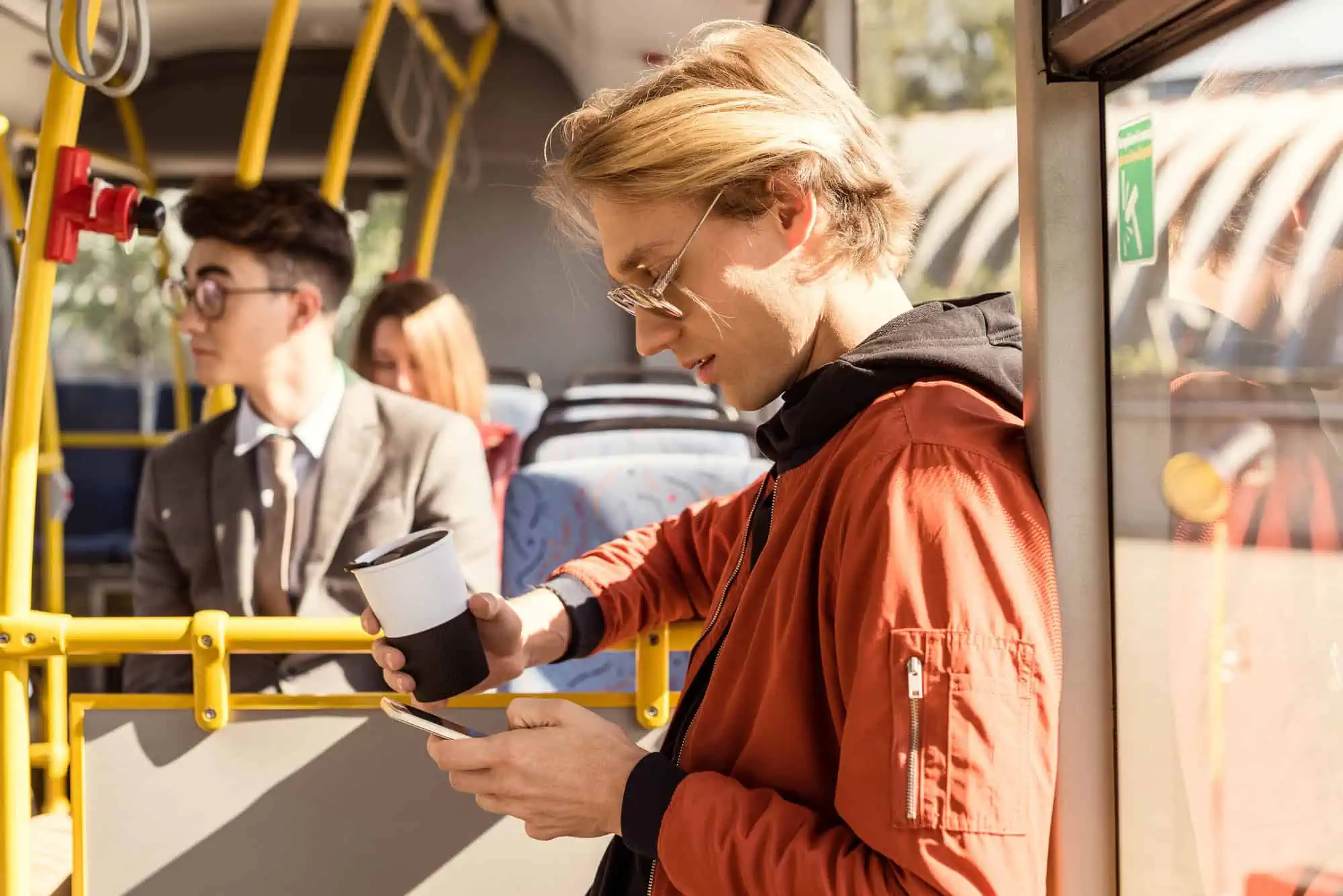
“Staring at a screen in public while people are talking to you”
The oddity of staring at a screen while people are talking to you has undergone a remarkable shift in social dynamics. What was once considered impolite has become a ubiquitous behavior. The proliferation of smartphones and the integration of digital communication into daily life have normalized this practice.
Many users now find it commonplace to check their devices in various social settings, from cafes to public transportation, without the same level of social stigma that existed two decades ago. The acceptance of screen usage during face-to-face interactions illustrates a significant evolution in how society engages with technology in public spaces..
#6. Ticketless Entry to Events

“Going to concerts and sporting events without a physical ticket.”
The concept of attending concerts and sporting events without a physical ticket was once an anomaly, with paper tickets being the norm. Today, the landscape has transformed, and electronic ticketing has become the standard practice. Users reminisce about the time when a tangible ticket was a cherished keepsake, but with the advent of digital ticketing systems, it’s now routine to gain entry using a smartphone or e-ticket.
This shift not only enhances convenience but also reduces environmental impact, reflecting a broader transition toward digital solutions in varying aspects of our lives. The digitalization of event entry marks a significant departure from the traditional tangible ticket experience.
#7. Rise of the Selfie

“I still remember the forever alone face memes about this one lady on the stairs who tied her camera to a broom or whatever that was. The whole internet made fun of her.”
The emergence of the selfie stick was once met with humorous skepticism, symbolized by memes poking fun at early adopters. However, over time, a selfie has become a widely accepted way of taking a photo. In fact, smartphones makers compete on who has the best quality camera, both front and back. The shift reflects how societal perceptions can evolve, turning a once-ridiculed habit into a normalized and practical part of the modern-day photography experience.
#8. Embracing Marriage Equality

“Gay marriage.”
In the early 2000s, the concept of gay marriage was a contentious and often debated topic. However, societal attitudes have evolved significantly over the past two decades, leading to widespread acceptance and legal recognition of marriage equality. The push for LGBTQ+ rights gained momentum, resulting in legislative changes and cultural shifts that embraced love and commitment irrespective of gender. Today, many users celebrate the progress made in acknowledging and normalizing same-sex marriages, reflecting a broader societal transformation towards inclusivity and equal rights.
#9. The Tattoo Revolution
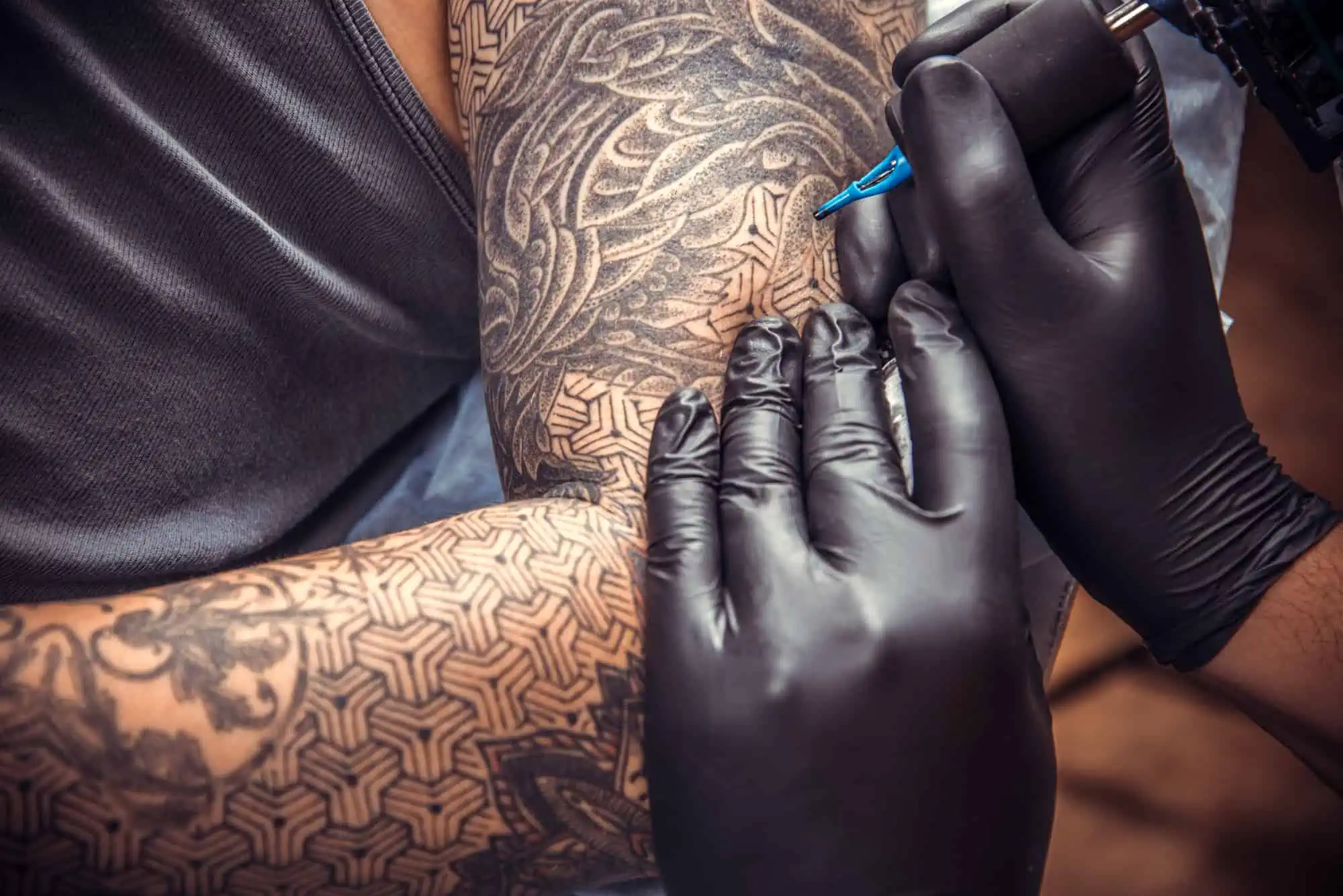
“Once upon a time, people would pay money to see a tattooed man at the circus. Even in 2000, fathers wouldn’t want their daughters to date someone with tattoos.”
The perception of having lots of tattoos has undergone a substantial evolution. Fast forward to today, and tattoos are not only widely accepted but considered a form of self-expression and art. Many users now proudly display intricate ink, and the stigma that once surrounded heavily tattooed individuals has given way to a celebration of personal style and creativity. The tattoo revolution signifies a shift in societal norms, as body art has become a mainstream and widely appreciated form of individual expression.
#10. The Indoor Lifestyle

“Not Leaving the House. 20 years ago, I was Outside every free minute I had.”
The transformation from being outdoorsy to embracing a homebody lifestyle has become a prevalent shift in societal norms. Users reflect on a time when outdoor activities were the norm, contrasting it with the present where staying indoors has become a more common and accepted choice. This change is attributed to various factors, including advancements in technology, the surge in remote work opportunities, and shifts in recreational choices. The acceptance of a more home-centric lifestyle represents a cultural shift in how individuals allocate their time and find fulfillment in the comforts of their own spaces.
#11. Changing Body Norms

Users reflect on a time when people used to openly make fun of people with body types other than the widely accepted image of ‘normal’ bodies. However, the present landscape has shifted, with changing attitudes towards body image and diverse representations of size. The acceptance and visibility of individuals with varying body sizes challenge traditional beauty standards, fostering a more inclusive understanding of health and appearance. This transformation reflects broader societal changes in embracing diversity and promoting body positivity.
#12. Climate Changes: Winter without Snow

“When I was a kid in the Midwest in 2000, we’d be out in the snow sledding multiple times before Christmas. Now it hardly snows until late January, and rarely more than a few times per winter with little accumulation anyway.”
The experience of winter without significant snowfall has become a noticeable phenomenon, highlighting shifts in climate patterns over the past two decades. Users reminisce about a time when snowy landscapes were a regular part of winter. The current reality of delayed and reduced snowfall serves as a tangible reminder of the impact of climate change on seasonal weather patterns. This change prompts reflection on the environmental transformations that have occurred, affecting traditional winter experiences in many regions.
#13. Rise of Electric Cars

Hybrid cars, like the Toyota Prius and Honda Insight, were once considered outliers in the automotive landscape. However, over the past 20 years, eco-friendly vehicles have become widely recognized as sustainable alternatives. Users acknowledge the shift in awareness toward environmental sustainability, with hybrid and electric cars now embraced for their fuel efficiency and reduced environmental impact. This change signifies a broader commitment to greener transportation options, reflecting evolving attitudes toward eco-conscious living.
#14. Mask-Wearing in Public

“Wearing a mask (at least in the West) in public. If I’m sick, I can wear a mask in public and no one really bats at eye. I remember being nervous about doing that at the start of the pandemic because it was socially awkward but now it’s not. Ok so I guess this was only 4 years ago but still. 20 years ago, if you wore a mask, you were a complete weirdo or about to commit a crime.”
Wearing masks in public, once considered socially awkward, has rapidly become a normalized practice, particularly in the wake of the global pandemic. Today, the act of donning a mask, especially when feeling unwell, is widely accepted as a responsible and considerate choice to protect oneself and others. The normalization of mask-wearing is emblematic of the adaptability of societal norms in response to evolving circumstances
#15. Smoke-Free Spaces

The absence of smoking sections in restaurants, bars, and entertainment centers marks a positive change in societal norms over the past 20 years. Users recall a time when designated smoking areas were common in these establishments. However, evolving awareness of the health hazards associated with smoking has led to a widespread shift towards creating smoke-free environments. This transformation underscores a commitment to public health and reflects changing attitudes toward creating spaces that prioritize the well-being of patrons and employees alike.
#16. Professional Video Gaming

“Making money playing video games. A kid was on the news that won $1 million dollars in a Minecraft tournament.”
The rise of professional video gaming, where individuals can make a substantial income by playing games, has become a notable and widely accepted phenomenon. Users recall a time when the idea of earning significant money through gaming was unheard of. Now, high-stakes tournaments and lucrative prizes are celebrated events. This shift reflects the growing legitimacy and recognition of esports as a professional and lucrative industry, reshaping perceptions of gaming from a mere hobby to a viable career path
#17. Carrying Huge Water Bottles

The once unusual sight of individuals carrying massive water bottles has become an everyday norm. Users reflect on a time when this might have raised eyebrows, contrasting it with the present where staying hydrated is a recognized priority. The ubiquity of large water bottles underscores a collective shift toward health-conscious habits and an increased awareness of the importance of hydration in daily life. This change reflects evolving perspectives on well-being and the integration of healthy practices into routine activities.
Source: Reddit.
Like our content? Be sure to follow us.
11 Things That Will Vanish With the Baby Boomer Generation

Change is on the horizon, and as the baby boomer cohort gracefully transitions into their senior phase, a consensus among many users emerges: specific facets of life are destined to become relics of the past. Let’s explore a selection of social media remarks that illuminate the potential contours of the times ahead.
The Ultimate Ranking of America’s 15 Most Desirable Cities To Live

In this article, we look at the top 15 cities to live in America based on data from a comprehensive study from Scholarloo, a website that helps students find affordable solutions to fund their college education. The site used publicly available information to evaluate 151 American cities across 8 metrics. Metrics considered: Safety, affordability, economy, health, education, opportunity, and infrastructure.