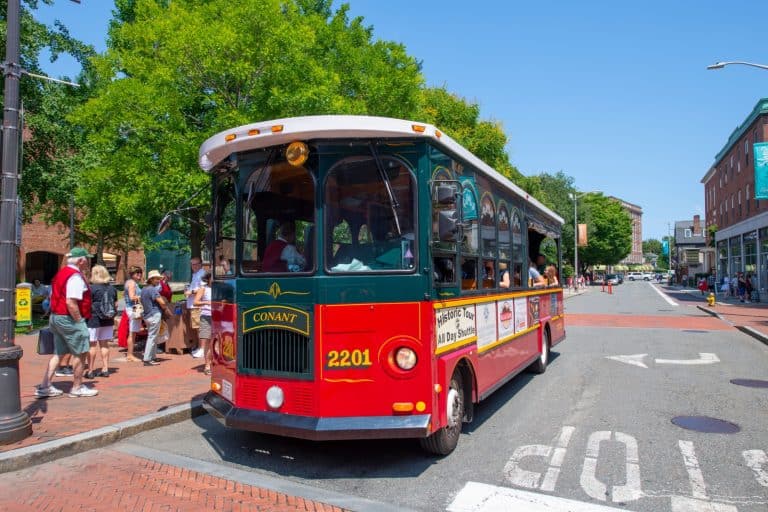

Back in colonial Massachusetts, there wasn’t just one Salem. There were two. The busy port on the coast was Salem Town & a farming community about five miles inland was Salem Village. Both places were legally tied together. However, they argued over money & religion, as well as who got the final say. The Salem witch trials happened during this rivalry. But why & how? Let’s find out more.
Featured Image Credit: Shutterstock.
Key takeaways
You’ll learn about:
- What caused endless arguments between the two places
- How neighbors signed sides on petitions
- How the rivalry led to the infamous Salem witch trials
- How the Village finally broke free
Two places called “Salem,” five miles apart
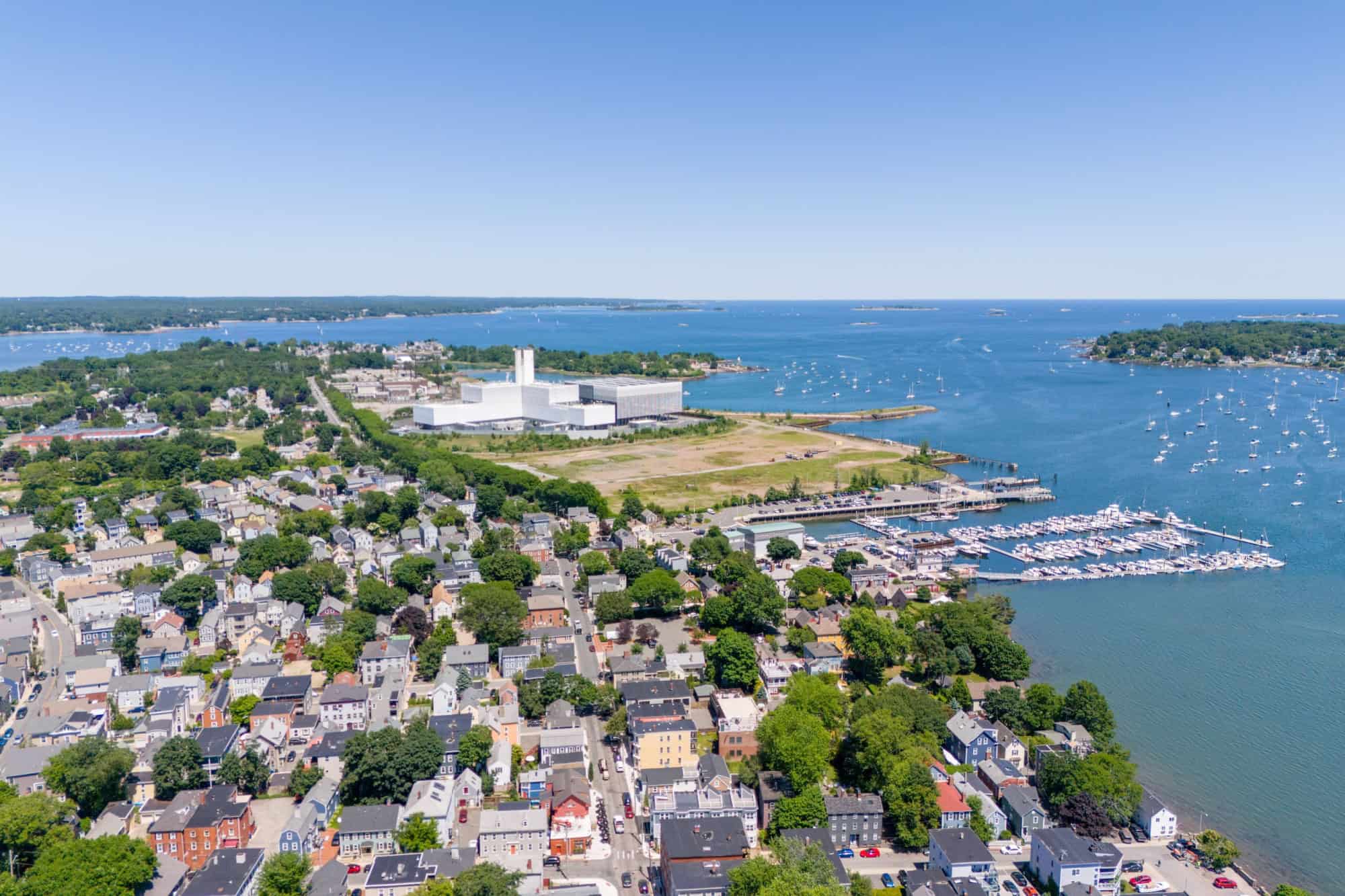
These were hardly two far-flung settlements on the map. The Town was close to the harbor and focused on trading & shipping, while the Village sat inland and had fields stretching out between woodlots. There were only about five miles between them. As such, they were close enough for frequent arguments, but far enough that the farmers felt overlooked.
Town meeting vs. village meeting
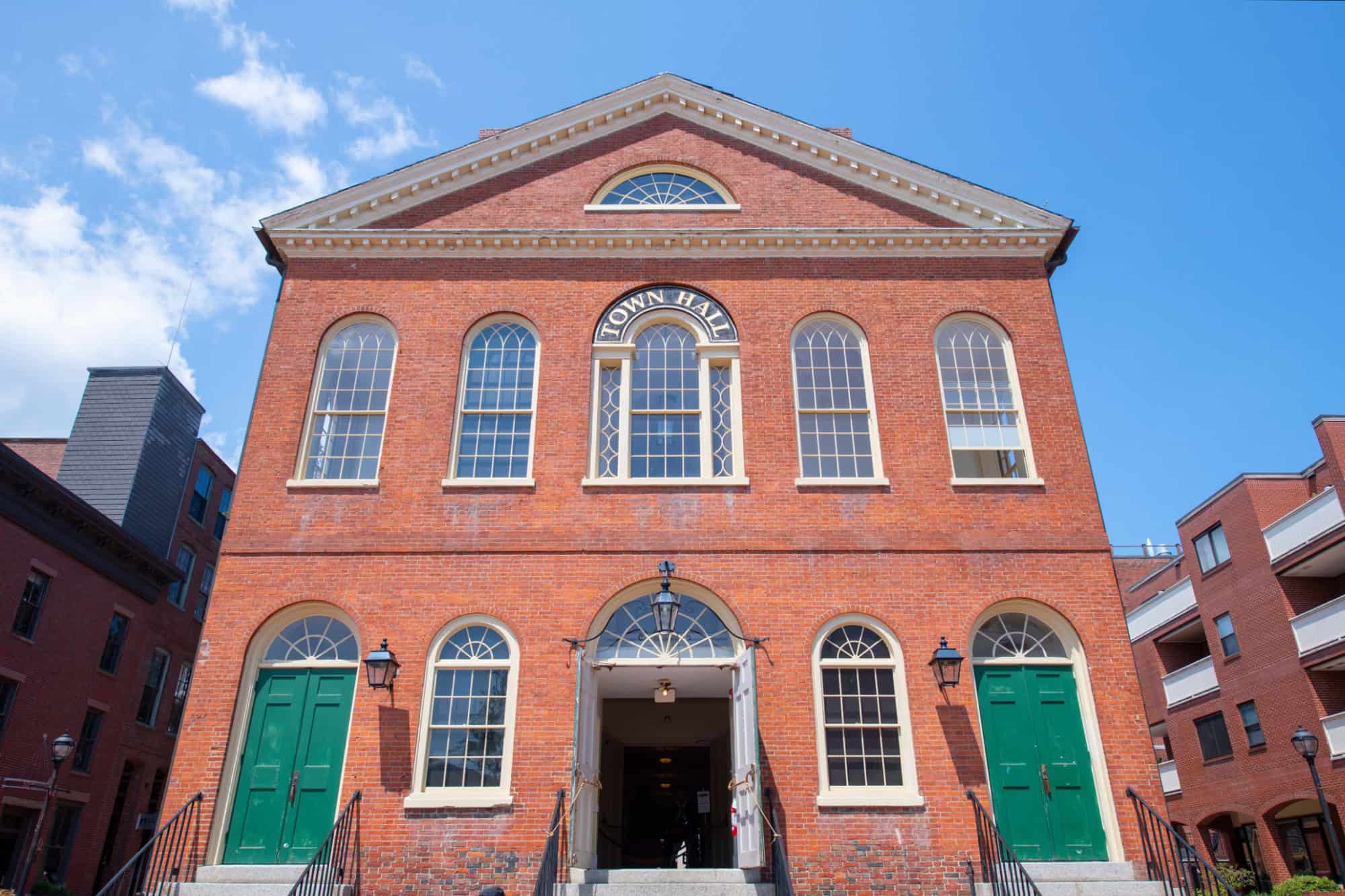
The Town’s annual meetings handled things like picking officials & setting local rules. As such, Salem Villagers had to make the trip into Salem Town to cast votes on matters that shaped their daily lives, even though most of their concerns were closer to home. Meanwhile, the Village held its own parish meetings, focused on church business & community upkeep.
Such a split system forced both sides to cooperate, even when they didn’t really want to. Farmers felt like they didn’t have an important say in Town decisions. At the same time, Town leaders weren’t thrilled about giving up control.
The Village wins parish status
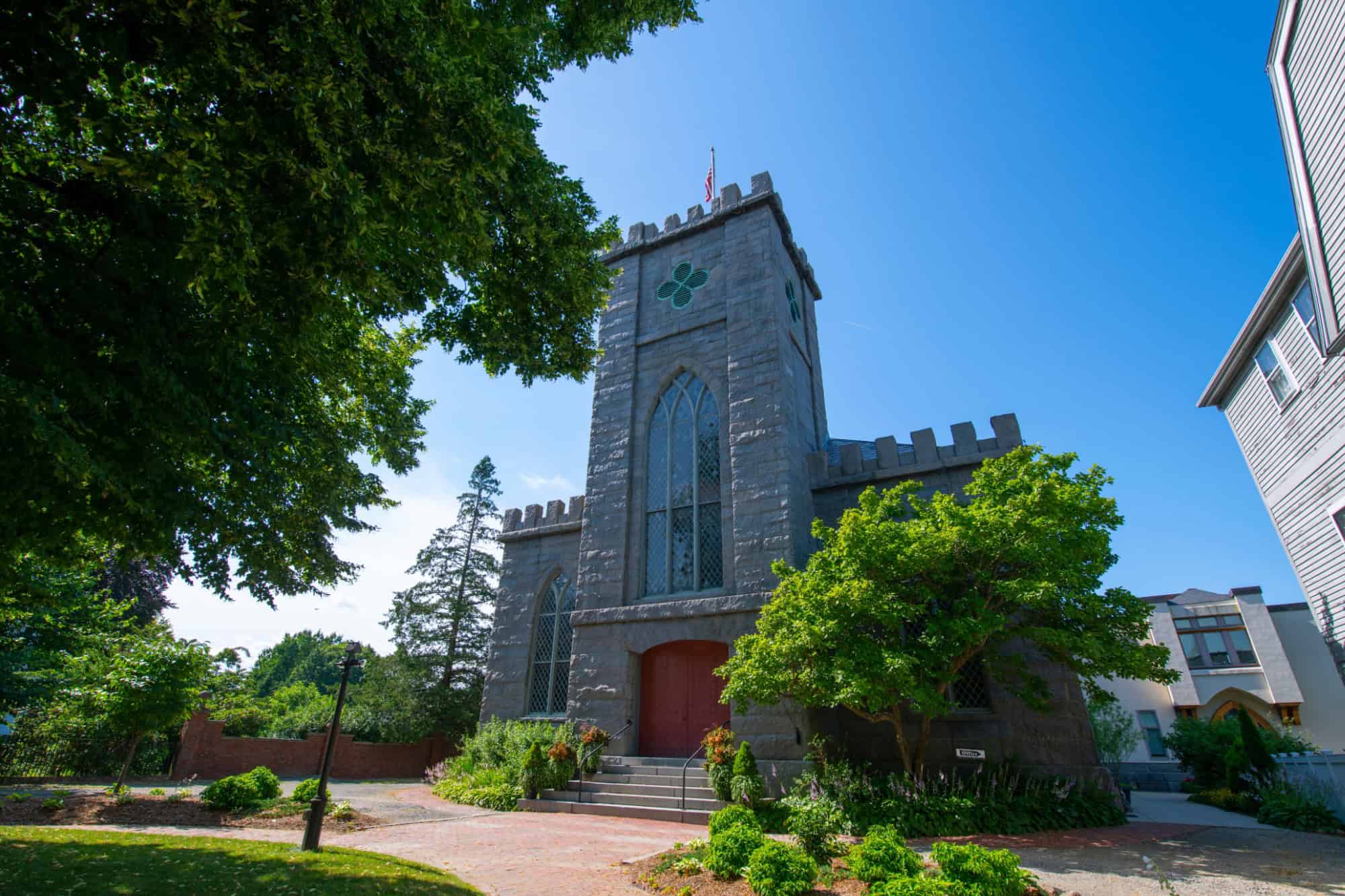
By the early 1670s, the walk to church in Salem Town had become rather tiring. The farmers wanted their own services, and they pushed for the right to collect taxes to support them. They wanted either full township status or a reduction in taxes.
But Town officials had already made their stance rather clear. In 1686, they recorded a statement laying out exactly where the Village stood in their eyes. They stated that all the land & privileges in question came from earlier Town grants. They didn’t see the Village as an equal.
In March 1672, they got it. They received the green light to hire a minister & build a meetinghouse. Best of all, they could finally take care of local religious needs on their own.
Organizing a church in the Village
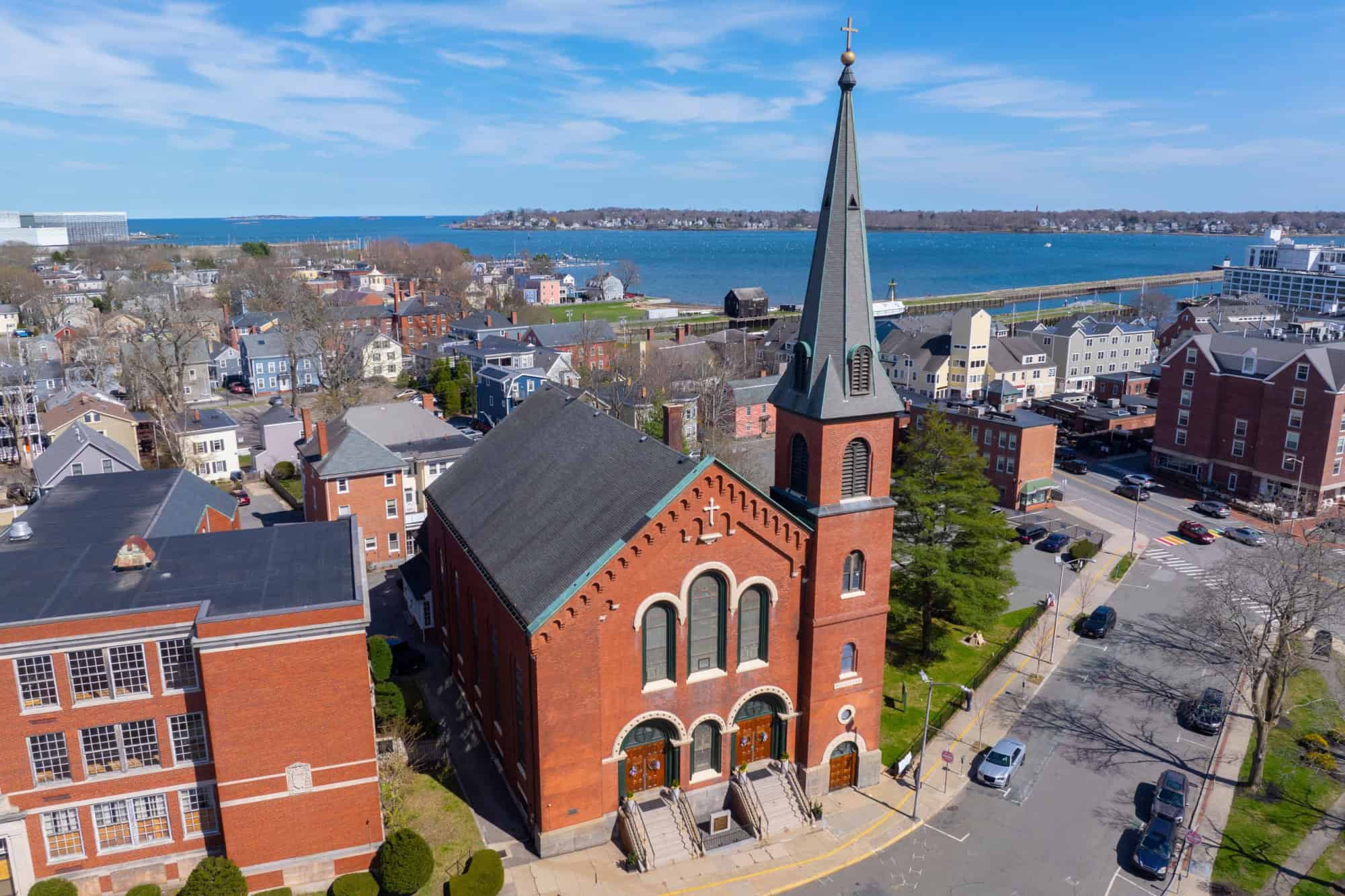
In 1689, the Village made it official and stopped acting like a half-independent parish. Twenty-seven people signed a covenant & created “The Church of Christ at Salem Village,” granting Salem Village its own church records. It didn’t need to rely on the Town’s records for membership or discipline.
With the new church came new fights. The Village soon fought over Parris’s pay packet, whether his salary should include winter firewood, and who technically owned the parsonage. These complaints dragged on for years & soured his relationship with half the parish.
Whose orders carried weight?
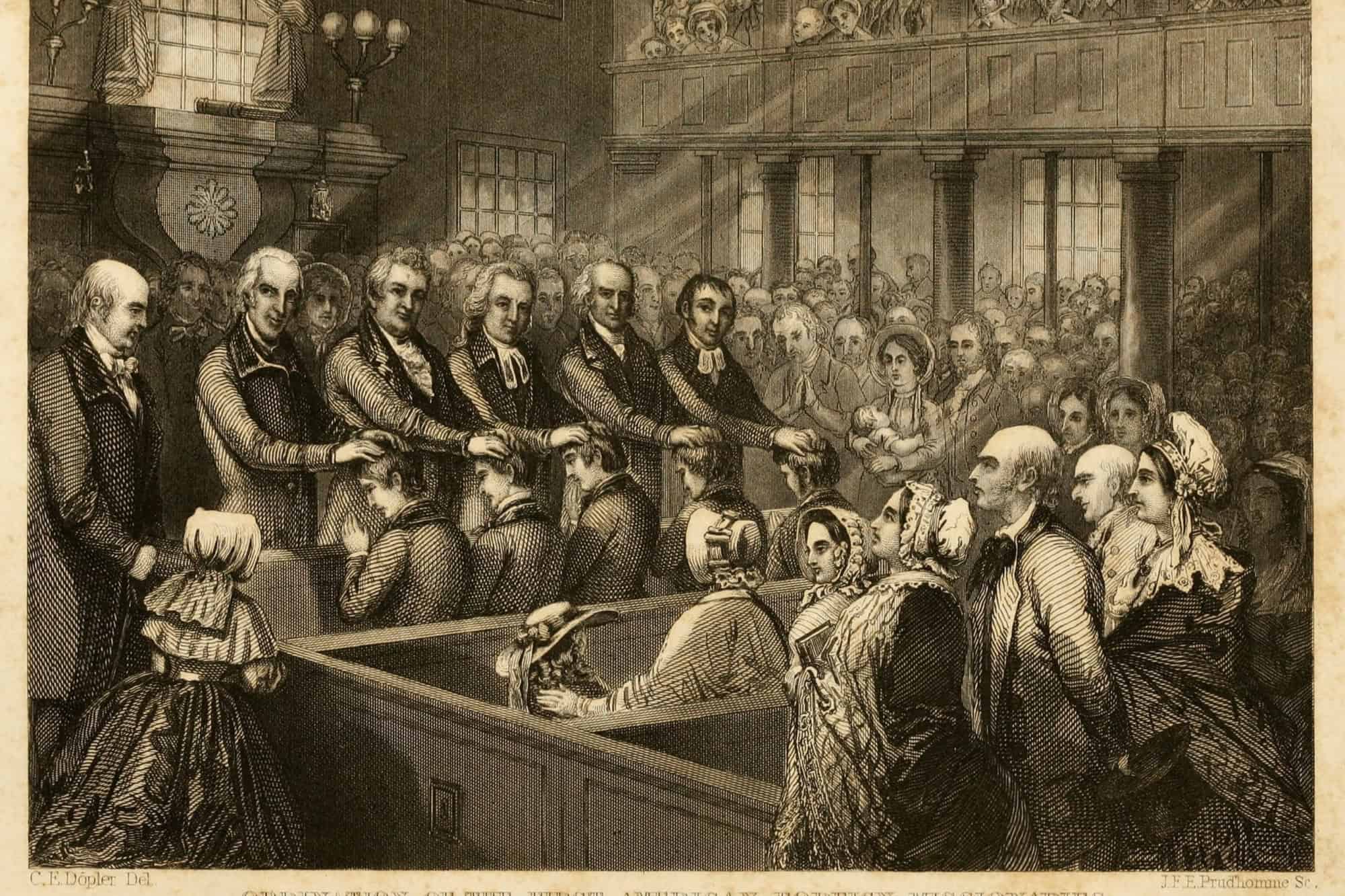
The local court soon stepped in to sort out the issues of Parris’s payments.
The Village hadn’t raised enough money & the General Sessions court sent out an order from Salem Town telling them exactly how to fix it. A constable from Salem was told to warn the Village to meet on a specific day and choose a new committee to handle the issue. It wasn’t really optional.
But that kind of outside intervention didn’t sit well with this community. They were already frustrated about the Town’s control, and their ruling showed just how much power Salem Town still held over Village affairs.
The parsonage and the cold winters

New England winters are rather harsh. Now imagine dealing with them when you have very little wood to burn. Unfortunately, Parris had to do exactly this after salary arrears prevented him from receiving firewood. This happened at the same time that neighbors fought over whether he owned the parsonage (the house given to him as the minister) outright or whether it belonged to the parish.
Those disputes in 1691–92 continued to brew under the surface. And other troubles were just about to explode.
The 1695 petitions

The quarrel spilled onto actual petitions in 1695. One group received 84 signatures asking for Parris’s removal, while another got 105 in his support. The town was clearly divided. The richest people in the Village voted mostly against Parris & the poorer people had a more even split. Clearly, the issues cut across class lines, rather than following a neat pattern.
Where accusations began vs. where trials happened

With all the conflict simmering, the witchcraft panic of 1692 began inside the Village, specifically in Reverend Parris’s home. A new committee had been formed and was hostile to Parris, so they still hadn’t made good on his salary. Fuel remained tight.
Within weeks, the minister’s troubles became even more scandalous, as his nine-year-old daughter Betty & his twelve-year-old niece Abigail started behaving in strange ways. Families connected to Parris’s supporters then went to the authorities and lodged formal complaints about someone intentionally sabotaging the girls.
On March 1, 1692, Magistrates John Hathorne & Jonathan Corwin questioned Tituba, Sarah Good & Sarah Osborne in the Village meetinghouse. Tituba eventually “confessed” that she had practiced witchcraft, and she named others. The Salem witch trials had truly begun. By the time they ended, 200 people had been accused of witchcraft, and 20 were executed.
Two names at last
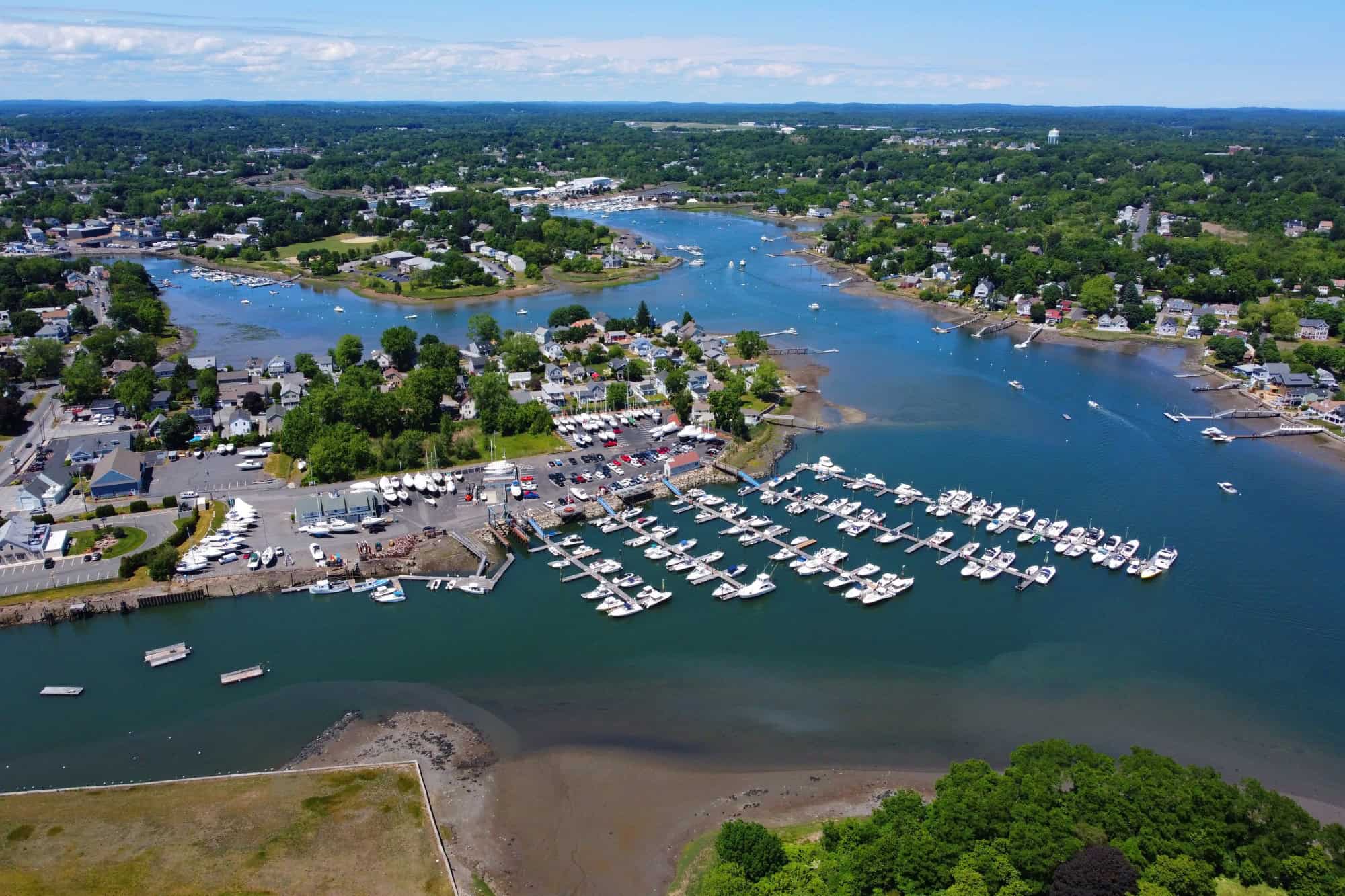
It took decades for the two towns to be properly split. But in 1752, Salem Village officially became its own town and was renamed Danvers. The name change made the split between the harbor-centered Town & the inland farming community more permanent. Salem Village was truly its own place.
Sources: Please see here for a complete listing of all sources that were consulted in the preparation of this article.
Like our content? Be sure to follow us.

