

There is the aging everyone talks about. And then there’s the aging you experience. The first one is full of happiness and freedom and “aging gracefully.” The other is more complicated: made up of a bunch of little unspoken truths, truths you can only understand when it happens to you, bit by bit or suddenly.
They are not always earth-shattering, but they are how you learn to walk through the world a little differently. Here are nine such quiet truths of aging most people know, but few speak aloud.
Featured Image Credit: Shutterstock.
Decision-making takes more out of you

You are standing in an aisle in the grocery store, frozen in indecision between two boxes of cereal. If this has ever happened to you, it may be hard to imagine how overwhelming it can feel to make even mundane choices for older adults.
Peters and colleagues (2011) describe how decision fatigue occurs with aging. In their review of the literature on age-related changes in decision-making, they found that older adults have a diminished capacity to make decisions quickly and with certainty.
For this reason, most older adults adopt the quiet strategy of relying on habits, and limiting their daily decisions to relatively trivial ones, so they can conserve their energy for the important things.
Internal signals grow harder to notice
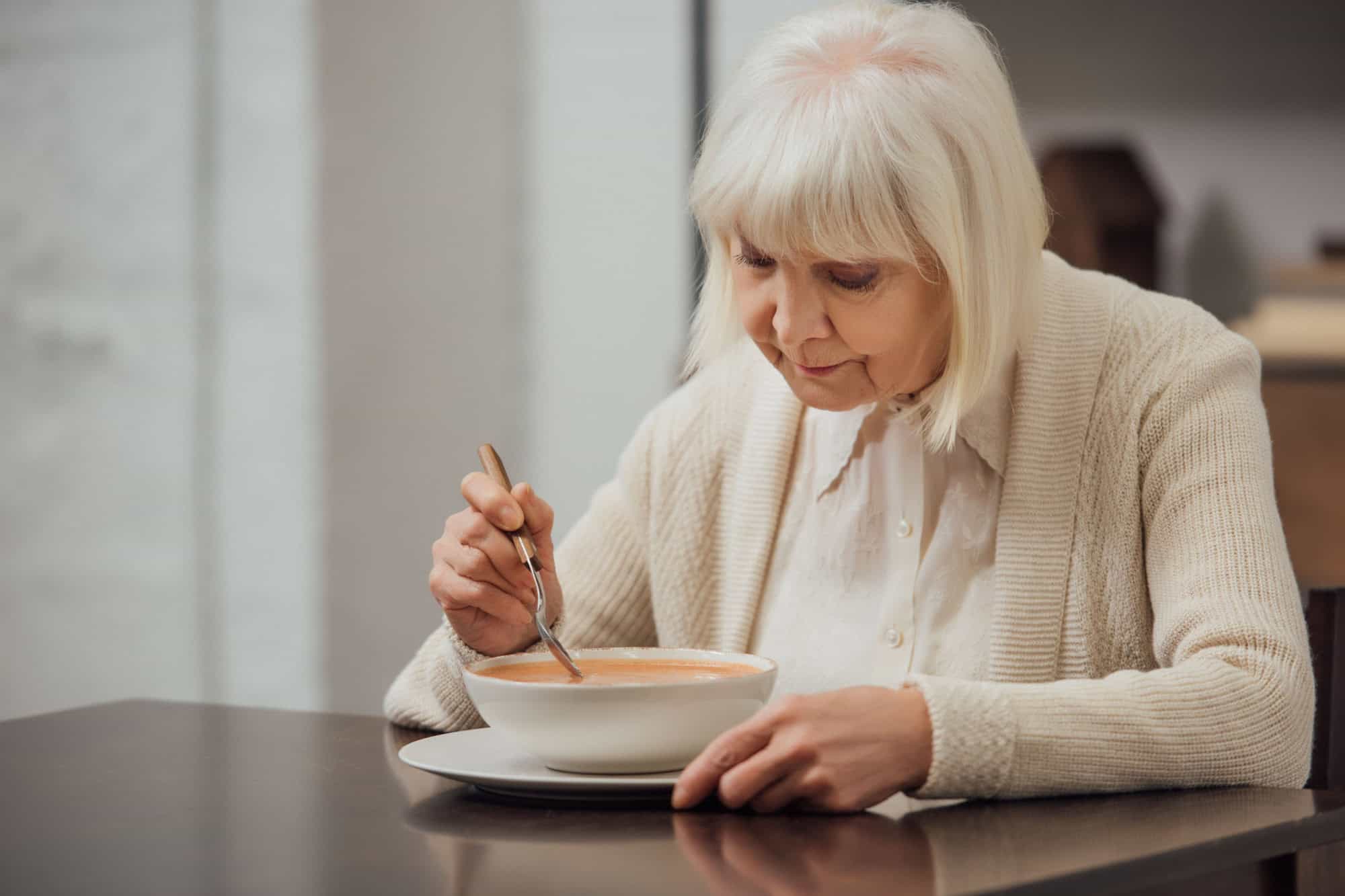
We like to think that we always know when our body needs something. But sometimes our bodies change as we age and these signals go unnoticed.
For example, Phillips et al. (1984) demonstrated that adults show significantly less thirst after a period of water deprivation, relative to younger adults. In this way, issues like dehydration or other medical conditions can worsen before being addressed, or be attributed to “just old age”.
Your nose and tongue quietly retire early

Older people sometimes add more salt or spice to food than they did before, even when they used to like milder flavors. Studies find loss of smell and taste can start much earlier than loss of vision or hearing.
The impact of this sensory change can lead to less appetite, cognitive changes, and higher dementia risk. This topic is not discussed much, but subtle changes quietly alter day-to-day life and the experience of meals.
Social gatherings drain faster than they once did

Mixing with others can be exhausting. Not only does the amount of energy we have to put into socializing vary across our lifespan, the nature of this energy also alters with age.
Hess and others (2012) discovered older adults are quicker to tire in large groups where the brain must take in multiple sources of conversation and visual information. While inactivity can be misinterpreted as disengagement it actually represents a realistic adaptation to limited social capacity.
The brain tilts toward positivity, not balance

I often feel that it is amazing how our views of the world change with age. As adults get older, they tend to recall more good memories and fewer bad ones.
Experts refer to this phenomenon as the “positivity effect.” This emphasis helps older adults maintain their emotional health and experience less stress. But it’s also a double-edged sword, because this positivity can lead to dangerous blind spots around issues like personal safety, finances, or health.
The silent epidemic: Aging pain

Think about going about your day with a dull ache in your back or creaky knees. Research indicates that seniors experience less sharp pain, but more chronic discomfort. These background pains rarely get mentioned, but they can quietly affect how much, or how easily, you can move or perform daily activities.
Masked emotions
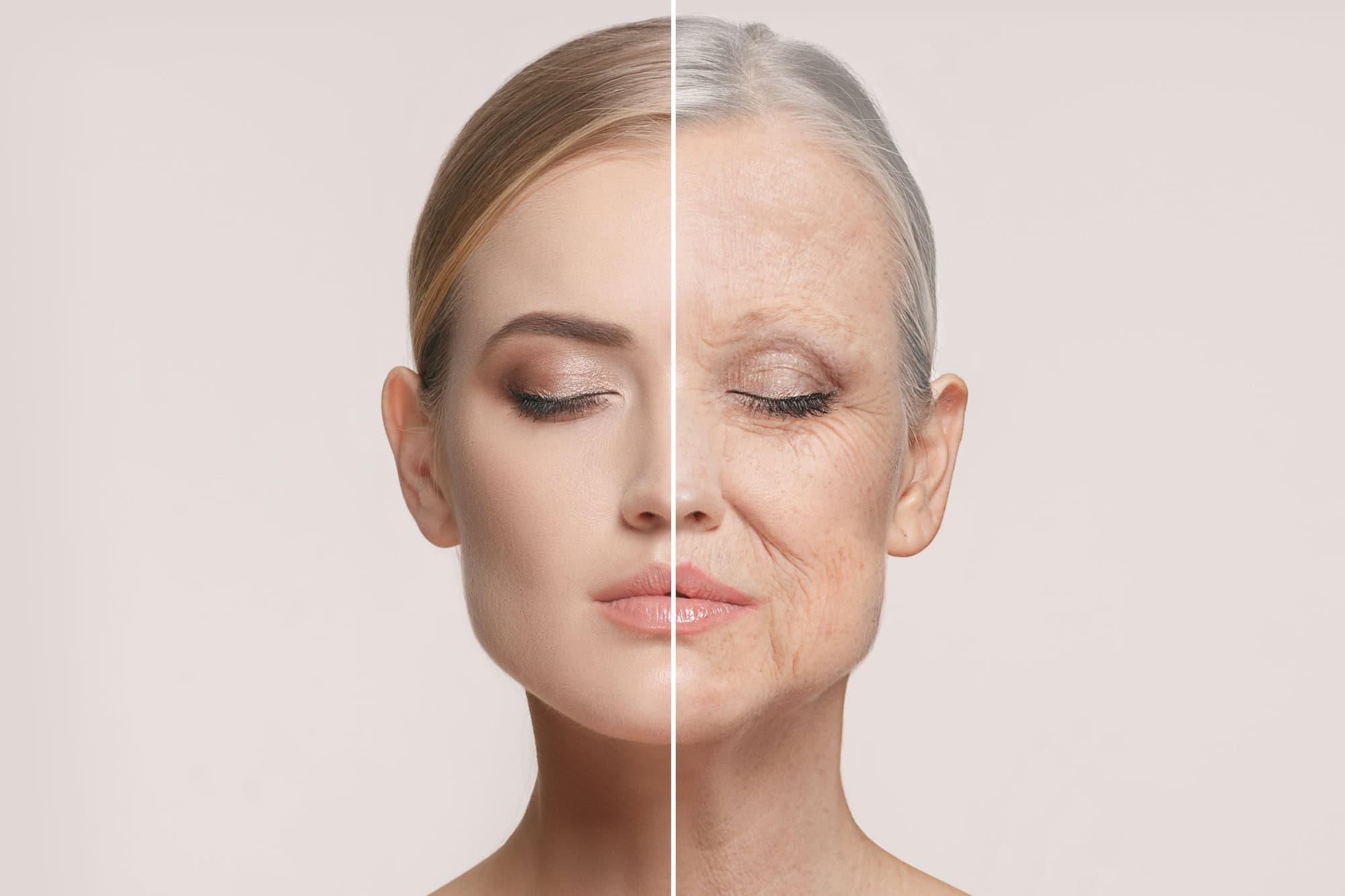
The face can be a less expressive canvas with age. Labuschagne et al. (2020) showed that older adults’ facial expressions in response to emotional films were muted. Older adults still feel as intensely, but fewer emotional cues can leave others at a loss. A silent chasm of miscommunication.
Aging and your microbiome

Your microbiome changes with age. There is less variety of bacteria in the gut. These changes can impact more than just digestion. Studies have found it can also weaken the immune system, cause inflammation, and impact mood and cognition.
Things take longer to “feel right”

As we age, there are slight shifts in the feel of our actions. Common tasks, such as folding laundry, setting a place, or pouring a beverage, take on the need for slight micro-adjustments to feel just right. It is not so much hesitance or doubt, but rather a process of micro-adjusting motor patterns and automatic routines. Studies of motor control and habit formation have shown that older individuals spend a longer period in fine-tuning these behaviors.
Sources: Please see here for a complete listing of all sources that were consulted in the preparation of this article.
Like our content? Be sure to follow us.


