

Most see retirement as the time to kick back & enjoy the fruits of your labor—with no alarm clocks and plenty of free time, it sounds perfect! But there are some hidden drawbacks that people don’t often mention and retirees often have to deal with challenges that aren’t part of the typical retirement dream. Let’s shed some light on them! Here are ten downsides of retirement that many people don’t want to talk about but they really should. Knowing about these will give you a better picture of what retirement will be like for you & how it actually is for your loved ones who are already in their ‘golden’ years.
Featured Image Credit: Strannik_Fox /Depositphotos.com.
Unexpected Pressure to Be Productive

Many retirees realize they have an unanticipated urge to stay productive all the time and after years of working, the sudden freedom actually feels unsettling. They might overcommit to hobbies or volunteer work just to fill up their calendars. Retirees don’t get to experience any of the relaxed pace they envisioned—instead, they end up feeling just as busy as before as they struggle to find the right balance between activity & relaxation.
Guilt Over Leisure Time

Likewise, lots of retirees feel guilty about having so much free time because slowing down feels uncomfortable after years of being busy & productive. They start to worry that they’re not contributing enough or that they’re wasting time—such guilt prevents them from fully enjoying their retirement. Instead, learning to embrace leisure without guilt becomes an important part of the transition.
Family Assuming Unlimited Availability

Another issue is that family members might assume you’re always free now so they may start asking for frequent favors, like babysitting grandchildren or helping with errands. Of course, spending time with family is wonderful—but requests pile up and interfere with your own plans for your golden years! Most retirees feel pulled in many directions and it’s hard for them to say no without feeling guilty.
Loss of Daily Structure Can Be Disorienting

Without a regular work schedule, the days start to blend together and the lack of routine makes many retirees feel adrift. They struggle to establish new habits & find meaningful activities to fill their time, which often leads to restlessness or even depression. Creating a new routine takes effort—and it’s not always easy to adjust to having so much free time on your hands.
Feeling Invisible in Society

Leaving the workforce usually creates feelings of social invisibility because without the job title or role that defined them, some retirees feel like they’ve lost their identity. They feel like other people overlook or underestimate their abilities because they no longer have a professional status with which to impress them. As such, even the simplest of social interactions becomes difficult and it’s a major emotional hurdle that’s hard to overcome.
Unanticipated Marital Struggles

Spending more time at home puts new strains on a marriage, as being together with your other half all day exposes issues that busy schedules used to hide. For example, any differences in routines or expectations may lead to conflicts—adjusting to this new situation requires a lot of patience & open communication. Most people don’t expect such a challenge when they’re thinking about retirement.
Overwhelm from Household Responsibilities

Spending more time at home makes you notice all the little things that need fixing, like the leaky faucet, the squeaky door & the overgrown garden—they all start demanding attention. Eventually, this makes retirees feel overwhelmed by endless chores, and they have to constantly work on home maintenance rather than relax. That vision of peaceful days at home seems rather far away!
Decline in Mental Sharpness
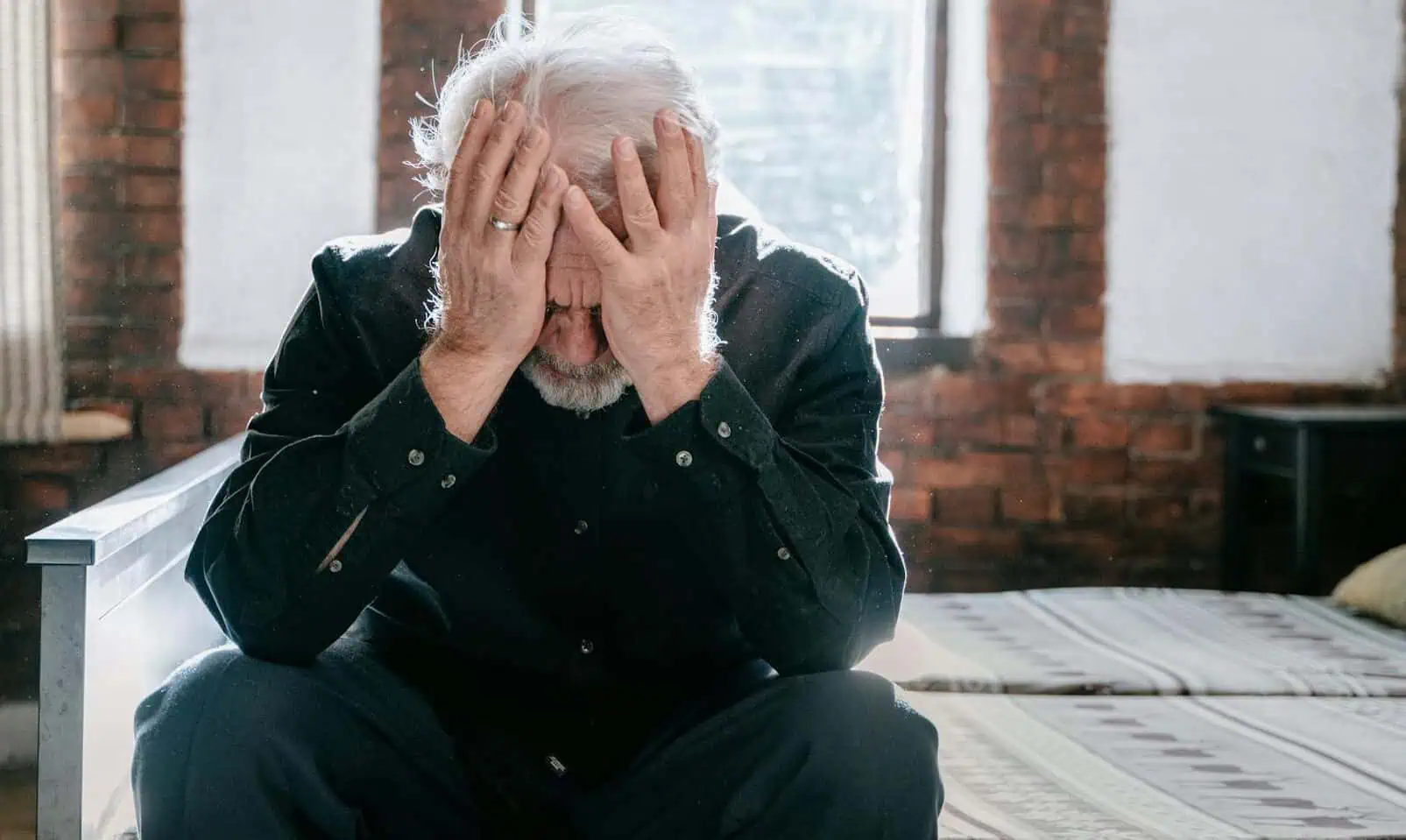
Work gives you daily challenges to deal with and without them, some people notice their minds don’t feel as sharp—the routines that kept their brains active are gone. It’s difficult to find replacements, as puzzles & books don’t necessarily fill the gap left by complicated tasks. Such a decline is quite frustrating and could even lead to some retirees being worried about cognitive health.
Unexpected Increase in Living Expenses

Spending more time at home means higher utility bills—more electricity, heating, or air conditioning usage, as well as increased spending on groceries. You’ll also likely spend more on entertainment since you have more free time and these added expenses are quite a surprise for many retirees. It’s even harder when they’re on a fixed income.
Forgotten Expertise and Skills

Over time, retirees feel that the skills & knowledge they built up are becoming useless since sudden changes in technology mean their hard-earned expertise is no longer in demand. Realizing this is quite disheartening and makes many retirees feel like they’re being left behind. But it’s not all bad news, as you can avoid this—learning or mentoring will keep your experience relevant & valued.
Disclaimer: This list is solely the author’s opinion based on research and publicly available information.
Like our content? Be sure to follow us on MSN.


