

Ah, Carmel-by-the-Sea. It’s a tiny town on California’s coast, and it once had such strict rules that an ice-cream cone became the center of a political debate. The city blocked a permit that would’ve let a shop hand out cones to customers on the street, leading to it being called “the town that banned ice cream.” Why did it try to ban this sweet treat & why did it fail? Here’s the truth.
Featured Image Credit: Shutterstock.
Key takeaways

You’ll learn about:
- The backstory on Carmel’s food rules
- Why a single permit denial in 1985 blew up
- What happened in the April 1986 election
- How the new mayor fixed things
- The misinformation from the press
Where this happened

Carmel-by-the-Sea is one square mile of shops & cottages, along with winding streets perched on the Pacific. The place is famous for micromanaging its look. There are no house numbers & very little signage. For a long time, there were tight limits on what downtown shops could serve.
Carmel used to have a standing rule that stopped people from walking around with food. The idea was to stop “take-out” joints from cluttering the sidewalks. Essentially, restaurants could serve you inside, but those who wanted to grab a cone & wander simply couldn’t.
The tipping point
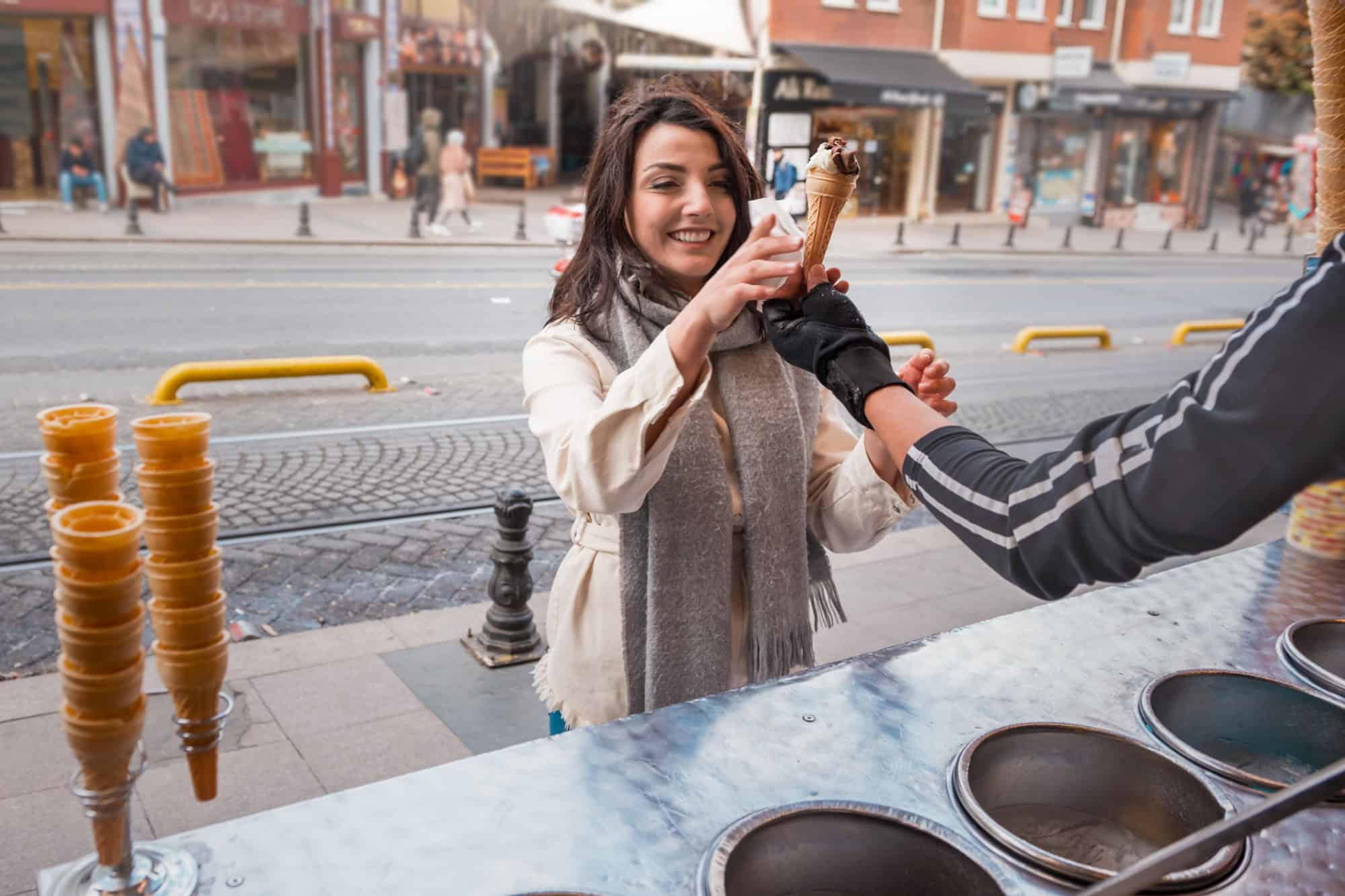
In 1985, a shop asked for permission to sell cones. City hall turned them down. They blamed sidewalk mess & water concerns during California’s drought years. That decision made numerous reporters write pieces claiming that Carmel was the place that “banned” ice cream.
To be clear, nobody passed a sign saying “Ice Cream Forbidden.” It was the anti-take-out rule that technically “banned” them. However, once that rule blocked the cone stand, it went national, and people claimed that “Carmel banned ice cream.” Local & national coverage in 1986 used that phrase. It stuck.
Where the rule applied & where it didn’t

These restrictions were only really pushed in the downtown district. That’s the dense grid of streets that has galleries & cafes, as well as lots of tourists. Any businesses operating outside didn’t have to play by the same rules.
Inside the district, though, the zoning code treated every storefront as though it had to fit a specific mold. Restaurants with seats were fine. Ice cream counters that served walk-ups weren’t. Really, the issue wasn’t the product, but rather, how the business fit into the city’s idea of what the downtown should look like.
Election day and a promise

The story didn’t die. On April 8, 1986, Clint Eastwood (yes, that Clint Eastwood) won the mayor’s race, with one of his campaign promises being that he would stop the city from being so rigid with small business permits. Locals liked the sound of change. As such, he was sworn in the following week, promising to loosen the reins, ice cream included.
One of his very first meetings as mayor centered on ice cream cones. In May 1986, Eastwood asked the council to change how Carmel handled food shops & the planning commission was told to revisit the rules that had blocked ice cream. It was clear from that moment on that the “ban” wasn’t going to last much longer.
What changed in law

Later in 1986, the city council passed Ordinance 86-10, which amended Title 17. The ordinance allowed space for what was literally called “eating places primarily selling frozen dessert products.” This line legally allowed shops to serve cones without tripping the old take-out restriction. It took less than a year to go from permit denial to cones back in hand.
Finally, ice cream was “legal” again.
Carmel added language that leaves zero doubt about cones. Now, the general site regulations state the eating ban on sidewalks doesn’t cover “food items customarily purchased for the purpose of eating while walking.” It literally says “ice cream cones.”
How limits on food businesses still shape downtown

Carmel keeps controlling its food storefronts even now. In Title 17.14, the commercial zoning rules restrict where restaurants & food shops can open, as well as how many can sit in one block. It also restricts how big they can be. In other words, even though ice cream is legal, many rules still control where food places go downtown. It’s not totally free.
Sources: Please see here for a complete listing of all sources that were consulted in the preparation of this article.
Like our content? Be sure to follow us.

