

You’re trying to order dinner, but there’s something about modern restaurants that makes the whole experience way too difficult, and boomers have had enough.
The scan-and-sit routine

Walk into a restaurant. There’s no menu. You’re told to simply ‘scan here,’ and that’s enough to ruin the mood. Dinner involves unlocking a phone. Then, you’ve got to connect to spotty WiFi and try not to open your camera roll in front of everyone.
Smartphone use is still lower among older adults. The tech setup frustrates older diners a lot more than other generations. No, they’re not refusing technology, but they do miss the days when a waiter gave them an actual menu.
The screen at the counter

Fast-food places had somebody there, ready to take your order. Not anymore. You get a tablet asking about your order and whether you’d like to donate to charity. Boomers hate it. They hate the pressure of everyone behind them, while they’re trying to work out how to use it.
Some systems bury basic options under six different screens. Some systems are entirely AI-run. It’s too much. You can’t exactly enjoy lunch when ordering a cheeseburger feels like you’re filing taxes at the DMV.
The missing billfold moment

So many restaurants don’t take cash anymore. It drives boomers crazy. They grew up carrying actual money for a reason, and cash works when the WiFi’s down. It works when the card reader freezes.
That’s why boomers find the whole credit-not-cash thing ridiculous. It’s also annoying. They don’t like being told their money’s basically useless when they’re in a restaurant.
The tiny little story

Modern restaurant menus have changed. They don’t say ‘roast chicken with potatoes.’ No, it’s become ‘heritage bird, smoked root vegetables, and charred shallot reduction.’
Half the words seem made-up. The other half is printed in a font so small that it’s impossible to read.
But it gets worse. Some new restaurants completely avoid saying ‘appetizers’ or ‘entrees.’ They’ll have their own terms. Boomers hate it. Really, they just want to know what they’re ordering without needing a dictionary.
The app before the table
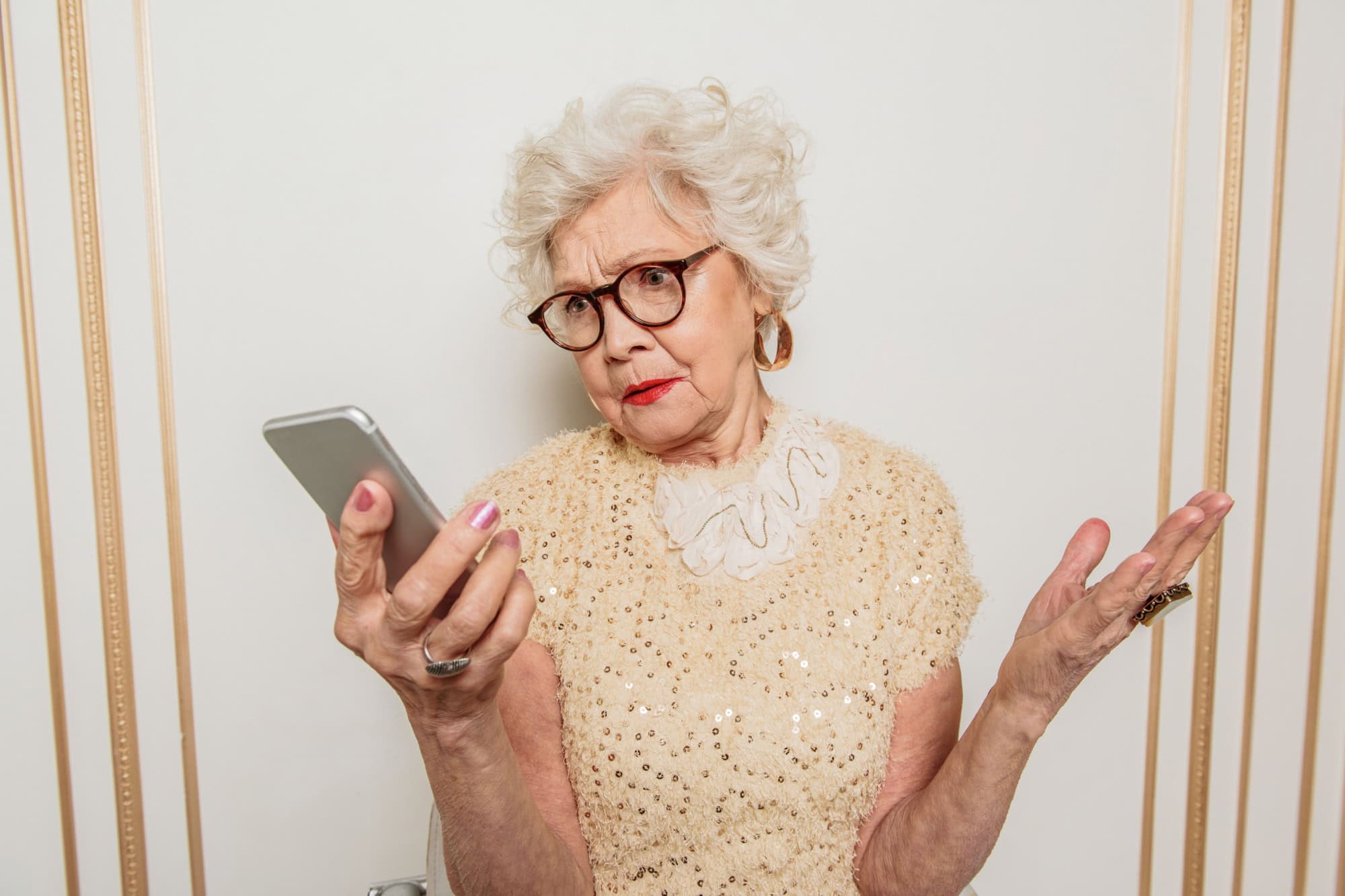
Many restaurants barely do normal reservations anymore. You’ve got to join a digital waitlist. You’ve got to download an app. Then, you wait for the message that your table will be ready. Boomers hate all that uncertainty.
Yes, they miss the days when they could call the restaurant directly to solve everything in two minutes. You can’t do that now. You’re left staring at a phone screen to get simple issues fixed. It’s so exhausting.
The clock on dinner
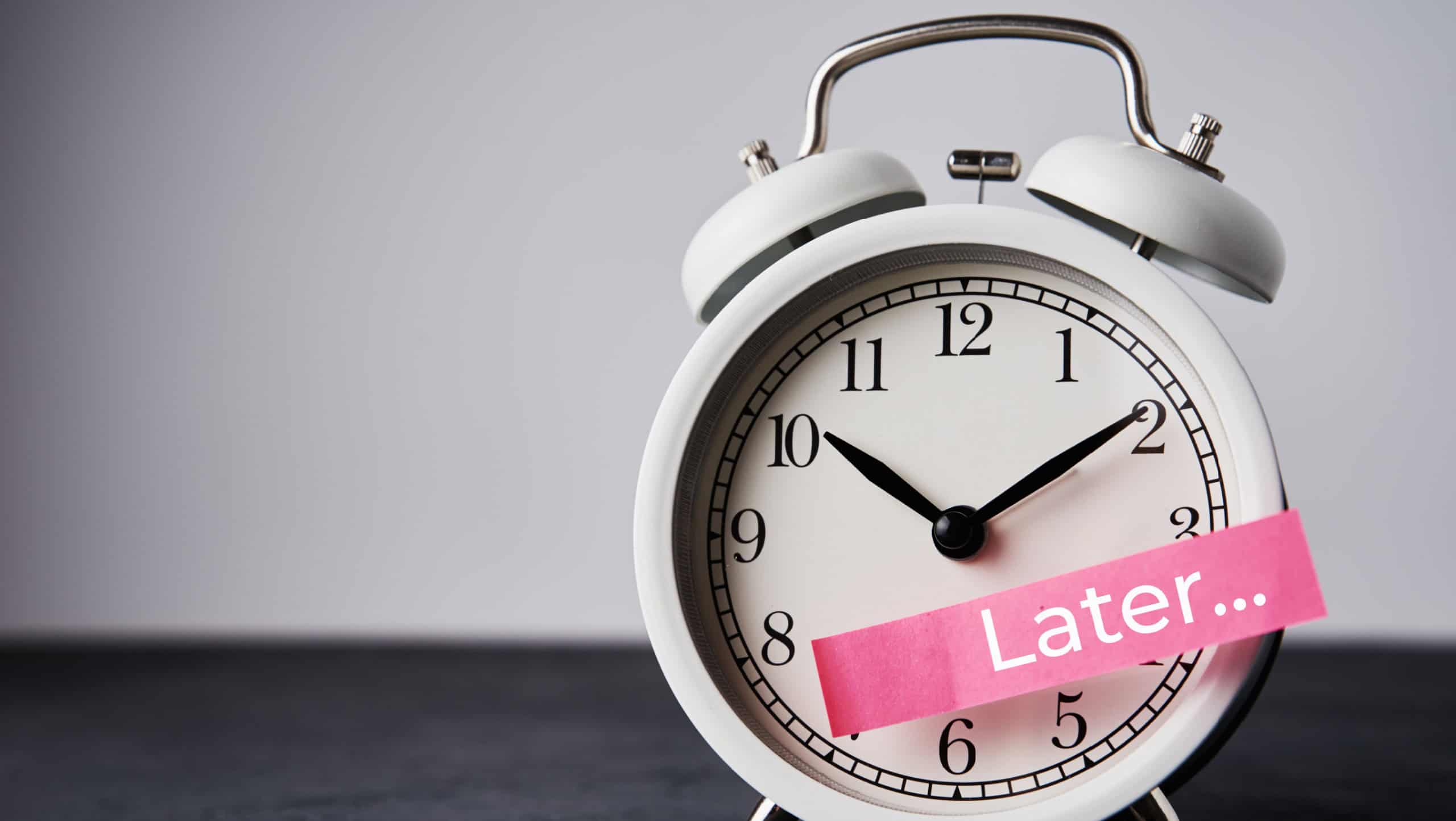
Expiration dates kill the mood pretty quickly. Unfortunately, many restaurants have 90-minute or two-hour seat limits, even more during busy periods. Boomers don’t get it. What happened to the days when restaurants encouraged people to stay? When they encouraged them to talk?
You can’t be slow anymore. Instead, there’s an invisible countdown hanging over the table from the moment that you arrive. It works financially, sure. But it’s no fun when you’re halfway through your meal, and a server keeps making eye contact.
The room that talks back
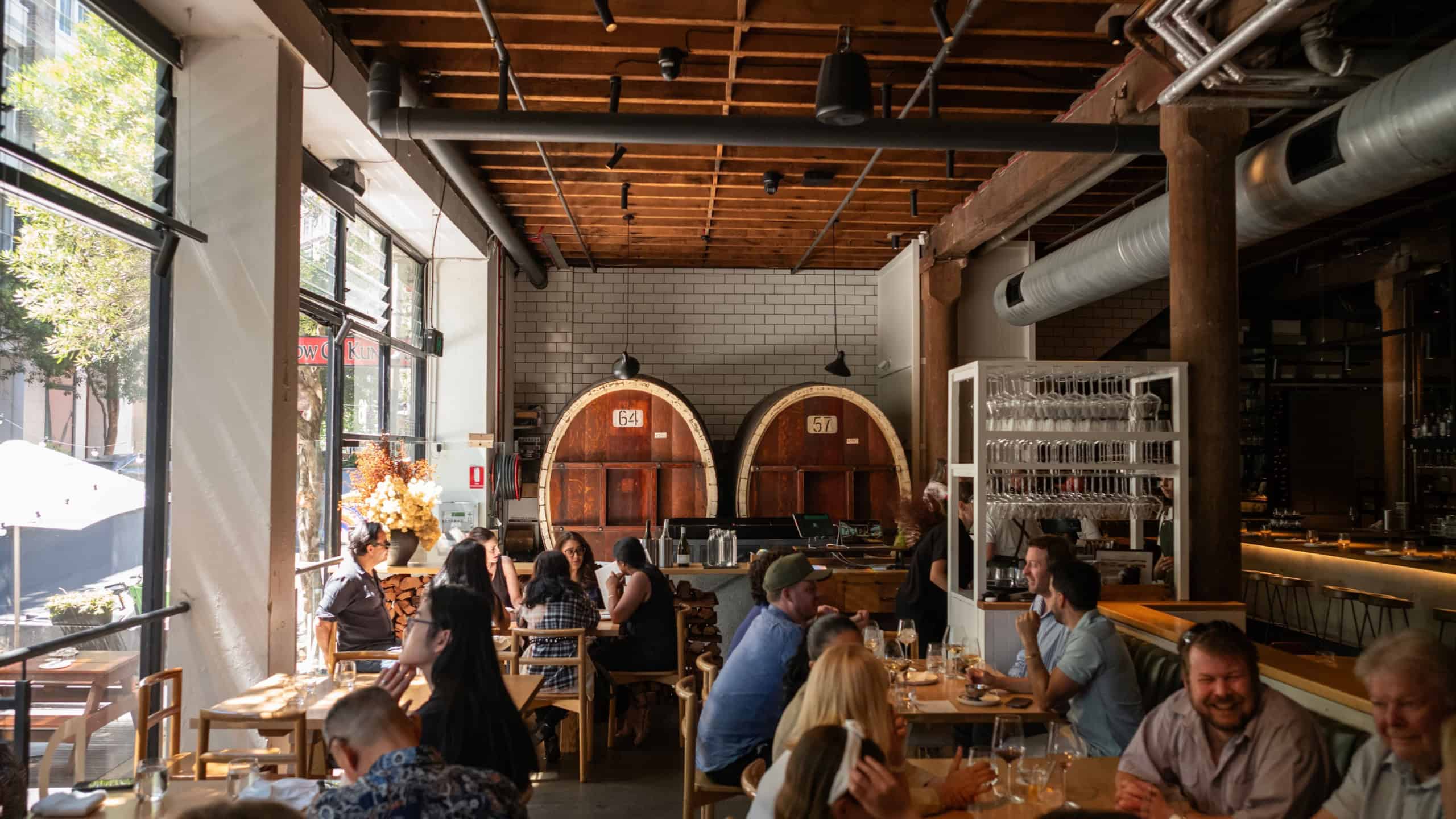
The food might be amazing. But a lot of modern restaurants are something else. They have exposed ceilings. They have concrete floors. They have open kitchens, blenders, music, and packed tables. All of these make it louder than boomers would like.
It’s too hard to have normal conversations. They remember when dinner once involved hearing the people at your table. But now, you’ve got to spend ninety dollars and pretend you understood half the conversation.
The seat with no mercy
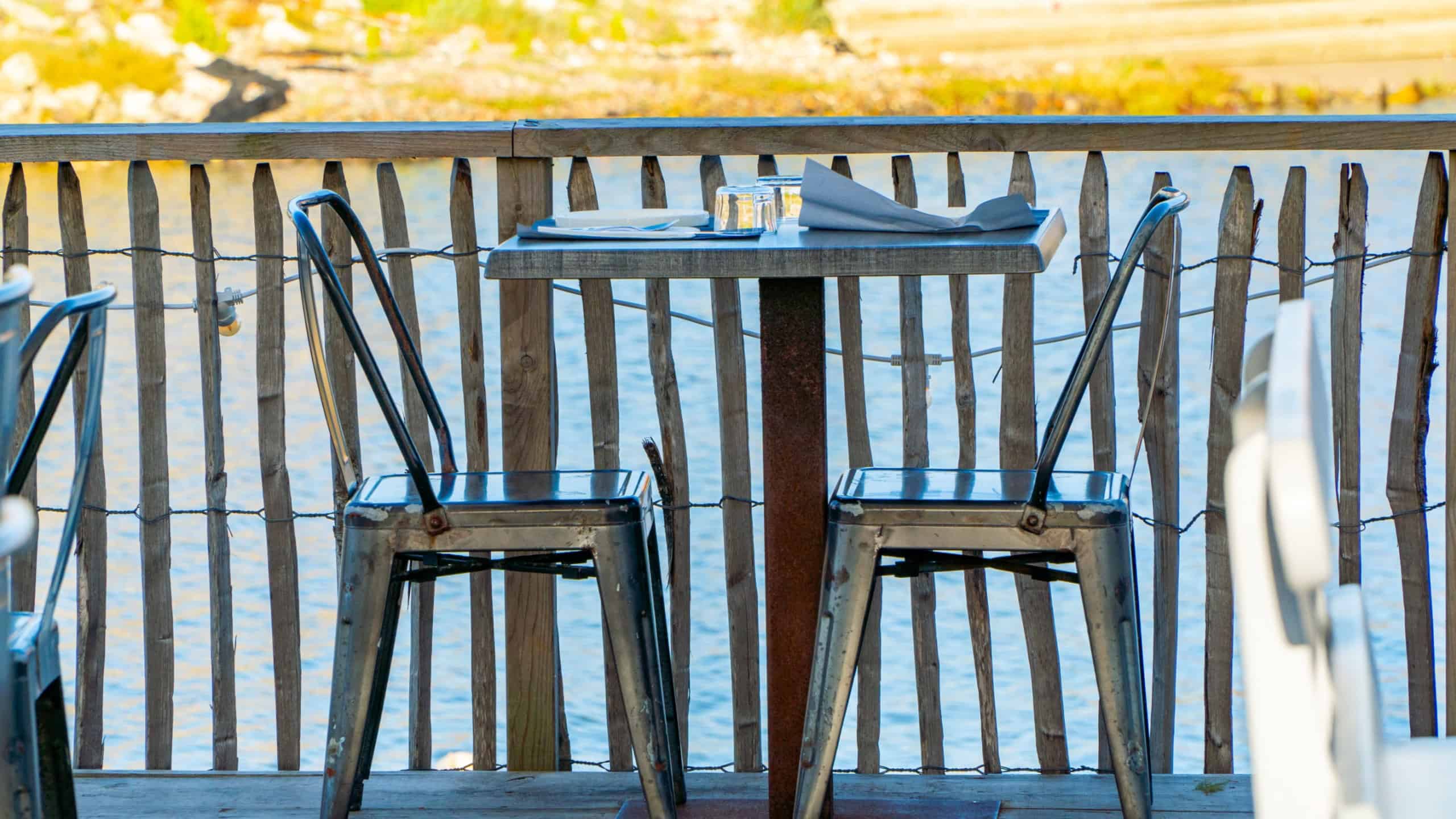
That’s not all. Many modern restaurants act like they’re committed to making the seats uncomfortable. They’ll have tiny wooden stools. They’ll have benches with no back support. Yes, the metal seats somehow feel slippery and hard, so you’re never quite relaxed.
Boomers can’t stand it. Really. Their comfort is way more important to them because their bodies have started complaining about everything. Why did restaurants remove the good chairs in the first place?
The receipt that vanishes
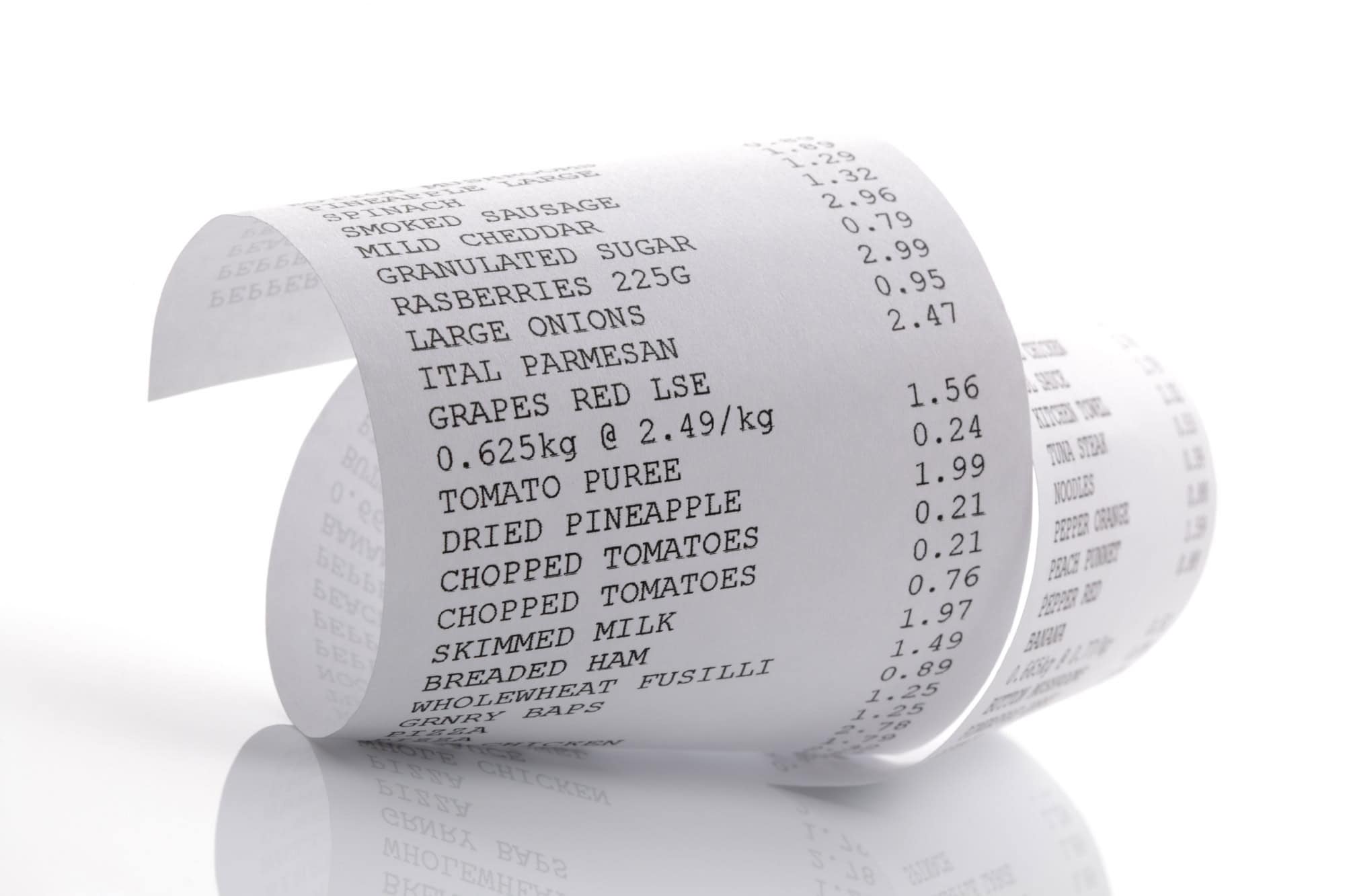
You can’t get your receipts easily anymore. They’ve got to be emailed to you. They’ve got to be texted. It might sound harmless, but then you end up needing the receipt later and can’t find it anywhere. Boomers prefer how immediate paper is.
Digital receipts? No, they disappear into crowded inboxes, and they’re practically impossible to find. Boomers spent decades getting a physical printed slip. Today, the whole process seems way too unnecessary, and boomers wish they could go back.
The plate with a photo plan

The food arrives. But it looks like it needs its own photoshoot before anyone’s allowed to eat it. Trendy places are trying to make it look good. It’s enough to make people take pictures while the food gets cold.
Meanwhile, older diners are sitting waiting. They hate paying twenty-eight dollars for a burger that comes with four fries and a steak knife. The truth is, the meal feels performative. It’s not relaxing.
The restaurant with no phone

Answering the phone is beneath some restaurants. Sure, you could call during business hours. But you’ll hear nothing. The restaurant will tell you to message them on Instagram for the fastest response because, apparently, answering the phone is beneath them.
Boomers have to scroll through photos. They’ve got to see birthday selfies. All of that, only to find out whether the restaurant takes reservations after 7 p.m. What happened to being able to make a simple phone call?
The almost-human answer
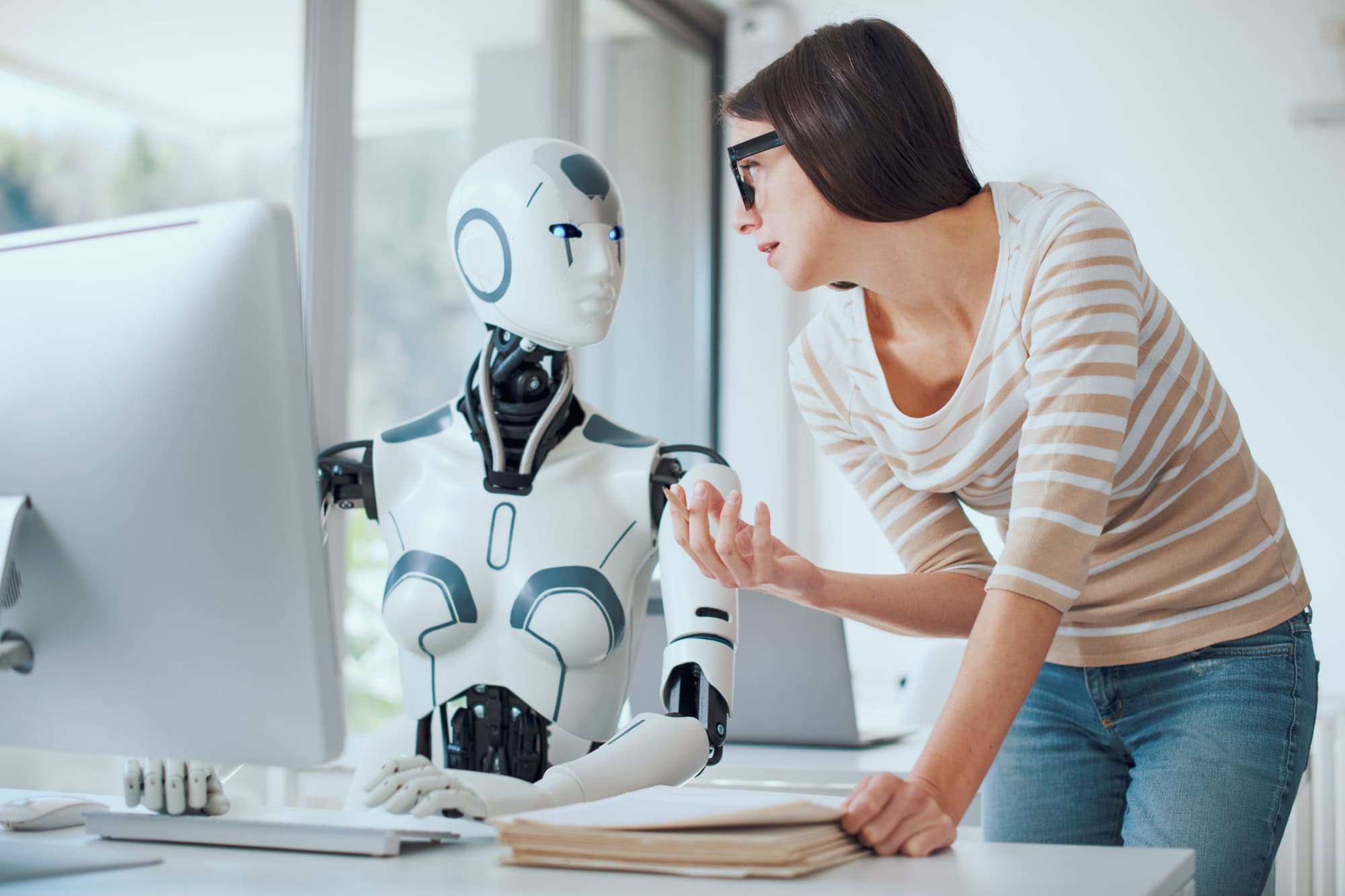
It says you’re talking to customer service. But really, it doesn’t feel human at all because you’re getting chatbot replies that seem way too robotic. They answer everything except the question you’re asking.
It’ll take you forever to reach a human employee. That’s if you ever get to them at all. Older diners are expecting restaurants to sound warm and personal. They don’t want something so cold.
Sources: Please see here for a complete listing of all sources that were consulted in the preparation of this article.


