

While some habits might seem perfectly harmless at home, doing them overseas could get you quite a few strange looks and perhaps even a little social trouble, too.
Being extremely loud on public transportation

Chatting is one thing. Making an entire train carriage part of your vacation is another. A lot of Americans can be louder than they realize, especially when they’re excited. It doesn’t always have to be a bad thing, but you should be aware of the customs in other countries.
For example, public transportation is usually much quieter in places like Japan. You’re not even supposed to make phone calls on a train. Sharing a story might seem friendly to you, yes, but other people don’t always see it that way. They might think you’re being rude.
Turning poverty into social-media content

People do it with good intentions. They take photos or videos of things like a cracked wall and a barefoot child, claiming that it’s a ‘humbling travel moment.’ They’re trying to make people online realize what life is like for people in other countries. But that’s where things get uncomfortable.
Poverty isn’t scenery, and strangers shouldn’t be your props for a grateful caption. It doesn’t matter that you’re trying to do a good thing, because really, you’re taking away people’s dignity when you share images of them without permission. You’re not in a zoo, after all.
Walking into a shop and immediately asking for something

French stores work differently from American ones. So differently, in fact, that marching straight to the counter and asking for a size or price is quite rude. People in France expect you to say ‘Bonjour’ first, before anything else happens.
It might not seem like a big deal, but skipping that two-second greeting makes you seem impolite. It’s like you don’t see the person behind the counter as a real person. You don’t have to speak perfect French or anything, just take the time to say one word.
Telling native English speakers that their English is good

You might think you’re being friendly when you say, ‘Your English is really good’ to someone abroad. In most instances, sure, you are. But then you say it to someone from Jamaica, Singapore, or another place where English is a native language.
Then it comes off rude, like you’re surprised that they can speak their own language. Newsflash, English is a normal language in quite a few countries around the world. The only difference is usually the accent, and that’s not something you need to get into as a tourist.
Forcing American racial categories onto local people

Some people expect American racial labels to apply across the world. They don’t. No, a person in Brazil or South Africa may not describe their identity in the same way as Americans do. You might think of them as Black. They might think of themselves as just Brazilian or South African.
There’s really no reason why you should be pressing them to follow American rules about race. You’re not in America. You’re better off simply asking, ‘What do you call yourself?’ and leaving it at that. Nothing more, nothing less.
Calling dollars ‘real money’
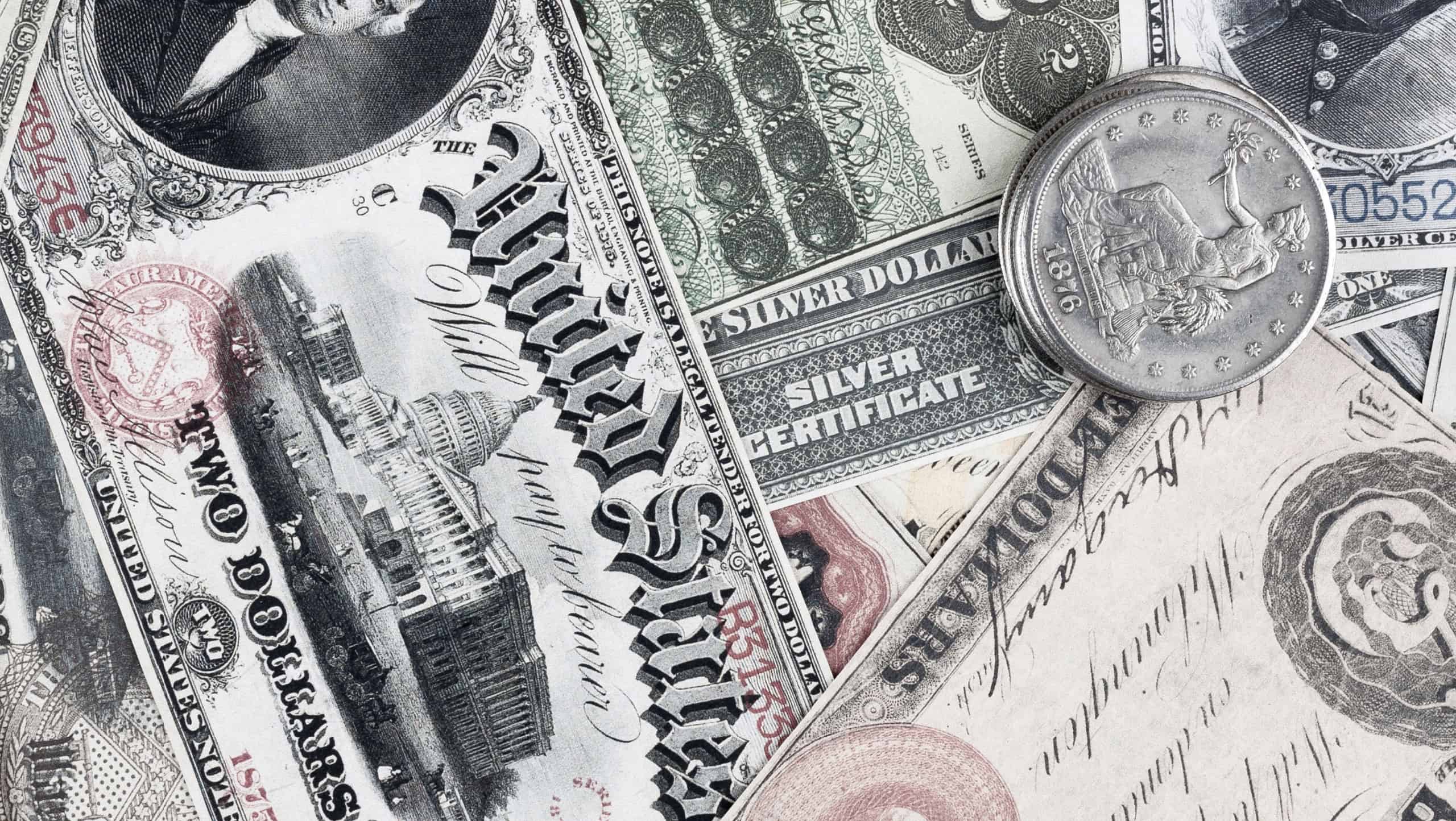
Sure, calling pesos and pounds ‘funny money’ might make you laugh. Doesn’t mean the person earning it finds it funny. Their local currency pays their rent and helps them buy food, so calling it ‘funny money’ is just rude. It’s the same when you say American dollars are ‘real money.’
You’re making it seem like everything else is fake or somehow second-rate, and that’s totally not fair. They’re not exactly using Monopoly cash. Treat their money for what it is, real money, and leave the comments about how ‘funny’ it is to yourself.
Calling normal local rules ‘communist’

A shop closes early and a city charges for plastic bags. That’s when some Americans start making jokes about it, saying how it’s ‘communist’ to have those kinds of rules. It doesn’t come off in such a funny way in countries with a real history of communist rule and censorship.
The truth is, you shouldn’t use ‘communism’ as a catch-all for any rule that gets in the way of a vacation. Sometimes rules are just that, rules. They might be annoying, they might limit you from doing what you want, but that doesn’t mean you’re suddenly in the Soviet Union.
Treating the U.S. passport like a status symbol
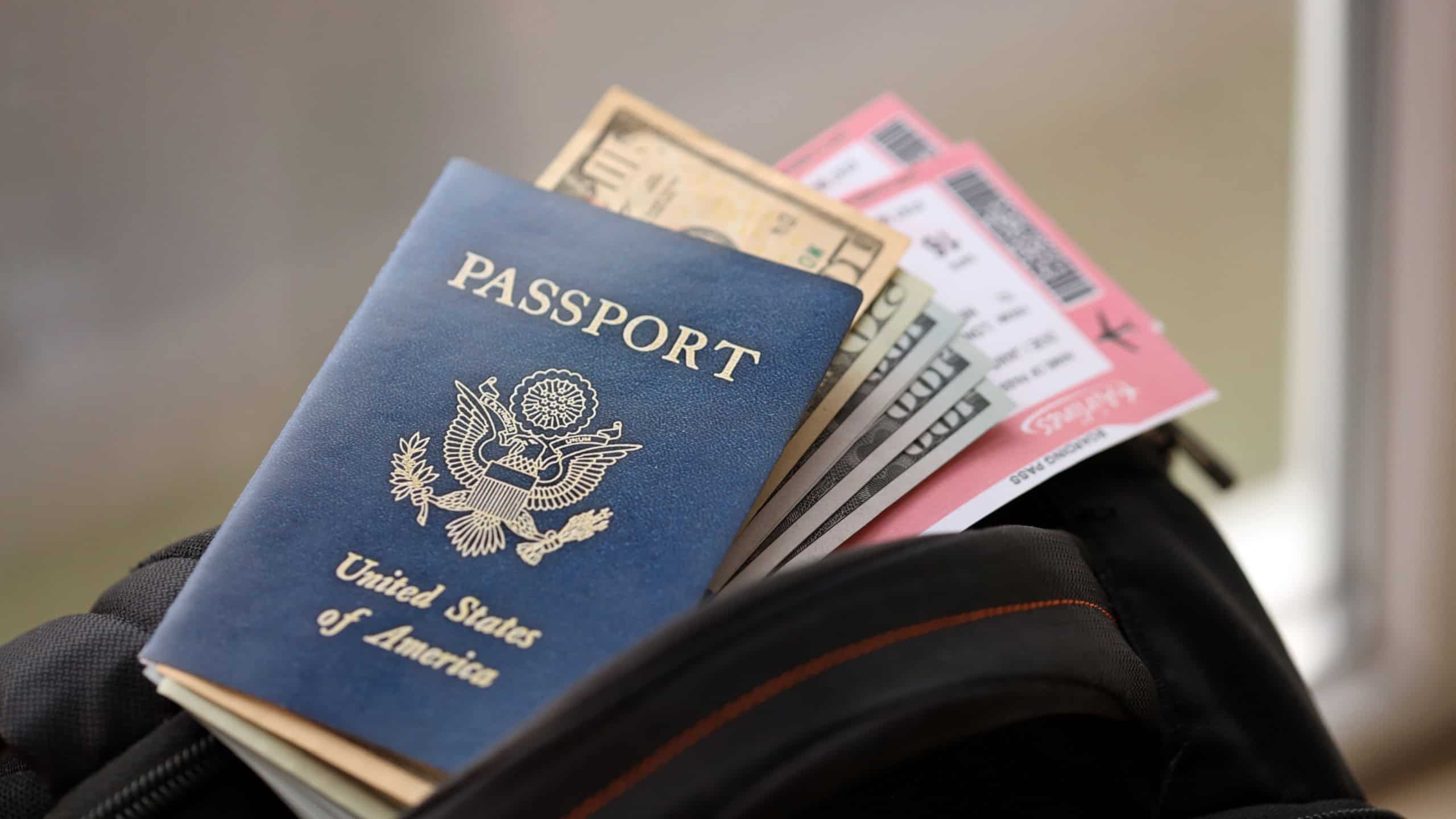
Let’s face it, a passport is a travel document, not a personality trait. A few Americans seem to forget that. They’ll mention how powerful it is when they’re abroad and make some comment about how border officers usually wave them through. Sure.
All they’re really doing is bragging, at the end of the day. It doesn’t take long for that sort of behavior to get annoying. Plus, it’s not like having the luck of being an American citizen is an achievement or anything, not unless you’ve worked hard to become one.
Saying ‘back in the States…’

Comparing countries is completely normal and not usually a problem. But bringing up how different things are ‘back in the States’ every few minutes gets exhausting. You’re making it seem like the local version needs fixing, like it’s not good enough.
Things are different in other countries, and that’s perfectly fine. Not every country is trying to copy America, and not every country should, either. It’s okay for them to be the way that they are, even if you disagree with it.
Leaving U.S. dollars as a tip

It’s easy to think you’re being generous by leaving a big tip. Maybe you are. But be careful with what currency you’re using because tipping only with American dollars can come off as rude. Servers can’t exactly spend those bills at the store or use them freely like we can here.
They’ll have to exchange them. Small notes are worse because they’re usually not worth the trouble or fees. True, the rules are sometimes different in tourist areas, but you’re better off sticking with local currency. Money’s better when, you know, the person can actually use it.
Sources: Please see here for a complete listing of all sources that were consulted in the preparation of this article.

