Quite a few famous historical names have a nicer reputation in the schoolbooks than in real-life, and you might be surprised by just how dark their stories are.
A rough early chapter

People know Gandhi for helping to liberate India, and yes, that’s true. But it’s his years in South Africa that get ignored. He said some pretty nasty things about Black Africans during the 1890s and early 1900s, including using racist slurs to talk about them.
There were even claims that he supported segregation against Black Africans and believed them to be less civilized than other races. Kind of puts a damper on his saintly image, doesn’t it?
The memo on the table
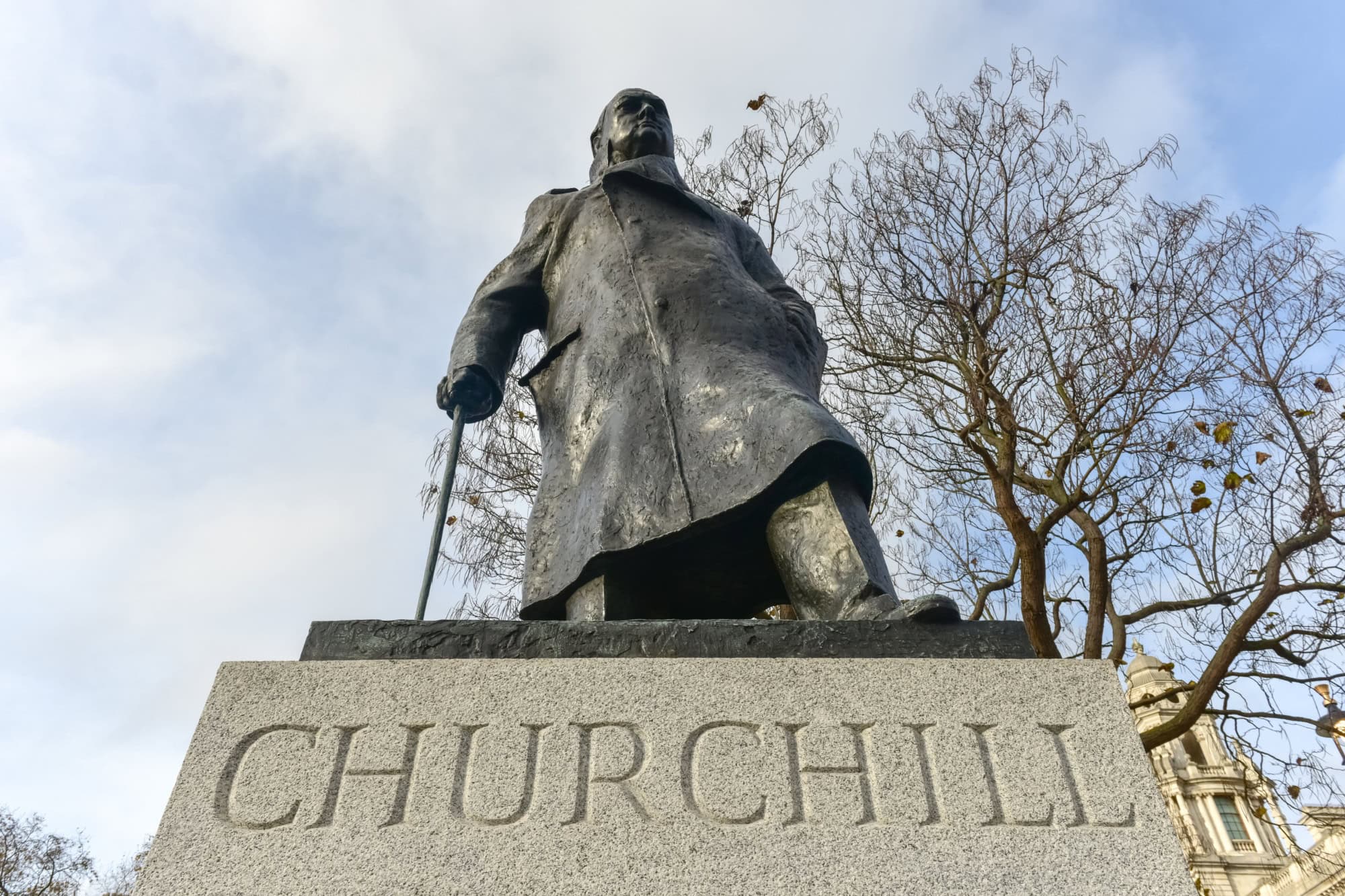
There’s no denying that Winston Churchill was a great man for the UK during World War II. Unfortunately, his comments about ‘uncivilized tribes’ weren’t so great.
He said he was ‘strongly in favor’ of using poisoned gas against them, although it wasn’t killer gas. It was ‘only’ gas that would terrify and, you know, disable them.
It gets worse because some historians also claim that Churchill supported mentally ill people being sterilized, and that he contributed to the 1943 Bengal famine. The famine killed almost 3 million Indians.
Care with a catch
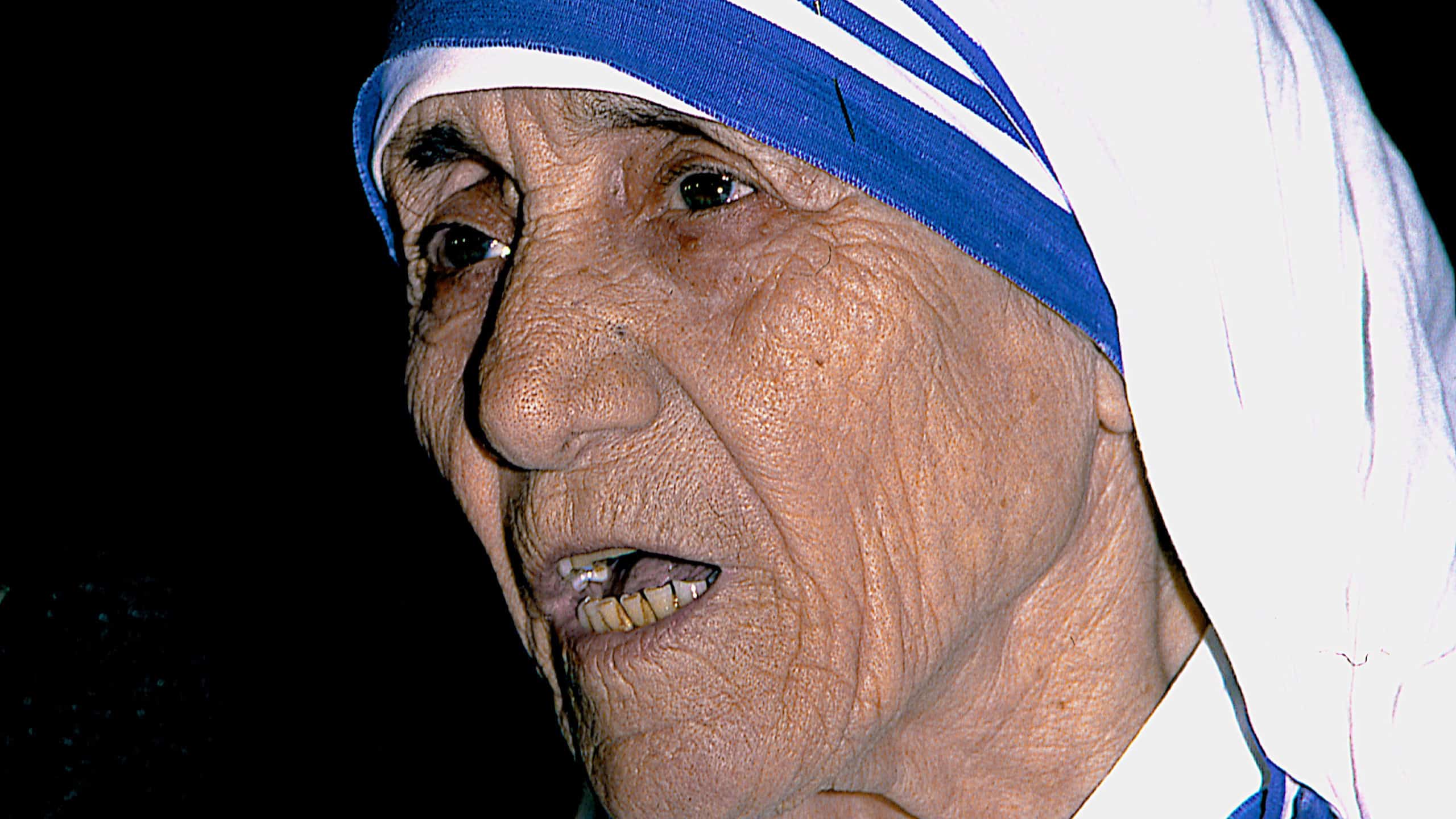
Mother Teresa. She could do no wrong, right? No. Doctors visited places where she claimed to be helping people, and it turns out that the patients weren’t exactly being cared for. The doctors found patients being treated with very little medical care or even proper diagnoses.
Don’t even get us started on the pain relief. It was practically non-existent because Mother Teresa apparently believed suffering was good for people. There were also claims that she wasn’t the best with the hospital finances, either, so overall, not a great woman.
A deal in occupied Paris
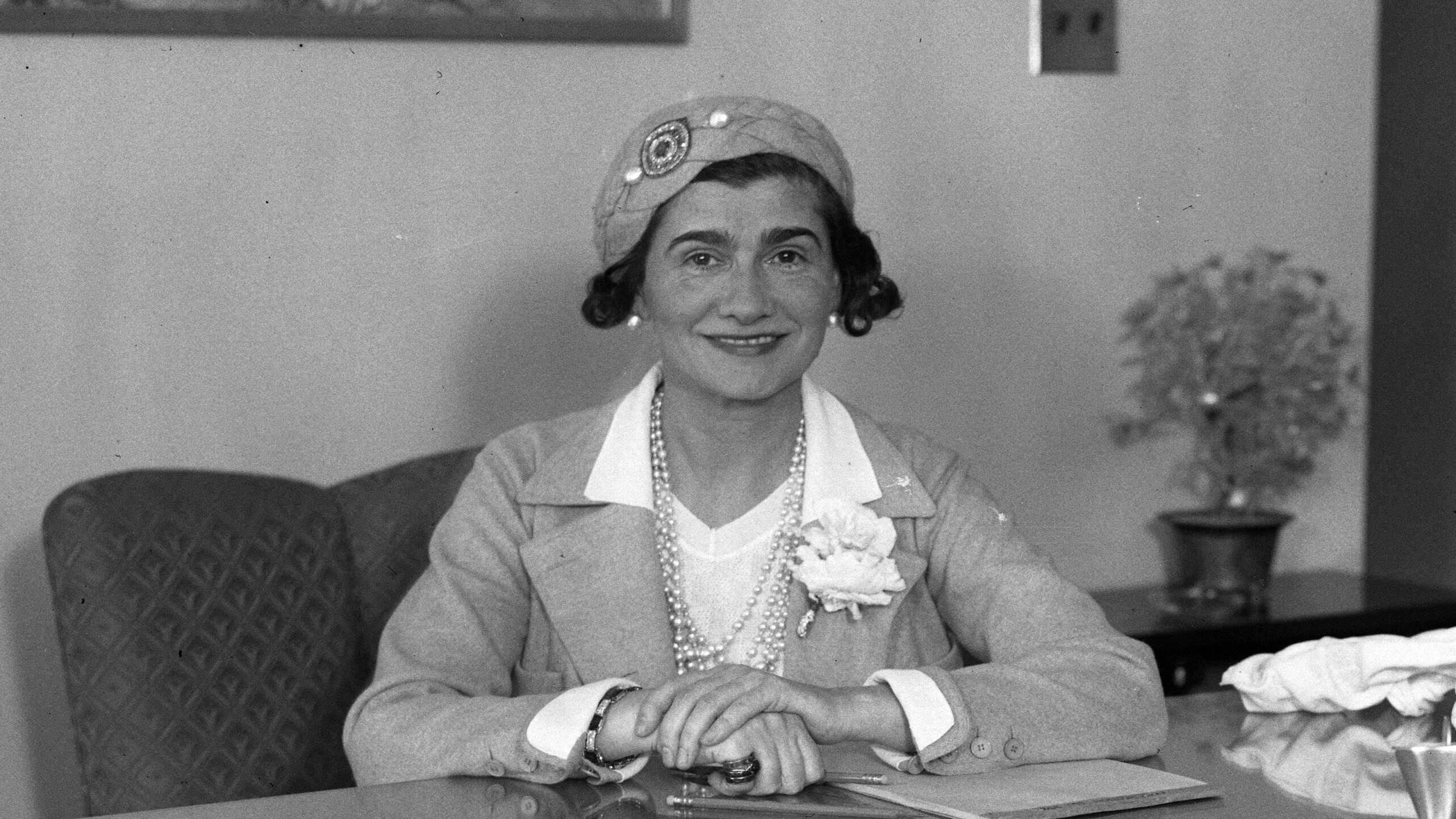
There’s more to Coco Chanel’s wartime story than her having a complicated life. She lived at the Ritz in Nazi-occupied Paris, a place where some German officers were based, and she even had a relationship with a leading German intelligence official.
That’s not all, though. She worked directly with Nazi intelligence and alongside the occupiers, going as far as to use Nazi anti-Jewish laws to take Chanel No. 5 away from her Jewish business partners. She was that ruthless.
The show after the show
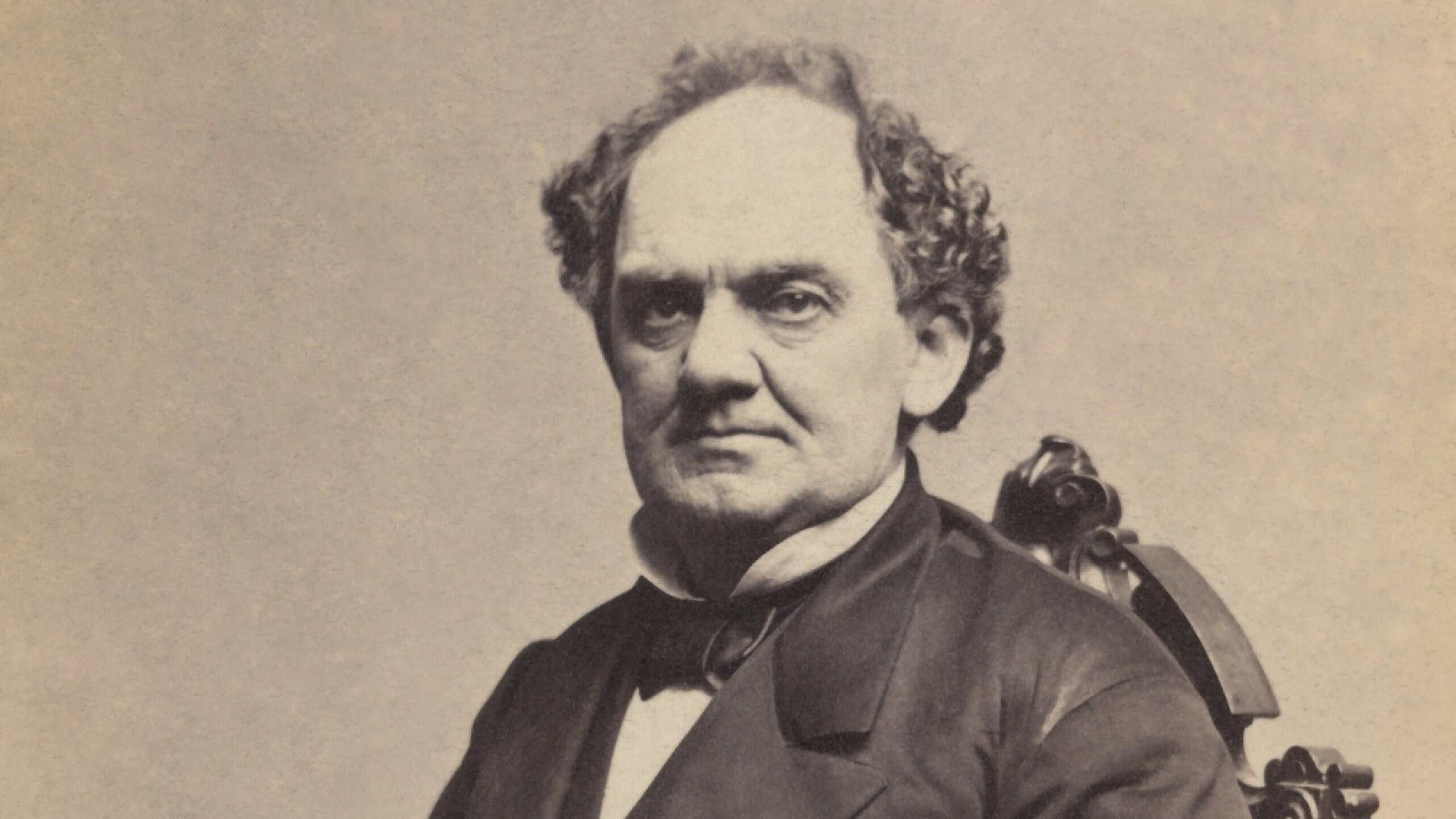
People like to imagine P.T. Barnum as a guy famous for his showmanship, and yes, that’s kind of true. However, he owes a lot of his early fame to an elderly Black woman called Joice Heth. He wasn’t the nicest to her.
Barnum exploited Heth’s blindness and weakness, charging audience members to come and stare at her. Even in death, she didn’t know peace, since he also made her autopsy into a public viewing and charged people 50 cents to see it.
A letter from next door
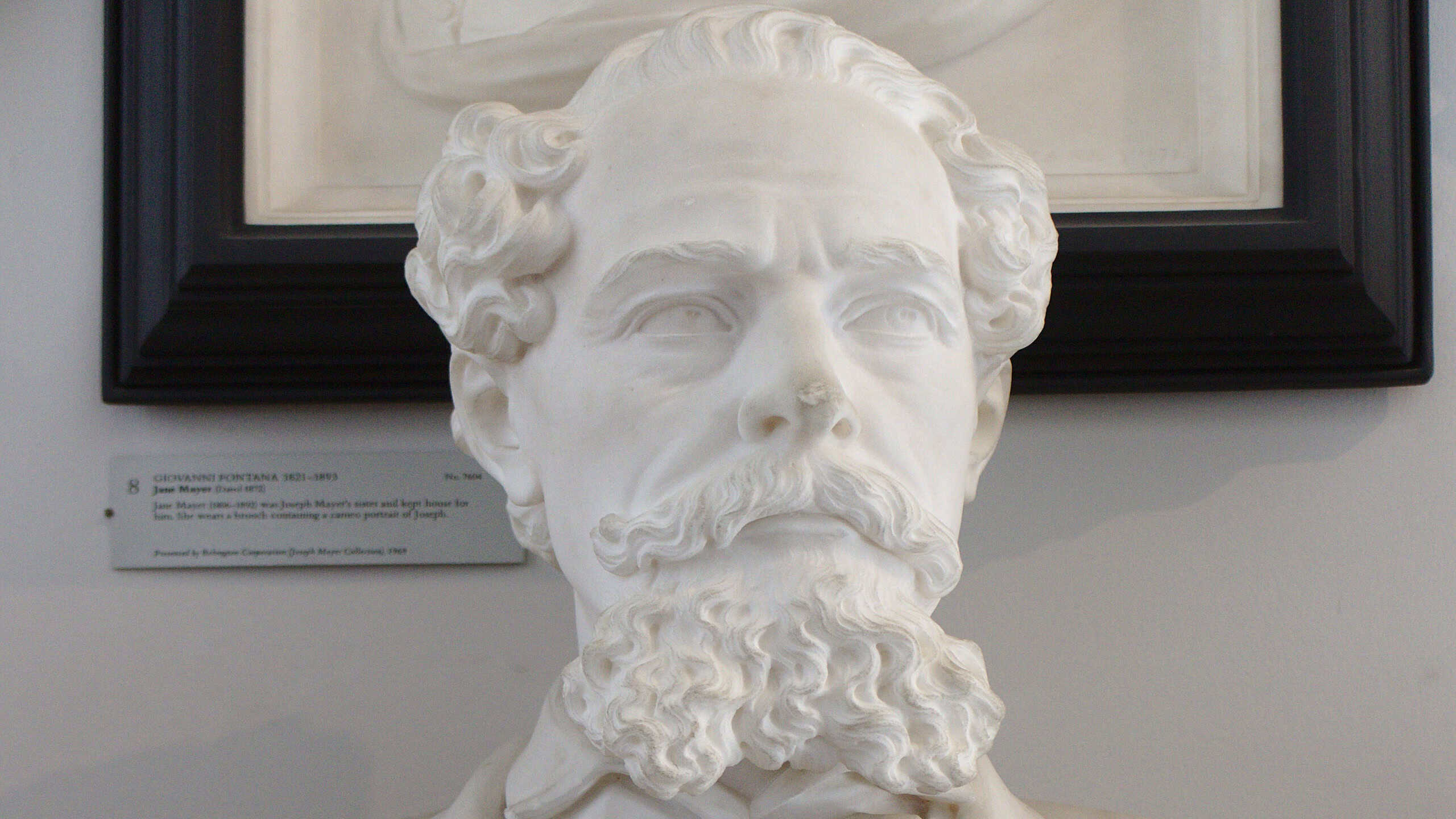
You’d think, for a man who taught the world about poor children and poverty, Charles Dickens would be nicer to his own family. But no. He tried to get his wife, Catherine Dickens, committed to an asylum, just so he could get rid of her, although there was no evidence of any illness.
He knew that. They’d been married for over two decades and had ten children together, which he blamed her for. Apparently, they cost him too much money, meaning that the man behind Oliver Twist thought his own children were a financial burden. Talk about irony.
A warning in print
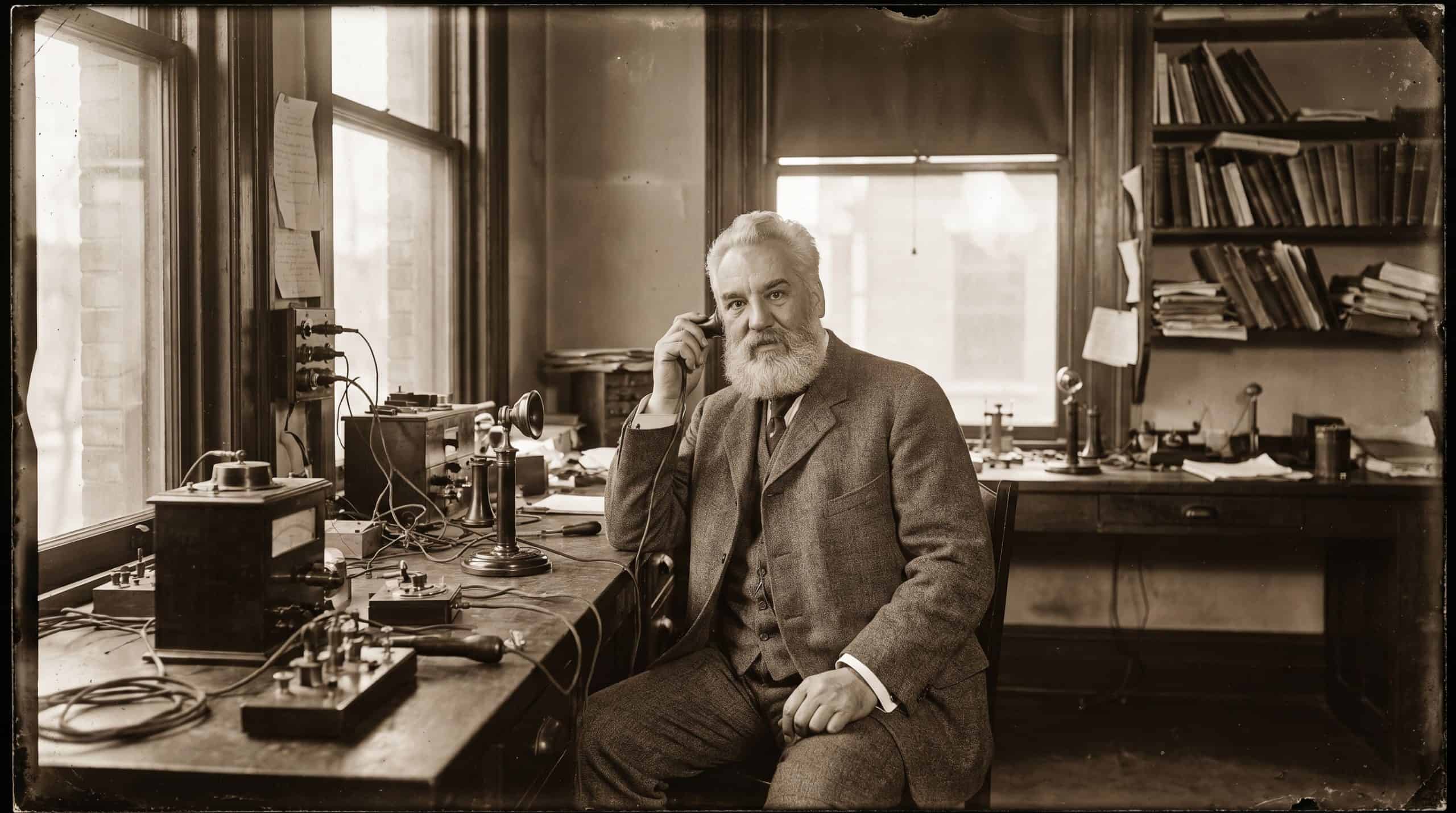
For every door Alexander Graham Bell opened, he was determined to close another. He warned people about the supposed ‘dangers’ of allowing Deaf people to have their own social world and marry each other.
Bell even supported eugenic ideas against Deaf people. He was also against Deaf teachers because he thought they’d bring sign language into the classroom, and that was a big issue for him. Because, supposedly, Deaf people being able to communicate was wrong.
A very young start
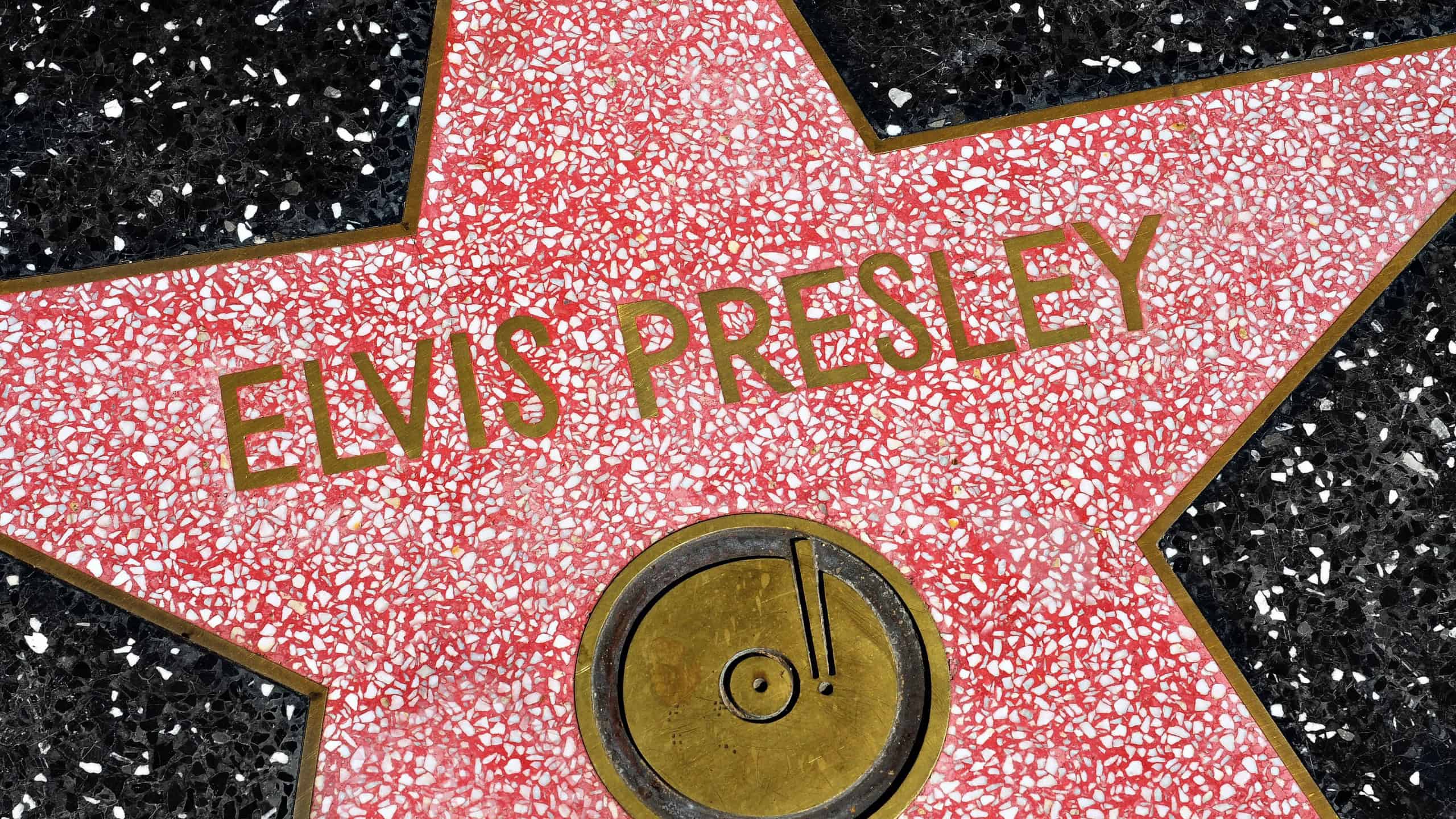
The story of Elvis and Priscilla looks great on the silver screen. In real life? Not so much. For starters, Priscilla was only 14 when she met Elvis, and he was 24. She was young even by ‘50s standards, and a few years after the pair met, they got married.
She was living at Graceland while still finishing school. Let that sink in. All the big hair and incredible dance moves don’t hide the fact that Elvis was a grown man ‘dating’ a teenage girl.
The order that came back
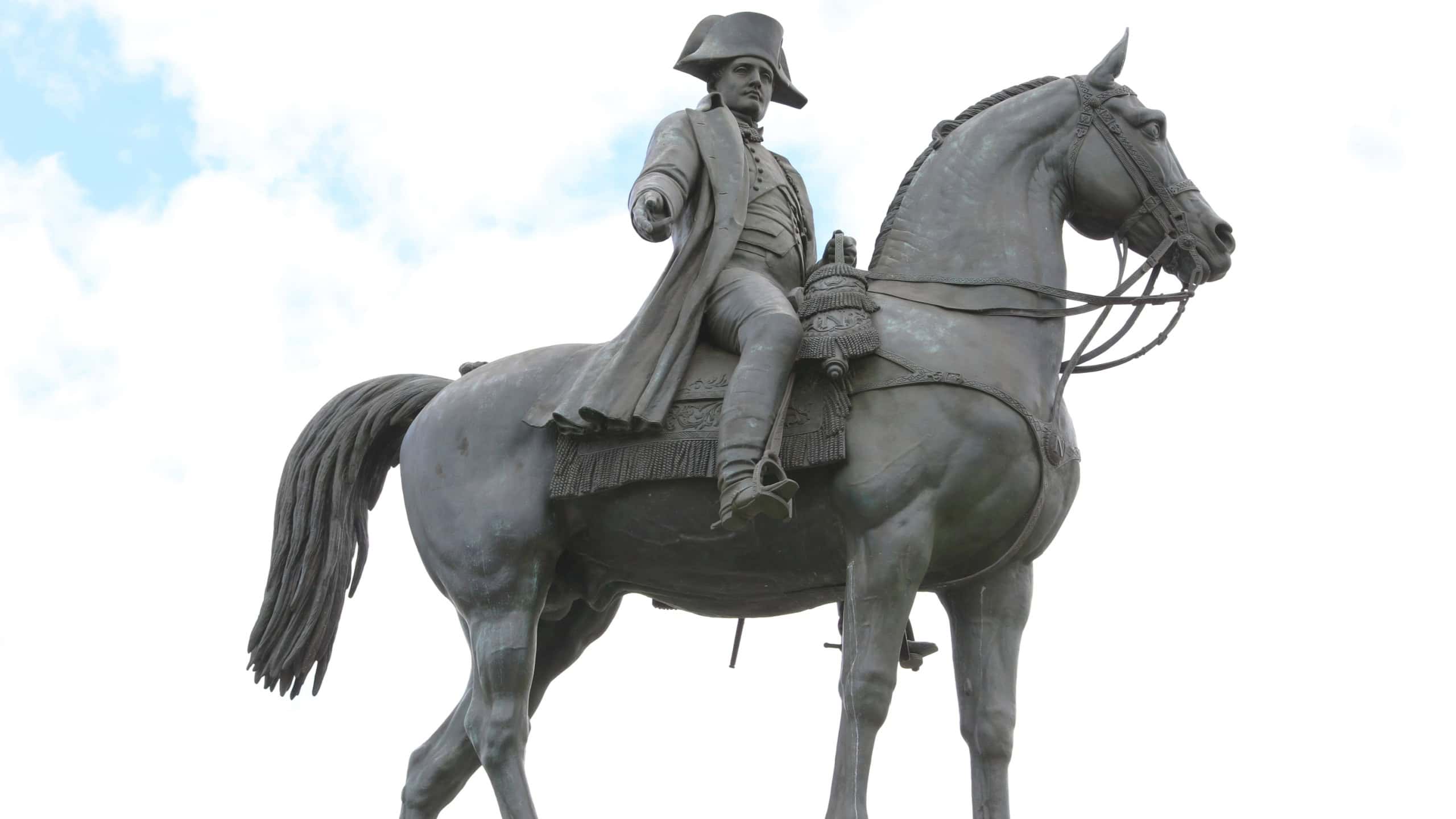
Napoleon did a lot for France, but not so much for the French colonies. He brought back slavery to them in 1802, and that was especially important because revolutionary France had already banned it. Napoleon didn’t care, though.
Napoleon was such a supporter of slavery that he sent troops to Saint-Domingue, modern-day Haiti, to put down a slave rebellion. He failed to get what he wanted because the nation became independent in 1804.
Clean living, harsh rules
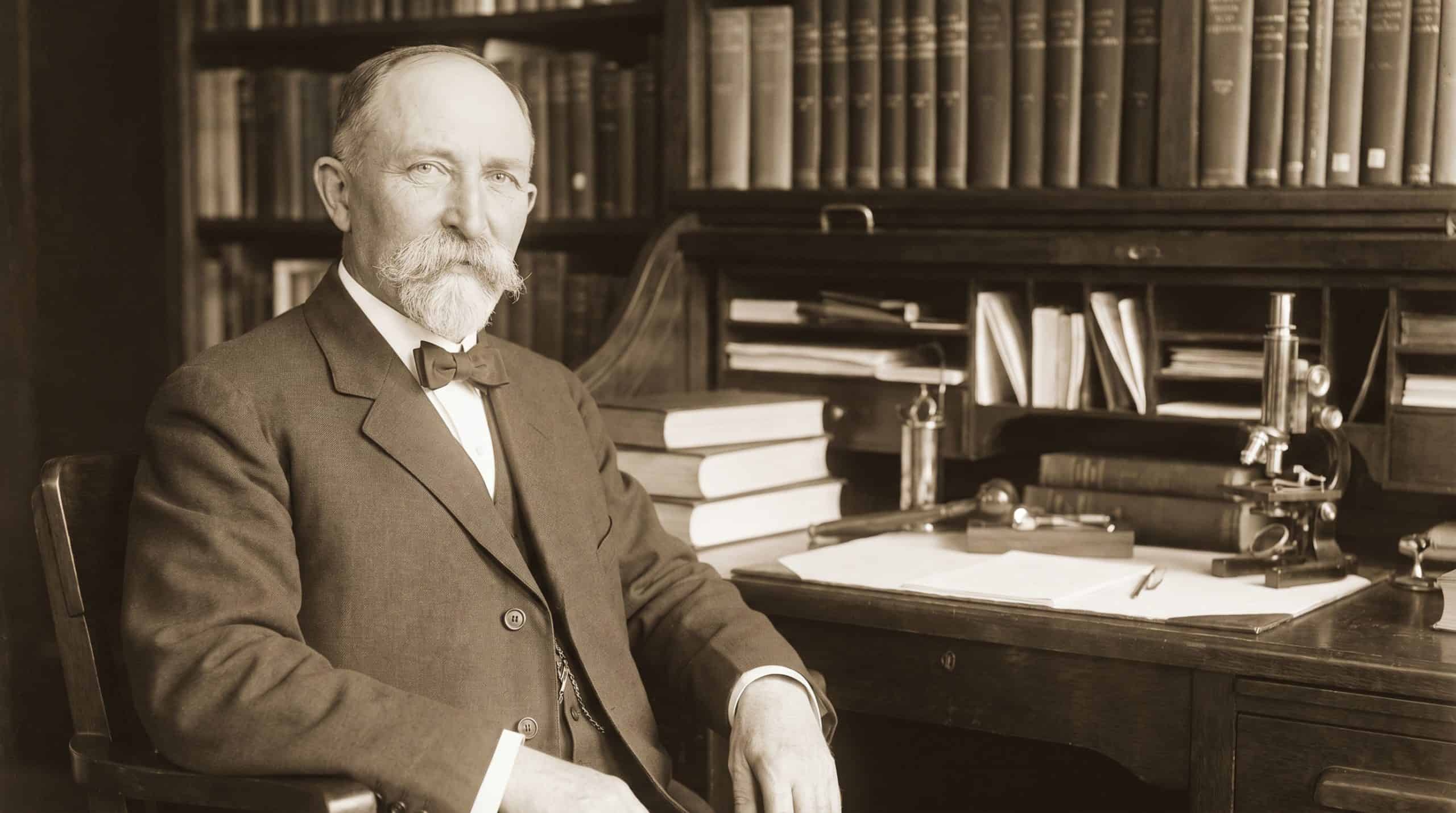
What could be wrong with the grandfather of breakfast cereal? A lot, actually. John Harvey Kellogg supported Michigan’s eugenics movement and believed that only certain people should be allowed to reproduce.
Kellogg hosted the First National Conference on Race Betterment at Battle Creek Sanitarium that had over 400 eugenics ‘experts.’ If that wasn’t bad enough, Kellogg recommended that young boys be circumcised without anesthesia. Ouch.
Sources: Please see here for a complete listing of all sources that were consulted in the preparation of this article.