

Everyone talks about what you “get” from your parents, like your eye color or curly hair. But not everything gets passed down through genes, and instead, some of it comes from elsewhere. Here are thirteen things psychological research says you inherit that aren’t in your genes. What kind of weird or unexpected things are you carrying from the past?
Disclaimer: This list is based on scholarly articles and backed by research. This article does not represent the thoughts of the writer or Ash & Pri.
Featured Image Credit: Shutterstock.com.
Stress Response Patterns

Your mom freaked out anytime she lost her keys, while your dad handled chaos by shutting down. Chances are, you picked up those same responses to stress without even realizing it, and it’s not in your blood. You just saw it enough times that it stuck. Once your brain connects that this is how your family deals with pressure, it tends to run with it and does so automatically.
Food Preferences

You don’t hate olives because of your DNA, but rather, you hate olives because no one in your house ever served them. And if they did, they said “Ew, gross,” so your brain decided that it would do the same thing. Food preferences are surprisingly social, and you essentially inherit your taste buds from your kitchen, not your chromosomes.
Posture and Body Language Habits

If you’ve ever seen a family where everyone stands the same way, that’s not necessarily a genetic thing. It comes from watching your parents do this a million times growing up. You probably picked up a lot of those habits without thinking about it, like the shoulder tilt when you’re listening or the way you fold your arms, even where your hands go when you’re bored.
Sleep Routines

Growing up in a house where everyone was up past midnight means there’s a good chance your brain thinks that’s normal. The same goes for early birds. Even if your body could adjust, it probably won’t, because your environment created your sleep patterns way before you even knew what “circadian rhythm” meant.
Attachment Style

Some people get too clingy too fast in relationships, while others ghost people without blinking. This behavior is something we pick up from how safe, or not-so-safe, we felt as kids, and not from our DNA. As children, we tune into how much attention and comfort we get, so some grow up always expecting connection. Others get used to pulling back.
Accent and Internal Voice Tone

Not only do you speak like the people around you, but your inner monologue often sounds like them, too. That voice in your head didn’t show up with your genes and only appeared because you heard it 24/7. Pay attention to it. You might notice that it copies your parents’ pacing and favorite words, or even how they sigh between sentences.
Body Image and Self-Talk
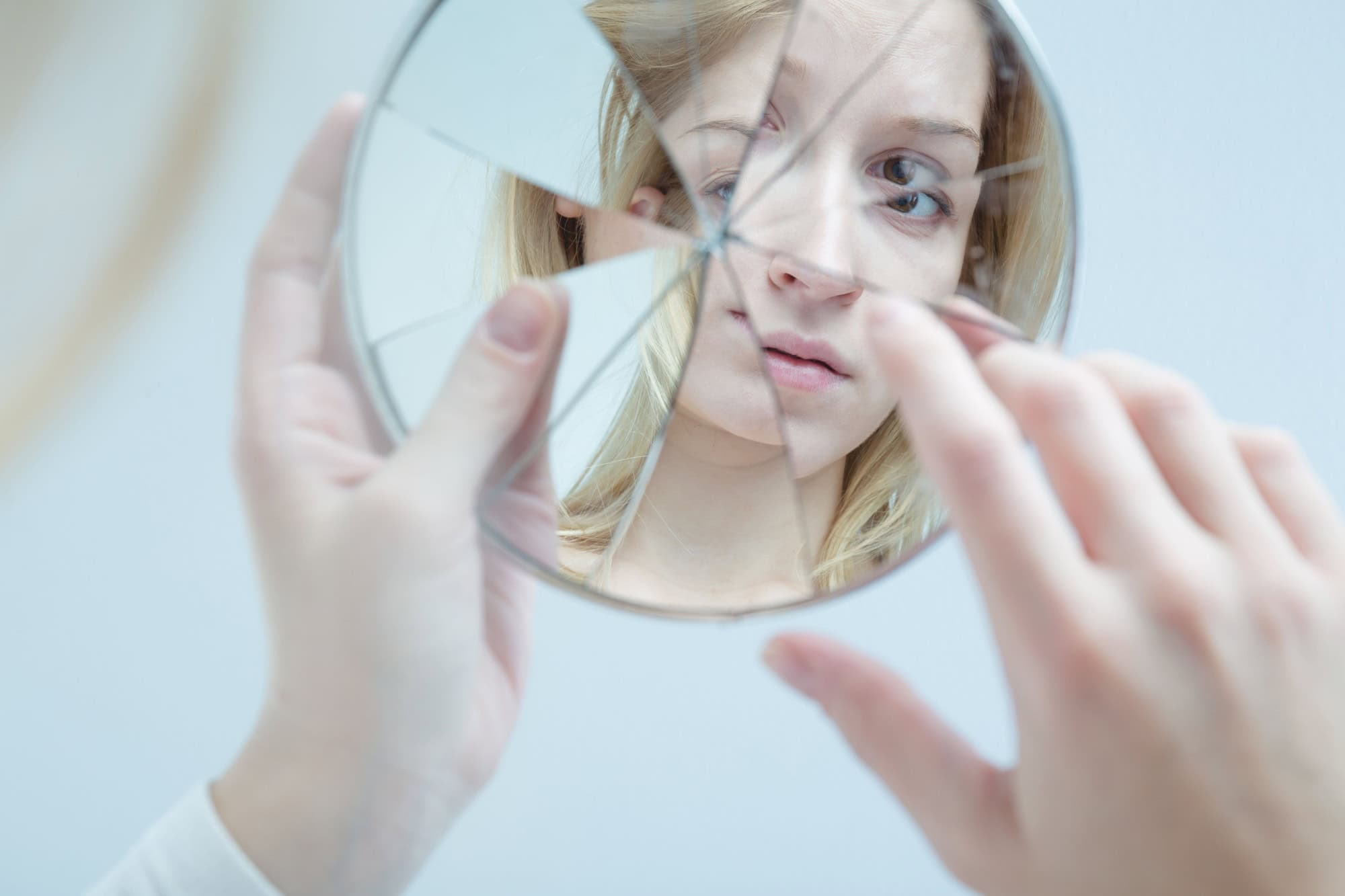
Hearing people complain about their weight or point out every “flaw” as a child sticks with you. Language like “I need to lose ten pounds” or “I hate how my legs look” gets repeated so much that it can feel normal for you. Over time, you start using those same words about yourself. It doesn’t matter if no one says them anymore.
Pain Tolerance

Some people shrug off pain like it’s nothing, and others wince if their sock gets twisted. This is often a parenting thing. Parents telling you “you’re fine” every time you scraped your knee means that you probably learned to tough it out. If someone fussed over you, it’s the same thing, as your brain learned that pain gets you attention.
Handwriting Style

Have you ever noticed your writing looks a lot like your mom’s or your grandpa’s? It could be the shape of the letters, or the weird little flick at the end of a “y.” You probably never practiced it, you just saw it a lot and picked up a few things. Eventually, you developed a signature style by copying notes and grocery lists, which became part of your everyday life.
Facial Expressions

That thing you do when you’re annoyed, like the eyebrow twitch or long blink, isn’t something you invented. You likely picked it up from someone close to you, as we copy facial expressions constantly, especially as kids. It’s not just annoyed faces, either, because even the way you smile or roll your eyes could trace back to your family.
Physical Tension Patterns

You didn’t wake up one day and decide to hunch your shoulders when you’re anxious, and it just started happening. It was probably around the same time you began copying your dad’s way of rubbing his temples every time the Wi-Fi signal dropped. Even the way you clench your jaw or fidget during stress isn’t instinctual. It’s muscle memory.
Breathing Habits

Some people grow up learning to take deep, slow breaths, while others learn to hold it in. Being raised around yelling and slamming doors means that your body probably started keeping score. You might not even realize you’re bracing until someone reminds you to breathe. It’s not from genes but from training your body to stay ready, even if it doesn’t have to be.
Walking Gait

The thing you do with your feet, such as the way one turns out just a little, or how you sort of bounce instead of stepping flat? Yeah, you didn’t invent that. It came from watching someone in your family make that exact same move a thousand times, and most kids copy how their parents walk without even noticing.
Source: Bandura, A. (1977). Social learning theory. Prentice-Hall
Disclaimer: This list is based on scholarly articles and backed by research. This article does not represent the thoughts of the writer or Ash & Pri.
Like our content? Be sure to follow us.


